
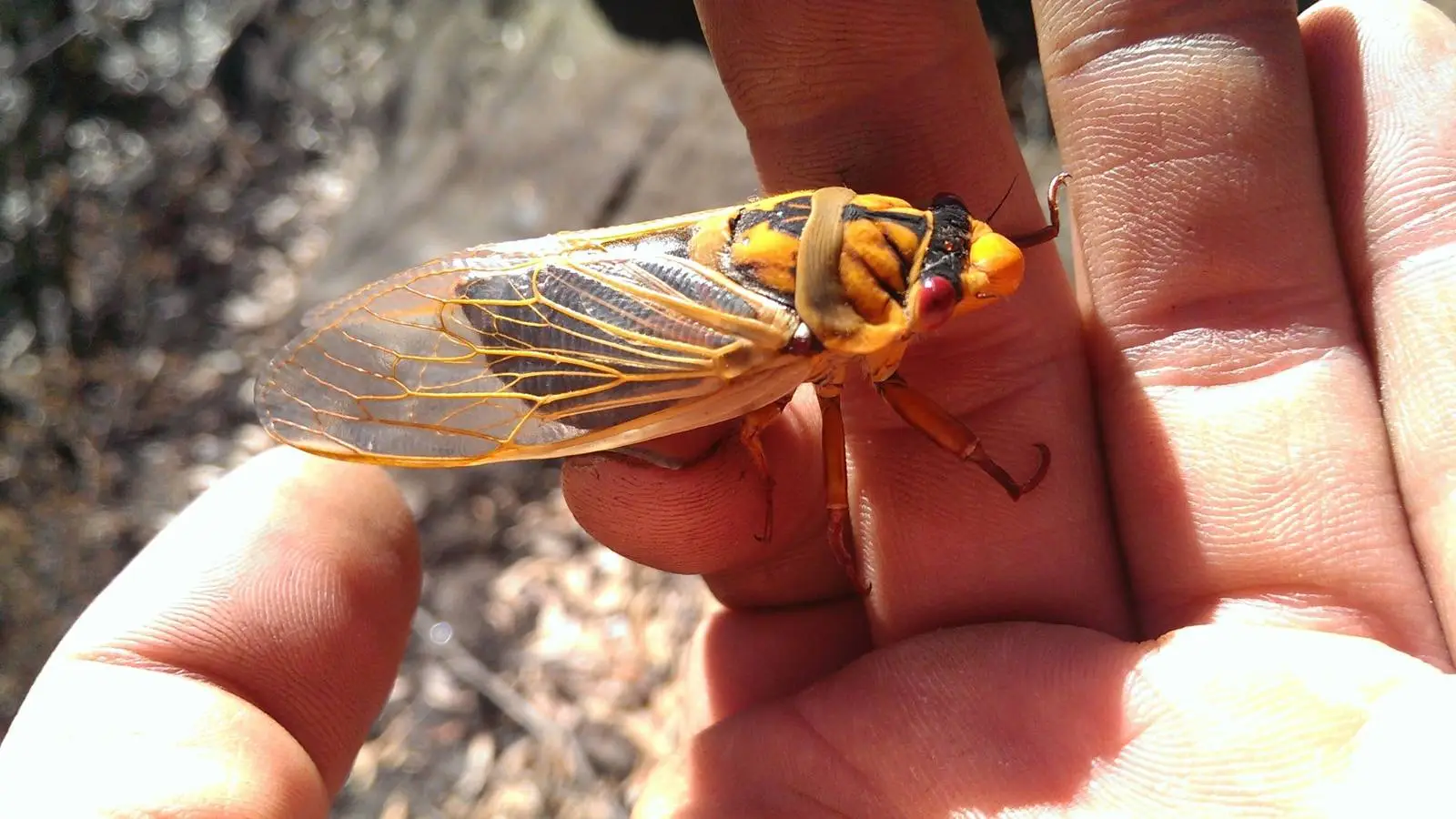
In Australia, cicadas can create a light 'rain' from trees. Learn why sap-fed insects eject harmless droplets, why 2024 is big, and how to avoid getting wet.
Picture this: you’re strolling down a shaded avenue under a cloudless sky when, out of nowhere, droplets hit your shoulders. You glance up—no rain, no sprinklers, no pranksters. Yet you’re getting wet. In Australia, there’s a surprisingly simple explanation: cicadas.
Every Australian summer comes with a wall of sound as cicadas wake and start their relentless chorus. What fewer people realize is that these insects can also end up sprinkling anyone who lingers beneath the trees.
Residents in some areas have noticed that on hot days, standing under a canopy can bring a light, unmistakable patter on the head. It isn’t irrigation and it isn’t imagination. The moisture is coming from the cicadas themselves.
The logic is straightforward: cicadas drink a lot. They feed on tree sap, which is mostly water. To extract the small amount of nutrients they need, they ingest vast quantities of fluid—and eject the excess. Think of it as tiny pressure valves releasing what their bodies can’t use.
Researchers have even measured the force of that release: the slender jets can shoot out at up to 3 meters per second. To anyone on the ground, it feels like a faint but noticeable drizzle drifting down from the canopy.
In Sydney and nearby suburbs, people began spotting this odd “shower” toward the end of 2024. At first, many were baffled. Some suspected hidden sprinklers; others assumed a sudden sunshower. Then the pattern became hard to miss: the source was the cicadas clinging to the branches overhead.
Clips of the phenomenon raced through social media. Reactions ranged from amused to squeamish, but the takeaway was hard to argue with: in Australia, what feels like rain doesn’t always come from clouds. Once you know the cause, the mystery shifts from irritating to strangely captivating.
The 2024 cicada season has been unusually intense. Scientists point to several years of favorable conditions—plentiful rain and mild winters. The result is a surge in cicada numbers, which means louder days, longer choruses, and more surprise showers beneath the trees.
Activity typically peaks from late spring into early summer, roughly November through December. During that window, anyone hoping to stay dry might think twice before loitering under leafy crowns.
No. Researchers say the liquid expelled by cicadas is harmless. It has no smell, doesn’t leave stains, and evaporates quickly. It isn’t dirty—just water the insects can’t make use of.
There’s even a small upside: the extra moisture can leave tree surfaces a touch damp and keep the surrounding air from feeling bone-dry. For scientists, it also offers a neat chance to study how tiny bodies handle a big water surplus so efficiently.
If Australia’s weather keeps favoring cicadas, it’s entirely possible. Experts suggest that this kind of insect-made drizzle could become a routine sight during peak seasons.
So if you find yourself in Australia in summer and feel a few drops, don’t just scan the sky—check the branches. Chances are, it isn’t a passing shower. It’s cicadas, doing what cicadas do.