
Explore Mykonos through its pirate past: Chora’s maze-like lanes, wind-smart homes, Little Venice secrets, and the legend of Manolis Mermelehas. Visit now.
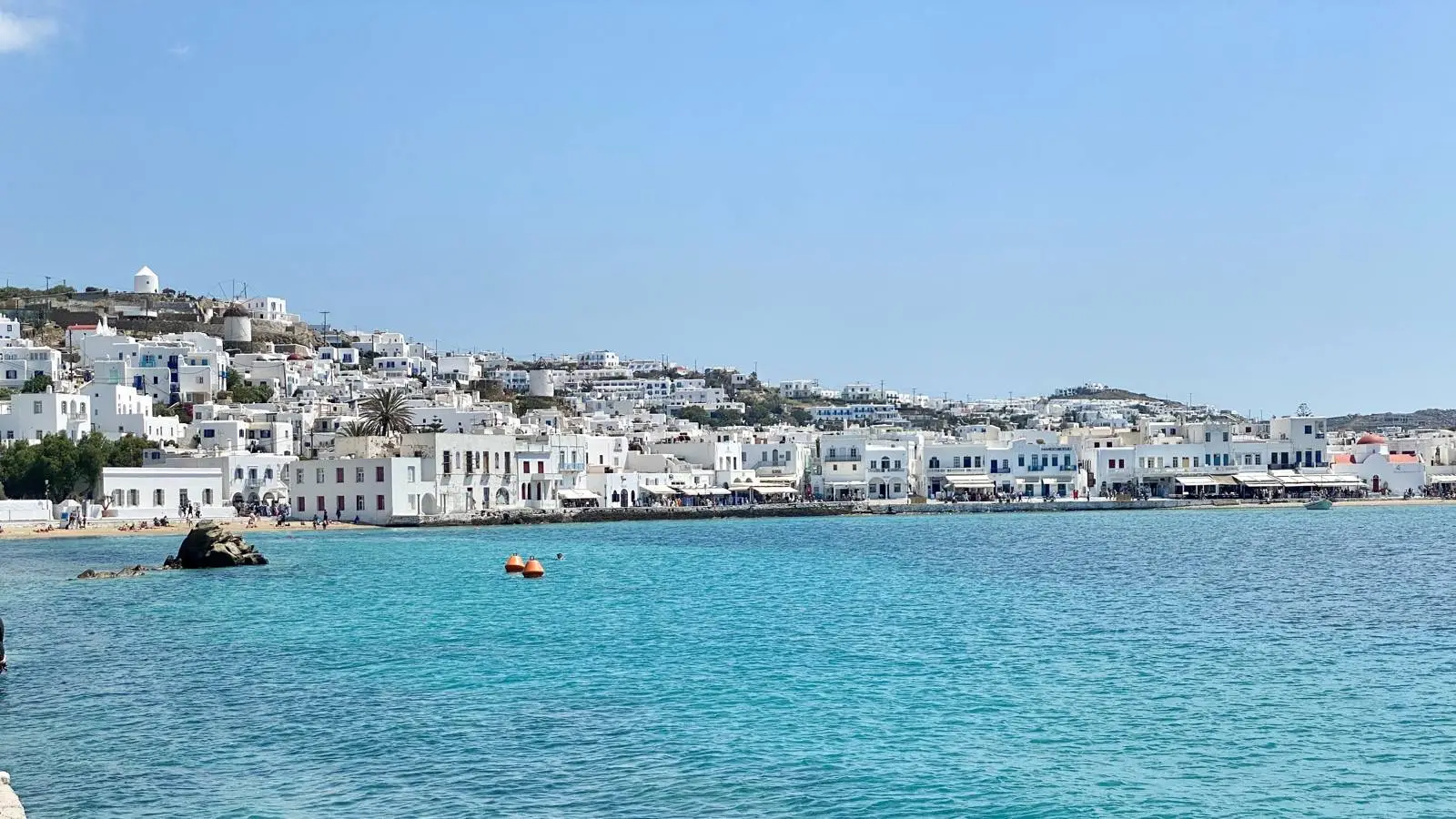
Spotting a photo of the Greek island of Mykonos, the first thing that jumps out is the swirl of whitewashed houses and narrow lanes that look like a tangled maze. It isn’t just for show: those alleyways once helped residents outfox pirates.
Mykonos sits in the heart of the Aegean, where key sea routes cross. Merchant ships passed nearby—and, inevitably, so did raiders. This was especially true in the Middle Ages and later under the Ottoman era, when the island shifted between Venetian and Turkish control. That was when piracy became a pressing threat.
The islanders devised a defense: they built the town of Chora, the island’s capital, like a true labyrinth. Its lanes are tight, twisting, full of abrupt turns—all meant to disorient intruders if they forced their way ashore. The tactic worked; strangers lost their bearings while locals knew every run-through by heart. The city read like a map only insiders could decipher.
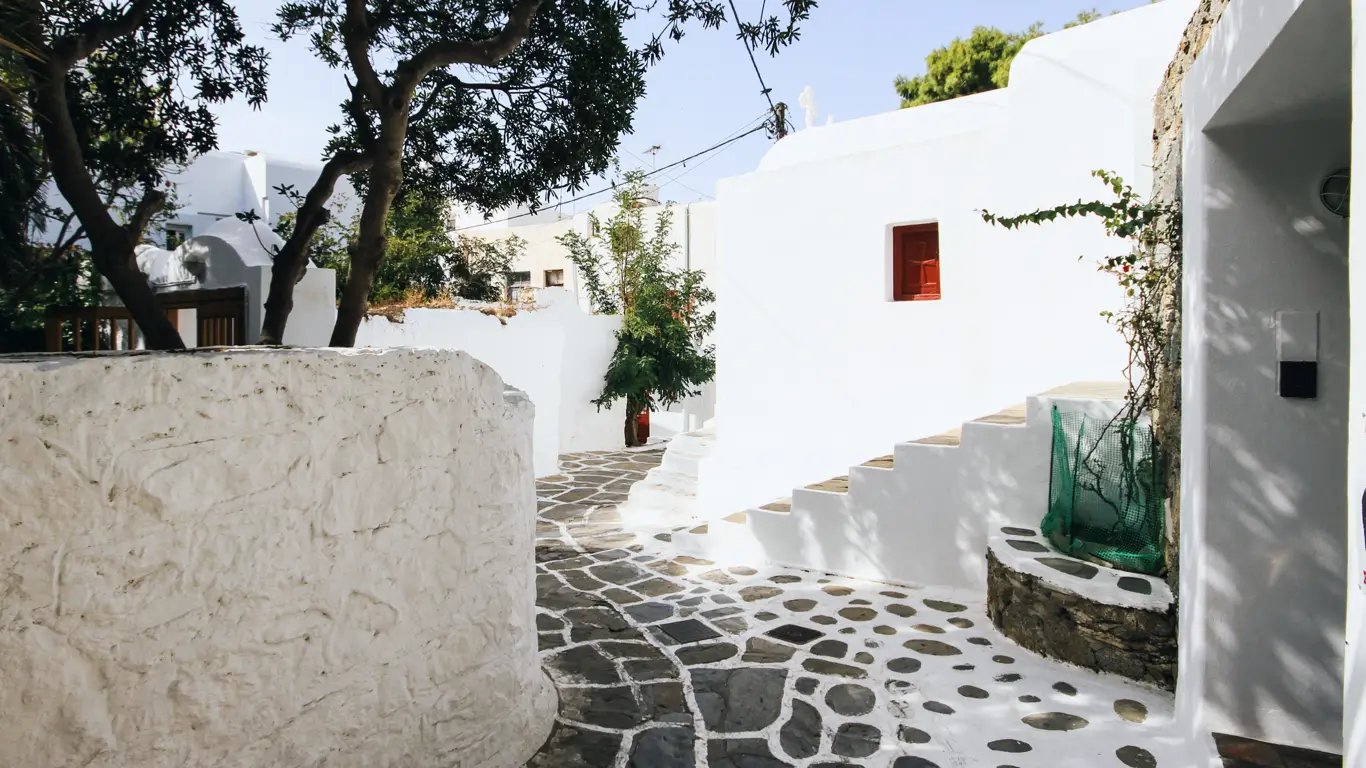
The street plan solved another challenge: the wind. In the Aegean, sharp, cool summer gusts known as the meltemi can barrel through. Narrow passages and tightly clustered houses created shade and pockets of calm, a refuge from heat and wind alike. It was shrewd urbanism—protection from enemies, without sacrificing everyday comfort. The design doubles as climate control, which is hard not to admire.
One of the best-known figures tied to Mykonos is Manolis Mermelehas. A pirate by trade, he is remembered less as a villain than as a folk hero: he struck at Turkish ships and later shared the spoils with poor islanders, earning the nickname of a sea-going Robin Hood. Local lore says his grave lies in a small church in the town center. The tale softens the edges of a brutal craft without denying its reality.
Another intriguing quarter is Little Venice, a row of homes built right at the water’s edge, once owned by sailors and merchants. Some sources say these buildings were used for clandestine transport of goods—sidestepping the law—with hidden passages and cellars in certain houses. Whether every tunnel existed or not, the whispers have become part of the place.
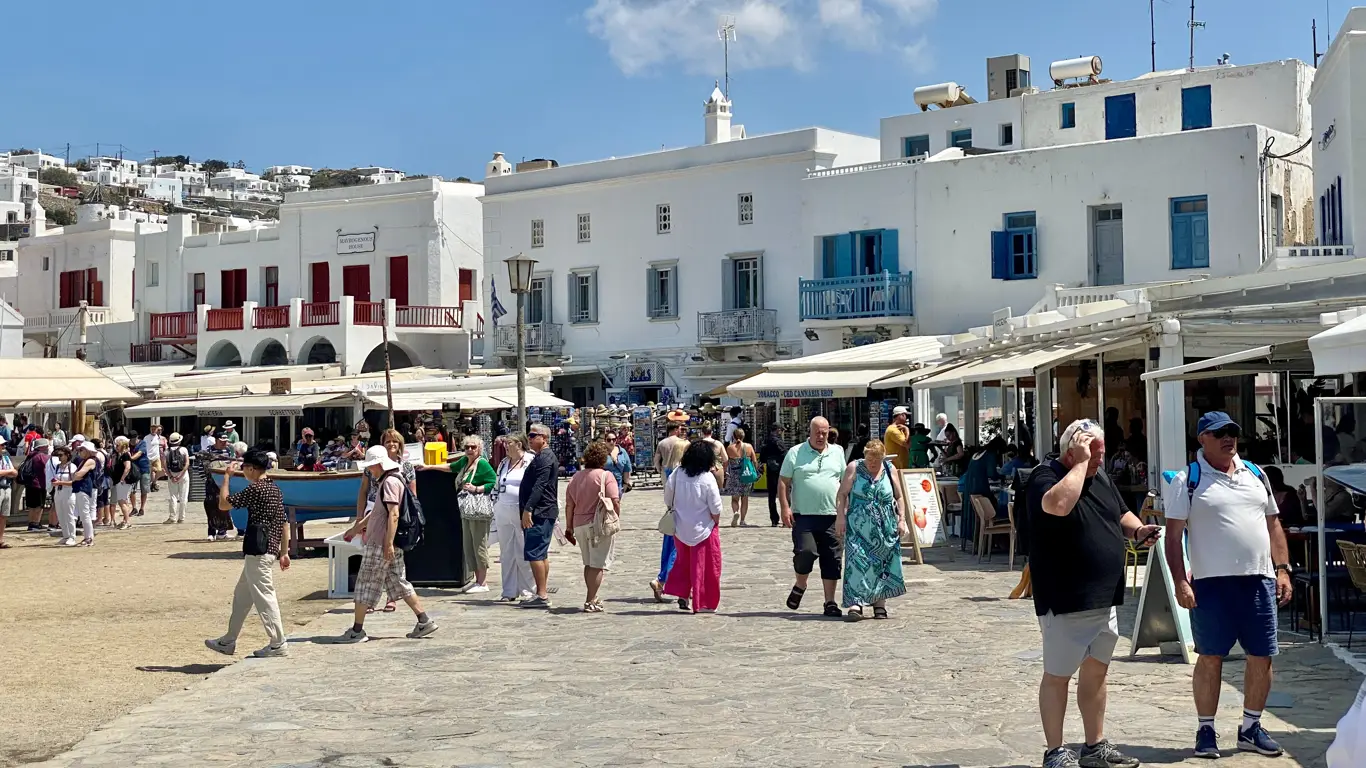
Today Chora is an open-air museum of sorts. Visitors come not only for the beaches but to catch the feel of an older island. They walk the very lanes that once shielded residents from pirates, and some tours even trace “pirate” routes. The marketing writes itself, yet the atmosphere feels authentic.
Not all historians agree that the streets were laid out solely for defense, but most acknowledge that this kind of planning helped in hard times. In places shaped by survival, motives rarely come single-threaded.
These days, a weave of myth and true stories about pirates is central to Mykonos’s image. Little Venice, Chora’s maze, the tales of Mermelehas—all of it leaves the island not just pretty but alive, with a sense of character. Travelers savor such details because they make it easier to connect with a place.
And while pirates are long gone, their imprint remains—in the streets, in the legends, and in the island’s memory.