
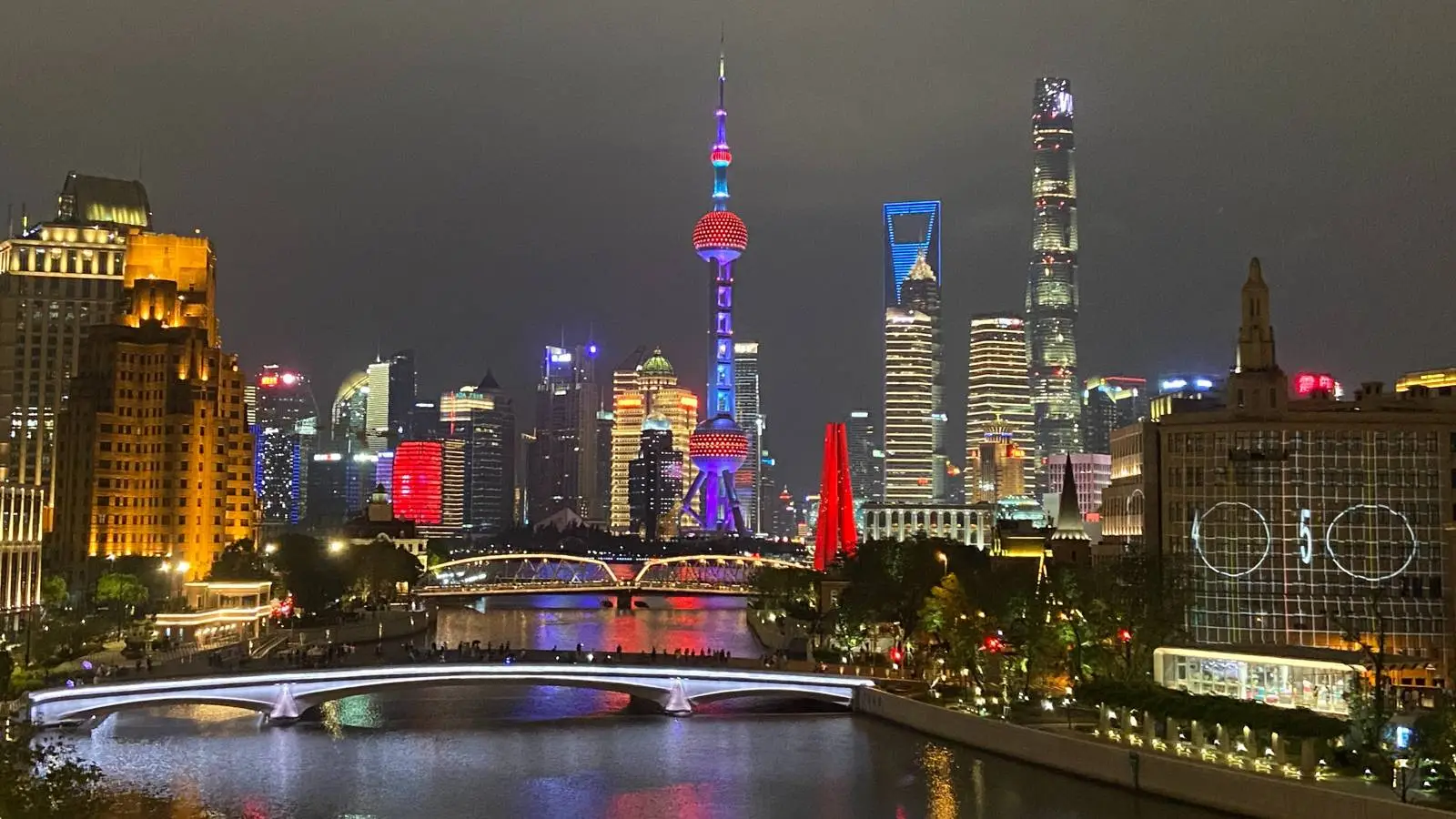
Explore how Shanghai leads smart city innovation: a citywide digital twin, self-monitoring metro, 15-minute districts, and bold R&D shaping urban life in 2025.
Shanghai has long been seen as a standard-bearer for urban planning and technology in China. In recent years it has pushed further: the city is testing on its streets what could soon become everyday reality for millions around the world. And this isn’t about distant plans for 2040—much of it is unfolding already.
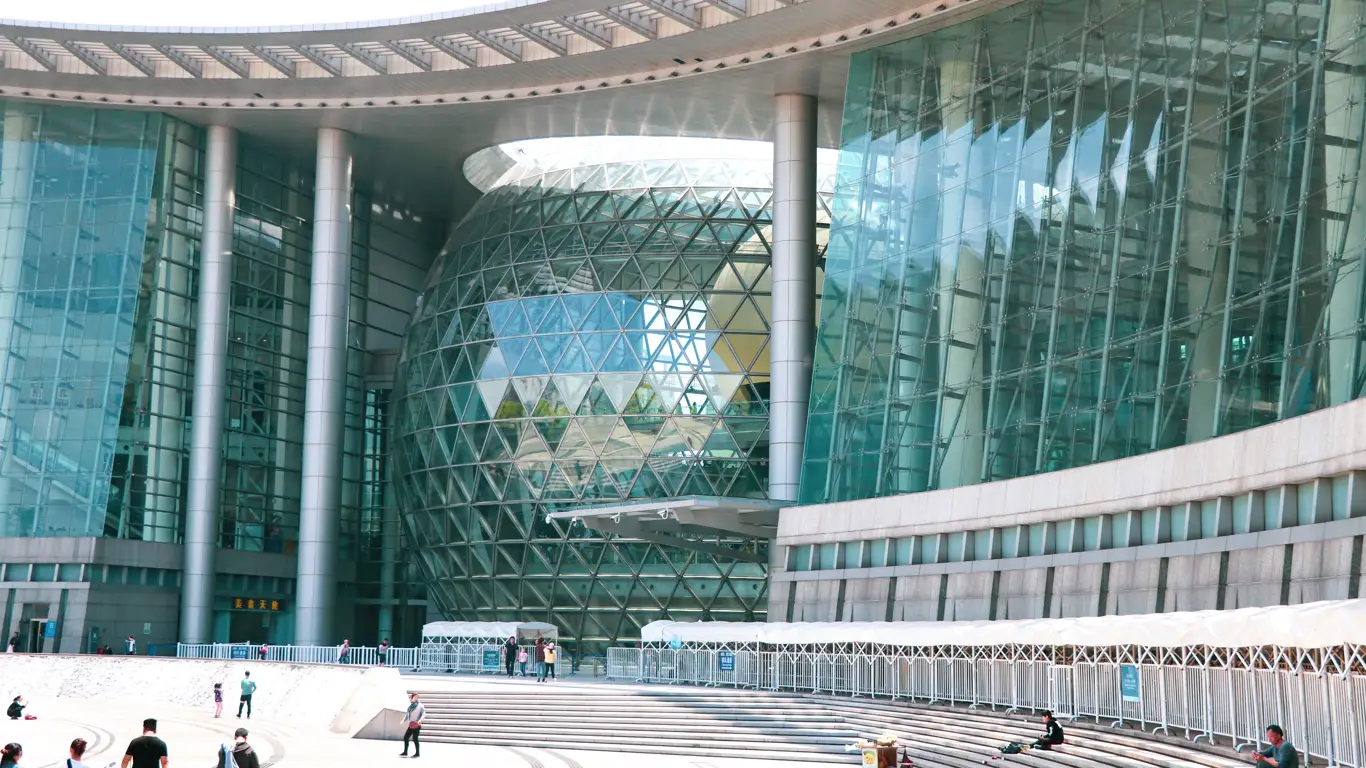
Shanghai is putting significant resources into science and new technology. In 2025, the city will allocate almost 4.5% of its budget to research and development. That’s a lot, especially considering that even by Chinese standards the average is lower—around 6.6%.
The focus areas include microelectronics, medicine, artificial intelligence, renewable energy, and robotics. More than 900 major technology projects are already underway. The bet is clear: not just to invent these tools, but to weave them into daily life.
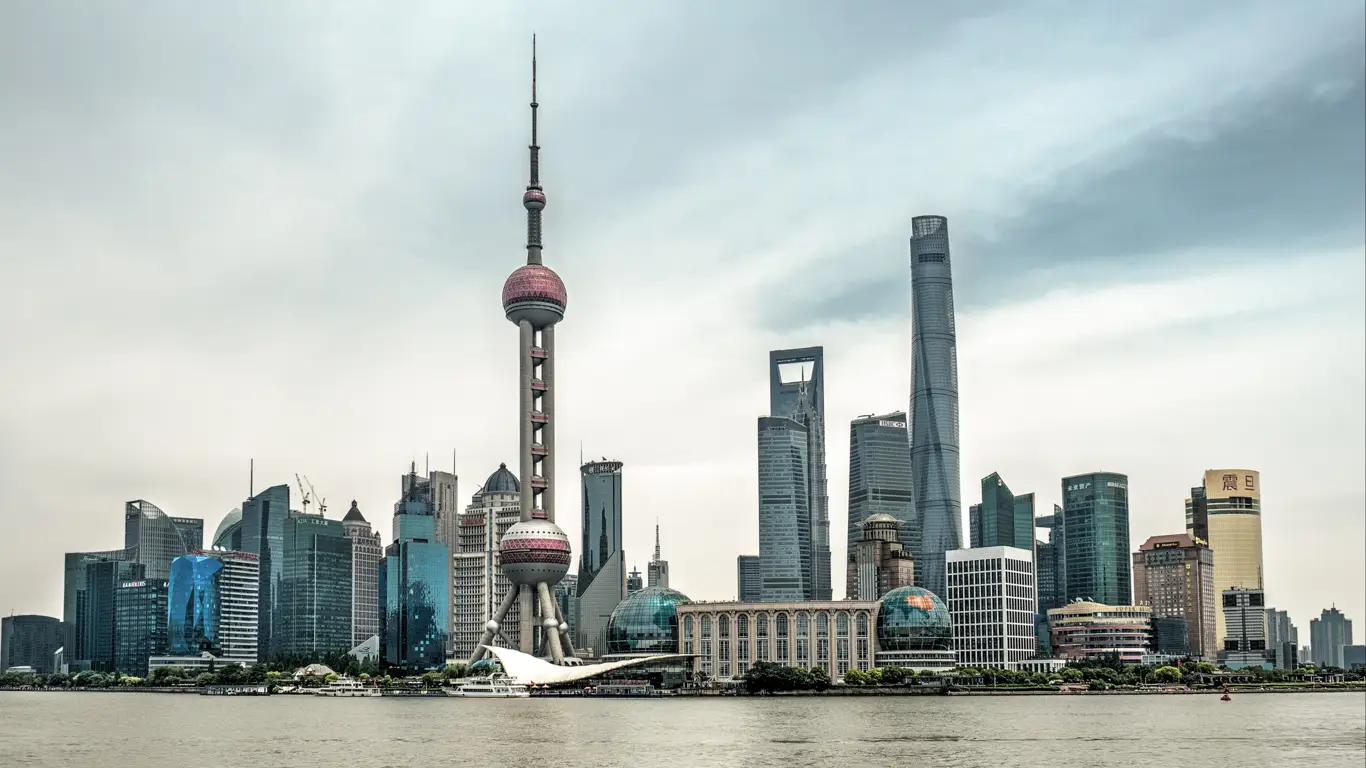
One of the most intriguing efforts is the creation of a virtual twin of Shanghai—a full digital copy that mirrors how the city operates in the real world.
In December 2024, a dedicated base opened in the Putuo district to test different digital scenarios. For instance, a smart gas network tracks operations in real time and can flag leaks or failures in advance. Another project is an app that lets residents get information about their neighborhood and access city services with a single tap. It reads less like a demo and more like a working prototype of tomorrow’s urban life.
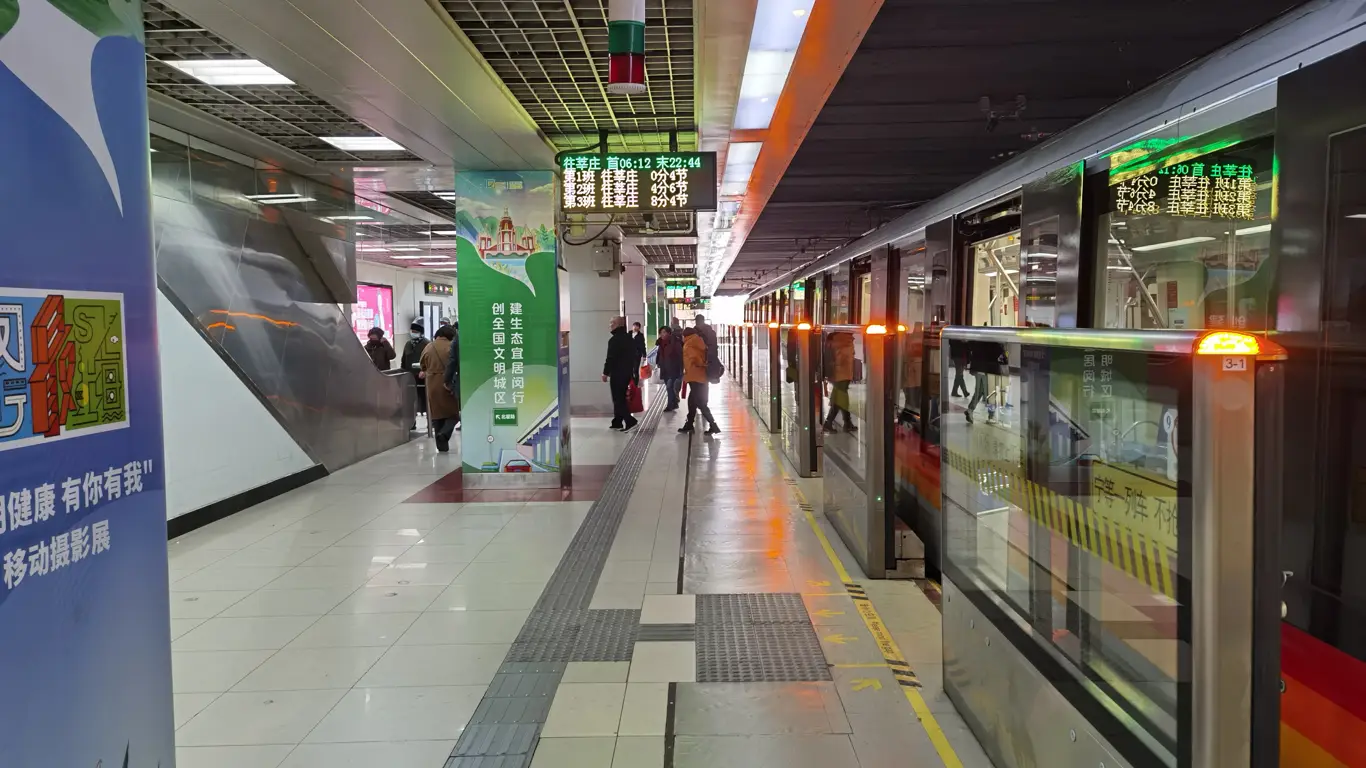
Shanghai’s metro is one of the largest in the world, and now it’s getting smarter. Where equipment checks once took two to four weeks, the system now monitors everything in real time. If something fails, dispatchers are notified almost immediately. Passengers feel the difference: repair times have been cut threefold—from an hour to 20 minutes. For a network this vast, shaving downtime like that is no small feat.
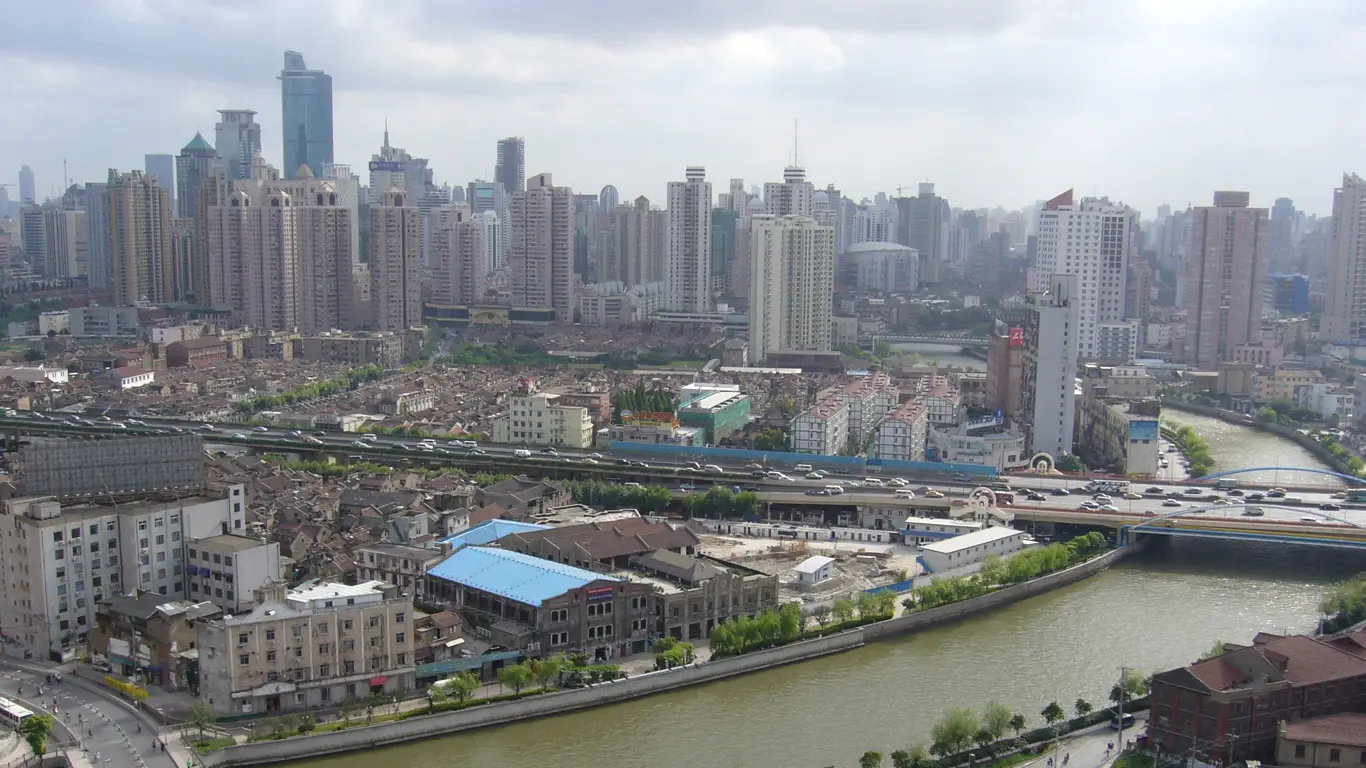
Shanghai has begun advancing the “15-minute city” concept—where daily essentials like shops, schools, sports, and healthcare are within easy reach. In Pudong, the idea goes further: a 3D model of an entire block, augmented reality overlays, and a connected mobile app. Residents don’t just view a map; they interact with it—leaving feedback, asking questions, and getting updates. It’s the kind of integration that moves digital tools from background infrastructure into everyday habit.
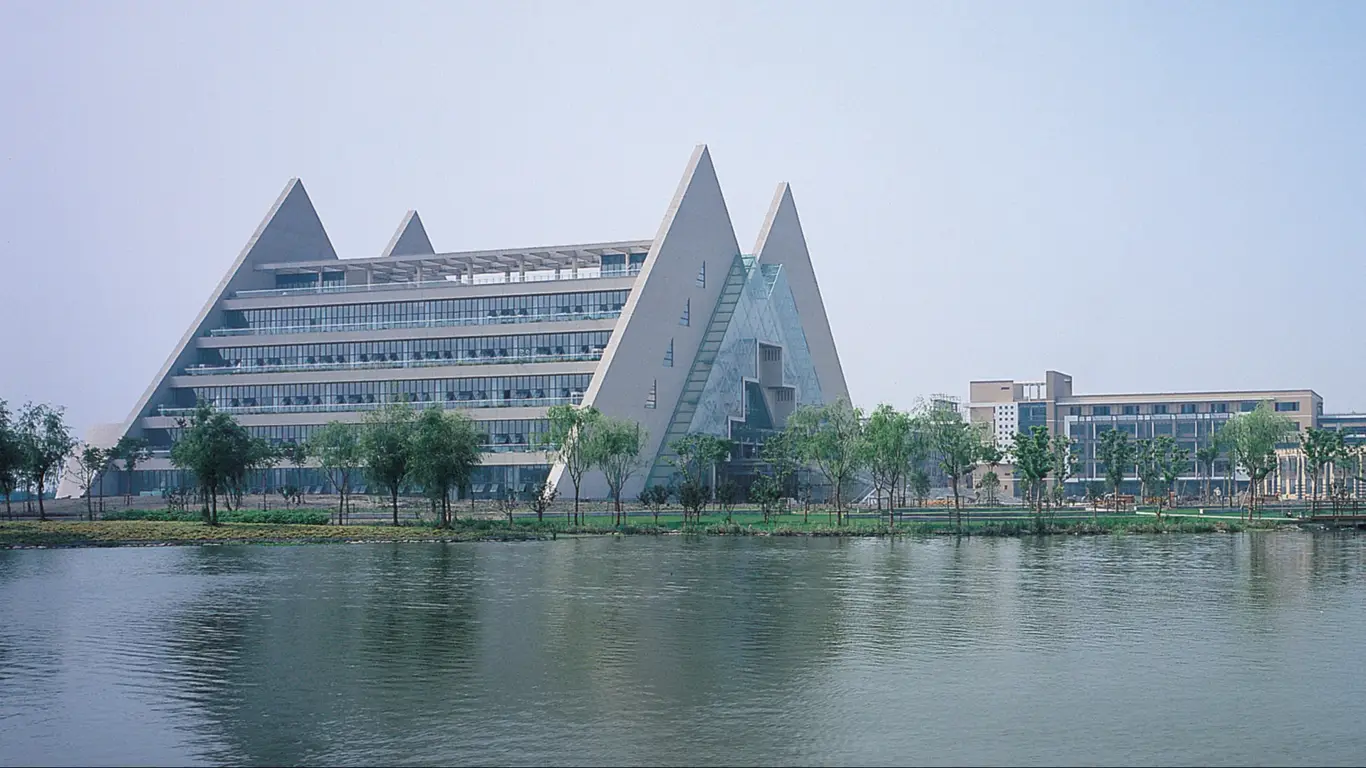
In 2025, the city hosted two major international conferences. At SDG Cities, participants discussed how urban areas can become more livable and sustainable. At Tomorrow. City, hundreds of companies showcased smart-city technologies.
Shanghai didn’t just take part—it stepped in as a leading player. It presented its own solutions and became the first site to open the global Tomorrow. City center. In practice, that positions other megacities to learn from what Shanghai is building, not only on paper but on the ground.
Rapid progress brings its own challenges. One is protecting personal data: the more technology pervades daily life, the greater the risk that residents’ information will be used without their knowledge.
Other issues loom as well. Will older residents find these new services easy to use? And will every district gain access to the same smart solutions?
There are no simple answers yet. But the city’s willingness to experiment—and to do it in public—already sets it apart. The ambition is unmistakable, and it’s reshaping what a modern metropolis can look like.