
Discover Quebec’s distinct identity in Canada: French language, civil law, Quebec City walls, maple syrup, and evolving culture—history, food, and debate.
If you think Canada is only maple leaves, hockey, and English, it’s worth getting to know Quebec. It’s one of the country’s most distinctive provinces: French is the language of everyday life, centuries-old fortifications still stand, and the rules of the game in law are different. And Quebec isn’t a theme park—it’s a place where people carry a strong sense of their history and culture.
Every license plate in Quebec carries the motto Je me souviens, a French phrase that means remembering. Locals use it to signal respect for their history, roots, and language. It reads less like a slogan and more like a principle: remember who you are, where you come from, and why that matters.
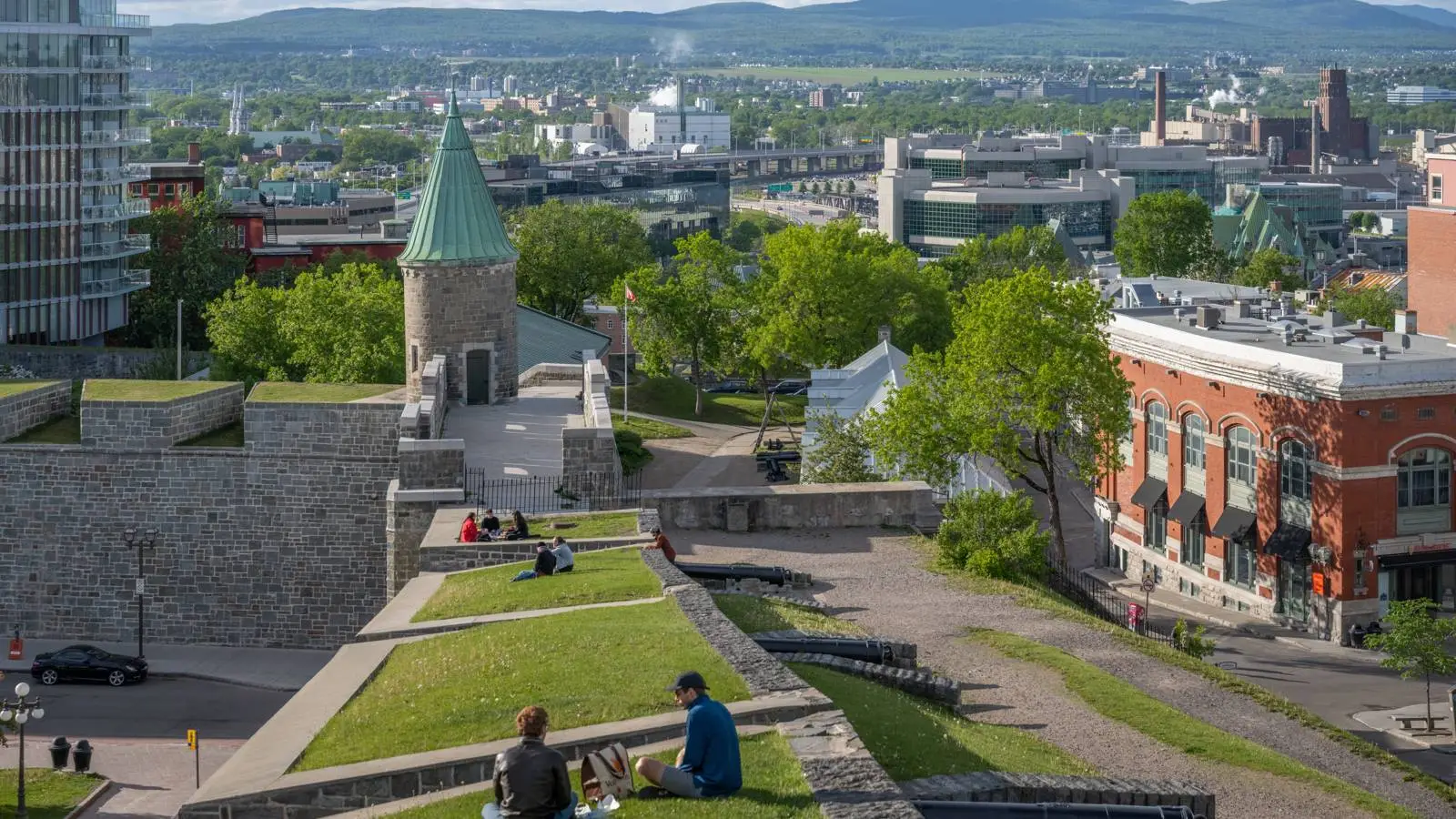
Quebec City is the only city in North America, other than those in Mexico, where the old city walls remain. Built in the 17th century to protect the settlement, they still stand today, and the Citadelle serves as an official residence for a senior representative of Canada’s government. The place doesn’t feel like a museum piece—it’s woven into daily life.
While most of Canada follows British-style law, Quebec relies on a system closer to the French tradition. It shapes everything from paperwork to family matters. If you plan to buy a home here, some of the procedures may come as a surprise.
Maple syrup is more than a treat—it’s a point of pride. About 72% of the world’s supply is produced here. Each spring, locals collect sap from the trees, boil it into syrup, and mark the season with family gatherings. It’s a piece of culture passed down through generations.
The best-known comfort food is fries with gravy and cheese. But that’s just a starting point. Quebec produces more than 700 kinds of cheese, bakes hearty meat pies, and serves dishes shaped by the history of immigration. Food here is another way to tell a story about identity and tradition.
Quebec was once deeply religious, but much has changed since the 1960s. Church attendance fell, and many buildings stood empty. Rather than tear them down, communities turned churches into theaters, gyms, and even homes. It’s a clear sign of a society evolving without disowning its past.
A new National Museum of History is under construction, and the arguments began before the doors even opened. Some observers say it leans too heavily on French and Catholic history, overlooking others—such as Indigenous peoples or immigrants. That debate raises hard but necessary questions about who stands at the center of Quebec’s story and whose memory should be preserved.
Quebec isn’t just a region of Canada. It’s a place with a distinct character, where people cherish their language, honor the past, and live by their own rules. Culture here doesn’t sit behind glass—it rings through the streets, smells like syrup, and comes alive in old buildings. Even if you never plan to go, Quebec’s story offers a sharp example of how to keep a unique identity in a big world.