
Discover the true story of London’s Mole Man in Hackney—years of secret tunnels, court battles, and Mole House, the striking architecture that followed.
London is a city steeped in history, but not all its secrets live in museums or palaces. Sometimes the most striking stories unfold on ordinary streets, behind unremarkable facades. One such tale belongs to an east London resident, William Little, whom neighbors came to know as the Mole Man.
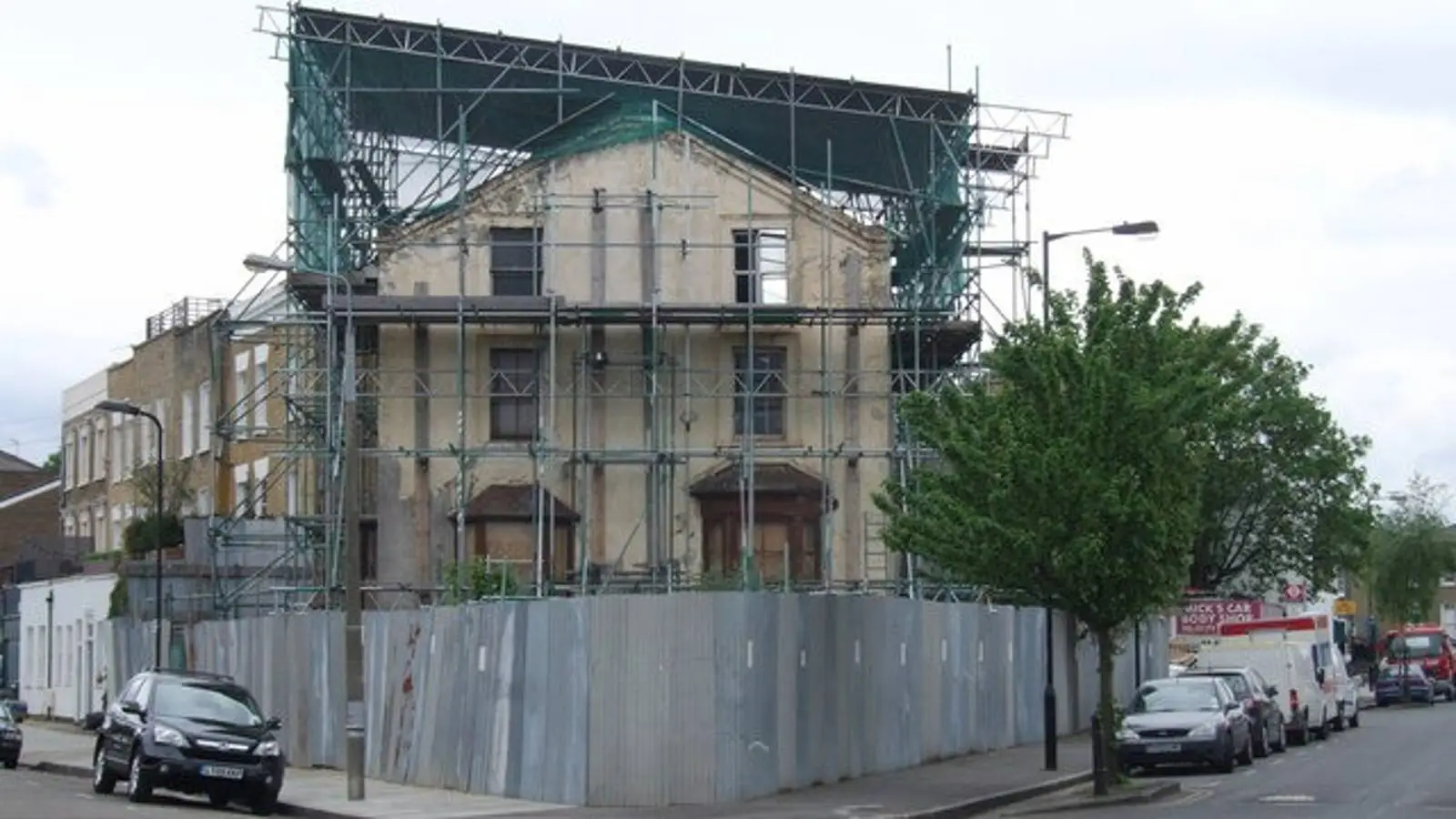
Back in the 1960s, William Little inherited a house on Mortimer Road in Hackney. He set out to dig a wine cellar in the basement. The plan soon slipped its bounds. Instead of a single room beneath the house, a network of tunnels emerged over time—passages, chambers and voids reaching down as far as eight meters.
Little dug by hand for years. He would say he simply enjoyed the work. Underground he kept old cars, a boat, furniture and a jumble of odds and ends. The property became a quiet enigma for those living nearby.
At first, neighbors were merely puzzled. Then a hole opened up in the pavement outside—the road literally gave way. Complaints followed: power cutting out, water supplies faltering, and the ground around the house sinking.
In 2006, local authorities went to court. Little was barred from digging and evicted from the property. Utility crews began to fill the tunnels. They removed 33 tonnes of debris and pumped in a special mixture to stop the house from collapsing. The bill ran to almost £300,000.
In 2008, a court ordered Little to pay damages. He died in 2010 without settling the debt. The house sat empty until artists Sue Webster and Tim Noble bought it for £1.12 million.
They brought in renowned architect David Adjaye to remake the building without erasing its eccentric spirit. The result was a new chapter—Mole House. In 2021, the project even won an architecture prize.
It remains hard to say. For some, Little simply broke the rules and put his neighbors at risk. For others, he was a kind of artist who fashioned his own world and ignored the instructions on the box. Both readings can feel true at once; the story reads like a quiet fable about obsession and the city’s uneasy tolerance for it.
In 2024, the Financial Times wrote that Little was an example of vanishing urban eccentricity—people who may seem odd, yet lend a city its energy and character.
Today, Little’s house has been completely reworked. Yet the story he left behind still captivates. It’s a reminder that even the most ordinary neighborhood can harbor something genuinely astonishing. And that beneath the asphalt, paving and neat facades, another world can lie hidden—carved out by a single person, simply because it fascinated him.