
Discover how Edinburgh’s The Mound became a pioneering heated street in 1959, using sensors and electric cables—and why the bold experiment was abandoned.
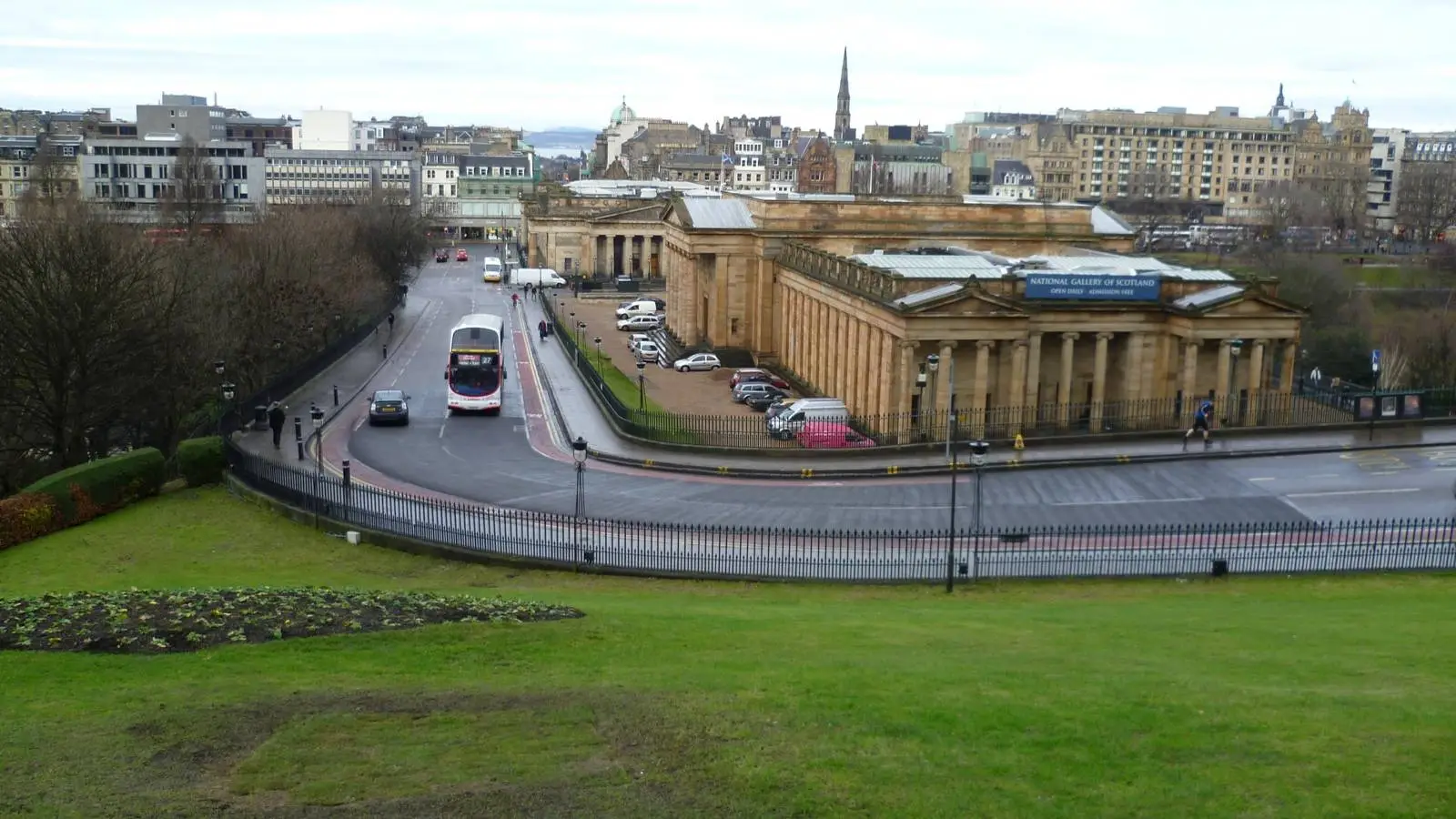
In the heart of Edinburgh, between the Old and New Towns, lies a slope called The Mound. Thousands cross it every day, unaware that an unusual heating system once ran right beneath their feet—an entire heated street. In 1959 the city decided to experiment, laying electric heating under the asphalt. Edinburgh became one of the first cities in Europe to warm a street from below, an idea that still feels audacious.
The Mound is fairly steep, and in winter it turned into a genuine problem. Snow, ice, a slick roadway—hardly convenient and certainly not safe. The solution seemed obvious: make the street warm so the snow simply melted.
That is how a system locals nicknamed an electric blanket appeared. Special cables were laid beneath the surface and switched on automatically when it turned cold and damp. Sensors tracked temperature and moisture, and the street was heated from within.
For the time, quite expensive. Installation cost roughly £4,500—a significant sum in 1959. On top of that came electricity, maintenance, and the staff to run it. In the end, keeping such a street going was not cost-effective.
Despite strong results—the road genuinely did not ice over—the expenses proved too high. It was far cheaper to spread sand and salt, as most cities do. After a few years the system stopped being switched on, and eventually it was simply forgotten.
Today, that electric blanket survives mostly in memory. Still, if you look closely where the asphalt is damaged, you can spot metal mesh and cables—the remnants of a once pioneering project.
Yes. Even if the project did not take root, it showed Edinburgh was willing to try something new. For its day, it was a bold, forward-looking decision, the kind that quietly shapes a city’s character. And who knows—when technology becomes cheaper and more reliable, similar systems may well return to urban streets.
Today The Mound is just a street. People walk it on their way to museums, the university, and shops. Only a few realize that beneath their footsteps once lay one of the city’s most unusual engineering ideas.