
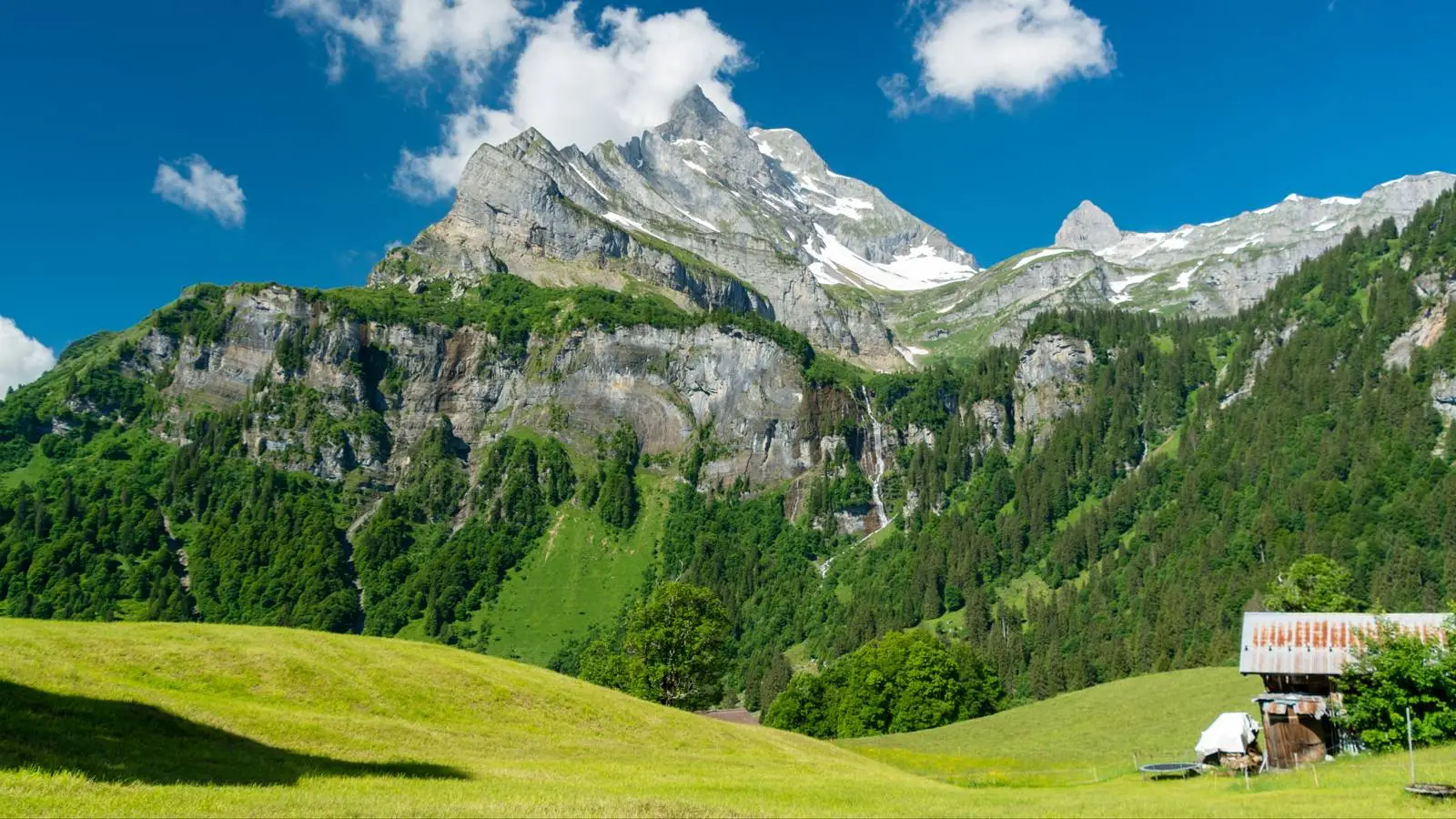
Explore the world’s quietest places, from forests to deserts, learn how noise laws and Quiet Parks International protect silence, plan a quiet travel escape.
In today’s world, silence has become a rarity. We live amid noise—roads, construction, phones, music, advertising. At times it feels as if quiet places have vanished. Yet they are still out there. More than that, in some corners silence is cherished, studied, even protected.
Silence now is more than the absence of sound. It’s a layered story about nature, care, travel, and even the law.
For many, quiet is a way to rest, steady the mind, and reconnect with nature. In parts of Europe, local authorities are expected to identify and preserve areas designated as quiet zones, free from urban noise. It might be a park, a lake shore, or a stretch of forest—the essential thing is calm.
There are also organizations that search for such places worldwide. Quiet Parks International (QPI) works to safeguard silence with a serious toolkit: they measure sound levels, study the environment, and issue formal certifications for quiet. Silence, in other words, is treated as a real asset—on a par with clean water or fresh air.
One of the most famous and unusual quiet places isn’t in a forest or the mountains but inside a building. In Minneapolis, USA, Orfield Laboratories created a room that almost completely absorbs sound. It is so quiet that people begin to hear their own heartbeat and the movement of their joints. Staying inside for long is taxing.
Most havens of quiet, however, lie in nature. For example:
Hoh Forest in the United States is considered one of the quietest natural places on the planet, with a dedicated project underscoring the value of natural silence.
The Sonoran Desert in Mexico bakes by day and settles into near-total quiet at night.
Haleakalā volcano in Hawaii is so serene it can feel as if the world itself slows down.
The underground lake Tak Be Ha is a Mexican cave where sound barely reflects.
These places are not only beautiful; they remind you what true quiet feels like.
Sometimes silence is a matter of tradition as much as nature. Near the Grande Chartreuse monastery in France, driving is avoided so as not to disturb the monks’ peace. It isn’t written into law—it’s an unwritten norm.
In some countries, including India, official quiet zones exist around hospitals, schools, and temples. There, making noise is prohibited by law to avoid disturbing rest or prayer.
More travelers are seeking peace rather than bustling city breaks. There are lists of especially quiet places for those who value seclusion over crowds. Pockets of calm can be found even in big cities—for instance, in parks where noise levels are deliberately managed.
QPI also establishes urban quiet zones, so even a megacity can offer a small island of stillness.
Many countries regulate noise. In Russia, making noise at night and during daytime quiet hours is prohibited, with fines for violations. The idea is simple: give people a chance to sleep and rest.
These rules aren’t about tourism or wilderness, yet they show how silence is becoming a part of daily life that merits protection.
Silence is not just silence. It’s a way to recover. It’s the chance to hear the world—and yourself. Research shows that constant noise affects not only people but animals and nature as a whole. Noise interferes with wildlife—mammals, birds, even fish. That’s why silence matters as much as the air we breathe or the water we drink.