
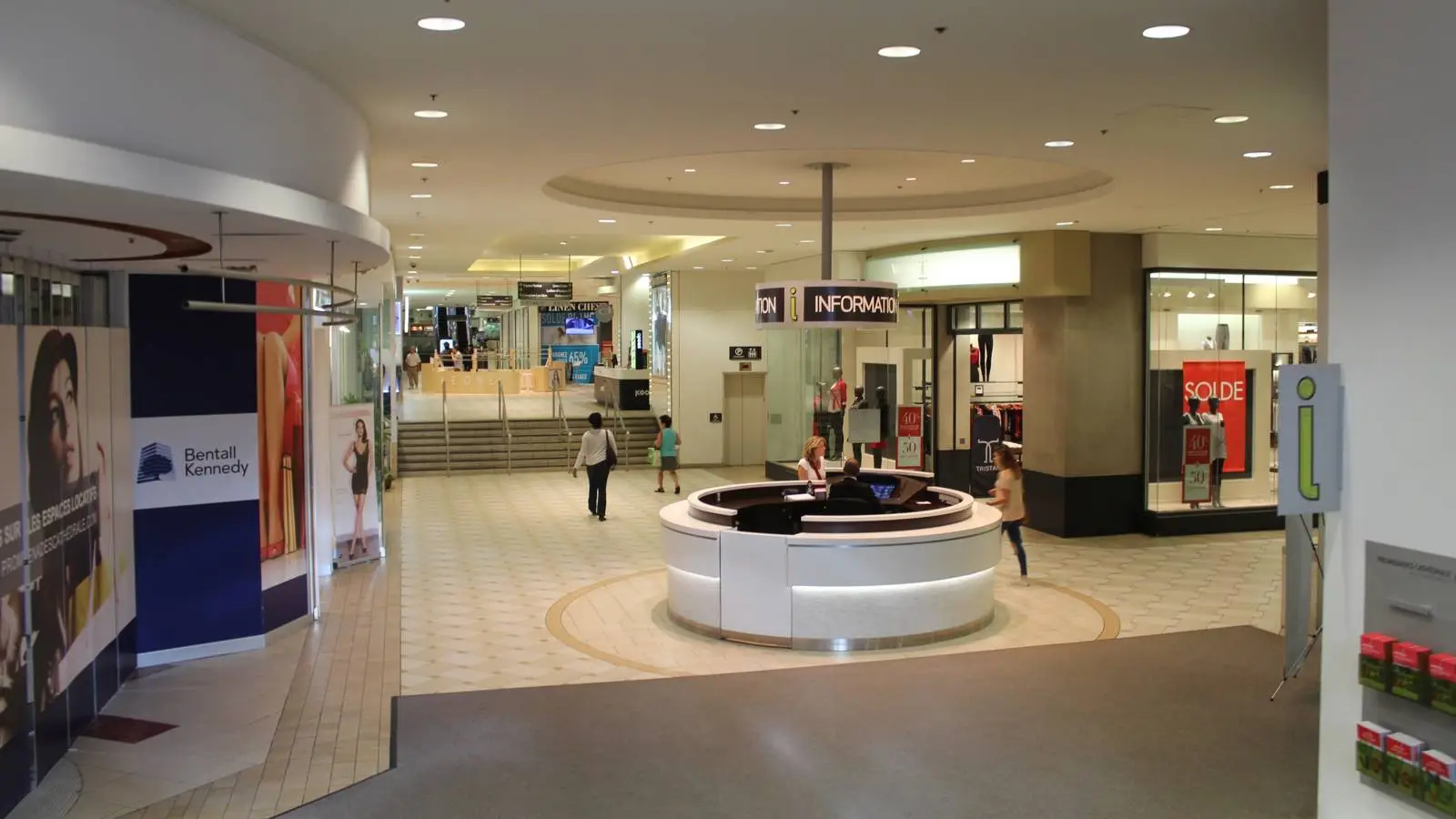
Discover Montreal’s Underground City (RÉSO): entrances, hubs like Complexe Desjardins and Place Ville Marie, metro, maps, and guided tours for winter visits.
Beneath downtown Montreal lies something unusual — an entire city under the streets. You can stroll, shop, linger over coffee, move from building to building, even hop on the metro — all without stepping outside. In winter, when the surface is snow and hard frost, the appeal is obvious.
This web of underground passages is called RÉSO (French for “network”), though visitors usually know it as the Underground City. The nickname fits: life hums here, business runs, crowds flow — all below ground.
The idea took shape in the 1960s. The first connection linked several major buildings: the Place Ville Marie office complex, the Fairmont hotel, and Central Station. The network grew quickly after that — especially ahead of Expo 67, when the city needed more convenient routes.
Since then, RÉSO has become part of Montreal’s everyday rhythm. Up to half a million people use it daily — not only tourists, but locals, students, and office workers.
The Underground City has no single entrance; you can slip in from dozens of places. One of the easiest starting points is Complexe Desjardins, a large building with shops and cafés. Nearby Place des Arts — a hub for culture and music — also plugs into the network.
From there, you can wander through Centre Eaton and Place Montréal Trust — major shopping galleries where it’s tempting to pause for a store or a coffee. The passages knit these spaces together so neatly that you may barely notice when you arrive at Place Ville Marie — the launchpad for the network’s original construction.
You can reach Central Station too, and even pass under the street toward other districts — the system really is extensive.
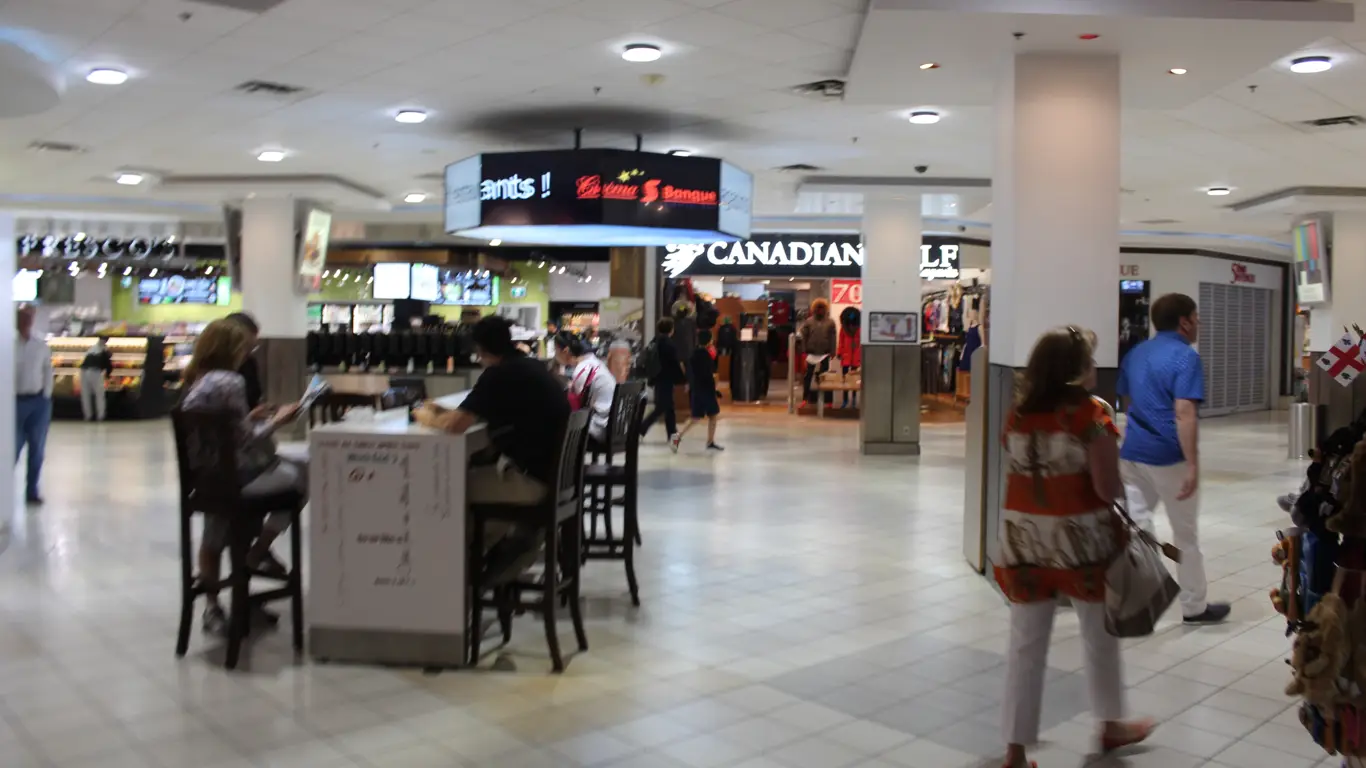
It’s far more than corridors. This is a full-fledged environment of stores, cafés, pharmacies, banks, and exhibitions. The spaces are well lit, warm, and feel safe, and at times it’s easy to forget you’re underground at all. Some passages run right through metro stations, making transfers simple.
Getting your bearings is straightforward: signs and maps are everywhere. And if you’re worried about losing your way, an online map or a mobile app does the trick.
If you want to dig into RÉSO’s history and how it works, a guided tour is an option. For example, MTL Detours runs walks through the Underground City, highlighting notable spots, architecture, and stories — especially helpful for first-time visitors.
Some experts argue that such underground networks point to the future: they shield people from the weather, save energy, and make cities easier to navigate.
Montreal’s Underground City isn’t a novelty to tick off. It’s a living piece of urban life that locals use every day. It’s engaging, practical, and, in its own way, beautiful.
If you’re in Montreal in winter, during a rainy fall, or simply want to see something different, drop into RÉSO. It’s a striking way to view the city from another angle — literally.