
Explore the most vivid January festivals worldwide-from Lyon's lights and Vienna's ball to Quebec's snow fete. Plan your trip to unforgettable celebrations.
January is the moment everything resets. Across the world, people take stock, make wishes, and keep the festivities going. The month brings singular occasions that reveal the culture, history, and character of different peoples. From snowy fairs to blazing parades, January delivers plenty of reasons to celebrate.
This article gathers the most vivid traditional January celebrations—worth witnessing at least once.
Lyon hosts an extraordinary Festival of Light. It began back in the 17th century, when locals placed candles in their windows in thanks to the Virgin Mary. Today the city turns into a vast light exhibition—streets, homes, and bridges gleam with hundreds of installations.
Artists from around the world create inventive light shows. People wander the streets, listen to music, watch performances, and join workshops. It feels less like mere spectacle and more like a celebration with history and heart.
The Vienna Ball is among the most elegant events anywhere. Once a year, the Vienna Opera building becomes a grand ballroom. Young couples in white gowns and tails open the evening with classical dances.
Guests savor music, dinner, and dancing to a live orchestra. The atmosphere is ceremonious yet inviting—a long-standing tradition seen as a symbol of cultured Austria.
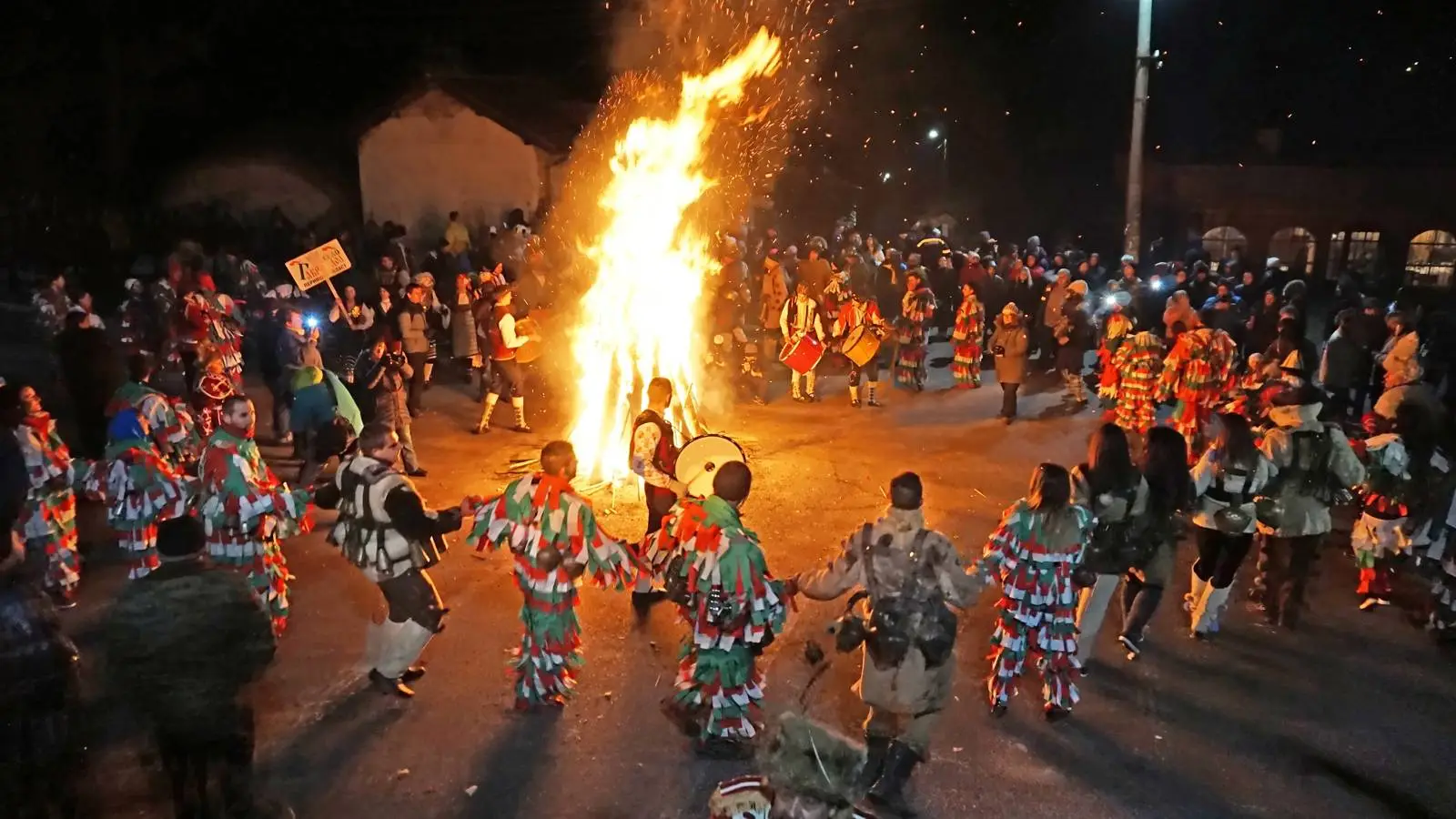
Surva is a winter carnival in the Bulgarian town of Pernik with roots reaching deep into the past. People don wool and leather costumes, put on horned masks, and ring bells to chase away evil spirits and bring good fortune.
The streets fill with dancing, lights, and music. It is striking and unusual. Markets offer traditional foods and souvenirs. Surva is where ancient rituals come back to life.
On January 20, San Sebastián marks La Tamborrada. For a full day, the city becomes a marching tide of drums. People in costume parade through the streets, beating out the rhythms.
The day starts with the flag raised on the main square and ends exactly 24 hours later. Adults and children take part. Food, good cheer, and a sense of shared celebration carry it along.
Quebec’s Snow Festival turns the season itself into a holiday. An ice palace rises, canoe races run along the frozen river, snow-sculpting contests unfold, and parades roll by. The festival’s cheerful mascot is a snowman named Bonhomme.
There is music in the streets, parties, sled rides, and dog-sled outings. It shows how winter can feel joyous—and warm in spirit.
On January 1, California stages the Rose Parade. It began in the 19th century, when people wanted to show how beautiful life is there even in winter. Today the city’s streets fill with floats covered in live flowers.
There are marching bands, riders on horseback, and themed performances. The parade often happens alongside a major football game—the Rose Bowl—bringing together sport, spectacle, and the promise of a new year.
While Europe is in winter, Australia is in full summer. In January, Sydney hosts a large festival of theater, concerts, exhibitions, and street shows. Events unfold across the city—in parks, museums, and along the water.
Special attention goes to the culture of Indigenous peoples. Visitors can watch traditional dances and join workshops. There is local food to try and an easygoing creative energy in the air.
In Russia, January starts with Christmas on the 7th, continues with Svyatki, and concludes with Epiphany on the 19th. These days bring church services, family dinners, caroling, fairs, and fortune-telling.
The central moment of Epiphany is the blessing of water and a dip in an ice hole. People believe it cleanses both soul and body. Hot tea, songs, and winter pastimes are everywhere.
The Snow Village festival in Karelia builds an icy town of figures, sculptures, and snowy labyrinths. Visitors can ride sleds, sculpt, listen to stories, and watch performances.
Music, light, and Karelian culture frame it all. Guests are treated to local dishes: kalitki, fish ukha, and herbal tea. A genuine northern winter celebration.
Although the carnival takes place in February, rehearsals are already underway in January. Streets fill with music and dance, samba schools show their costumes, and people join street parties—blocos.
Clubs host parties, concerts, and workshops on dancing and costume-making. It all builds the feeling that the country’s brightest celebration is drawing near.
In January, Paris holds Fashion Week. Men’s collections and haute couture from renowned houses take the stage, turning the city into the capital of style.
Shows unfold in splendid settings—palaces, museums, galleries—drawing designers, stars, and journalists. What appears here often sets the tone for trends worldwide.
Each of these occasions is more than entertainment; it reflects tradition, memory, and culture. In January, people around the world do more than take a break—they meet, dance, remember, create, and share.
Whether there is snow or summer heat, the feeling is the same: a desire to be together, turn the page, and fill winter with light, sound, and warmth.