
Explore New Year food traditions worldwide: symbolic dishes from Russia to Japan, Italy to Mexico. Discover what these festive foods mean and how to try them.
New Year’s Eve is the moment when the world seems to pause before turning the page. For some it is fireworks and countdowns; for others, a ritual of cleansing and renewal. From snow-dusted Moscow to sun-baked Sydney, one thing remains constant: a festive table where families gather to see off the old year and welcome the new.
On that table, every dish does more than please the palate; it carries cultural codes, symbols and long-kept customs. From lentils in Italy and dumplings in China to tteokguk in Korea and braai in Southern Africa, food becomes a universal language of hope, prosperity and memory.
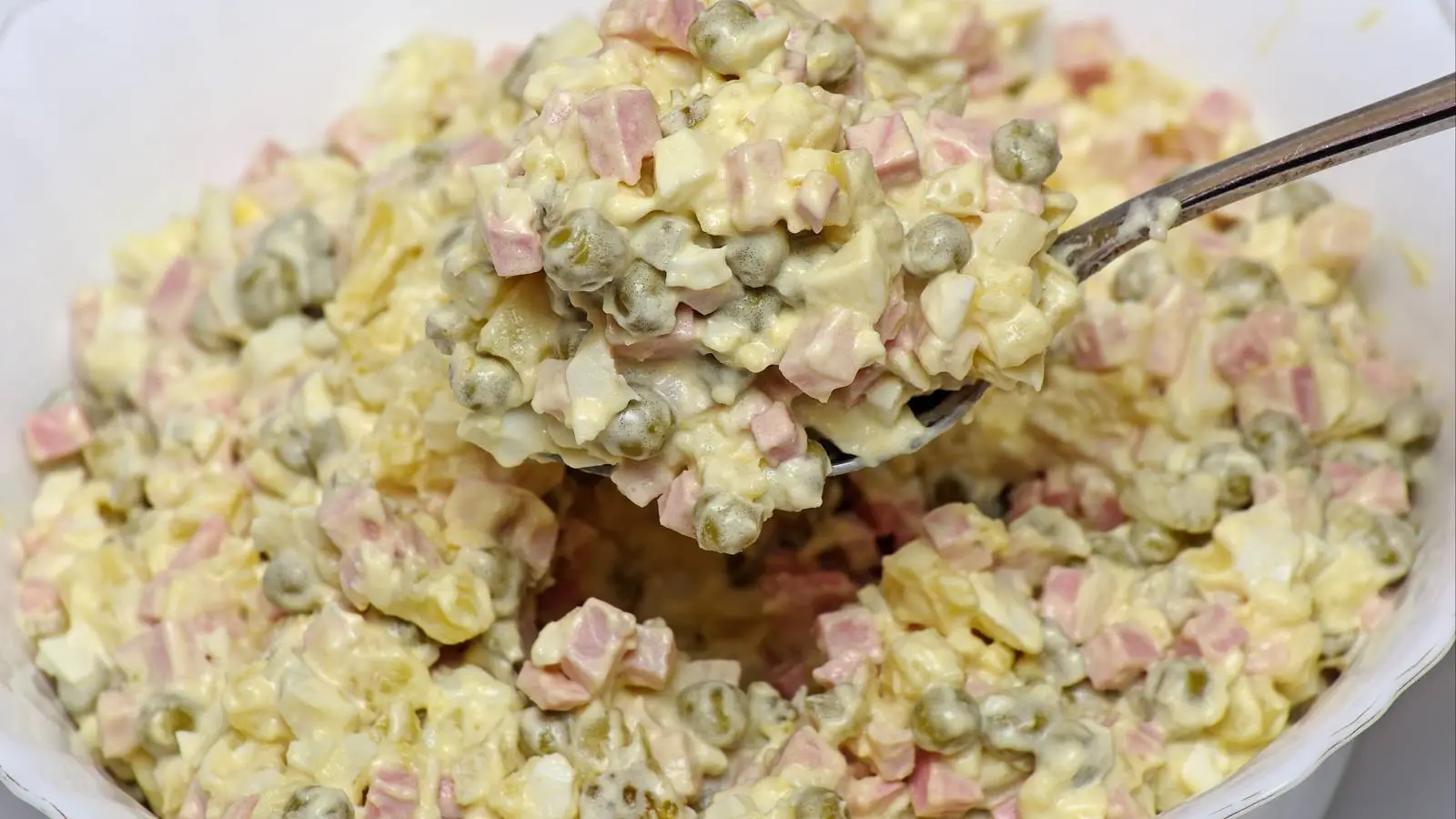
For Russians, no New Year’s spread feels complete without Olivier salad and Herring Under a Fur Coat. These dishes stepped beyond gastronomy long ago, becoming part of family lore and yearly ritual. Once they appear on the table, the celebration is officially underway. Today’s versions often stray from Lucien Olivier’s 19th-century original with hazel grouse and caviar, yet the Soviet interpretation is the one that stuck—and it still signals homey warmth.
Across southern Europe runs a belief: the more lentils you eat on New Year’s night, the richer the year to come. Italians take it to heart; lentils with kyokkyo, zampone or cotechino are mainstays of the feast—edible metaphors for progress and abundance. For dessert, airy panettone often waits in some households until midnight on January 1, a small superstition against letting luck slip away.
In German homes, a pork knuckle may anchor the meal—not just a hearty cut, but a token of luck. There is also an almond bread known as sprengel, baked with raisins and spices, and salted herring traditionally eaten after midnight. Together they sketch a wish list of fortune, health and resilience.
France sees in the New Year with foie gras, oysters and bûche de Noël. Here, food is aesthetics as much as pleasure: a holiday table curated like a small museum of taste, where every detail counts. Seafood hints at renewal, while foie gras and the yule-log cake speak of comfort and well-being.
Chinese New Year is a festival of symbols. Dumplings shaped like gold ingots promise wealth; fish stands for abundance; long noodles suggest longevity. What matters most is cooking and eating together—food used as a way to show care and pass on wishes.
In Japan, the holiday table centers on osechi-ryori—carefully arranged dishes in lacquered boxes, each carrying its own meaning. Mochi and toshikoshi soba complete the picture, conveying hopes for unity, strong ties and a long life. The New Year here feels less like a noisy banquet and more like a respectful conversation with tradition.
Tteokguk—soup with rice cakes—accompanies the New Year for every Korean. With the first spoonful, people are said to grow a year older in symbolic terms. The coin-shaped white cakes stand for purity and prosperity, and the larger point is the ritual of family togetherness.
In the American South, New Year’s Day comes with black-eyed peas, greens and cornbread. The code is simple but eloquent: beans for money, greens for wealth, bread for stability. If there’s a call for something grander, turkey or ham appears as a nod to comfort and prosperity.
In Mexico, the New Year is first about gathering and cooking together. Tamales embody unity, while the ring-shaped Rosca de Reyes—glossed with candied fruit and hiding a tiny figurine—adds a playful tradition: whoever finds it hosts the celebration in February. It is the kind of ritual that refuses to fade from memory.
In Brazil, lentils with rice promise money in the year ahead. As for meat, custom favors pork, since a pig digs forward. The symbolism is clear and potent: what you choose to eat on New Year’s night is thought to set the tone for the path ahead.
Asado—the national ritual of grilling—turns the table into a celebration of summer abundance, from meats to fruit. A cherished custom calls for eating twelve grapes on the stroke of midnight, making a wish with each one. Sweets with dulce de leche round off the meal, a nod to the hope of a sweet life.
A southern-hemisphere New Year in South Africa means braai—meat cooked over open flame among friends. Fresh fruit, salads and light bites underscore the easy harmony with nature. The message carried by the meal is straightforward: being together is what matters most.
Couscous with meat and vegetables sits at the heart of the Moroccan table. Honeyed, nut-studded desserts speak of joy. Much arrives on a single large platter—food as an act of bringing people together. The New Year is less noise than a quiet, flavorful closeness.
High summer sets the tone: a park barbecue, Pavlova crowned with fruit, chilled seafood. New Year’s means the beach, friends and a lighter way of being. The celebration asks for no pomp—just sunshine, freshness and good spirits.
Holiday dishes are more than sustenance; they are a language nations use to speak about hope, faith and love. The New Year brings people together around tables where every ingredient carries a trace of history, culture and a dream of what comes next. Borrow a tradition from somewhere else, and it may just become your own.