Discover why color‑changing chameleon lakes shift hues, where to see them—from Kelimutu to pink lakes—and how climate and algae drive the colors worldwide.
In photos, a lake might glow turquoise, yet in person the water looks almost black. Sometimes it’s the other way around: a calm gray‑green surface suddenly turns vivid emerald. This isn’t Photoshop or a trick of the light. Such lakes do exist, often dubbed chameleon lakes for their shifting hues. They may look otherworldly, but the forces behind them are very real—and scientists are probing them with growing interest.
Color‑changing lakes aren’t confined to far‑flung locales, and they’re not as uncommon as one might think. A recent large study found that of 67,000 lakes worldwide, nearly 60% changed color at least once over recent decades. Only 14% stayed stable.
The reasons go beyond seasonal swings to broader environmental shifts: climate, ecology, human activity. A lake’s color is more than aesthetics—it’s a signal of what’s happening in and around the water.
Algae and microorganisms. In heat, especially in summer, algae can boom. That growth can turn water green, brown, or even red—what’s known as a bloom.
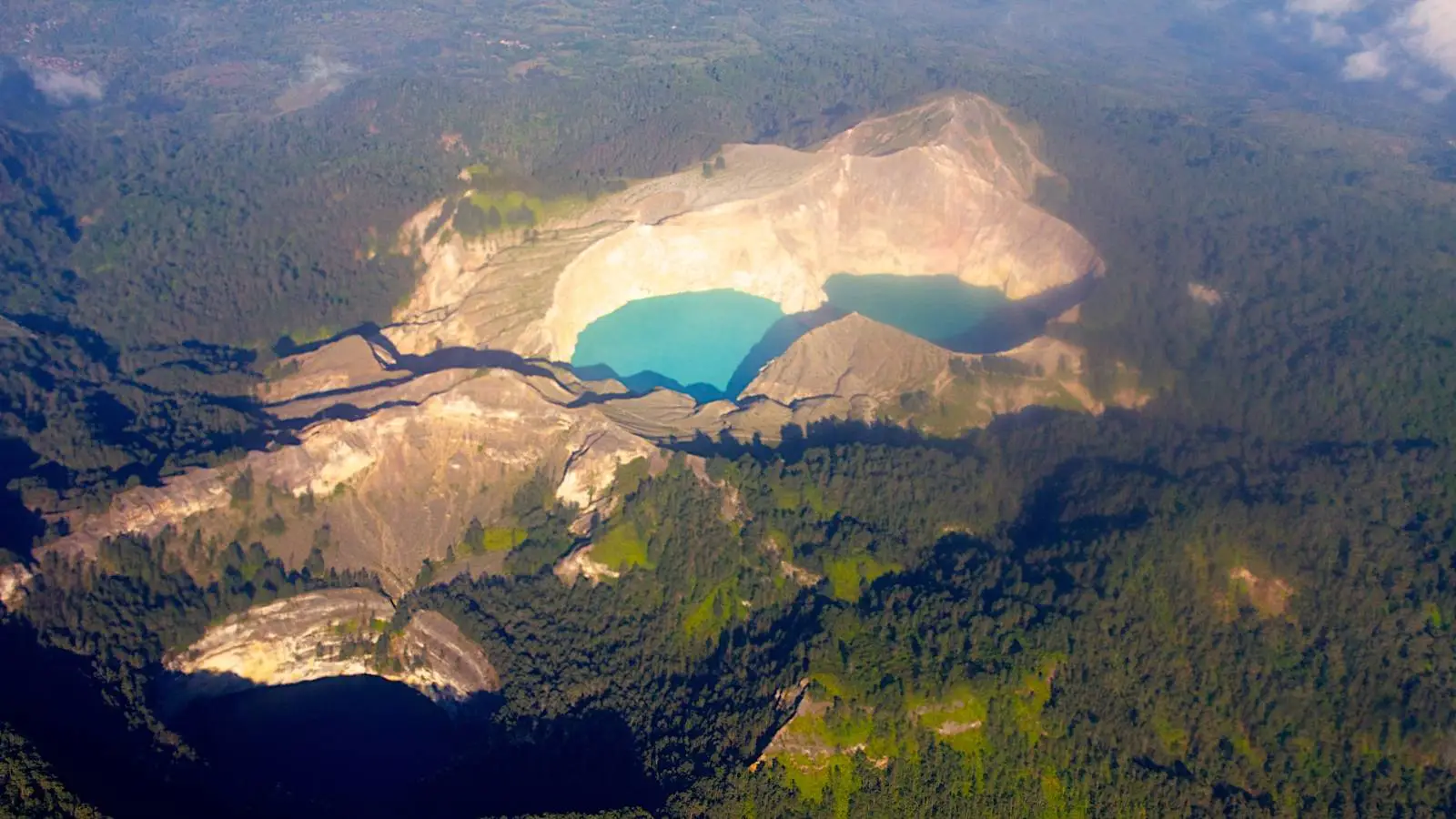
Minerals and volcanoes. Sometimes color shifts come from substances seeping in from the ground, including volcanic craters. On Indonesia’s Kelimutu volcano, three crater lakes can appear blue, red, chocolate, or black—changing shades almost every season.
Weather. Rain, sun, wind, temperature—all shape how water looks. A clear sky can make a lake seem blue; a cloudy day can cast it in gray.
People. Pollution, construction near shorelines, and changing water levels alter clarity, color, and chemistry.
Some lakes shift hues naturally. Others signal trouble. Researchers increasingly note lakes turning turbid, green, or brown due to pollution and a warming climate.
In Australia, a once‑famous Pink Lake no longer looks pink. Salt levels changed and the bacteria that gave it that unusual color disappeared—an outcome linked to human interference. The loss feels like a quiet cautionary tale.
Kelimutu Lakes (Indonesia) sit atop a volcano. They often change color and can look dramatically different from one season to the next.
Pink lakes—for example, Lake Hillier in Australia—owe their color to microbes and salt. Not all of them shift, though; some keep their hue consistently.
Mountain and forest lakes can look sky‑blue in summer and murky green in spring, depending on snowmelt, leaf matter, and water clarity.
Sometimes a change is temporary and harmless. In other cases, it’s a sign that something is off.
As the climate changes, scientists are tracking lakes not just on the ground but from orbit. Satellite imagery helps pinpoint when—and why—the water’s color shifts.
This approach reveals how lakes respond to warming, pollution, and other pressures. Color acts like an indicator, a quiet cue to whether a lake is doing fine or needs protection.
Whether lakes stay colorful is an open question. Some may lose their distinctive tints. Others may shift more often because of heat, floods, or pollution.
What seems evident is that color‑changing lakes are more than a pretty scene. They’re living systems, sensitive to the world around them. And if we want them to keep surprising us with their palette, caring for nature has to move from intent to action.