
Planning Tunisia in December? Learn Sahel coastal weather vs Sahara nights, the Douz Desert Festival, packing tips, and whether winter travel is worth it.
Mention Tunisia in December and a curious picture emerges: Africa suggests heat, yet it’s still winter. And when the word “Sahel” pops up, the imagination summons dunes and caravans. In reality, it plays out differently — and that’s precisely where the surprise lies.
First, a key point: the Sahel in Tunisia isn’t desert at all but the country’s coastal belt, home to resort towns like Sousse, Monastir, and Mahdia. There you’ll find the sea, palms, and the familiar rhythm of a seaside holiday — only without the summer scorch.
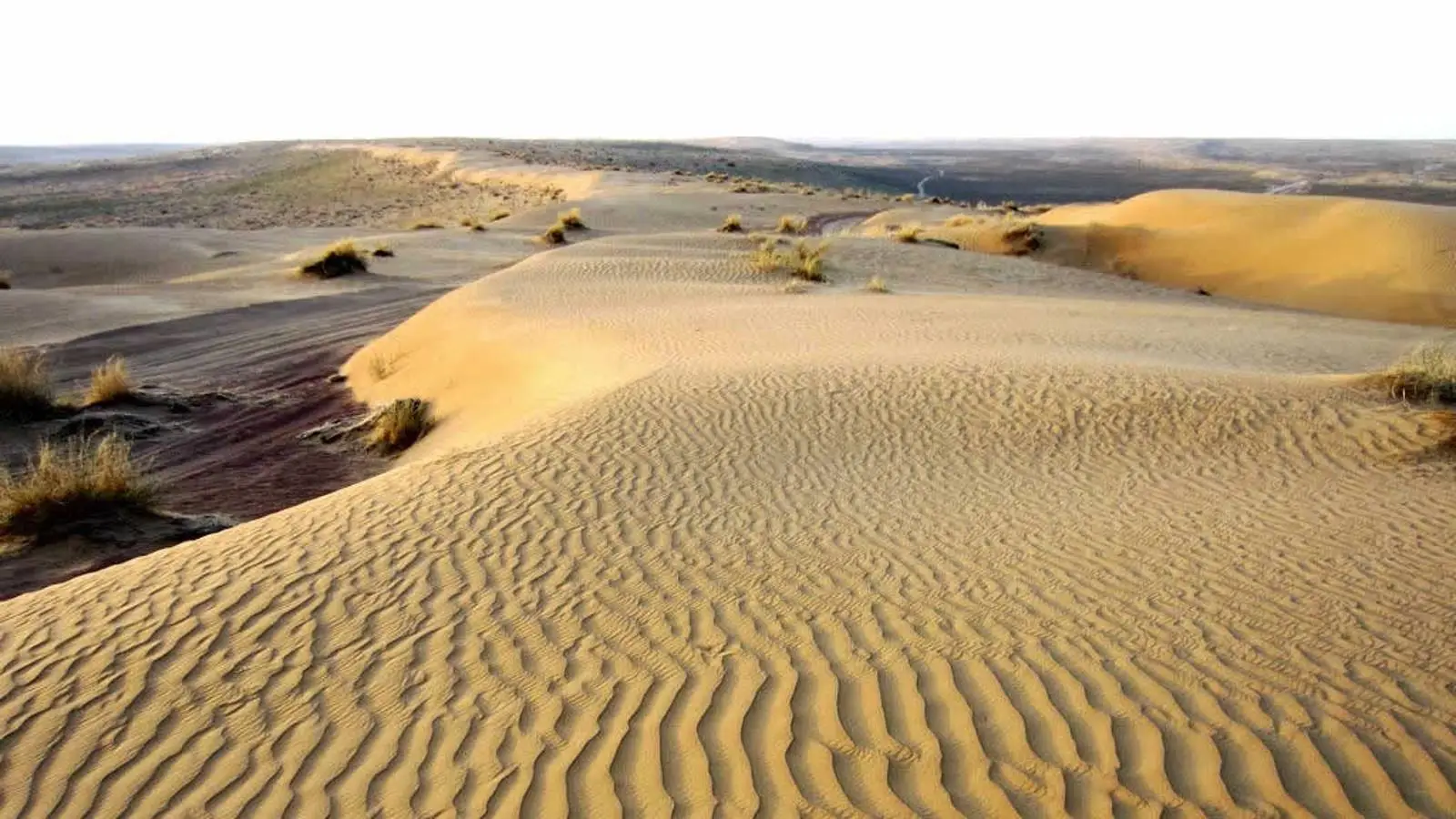
The true Sahara begins much farther south, closer to the borders with Libya and Algeria. So if you’re heading for the Sahel, don’t expect sand seas; think coast rather than dunes.
In the Sahel, December stays fairly mild: daytime temperatures typically run from 12°C to 18°C, with nights around 9–12°C. Brief showers do happen, yet the sun still shows up often. The water’s too chilly for comfortable swimming, but it’s perfect for unhurried walks.
Down in the desert of southern Tunisia, days can also feel pleasant — especially under clear skies. As soon as the sun dips, though, it turns genuinely cold: nights can drop to around 5°C or lower. That swing between day and night is standard fare in desert climates.
You sometimes hear romantic talk of dawn mists drifting over the dunes. It sounds enchanting, but reliable reports of such fogs in Tunisia in December are hard to find. With dry air and low humidity, fog there is more the exception than the rule.
Every year at the end of December, the town of Douz, on the edge of the Sahara, hosts the Desert Festival. It’s a genuine spectacle: camel and horse races, music and dance, traditional dress, and local crafts. Together, these details offer a vivid glimpse of desert life.
If you’re after a quiet winter by the sea, the Sahel fits the bill. It’s calm, the tourist crowds thin out, and accommodation tends to be cheaper than in summer.
If you’re keen to see the desert, December is a sensible choice: it isn’t hot, and traveling is easier. Just be mindful of the nighttime chill — especially if you’re planning to sleep anywhere other than a hotel.
Tunisia in December isn’t sweltering, and it isn’t freezing either. On the coast, winter is gentle; in the desert, days stay mild while nights turn cold. With fewer tourists and a quieter pace, the scenery has a distinct charm. It’s a good time to experience Tunisia without rush or fuss.