
Discover how Slavic folk signs read a blizzard, from birds and wind to lunar clues. Explore weather omens, cultural meaning, and tips for observing nature.
In winter, when a blizzard howls outside and snow flies in every direction, it can feel as if nature is trying to say something. That was the instinct of earlier generations too: they believed a storm could warn about what lay ahead and hint at the weather to come. These folk signs passed down through families are still alive today, especially in villages. So what exactly did a blizzard mean to the Slavs, how were the signs read, and what can a modern reader find in them?
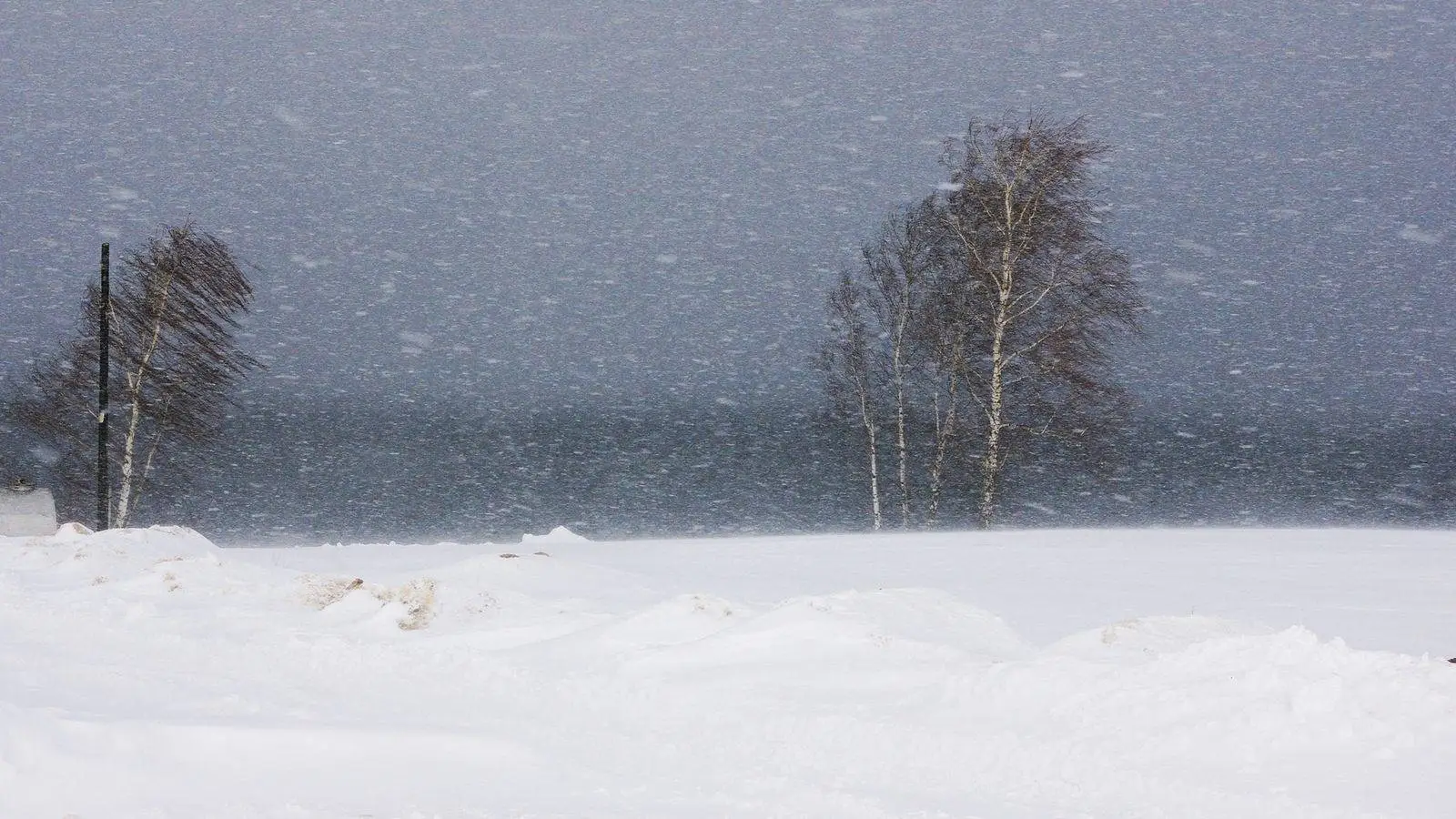
From a scientific point of view, a blizzard is wind driving snow until you can hardly see a thing. But in rural life it was more than wind and flakes — it was a signal about what to expect next. January drew special scrutiny as the coldest and most unpredictable month.
With life slowed by winter, people had more time to watch the natural world. That is how signs emerged — when a storm pointed to frost, when it hinted at a thaw, and when it simply warned that winter would be long.
Without television or radio forecasts, people relied on what they could notice themselves. If birds flew low — snow was coming. If the wind turned sharp and snow lashed your face — frost was near. And if a blizzard rose toward evening — a warm spell was on the way.
There were special days when the storm, as people said, spoke especially clearly. If it swirled on February 2, they expected a snowy Maslenitsa. They watched the moon too: if it stormed at the full moon, spring would arrive late.
It wasn’t about superstition. Weather decided everything — when to sow, when to harvest, when to go fishing. So from childhood, peasants learned to notice small things: how animals behaved, how the wind shifted, how the snow settled. It was their personal forecasting system.
Even now, with phones and week-ahead forecasts, some villages still look to the sky to choose what to wear and whether to brace for a storm. That practiced eye often proves strikingly accurate.
Frequent storms in January signaled a snowy spring. If sparrows huddled tightly by the house during a blizzard, people expected hard frost. Time of day mattered too: a storm by day pointed to change; at night, to steady cold.
The blizzard was not only weather but almost a figure from a story. In tales it became a living presence — a Blizzard Maiden, a white woman whirling across the snow. People believed a storm could even sweep away what was evil, especially during Svyatki and on Epiphany.
If you find yourself in the countryside in winter, try watching how the world behaves. Before snowfall, birds grow restless; ahead of a storm, the sky darkens even in daylight; the way the snow lies changes. These were the clues that formed the signs.
Many winter festivals and outdoor gatherings still share such folk observations. It’s not just engaging — it helps you feel the thread to the past, to a time when people lived to nature’s rhythm without electricity or the internet.
Some signs have clear explanations: animals sense weather shifts earlier than people. Others reflect sharp observation and imagination. Even when a sign doesn’t come true, it still matters as part of culture and history.
A blizzard is more than a snowstorm. It’s a piece of winter’s character, a way nature flags change. Our ancestors learned to read those cues and built their own language with the world.
And when the wind howls outside today, it’s worth pausing to listen — there may be something worth hearing. Even without omens, one thing is clear: paying attention to nature brings us closer to ourselves and to the past we carry.