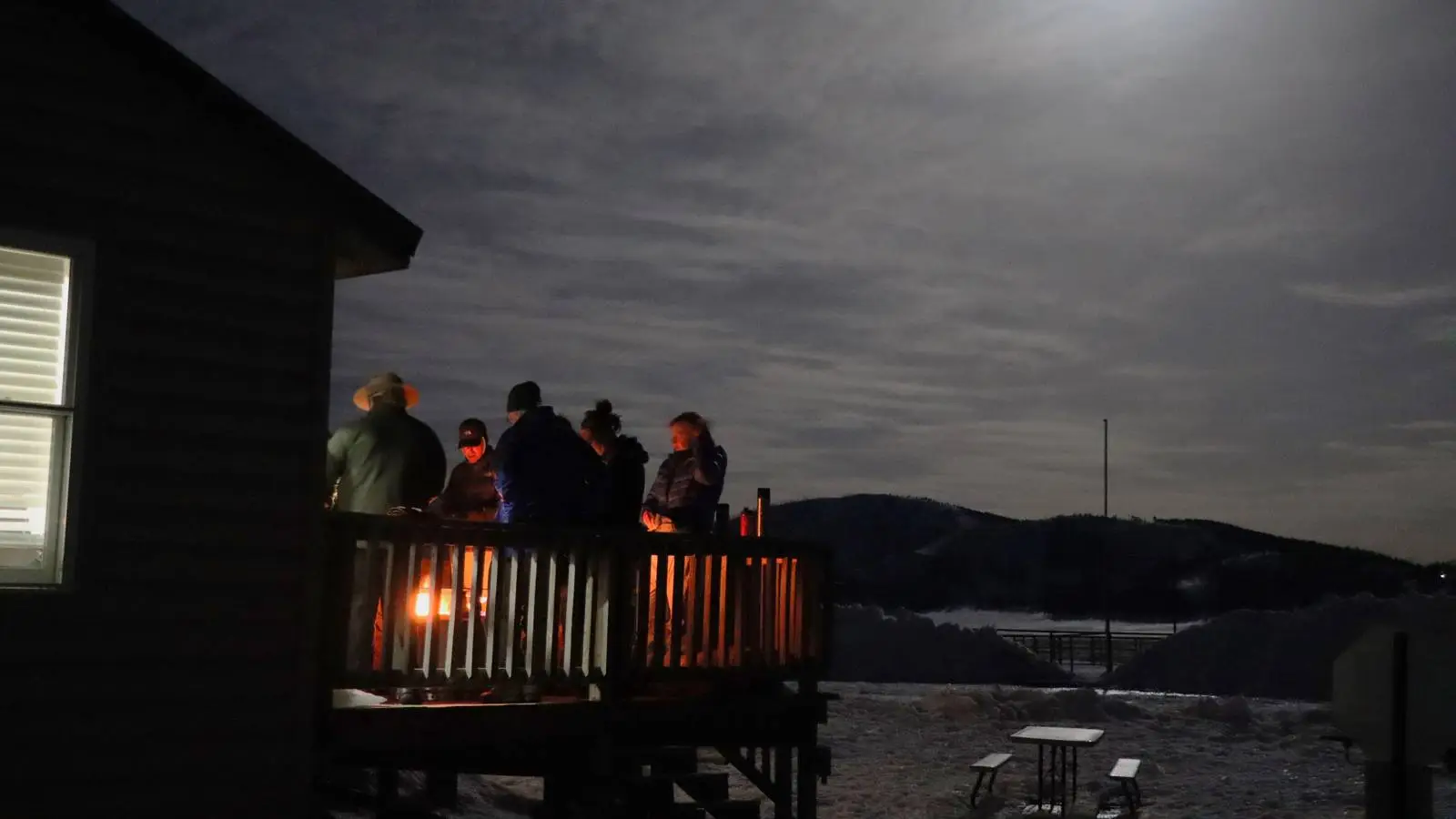
Discover if winter storytelling villages still exist in Scandinavia and Eastern Europe, from Sweden's Sagobygden to museums and festivals keeping tales alive.
Is it possible, in the heart of winter, to find a place where people still sit by the fire and pass along old tales? Such villages do still exist in Scandinavia and Eastern Europe.
The very idea of a village where, on long winter evenings, people gather around a fire to listen to stories sounds like a dream. Especially in countries where winter stretches on and folklore is part of everyday culture. The search focused not on postcard villages for tourists, but on living, breathing traditions.
Yet tracking down such places today is far from simple. Over the past year there have been no reports from Scandinavia or Eastern Europe of genuine winter storytelling evenings outdoors or by a hearth. Not a single example showed up on official websites or in published coverage — a silence that speaks for itself.
Even if dedicated winter story-villages proved elusive, the storytelling tradition itself remains alive. In Sweden, there is a place called Sagobygden — the Land of Stories. It is home to the Museum of Legends (Sagomuseet), which gathers old narratives and helps safeguard the craft of live storytelling.
There is also a storytellers’ festival in the city of Skellefteå, drawing performers from across the country. There may be no bonfires under the open sky, but the essence is there: people who know how to carry a room with a story — without a screen or a microphone.
Eastern Europe is rich in tales and legends as well. For centuries, stories about spirits, house sprites, wonders, and winter rites were handed down. Today, though, they more often surface within holidays and fairs rather than as standalone storytelling evenings. At least in the past year, such gatherings have not been held regularly — especially not in the gather-by-the-fire format.
No. It has simply changed. Stories now live in museums, at festivals, and sometimes in schools. You can hear them in podcasts and at events. What’s missing, for now, is that village setting by the fire.
Interest in folklore, however, has not faded. In Scandinavia in particular, museums and festivals of this kind receive government support. It would not be surprising if such villages reappeared — especially as people look for slower, more heartfelt ways to spend their time.
More and more travelers are weary of noise and mass tourism. They want what feels genuine — live connection, old stories, warmth. That is why the idea of villages where evening storytelling is part of daily life could turn into reality. For now, there are no such places to point to, but the picture can change.
At the moment, frozen tales by the fire remain a beautiful dream. Still, interest in these traditions is growing. And perhaps soon such places will emerge where winter is long and stories are still loved.