
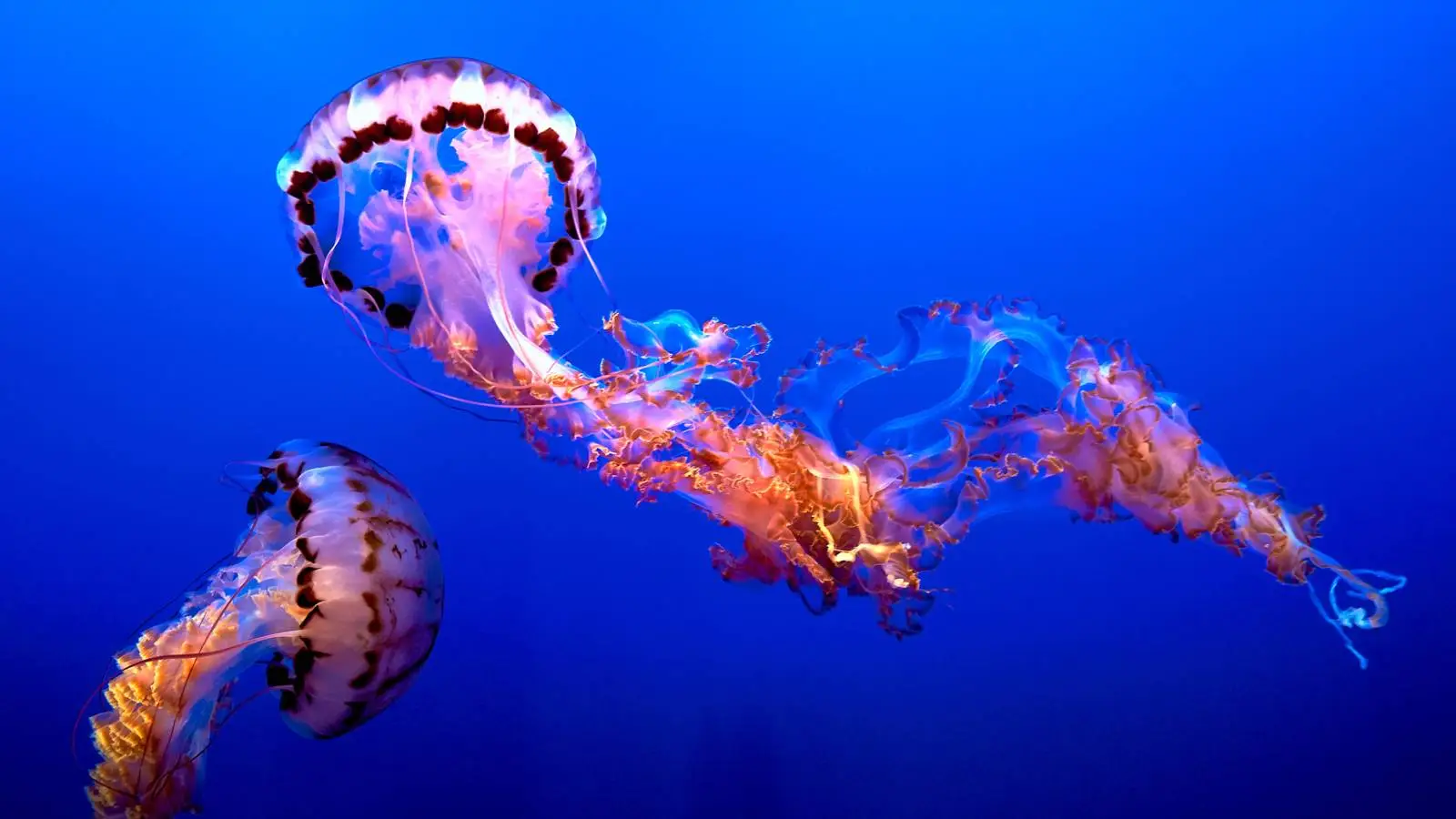
Learn how to avoid jellyfish, sharks, fire corals and other marine hazards in warm seas. Tips and real cases from Thailand, Egypt and Crimea for safer swims.
Swimming in warm seas seems safe and carefree. Yet in recent years, travelers are more often crossing paths with dangerous residents that can turn a holiday into a real ordeal.
In Thailand, an eight-year-old boy suffered serious burns after a sting from a venomous jellyfish — the Portuguese man-of-war. He was in severe pain and underwent treatment for several months. Environmentalists warn that these creatures can appear without warning and advise staying out of the water if they are spotted near the shore.
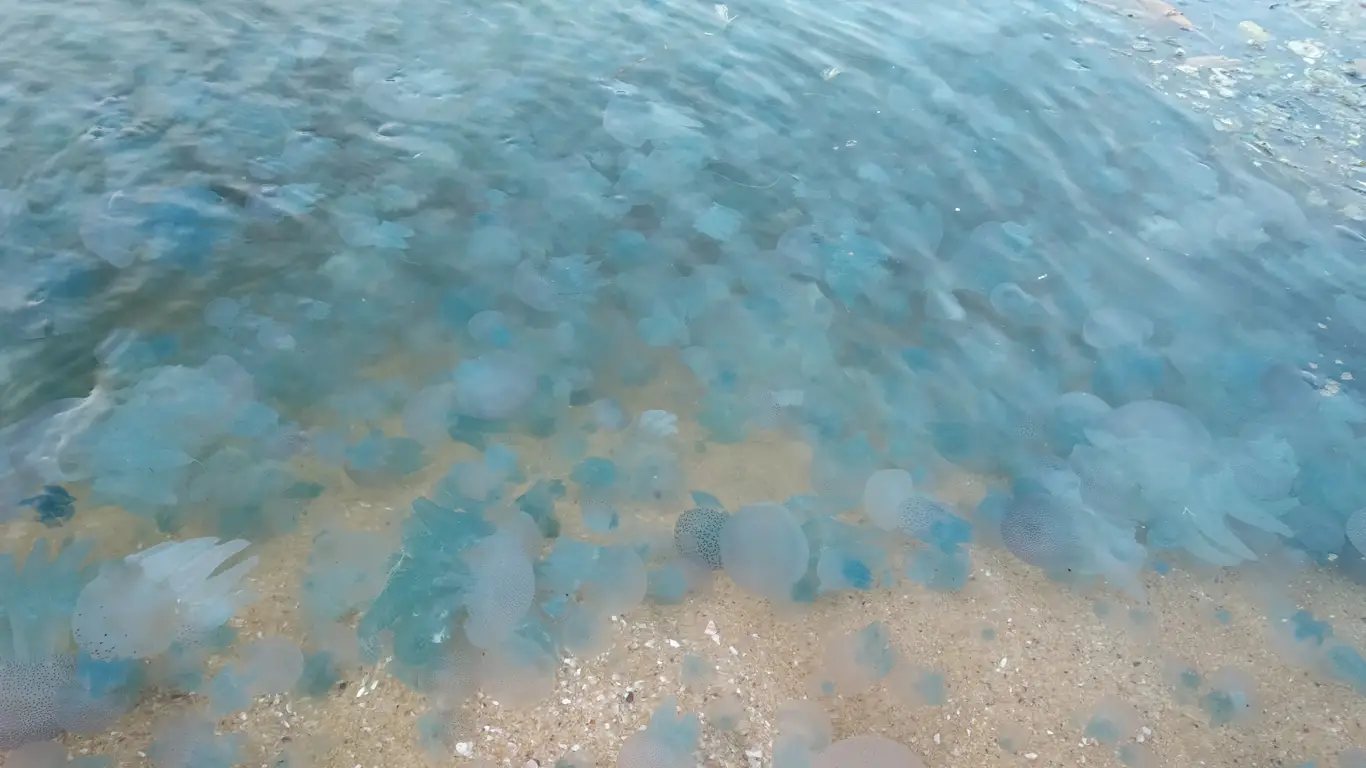
Similar trouble happens closer to Russia as well. In Crimea, vacationers were recently cleared from beaches — the sea was literally choked with jellyfish, with a nearshore layer almost a meter thick.
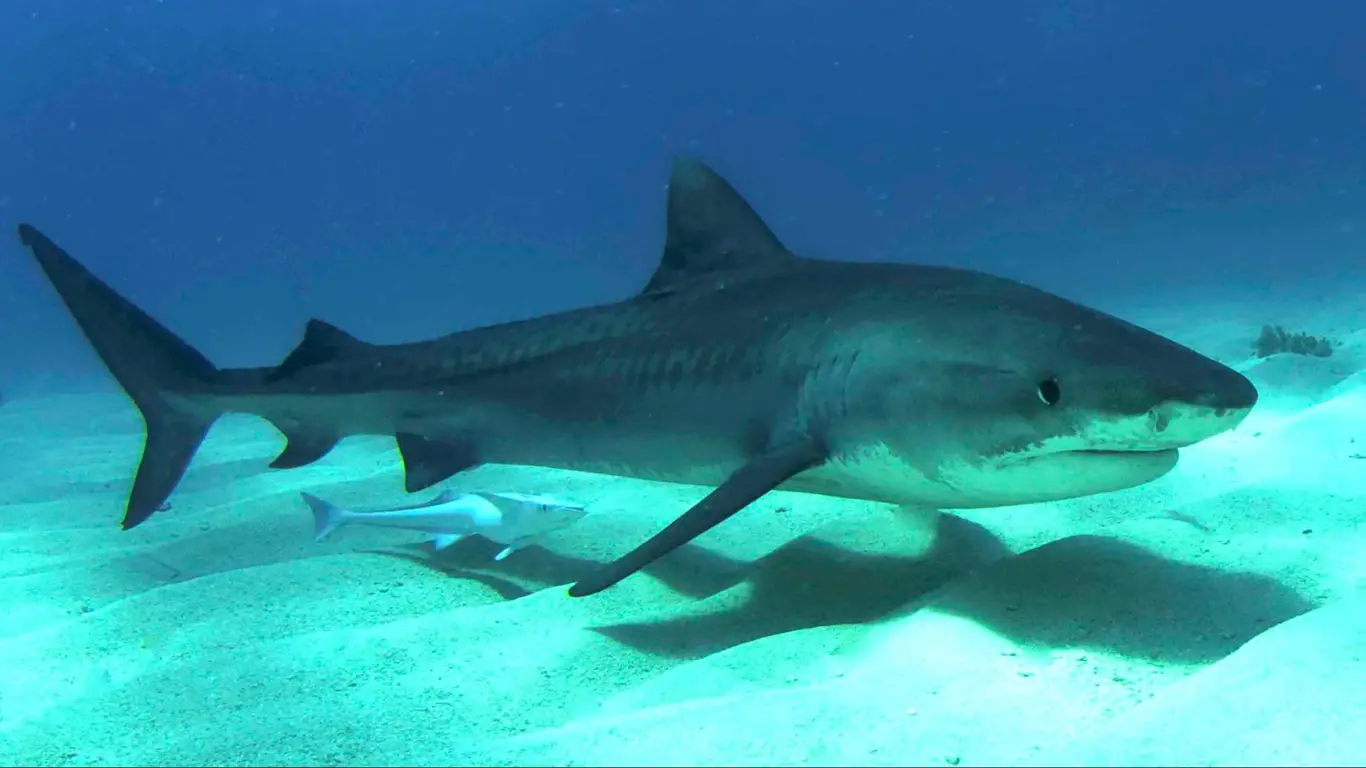
On Egypt’s resorts, tourists should be cautious, too. In Hurghada, authorities recently closed beaches for a time to prevent trouble. There were no attacks, but specialists remind travelers that the Red Sea is home to dangerous species such as tiger and bull sharks.
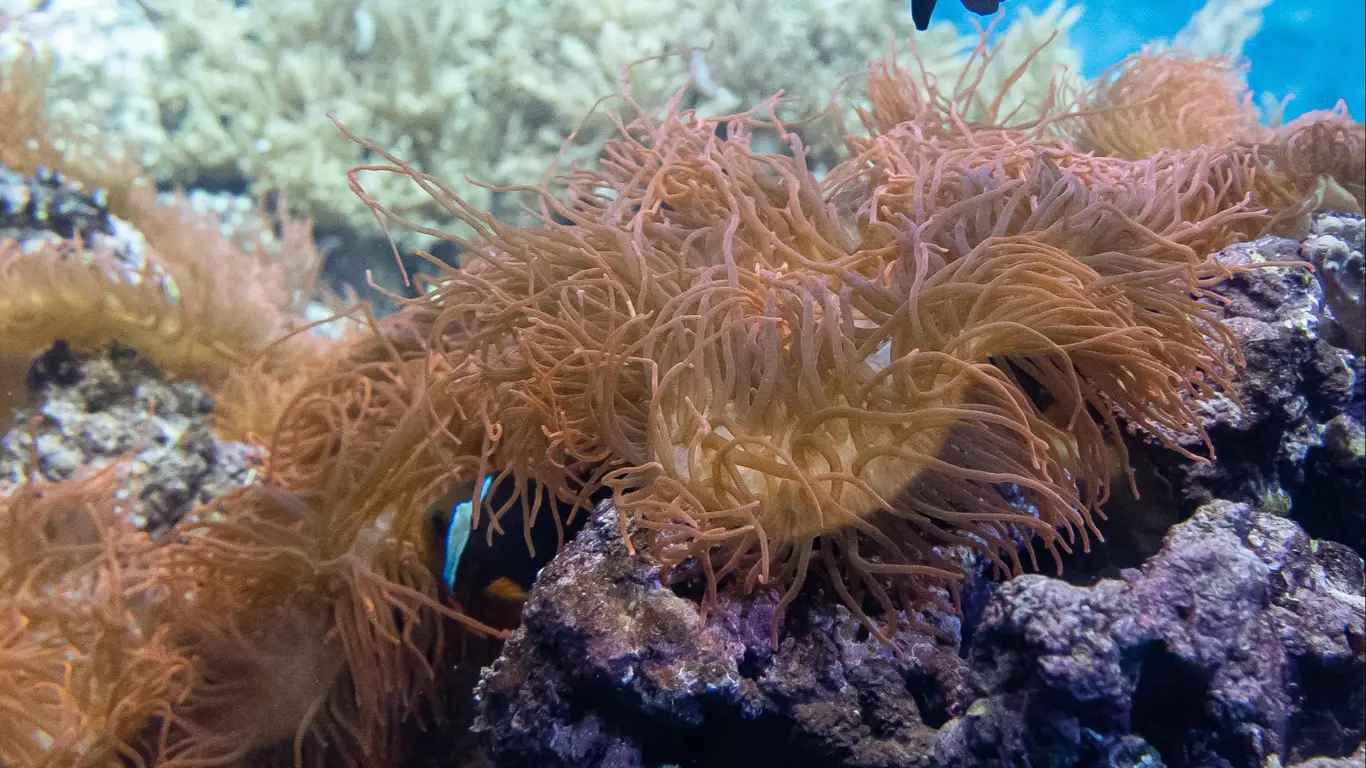
Warm seas are rich in corals and sea anemones that look inviting yet can deliver a nasty burn. Their venomous cells cause burning, pain, and itching. The most dangerous among them are the so‑called fire corals, whose sting can be fatal. They are found in the Red and Caribbean seas.
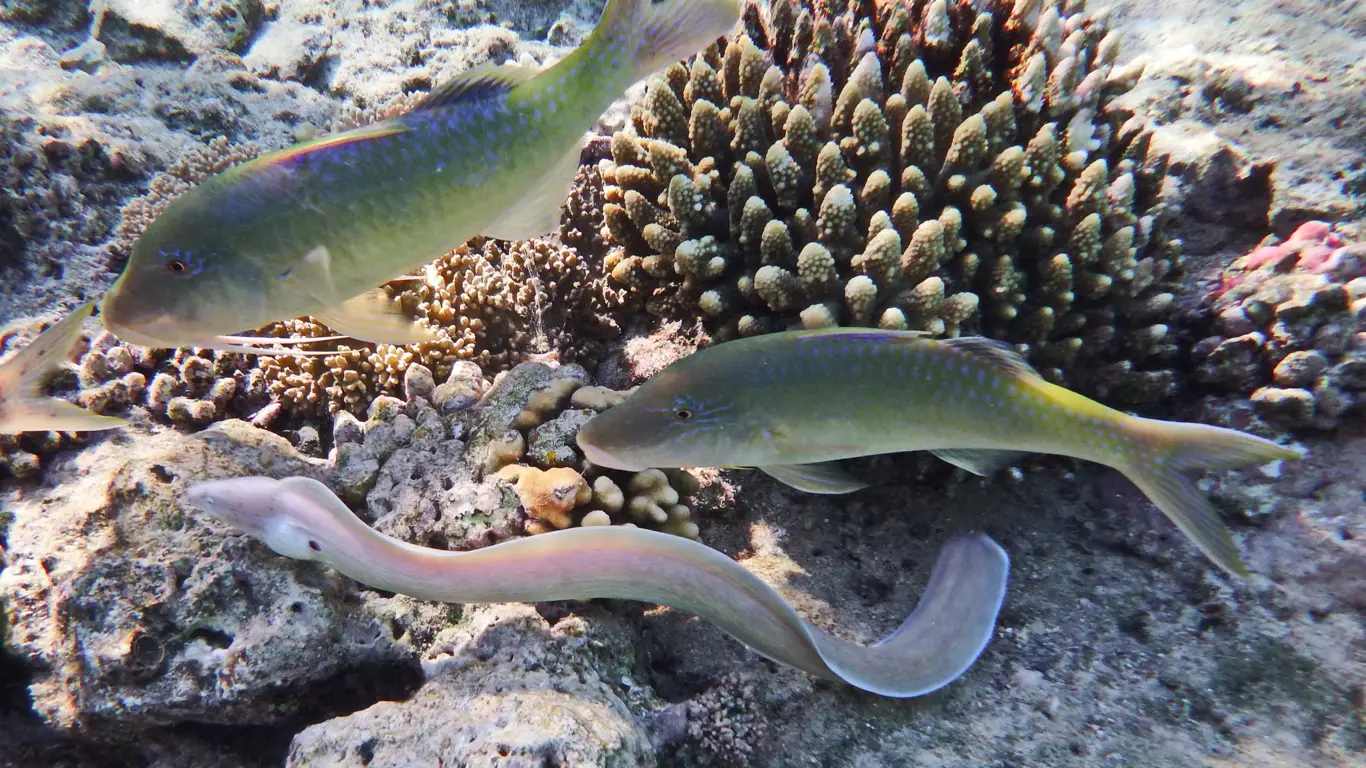
Beyond jellyfish and corals, danger can come from moray eels, sea snakes, octopuses, and even sea urchins. Rays are risky as well: their tails can strike with a venomous barb, and electric rays can deliver a shock. The well‑known naturalist Steve Irwin died after an encounter with a stingray.
Specialists advise treating all unfamiliar marine animals with caution. Even if they are not venomous, a bite or burn can lead to infection — better to skip a dip than gamble with an invisible hazard.
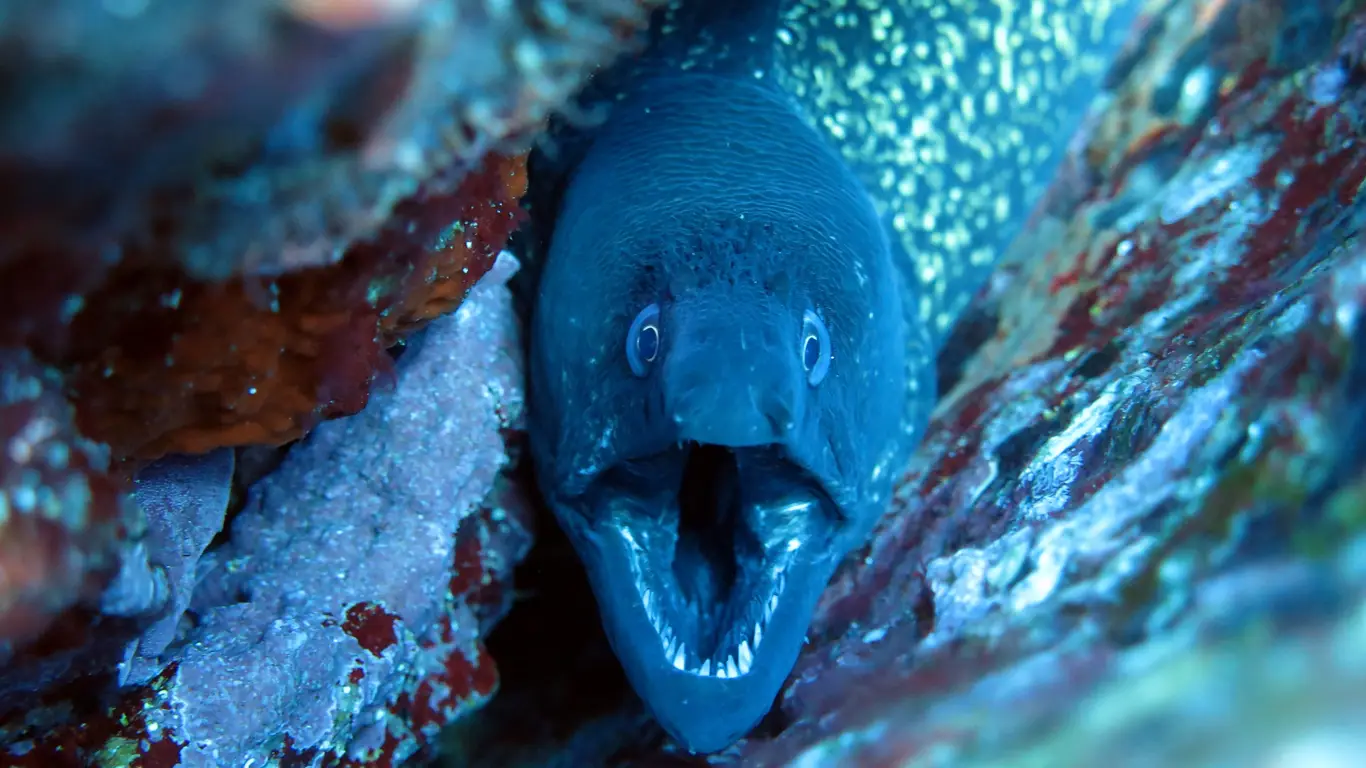
The sea is not only leisure and beauty but also concealed risk. To keep a holiday trouble‑free, stick to simple rules: don’t swim during jellyfish blooms, avoid touching unfamiliar marine life, and pay close attention to lifeguard warnings.