
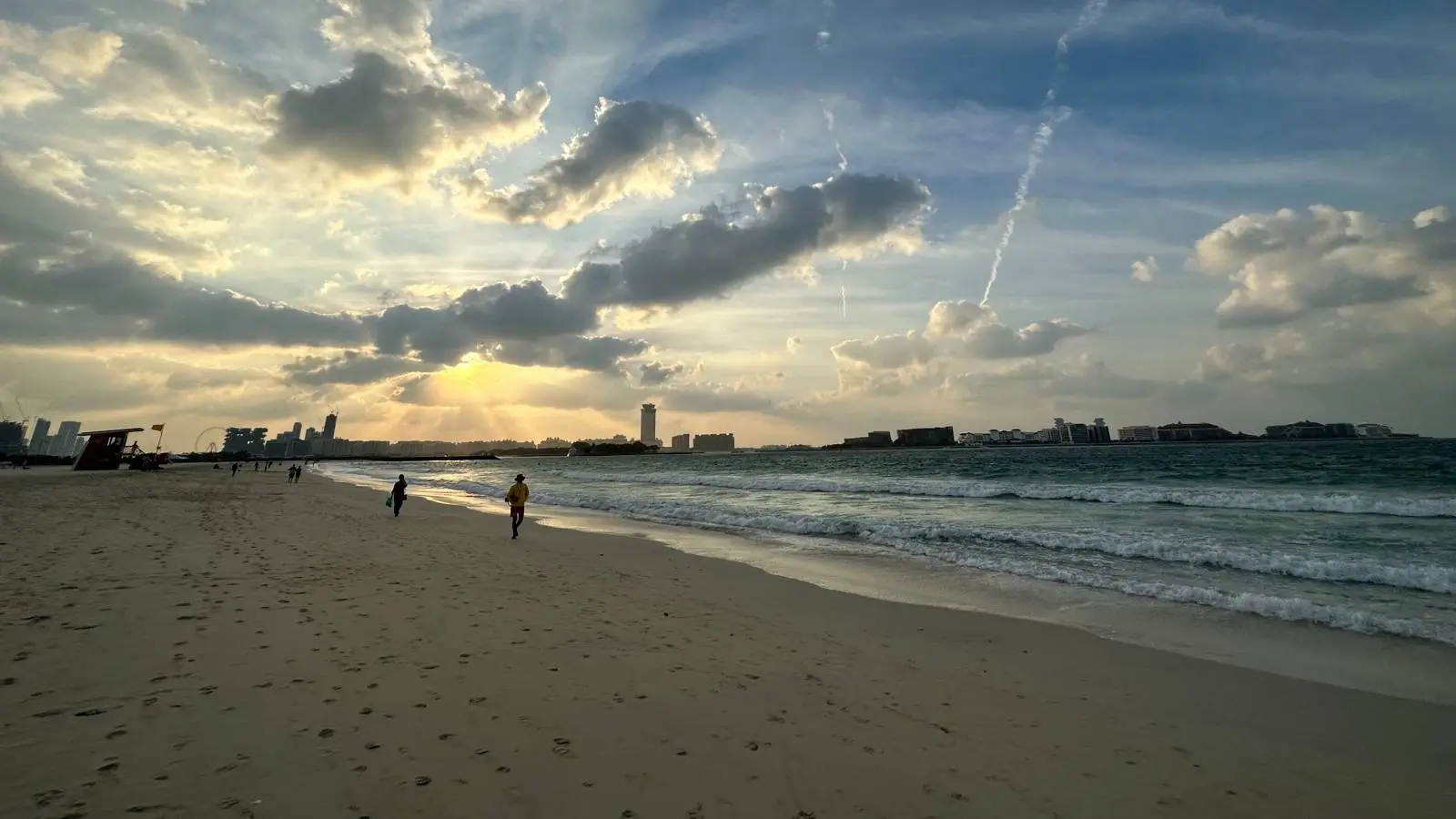
Explore Ruwais, UAE - an industrial city with a little-known beach. What's open, who uses it, and is swimming safe? We outline missing data and what to check.
Ruwais is a small city in the United Arab Emirates on the Persian Gulf. It is known less for tourism and more as one of the country’s heavyweight industrial hubs, home to a massive oil refinery and other gas and chemical facilities.
Still, there’s an unexpected detail: in this largely industrial city you also find residential neighborhoods, schools, shops—and even a beach that is described as a place to relax, sunbathe and swim.
What is now Ruwais was once desert. In the 1970s, the authorities decided to build an industrial complex here. By 1982 the project was complete, and since then the city has been a key center for oil processing.
Over time, housing for employees and their families went up alongside the plants. The city now has a hospital, schools, supermarkets, recreation areas and even a beach club. In other words, it functions not just as a workplace but as a full-fledged place to live, study and spend free time.
Several directories and city-focused sites note that Ruwais has a beach suitable for sunbathing and swimming. They also mention a beach club—an area set up specifically for local residents.
However, recent photos, up-to-date reviews or social media mentions could not be found. Over the past year there have been no reports that people regularly swim there or gather on the shore.
There is also no data on water quality, safety or environmental conditions. The beach sits next to a substantial industrial zone tied to oil refining, which naturally raises questions about how clean the water is and whether swimming there is risk-free.
The story of Ruwais is not just about oil. It shows how a city with housing, schools and leisure spaces can take shape in the desert right next to heavy industry. The mere existence of a beach here is striking—a rare instance of an industrial center trying to be genuinely livable.
Yet without solid data it is impossible to judge the safety of such leisure. It could be a promising example of industry and the environment coexisting, or a reminder to look more closely at everyday life in places that don’t fit the usual mold.
To understand the situation on the ground, the following would be useful:
For now, one thing is clear: in a city dominated by large industrial plants, there is indeed a beach. The open question is whether people actually use it—and whether relaxing there is truly safe.