
We investigate the claim of poetry sold by weight in Tehran's bazaars. Explore the city's book culture, from Book Garden to the Grand Bazaar, and what is real.
There’s a striking story that keeps popping up online: somewhere in Tehran, at a market, someone supposedly sells poems—not books, but poems themselves—by weight. You turn up at the bazaar and get a little bag of verse weighed out like fruit or spices. It’s a beautiful image, almost out of a fable. The question is simple: is it real or just a clever invention?
First, a word about Tehran. It’s a vast, bustling capital with millions of residents. Literature is held in high regard here, especially poetry. In Iran, poets are treated almost like rock stars, only with a pen instead of a guitar. People read poems, debate them, and many write their own.
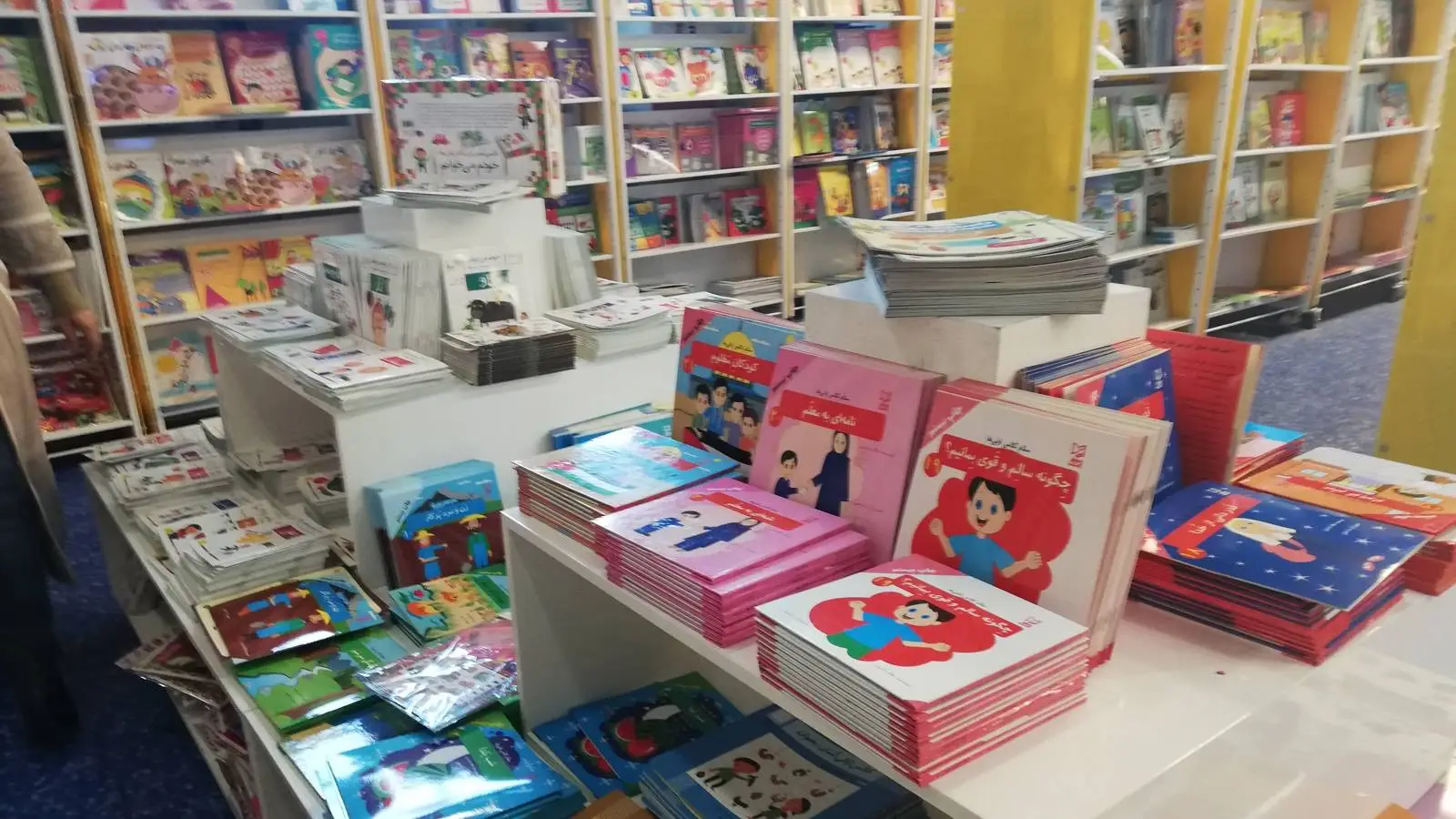
The city’s most famous book hub is Tehran Book Garden. It’s not just a bookstore but a full cultural complex: thousands of titles on sale, exhibitions, festivals. It’s modern, well-run, and welcoming. Still, no one sells poetry there “by the kilo”—it’s a regular book center, like any major literary venue.
Tehran has countless bazaars, and the best known is the Grand Bazaar, a vast covered market where you can find nearly everything: spices, carpets, jewelry, tableware. There are other spots too, like Tajrish Bazaar, smaller and calmer.
Yet browse through contemporary guides, articles, or local sites—you won’t find mentions of poetry sold as a standalone commodity, let alone by weight.
Yes, on some markets you may stumble upon old books or even manuscripts. But that’s more about antique shops than scooping up poetry from sacks.
Some websites, mostly in Russian, talk about “poetry markets” where verses are traded for a bottle of water or sold by the gram. Look closer, though, and it’s clear: these are metaphors, poetic flights of fancy rather than directions to a real place in Tehran. No news story, feature, or culture blog about the city confirms the existence of such a market. The tale endures because it’s irresistible—but the evidence just isn’t there, and that silence says a lot.
In theory, a place like that could exist in the form of an informal gathering or a private club. Iran does have circles where poetry lovers read to one another, discuss, and swap books. Perhaps, in some narrow alley, you might encounter an old man with a bundle of verses. But so far, there’s nothing to show it’s more than a graceful legend.
One explanation points to an old practice: paper—sometimes including old manuscripts—was sold for scrap in Iran, literally by the kilogram. It’s easy to imagine forgotten poems turning up in those piles. From there, the notion of “poetry by weight” could have taken shape, transforming from a mundane trade in paper into a memorable story about buying verse like any other good.