
Discover the secret world beneath cities: hidden subway tunnels, ghost stations in Paris, London, and Cincinnati, why they were abandoned, and if you can visit.
In many cities around the world, just beneath the busy streets, lie hidden tunnels, stations, and entire stretches of subway where ordinary people never set foot. Some have long been shut, others never opened at all. They’re wrapped in secrecy, usually far from tourist routes—yet the fascination is unmistakable.
When people talk about underground worlds, they often imagine sprawling cities below the surface. The reality is simpler—and, in a way, more compelling. These are old, unfinished, or decommissioned sections of subway, deserted tunnels, former catacombs, and even quarries. Most have been out of use for years, and official information is sparse. A comprehensive, up-to-date map from the past year doesn’t appear to exist.
Still, a few things are known.
The Paris Metro hides several ghost stations. Porte Molitor and Haxo, for instance, were built but never opened to passengers. The first was tied to a technical depot, while the second was intended to connect two lines but never did. Tourists don’t get in, and such stations are typically absent from system maps.
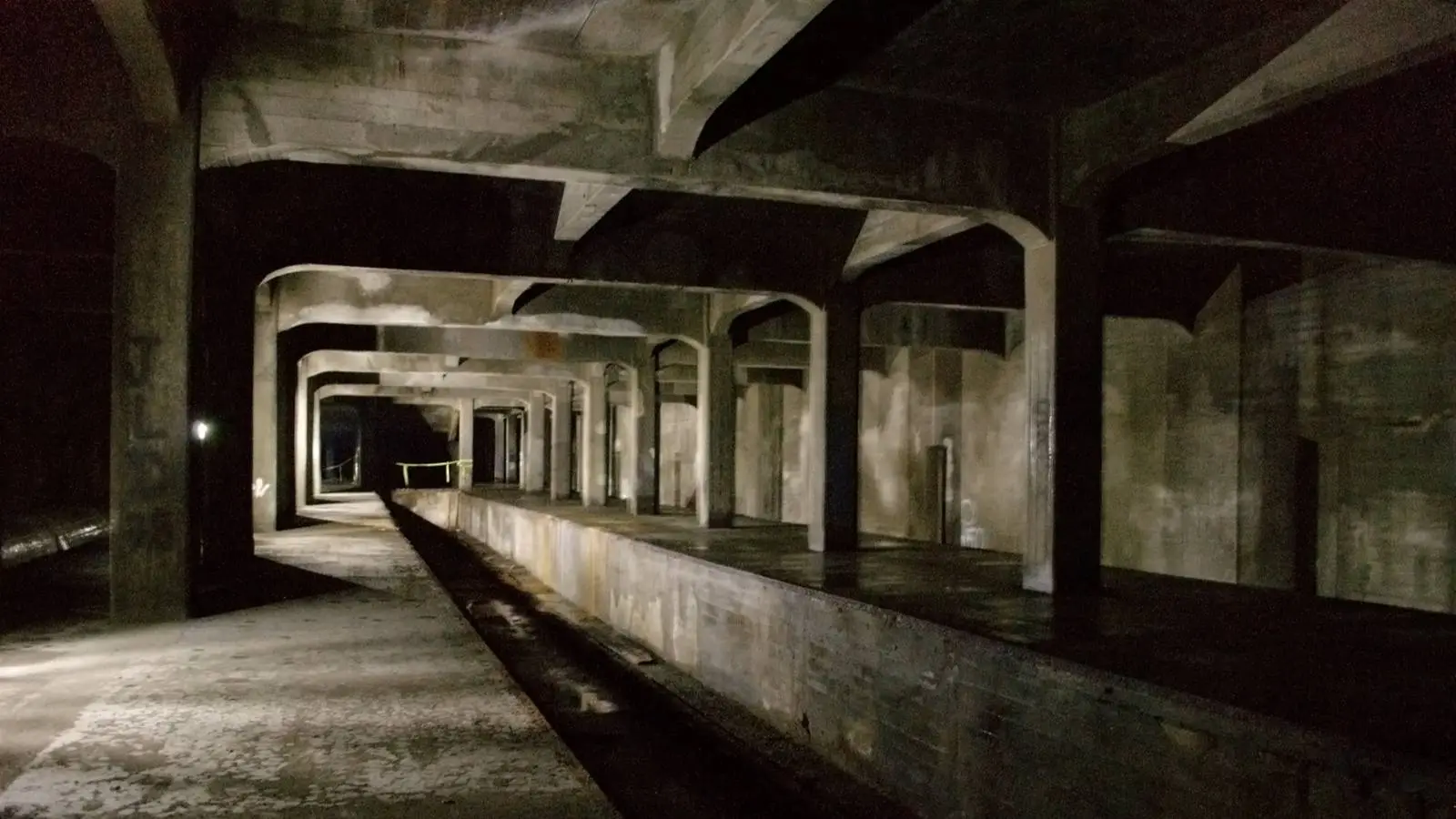
In the 1920s, Cincinnati began building a subway. The project was ambitious, but funding fell short and the effort stalled. Tunnels and stations remain underground—fully constructed, yet never hosting a single train. Today, access is largely restricted, with only occasional tours.
Beneath London lie more than ordinary Tube lines. There are old stations, sealed passageways, and tunnels long out of service. Some have been repurposed as storage or filming locations. Most, however, remain off-limits.
The reasons differ. In some places, money ran out—as in Cincinnati. Elsewhere, plans changed, like in Paris. In many cases, using these spaces became too risky or impractical. Paperwork has been lost, access is complicated, and restoring them would take serious investment.
Despite the closures, there’s a persistent lure to these underworlds. Urban explorers search out entries to derelict tunnels and share their finds online. These excursions are almost always unauthorized and dangerous, yet the interest keeps growing. Articles and blogs follow these urban caves, but official data is rare—what surfaces tends to be eyewitness accounts, photos, and conjecture.
Most of these sites will likely remain closed. Many are too old, damaged, or simply unsafe. Occasionally, an old station is used for exhibitions or other cultural projects—as in London—but that’s the exception rather than the rule.
Even so, these places continue to spark the imagination. They remind us how much can lie just beneath familiar streets. Each hidden site is not only a fragment of history but also a glimpse of how our cities evolve.
It’s worth remembering that so-called abandoned subways aren’t a tale of vast cities underground. They are real, but scattered cases—each with its own story. Many details remain unknown, and myths still cling to some of these locations. Sweeping claims about a secret web of tunnels beneath every city are best left to fiction.