
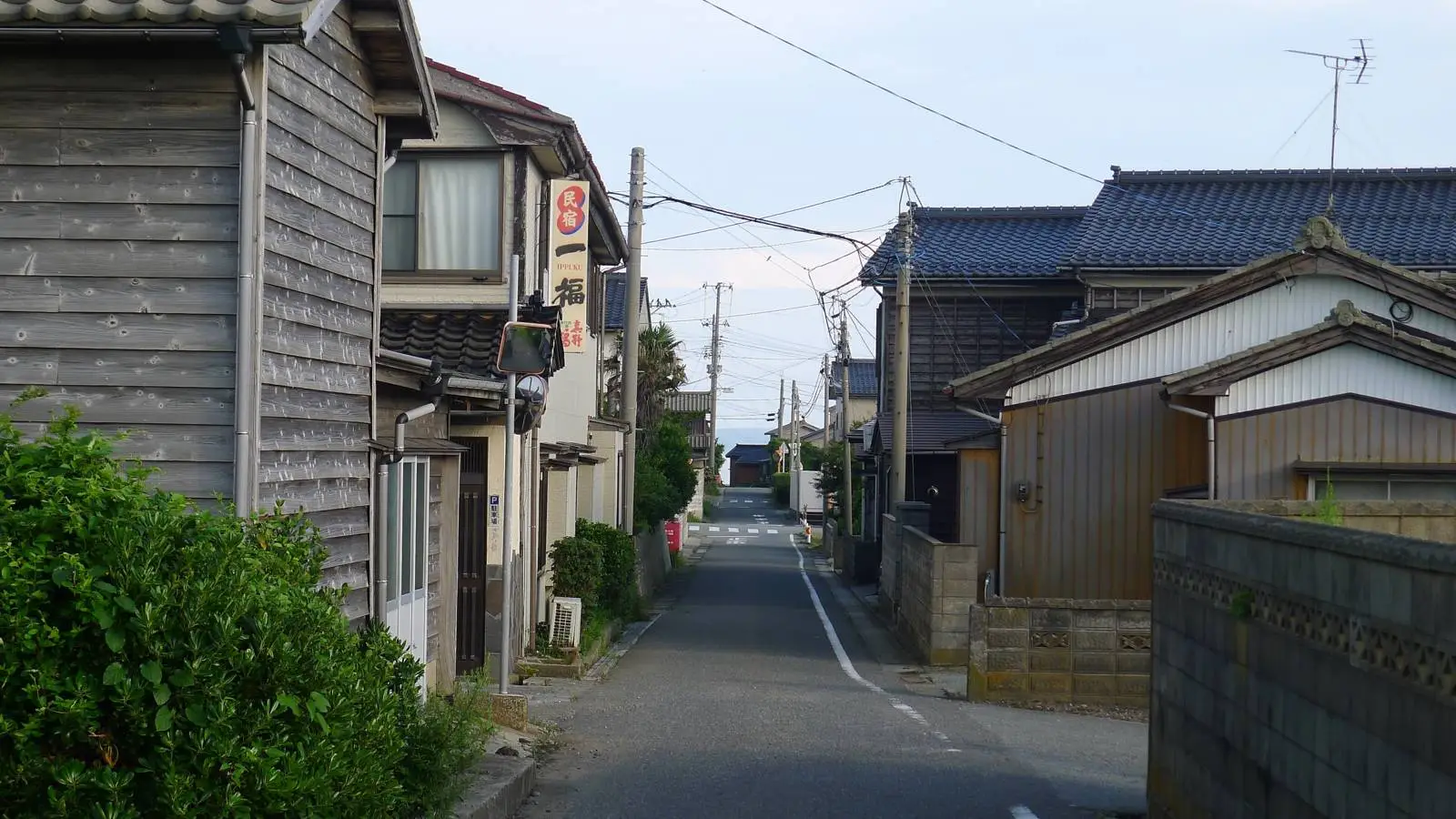
Explore Japan's disappearing villages, where akiya (abandoned homes) multiply as youth depart. Learn how silence replaces daily life and what might come next.
Noisy cities, neon-splashed avenues, crowds flowing through megacity crossings — that’s how Japan is often imagined. But right next to that restless rhythm lies another world: quiet, almost forgotten villages where the sounds seem to have left with the people. The silence there is not peace; it’s a void. And it matters to see that it didn’t appear by choice. It’s the mark of villages in Japan slowly disappearing.
Japan even has a term for it: villages on the verge of vanishing — places where almost everyone is elderly. The young have moved to the cities, new families don’t arrive, children are gone. One such village is Nanamoku in Gunma Prefecture, where more than two-thirds of residents are retirees.
Each year, more houses stand empty. There’s no one to live in them and no one to look after them. Such homes are called akiya — “abandoned.” In these villages, shops lose their purpose, schools close, and stops shut down. Life seems to switch off.
These places are sometimes painted almost like a folk tale: elders guarding quiet, keeping calm and tradition. But the silence here isn’t about spirituality or a chosen way of life. It’s there because there’s hardly anyone left to talk.
No one makes noise on the streets, plays in the schoolyard, or laughs in cafés. The village is mute because it’s steadily emptying out.
By 2030, every third home in Japan could be without an owner.
When the last grandmother leaves a house, knowledge leaves with her — how to tend the garden, how to mark a local holiday, how to cook a dish made here for generations. A piece of culture goes with her, too.
Some researchers even say it reaches nature as well: fields grow over, animals move on, the old order slips away.
These “quiet villages” aren’t a new tradition or a cultural experiment. They are the outcome of places fading where life thrived not so long ago. Yet interest in them is growing: people come to see what remains; some want to buy an abandoned house, others just to hear the silence. That urge to stand in the hush says a lot about how quickly absence has replaced routine.