
An in-depth look at Peru and Bolivia’s healing rites: Kallawaya traditions and ayahuasca icaros use soothing music, not noise. No cacophony-based rituals.
These days, plenty of people are drawn to unusual forms of self-care—some try meditation, others turn to breathwork or ancient rituals. Peru and Bolivia have long been known for shamans and plant-based ceremonies. But are there rites that seek healing through cacophony—noise, loud and chaotic sound? We set out to find an answer—and here’s what emerged.
In Bolivia, for example, the Kallawaya people preserve distinct healing traditions that use herbs, breath, touch, and music. UNESCO recognizes these practices as part of cultural heritage. Music definitely plays a role here, yet it’s not noise—it’s steady, soothing rhythm meant to relax a person and set the tone for the process.
In Peru’s ayahuasca ceremonies, shamans sing special songs known as icaros. These melodies are considered sacred and help participants turn inward, feel supported, and steer their experiences. Put simply, the sound is beautiful and grounded—nothing like cacophony.
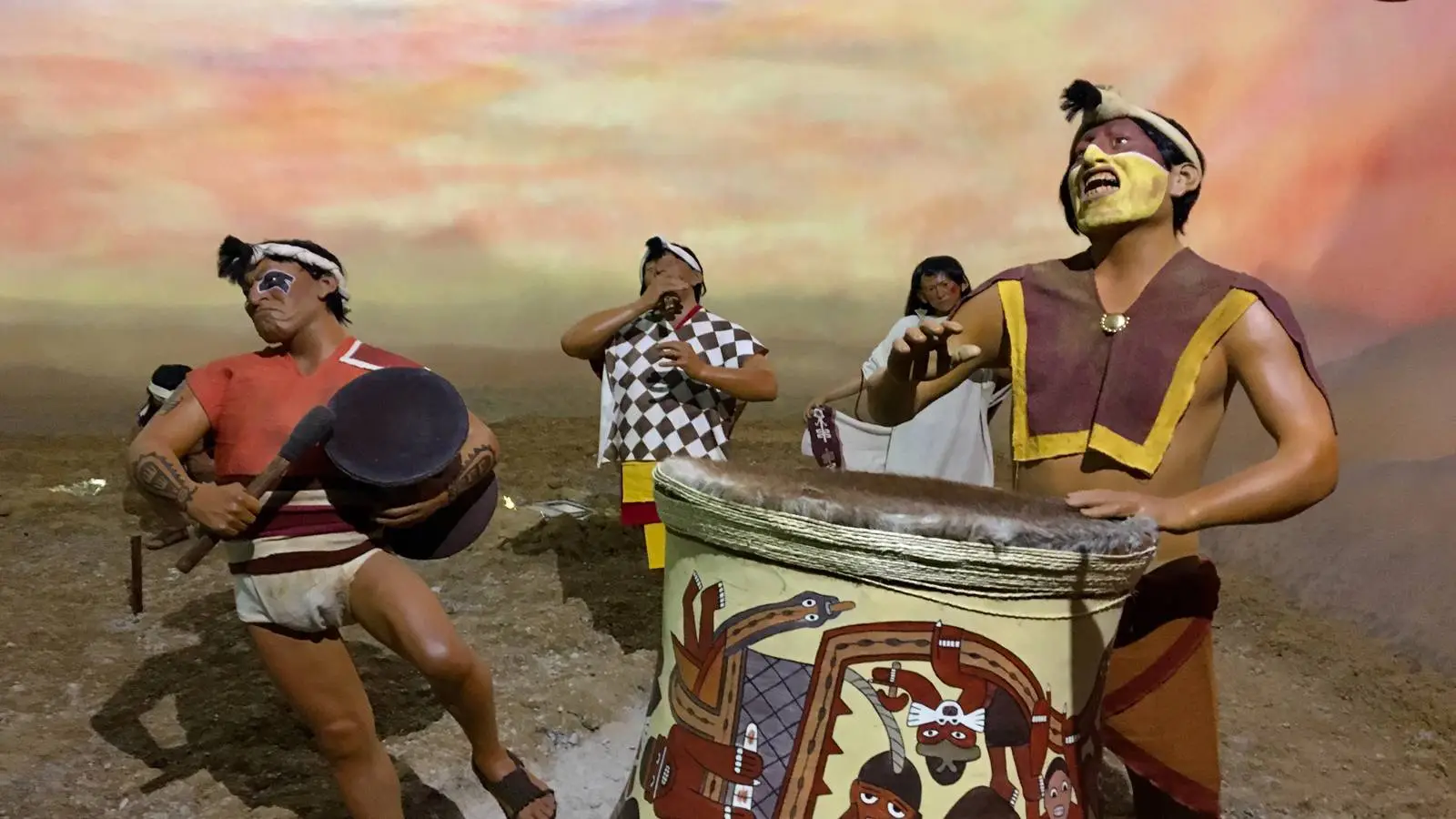
There are other rites too, such as ceremonies with the San Pedro cactus. They also unfold with songs and instruments—drums, flutes—often out in nature, with a clear aim: to restore inner balance.
It’s tempting to imagine that somewhere in the highlands there might be rituals built on noise and sonic chaos. In other countries, a form of “noise therapy” has been gaining traction—featuring gongs, vibrations, even loud industrial textures. But in Bolivia and Peru, there’s no record of anything like this.
We combed through websites offering ceremonial participation, looked at academic work, and reviewed cultural materials from both countries. Nowhere did we find claims of healing through cacophony. On the contrary, the emphasis is consistent: music in these rites should soothe and support, not startle or throw a person off.
There is one recent study that mentions a group practicing collective music and movement, which they describe as tuning to the Earth’s vibration. Even there, the focus remains on harmony rather than sonic disorder.
In Peru and Bolivia, music isn’t a decorative extra. It carries meaning. People believe that song can transmit energy, call on the spirits of nature, and calm the soul. Anything that breaks this atmosphere—sudden noise or cacophony—simply doesn’t align with local ideas of healing.
Perhaps noise as therapy belongs more to urban settings or Western wellness culture. In the Andes, the trust still seems to rest with silence, landscapes, and the unadorned human voice.
We can’t rule out that such rituals might appear in the future. People travel, exchange practices, experiment. It’s possible someone is already testing the edges with noise—there just may be nothing published about it yet. As of today, though, there’s no confirmation of cacophony-based rites in Peru or Bolivia.