
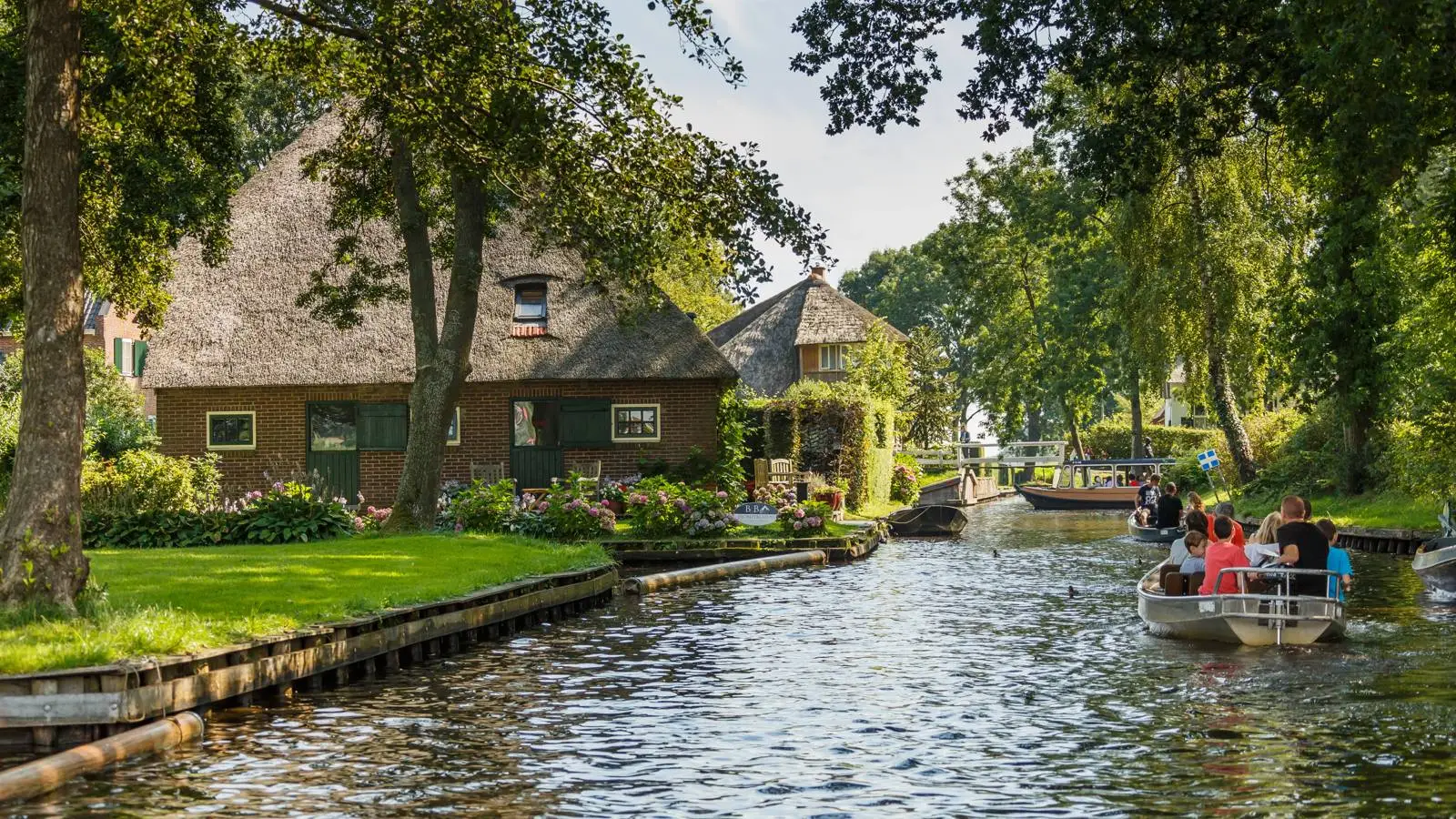
Discover roadless villages like Giethoorn, the Dutch Venice, where canals replace streets and boats replace cars. Learn how locals live, travel, handle tourism.
These days it can feel like you can drive just about anywhere—on highways, express routes or even dirt tracks. Yet there are places on Earth where roads aren’t needed at all. Not because no one built them, but because life thrives without them. Streets become canals, cars give way to boats, and the quiet is broken only by the gentle splash of oars. Meet the villages without roads.
Picture an ordinary village with houses, streets and a couple of shops. In roadless communities, the scene shifts. Homes line the water; between them lies not a carriageway but a canal or a river. People get to one another over little bridges or by boat. There are no cars, yet nearly every house has a private dock—almost like a garage, only for a boat.
Locals walk, cycle and, for longer distances, take to the water. Food, household goods, even trash—everything moves by boat. It takes some getting used to, but for residents it’s simply how life runs. That slower rhythm nudges daily routines into a calmer gear.
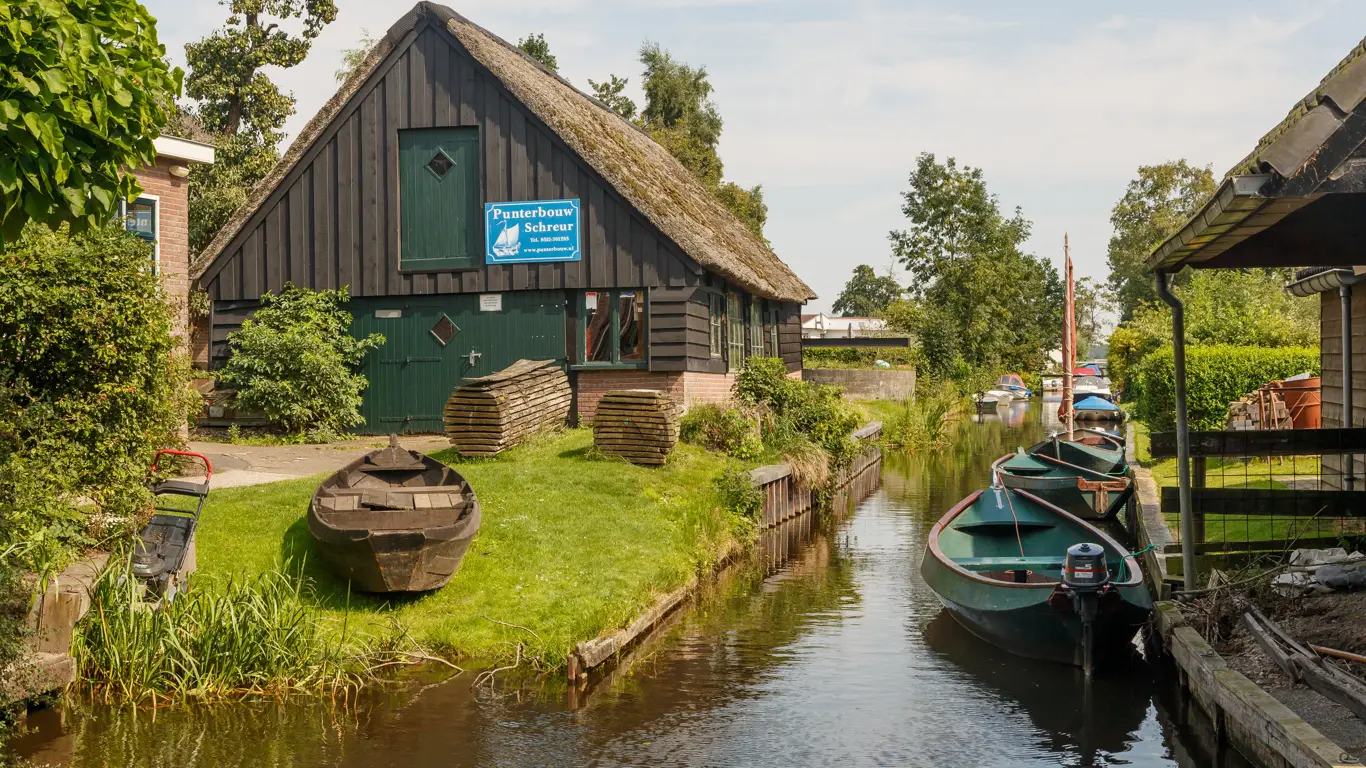
Giethoorn is the star among roadless villages, often nicknamed the Dutch Venice—and with reason. Movement here happens on the water or along narrow footpaths. The village sits on patches of land carved up by canals.
Each house in Giethoorn perches on its own small island linked by footbridges. There are no cars, but there are boats—and plenty of them. Some residents use electric launches; others stick to simple rowboats.
Despite its popularity with travelers, regular life goes on. People work, shops open, children head to school. All of it unfolds without a single road.
Giethoorn isn’t alone. Around the world there are villages you can’t reach by car. In India, for example, some settlements stand directly on the water, and everyday life relies on boats.
Sometimes roads aren’t built because of swamps, dense forests or the simple fact that river travel is easier. You’ll find such communities in other countries too, particularly where climate and landscape make roadbuilding difficult or expensive.
This way of life has its traits. On the plus side: quiet, clean air, no traffic jams, no engine roar. Everything feels measured, unhurried, closer to nature.
But moving goods—especially bulky items—can be tricky. Medical help or fire services may take longer to arrive. And when winter ice or stormy weather hits, travel can become a challenge.
It demands patience and planning. People stay because they value the calm and the simplicity. Sometimes that matters more than speed and convenience.
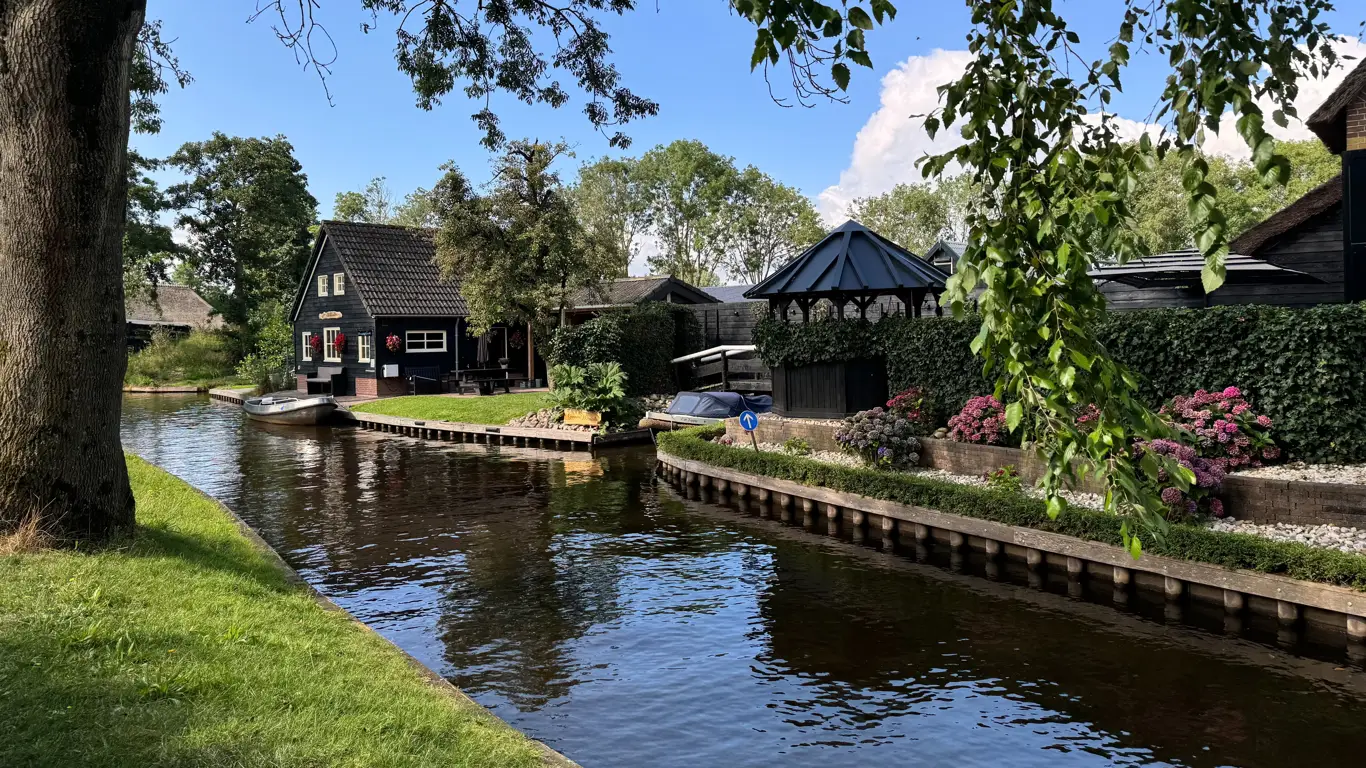
When places like these become famous, visitors follow. They want a boat ride and a glimpse of an unusual way of life. Tourism brings income, but it also brings crowds, noise and rising prices.
In Giethoorn, for instance, peak season can get so busy that residents struggle just to get home. The goal is to keep the village’s character while staying open to guests—a delicate balance that works best when consideration goes both ways.
Such villages are rare today, but they raise a question: do we really need to lay roads and build parking lots everywhere? In some places, leaving things as they are—quiet, unhurried and tailored to the water—may be the wiser choice.
These communities remind us there’s another way to live. Slower. Without engines. Along the water.