
Explore drowned villages beneath reservoirs: from Rybinsk to Derwent and Doggerland. Learn why towns were flooded, how people relocated, and what remains.
Drowned villages can sound like something out of folklore. Yet, right now, beneath the calm of rivers and reservoirs, real settlements lie hidden. There were homes, schools, churches, graveyards. Water swallowed everything—along with the stories of the people who once lived there.
These places didn’t vanish by accident. Most disappeared because of large dams and reservoirs. To generate electricity, supply cities with water, and improve navigation, entire districts were deliberately flooded.
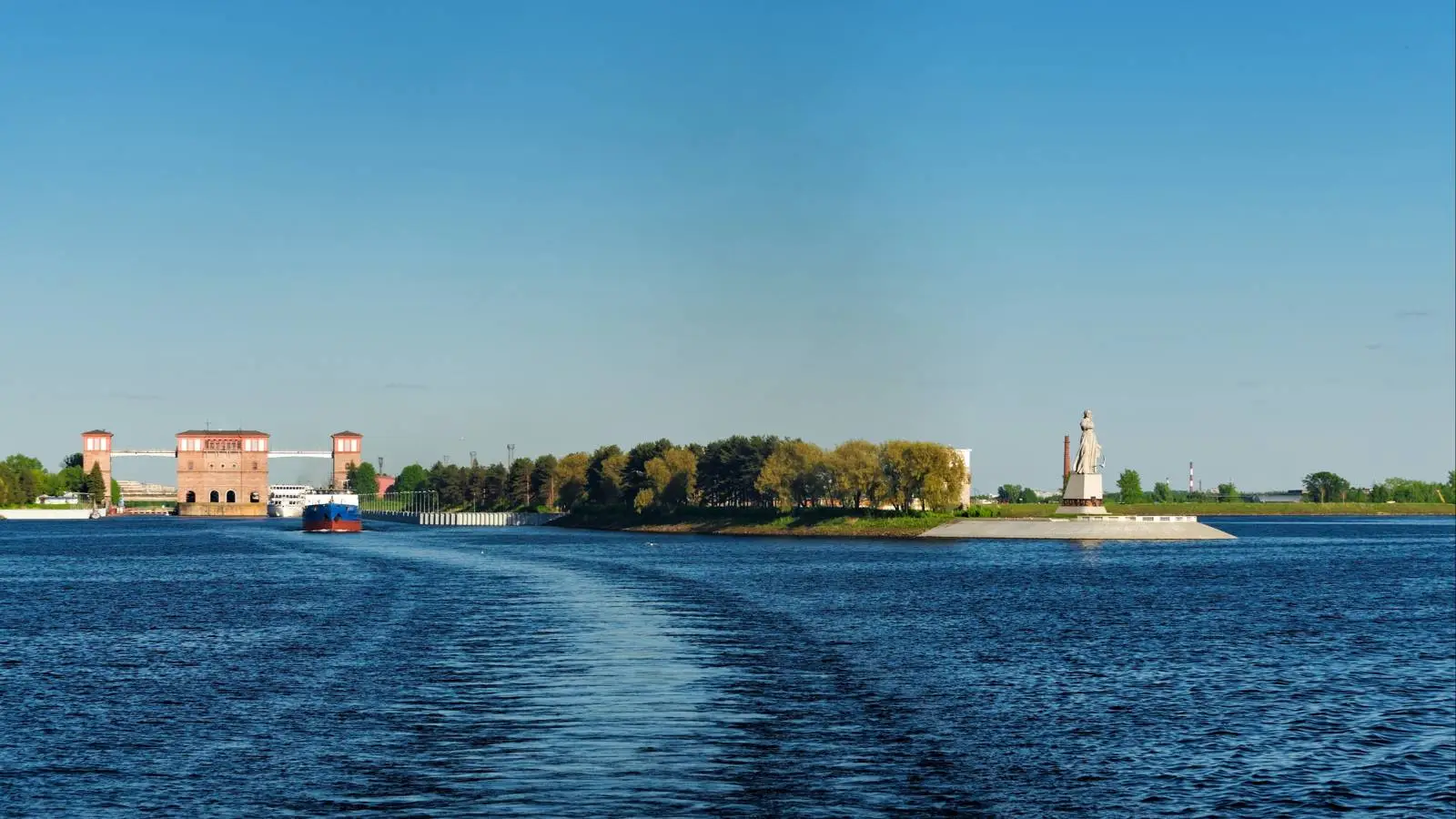
In Russia, one of the best-known examples is the Rybinsk Reservoir. Construction began in 1935, and by 1947 more than 600 villages lay underwater. Over 130,000 people left their homes. Schools, farms, factories, roads, churches—an entire way of life slipped beneath the surface.
Something similar happened elsewhere. In the United Kingdom, for instance, the villages of Derwent and Ashopton were submerged in the 1940s to create the Ladybower Reservoir. Residents were resettled, and the church was dismantled before the water arrived. The memory of those places endures.
Sometimes villages disappear for reasons unrelated to dams. Sea levels rise, natural disasters strike. Once, land stretched between England and Europe—a place where people lived, hunted, and raised children. It was known as Doggerland. Over time, the North Sea consumed it completely. Today, it lives on through finds recovered from the seabed.
It isn’t just houses that linger underwater but also churches, wells, gravestones, and paved streets. In dry years, when water levels fall, what’s hidden can reappear: old walls, foundations, fragments of bridges. At times, it feels as if a village briefly surfaces again.
This happens, for example, at the site of Britain’s Derwent. When the water retreats, former residents and their families return, recalling what the place looked like before the reservoir arrived.
Hundreds of thousands of people in different countries had to leave their homes. Some tried to save furniture; some even moved entire houses. Yet with the belongings went the fabric of everyday life and the memory of where childhood, youth, and family histories had taken root.
In Russia, for example, people from the Rybinsk area remembered losing not just shelter but a familiar order: farms, land, neighbors. Much of it could never be restored.
In many countries, people look for ways to preserve these places. In Canada, for instance, the Sunken Villages project gathers testimonies, photographs, and records from those who once lived in settlements now underwater.
Interest isn’t limited to researchers. Visitors are drawn by the chance to feel close to the past—especially when low water reveals fragments of the old built world.
Modern technology helps probe what remains on the bottom. Researchers study submerged villages, finding household items, structures, even entire streets. It’s painstaking work that demands specialized equipment. Often such sites are accessible only at certain times of year or during especially low water.
Even so, interest in underwater study is growing. More specialists are turning to places that once held ordinary life for thousands.
The story of flooded villages is a story of hard choices. On one side lies progress—power, water for cities. On the other stand people who lost their homes and the landscapes that shaped them. That balance is never simple.
It’s worth remembering that every submerged settlement once held real lives. To preserve their memory is to show respect for the past. This is not only about history; it’s about recognizing the human cost paid for the future.
Submerged villages are not only about loss. They are a reminder of change, of memory, of resilience. They haven’t vanished completely—they live on in photographs, in stories, in recollections. If we keep studying them and keep remembering, they won’t be forgotten.