
Discover Tel Aviv beyond postcards: Bauhaus White City, hidden corners, open data, city growth and rising taxes, and how nightlife drives the economy.
In Hebrew, Tel means a mound and Aviv means spring, which comes together as something like hill of spring — a name both beautiful and symbolic. It was coined under the influence of a book about the dreams and future of the Jewish people, and it was not just rhetoric: Tel Aviv did grow into a city of dreams — first on paper, then in real life.
When construction began in 1909, families hoping to live here drew lots to decide who would get which plot. They did it in an unusual way, using seashells marked with numbers. It gave the city a storybook start.
The city is home to thousands of Bauhaus structures — a simple, boxy style brought by architects who fled Europe in the last century. Thanks to these buildings, the center of Tel Aviv even made it onto a UNESCO list. The district is known as the White City, and it truly has a character of its own.
Tel Aviv is one of the few places where you can go online and see what the municipality is doing: how many homes are being built, where roads are going in, how many events are happening, and even where the free Wi‑Fi hotspots are. All of it is open on a dedicated city site — a real trove for anyone who enjoys digging into numbers.
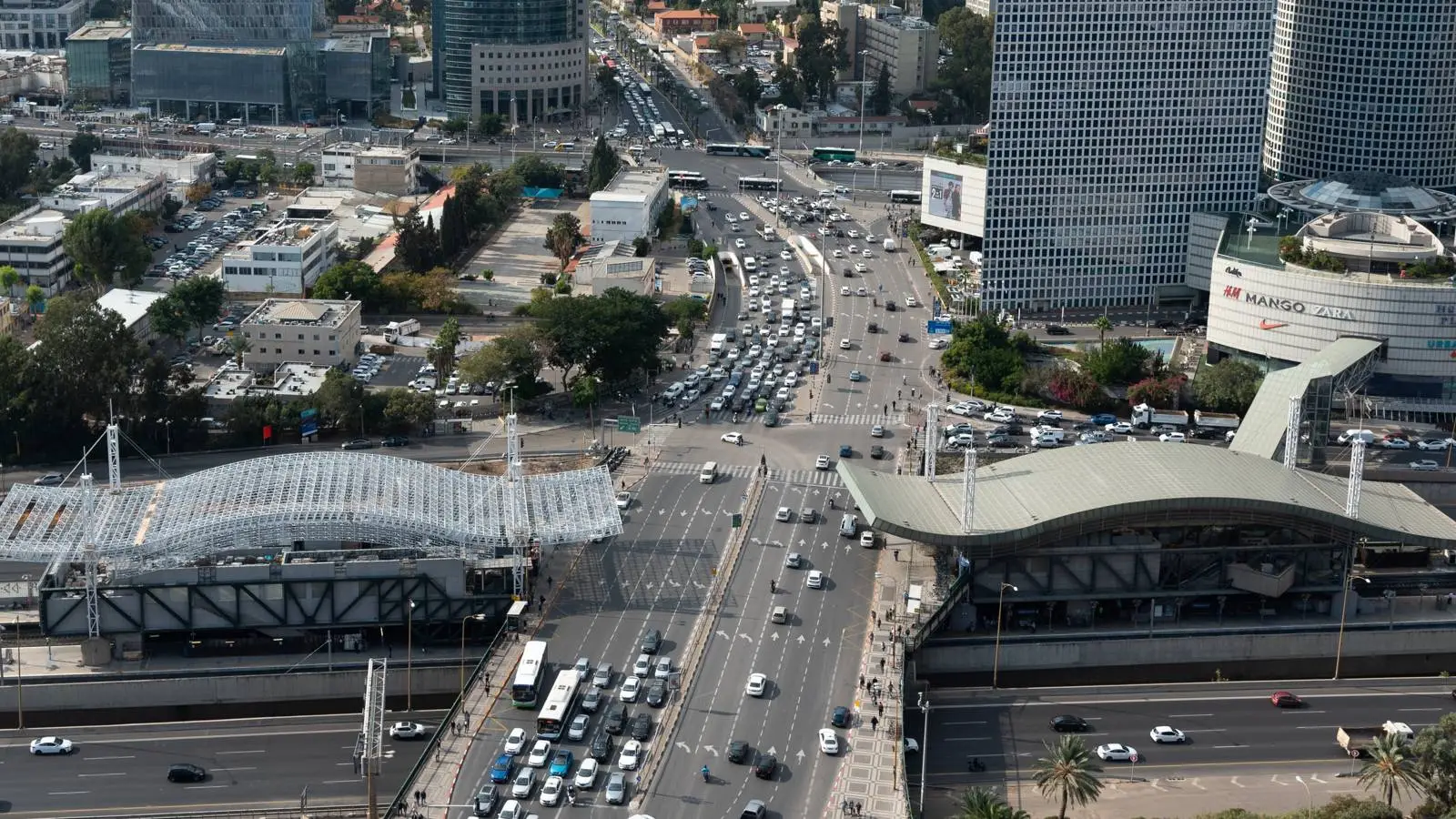
According to city plans, about 600,000 people will live in Tel Aviv by 2035. The city is getting ready: building housing, widening roads, reshaping neighborhoods. This is no longer just a seaside getaway but a large, lively urban organism.
From 2025, the property tax in Tel Aviv will rise by almost 9 percent. The increase ties back to major construction, including the launch of the metro. Residents can feel the city’s momentum — and they are paying more for it.
Tel Aviv is full of places that rarely make it into guidebooks: old courtyards, abandoned buildings, tucked‑away sculptures. Stories even circulate about underground passages in the old Jaffa district.
Open data reveals plenty of unexpected details: where events are held, how many people live in each neighborhood, even how often trash is collected. It makes the city legible and approachable, even for those who have never set foot there.
Tel Aviv is often shown at its best — beaches, sunsets, people with coffee cups. But the city has its challenges: limited land, rising prices, dense development. Local authorities acknowledge this, as do international organizations, whose reports describe Tel Aviv as operating under pressure.
The city is famous for staying awake after dark. Fewer people realize that parties, bars, and festivals are more than entertainment — they are an economic engine. City support helps organizers because nightlife attracts young people, creates jobs, and sustains an atmosphere of freedom.
Tel Aviv is more than a pretty spot on the shore. It is a city with history, with a temperament, with sharp turns. Here they build, argue, pay higher taxes, debate architecture, open up data — and keep moving forward. Even if you never go, peeking into the city through stories like these is still worth it.