
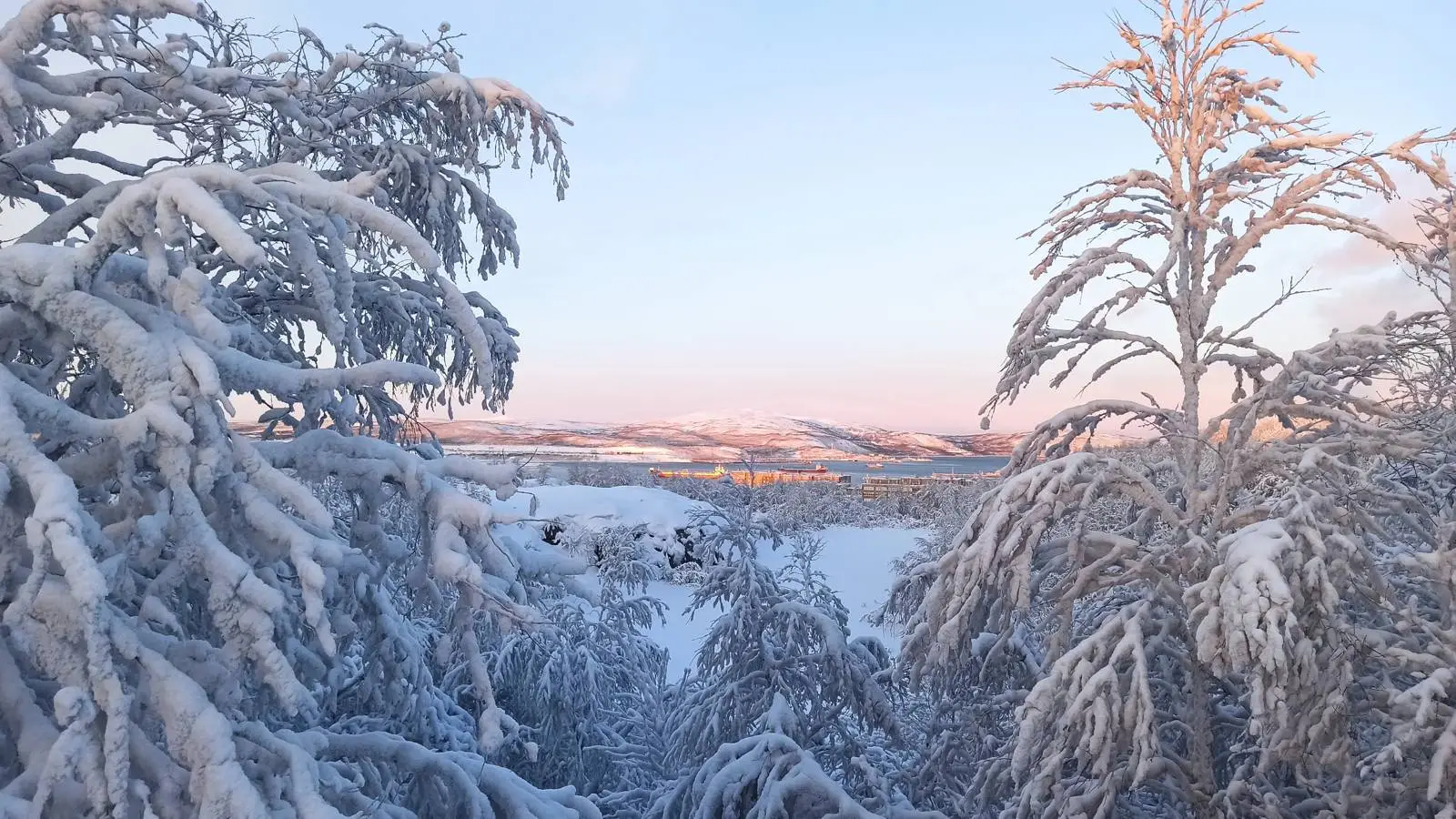
Discover Russia's most magical winter destinations: Karelia, Kizhi, Suzdal, Murmansk, Lake Baikal, Yaroslavl, Veliky Ustyug, Altai, Kamchatka and Taganay.
Winter in Russia is more than a cold season—it’s when cities and wild landscapes change their rhythm and look as if they’ve stepped out of a storybook. Snow settles over ancient churches, villages, and forests like a soft quilt, lakes glaze into crystal mirrors, and in the far north the aurora paints the sky in electric colors. Every year, the country offers residents and travelers scenes that feel almost enchanted. Here are places where winter works its quiet magic—from the hushed forests of Karelia to Baikal’s fantastical ice and the northern lights over Murmansk.
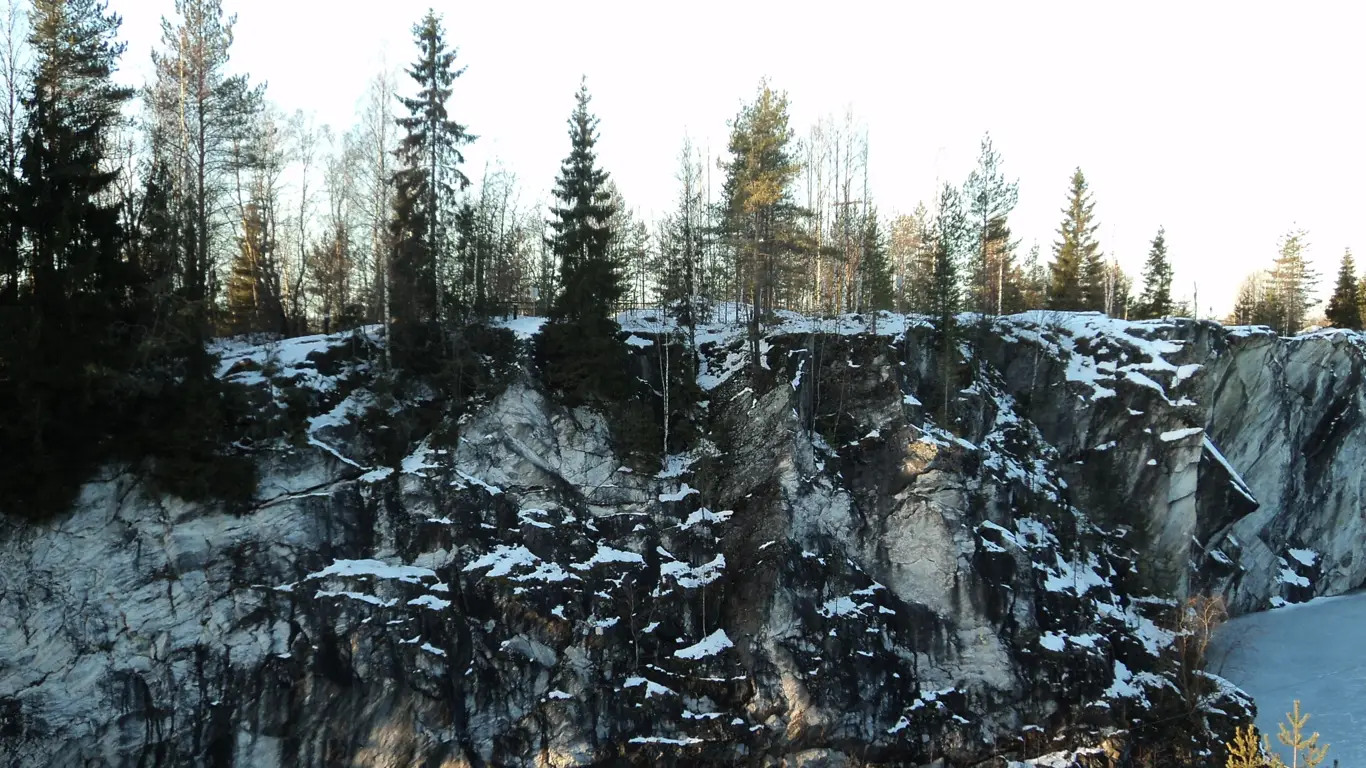
In winter, Karelia feels wrapped in a soft, shimmering tale. Endless forests lie under deep snow, spruces wear fluffy crowns, and branches glint when the low sun breaks through. The hush here is striking—broken only by the whisper of falling flakes and the crackle of frozen twigs. Lakes seal under strong ice and reflect the sky like polished glass, their surfaces etched with patterns that look hand-drawn.
The Kivach Waterfall, which never quite freezes, runs through crystal crusts that catch the light like old-time finery. Along the Ladoga skerries, waves lock into sculptural forms—icy shapes that hint at figures and silhouettes, almost otherworldly in their stillness.
On clear nights, the northern lights often lift the sky into shades of green and violet—one of those moments that makes you stop and simply look. Wooden chapels, snow-dusted cabins, and narrow paths through the forest add to the impression that folklore is close at hand. Winter in Karelia is a quiet pageant—spare, luminous, and calm.
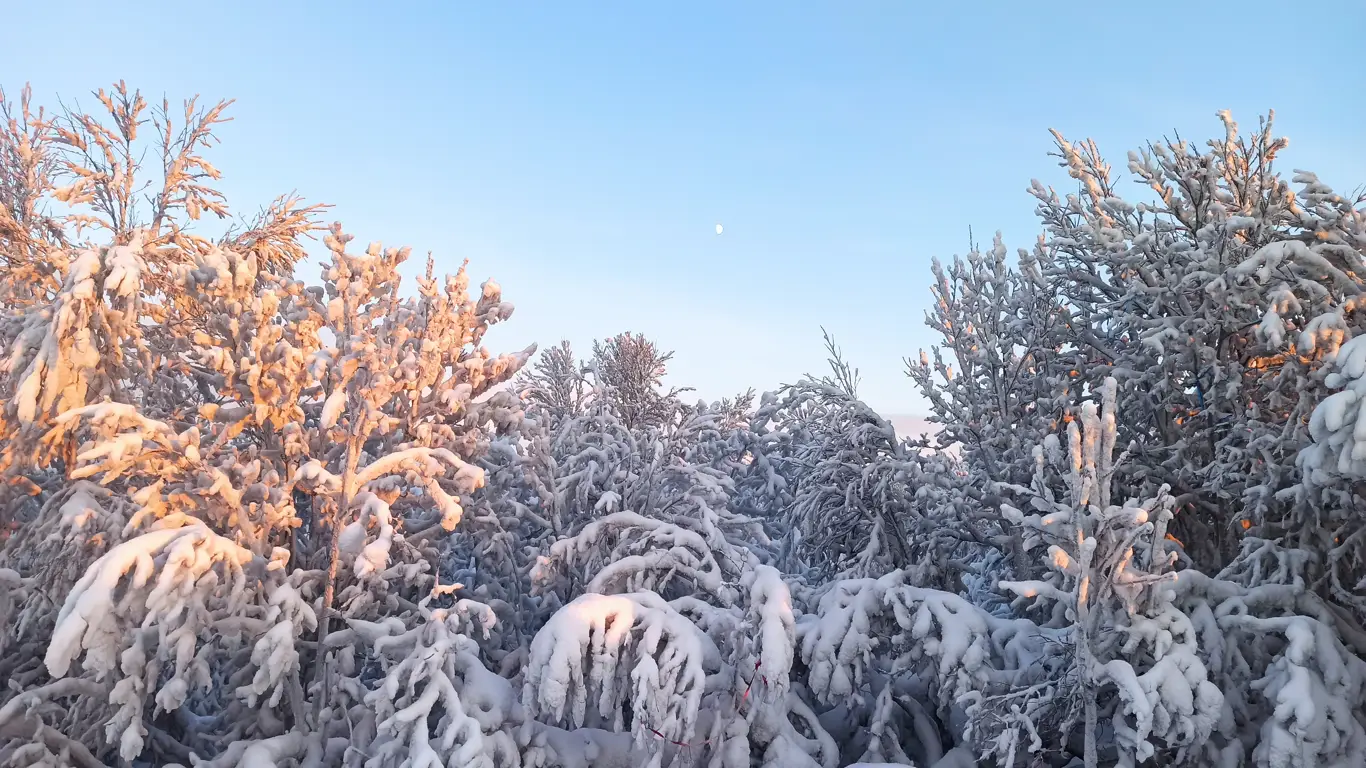
On Kizhi Island, winter sets wooden architecture against the stark beauty of the north. In the midst of snowbound expanses and the frozen waters of Lake Onega, silhouettes of churches and chapels rise under a lace of hoarfrost. The main ensemble, with its many domes flashing in the pale sun, looks like a joint creation of nature and craft, paused in a realm of ice and snow.
Encircled by hard winter, the Kizhi Pogost seems suspended in time. With intricate carvings and not a single nail, the buildings stand as if within an endless storybook winter. Snow cushions every roof; the cold air sharpens the island’s stillness. On clear days, the domes lift into a hard blue; in overcast weather, whiteness merges with the horizon, and the landscape dissolves into pure light.
At sunset, the temples gather golden and rose tones and the cadence of the day slows. Kizhi in winter feels deeply peaceful—history alive among forests and ice—an island where the season reveals itself in full on the shores of Lake Onega.
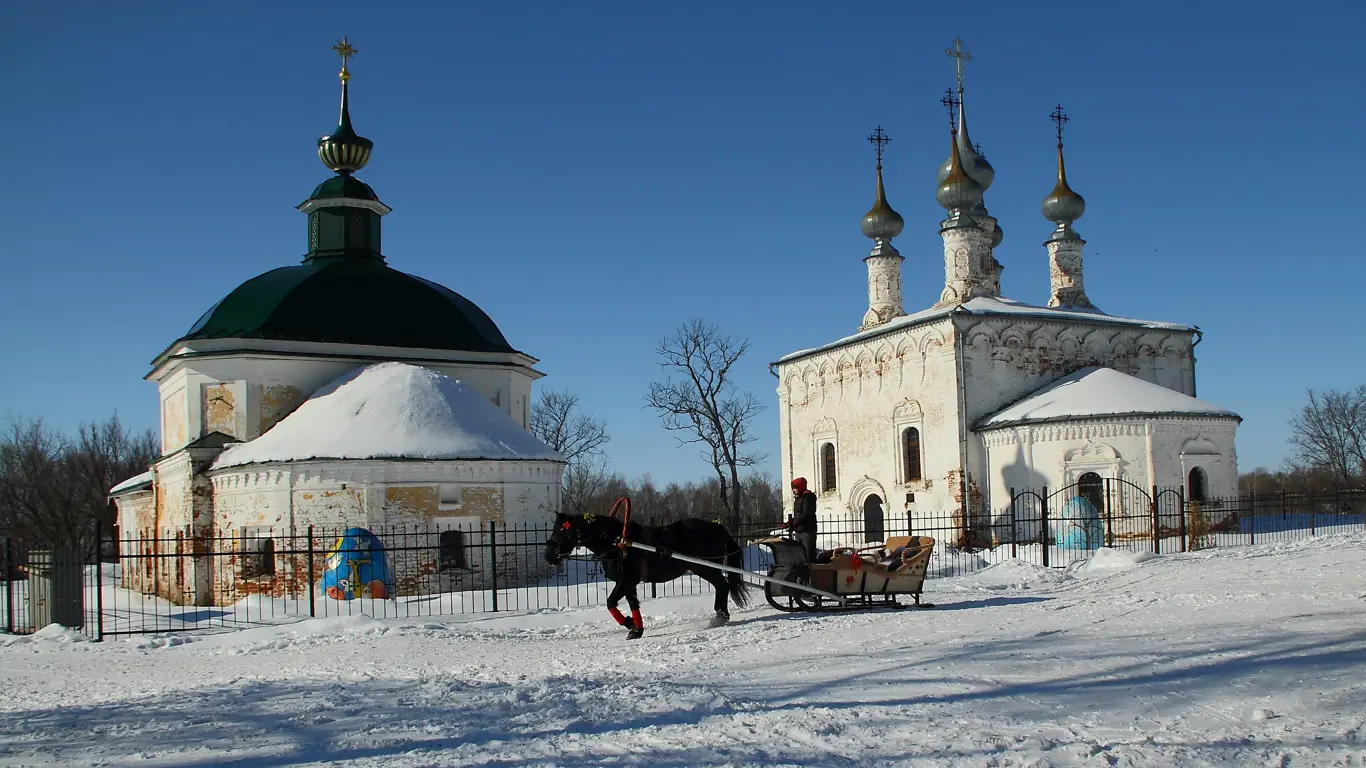
In winter, Suzdal could pass for a scene on a lacquer box. Draped over rolling hills, the town slips under a pristine coverlet, and every corner takes on a holiday hush. Ancient domes and churches stand on the central square under frost and snow, catching light as if set with stones. Wood cottages, carved shutters, and bell towers stitch together a bright winter tableau; the sparkle underfoot adds to the quiet spell.
Against snowy meadows and the frozen curve of the Kamenka River, the Suzdal Kremlin rises with white-stone walls and old churches. In deep winter the river becomes a natural ice path—perfect for a sleigh ride. The bare silver of frosted trees and the open fields around town intensify the sense of space. As Christmas approaches, garlands and stars lace the streets; the scent of honey and fresh pastries drifts out of old shops, and the town glows like an invitation.
Walking slowly past carved facades and small, timeworn homes, you feel the centuries. Each church and monastery is a treasure—the Pokrovsky Monastery, the grand Spaso-Evfimiev Monastery—especially striking in winter, a shade more mysterious and serene.
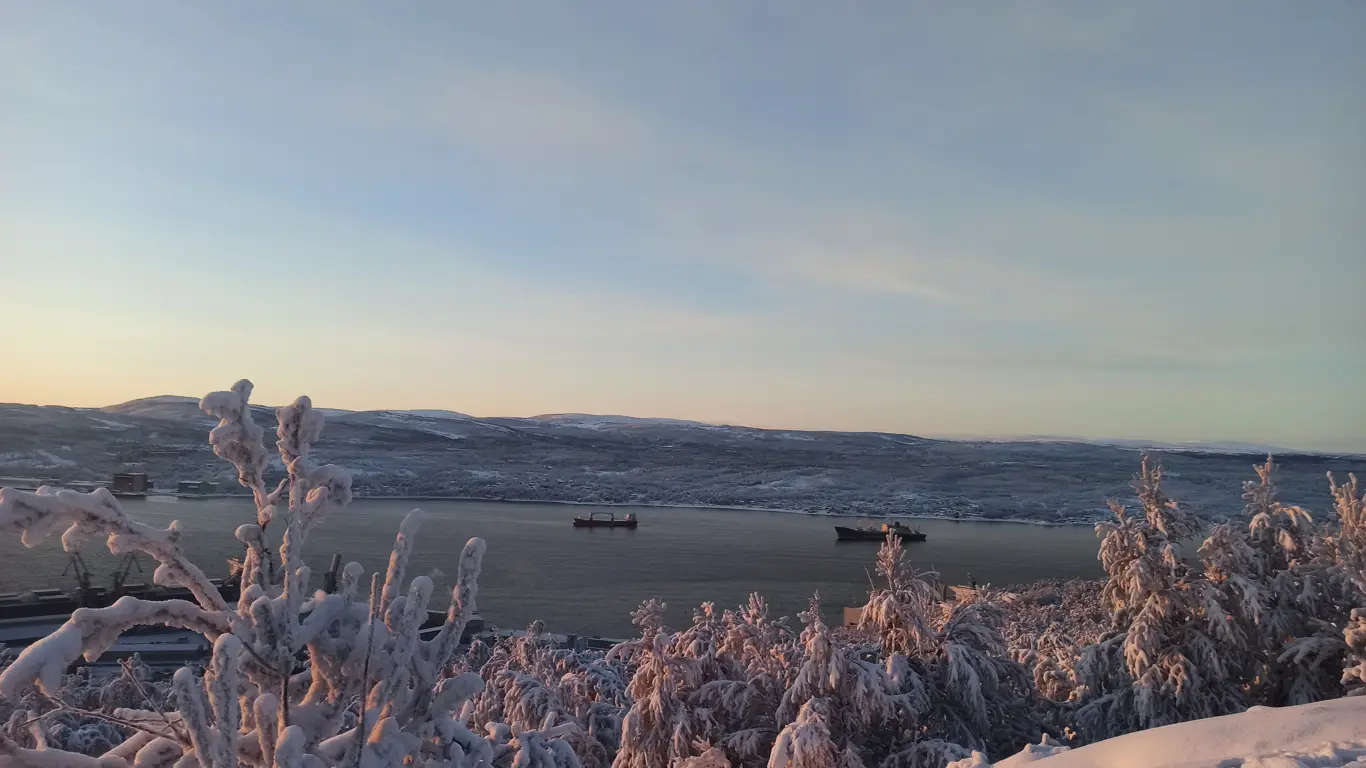
North of the Arctic Circle, Murmansk and Teriberka show winter in its stark, magnetic form. Nights stretch long, cold thickens, and the quiet has its own weight. Murmansk, girded by snow and ice, glows with lights like a pocket of warmth in a wide white panorama. Snow softens the streets; against it, the city shines even warmer.
Out in Teriberka, the mood turns raw and mesmerizing. On the Barents Sea, frozen waves, wind-carved ice, and rimed cliffs give the coast a mythic edge. Waterfalls freeze into sculptural sweeps; the shoreline takes on strange, beautiful shapes, as if the north itself were telling a story. And then the aurora pulls the sky open—green, violet, and pink strokes on polar nights—an unhurried spectacle that feels both intimate and immense.
Teriberka in winter is the north in full voice: austere yet compelling, a place where white horizons and the northern lights linger in memory like an image of the Arctic you carry long after you leave.
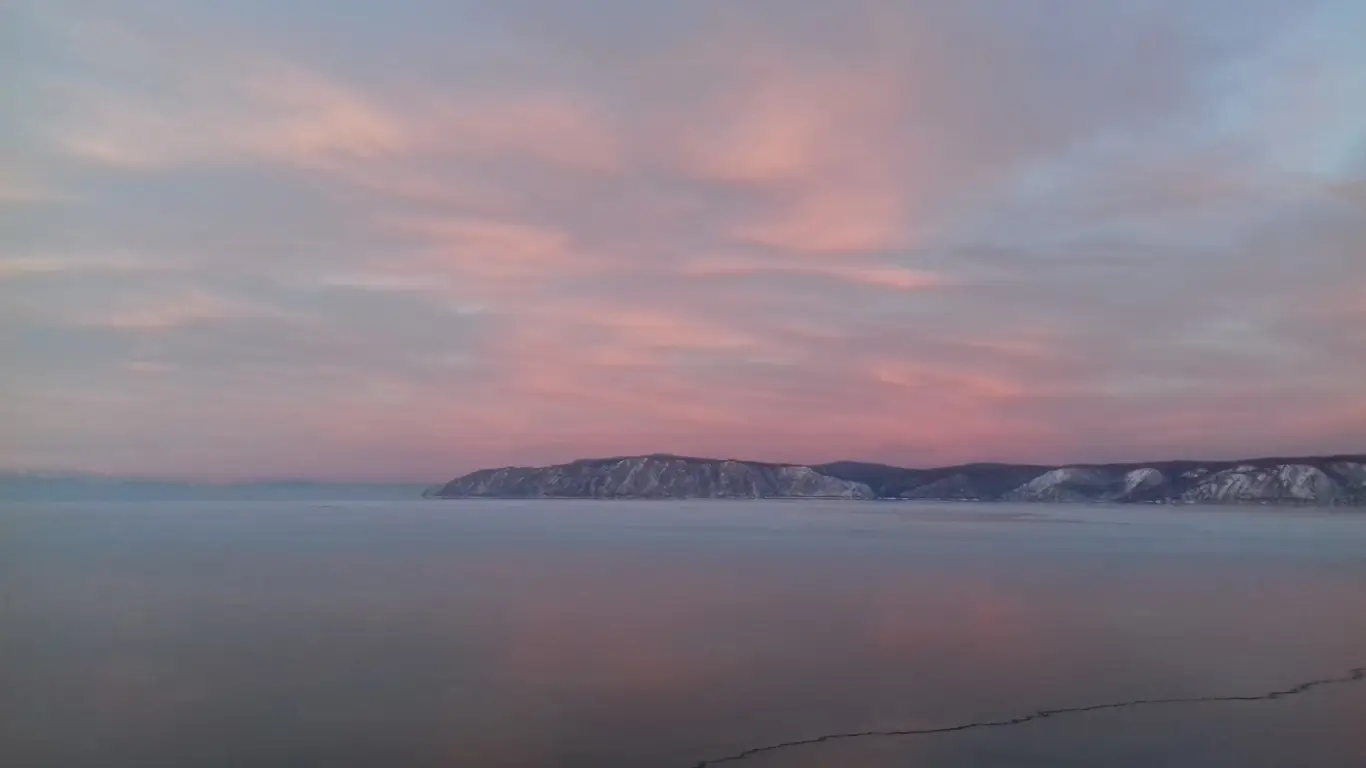
In winter, Baikal turns its lake-wide stage into an ice kingdom. A flawless crust stretches to the horizon, a mirror that seems to hold another world beneath. The ice here is astonishingly clear—trapped bubbles hang at different depths, strands of weed freeze in place, and the whole surface feels like glass.
Walking across that bright, groaning plain, every fissure and crystal reads like a clue to the lake’s secret life. Blue ice ridges and heaved slabs catch the light and split it into shades of turquoise; some look like towers, others like shards set by a patient hand.
Around the shores, grottoes and caves form with curtains of ice, their delicate “stalactites” like frozen drops. Step inside and it’s as if you’ve wandered into a hall of cut crystal. At sunrise and sunset, the ice blushes pink and orange and the entire scene shimmers, a landscape caught in a charmed mirror.
Baikal’s winter is spare and strong—nature at its clearest—and every vantage point feels touched by a kind of icy pageantry.
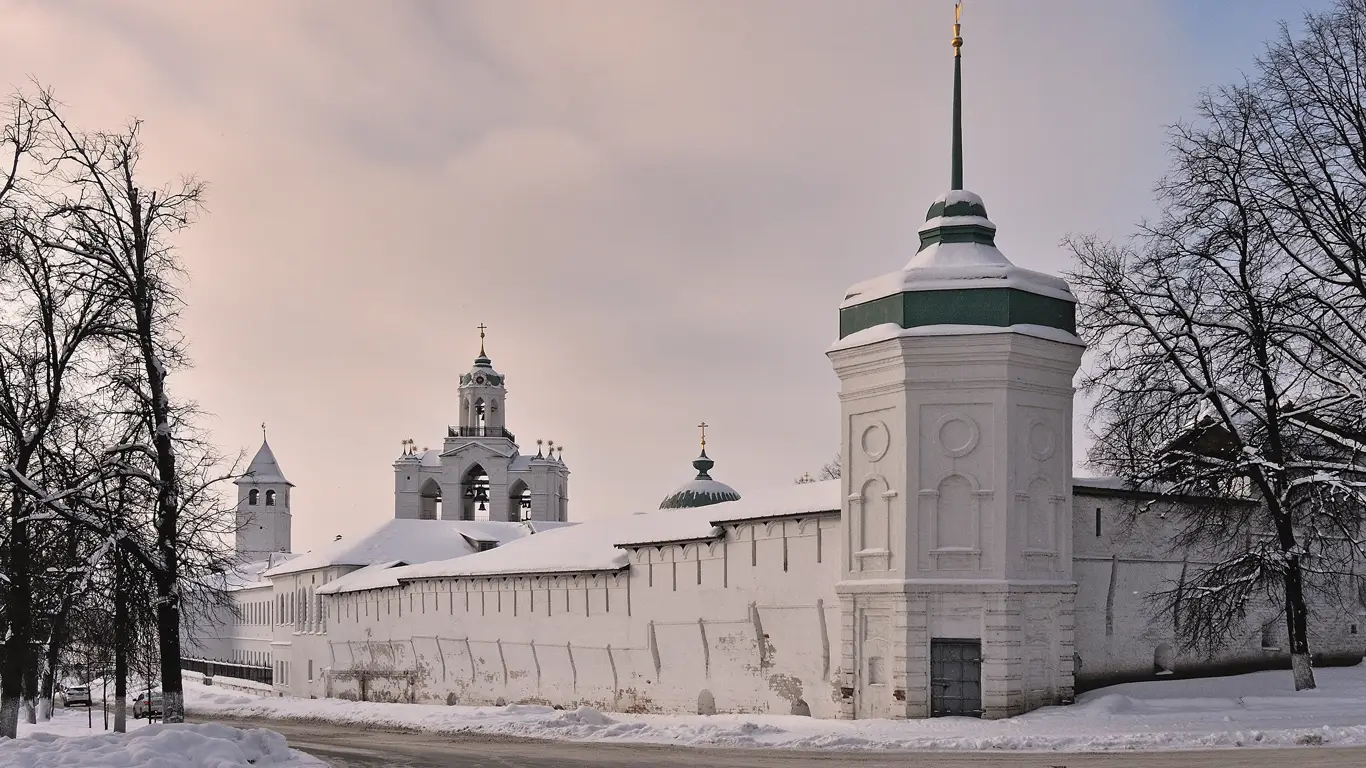
Yaroslavl in winter is a Russian classic set along the Volga. Under snow, old domes and churches grow more enigmatic and beautiful. The streets and embankments, framed by white-limbed trees, invite long walks; around each turn there’s another piece of history wrapped in frost. White-stone churches with bright onion domes stand out against the pale sky as if time here had slowed.
The city’s Kremlin feels especially theatrical in winter. Snow and rime soften its high walls and towers, and in morning light or under evening lamps they glow like ancient lanterns. The Volga, often sealed with ice, adds a sense of quiet grandeur, its surface mirroring spires like a painted panel.
In December, lights multiply—garlands over streets, welcoming trees in the center. Markets, the scent of hot sbiten and gingerbread, and festive stars on facades lend a cheer that fits the season perfectly, easy to imagine a jingling sleigh skimming by.
With snug lanes, snow-laden churches, and centuries-old buildings, Yaroslavl suits anyone drawn to the atmosphere of a Russian winter where history and beauty fall naturally into step.
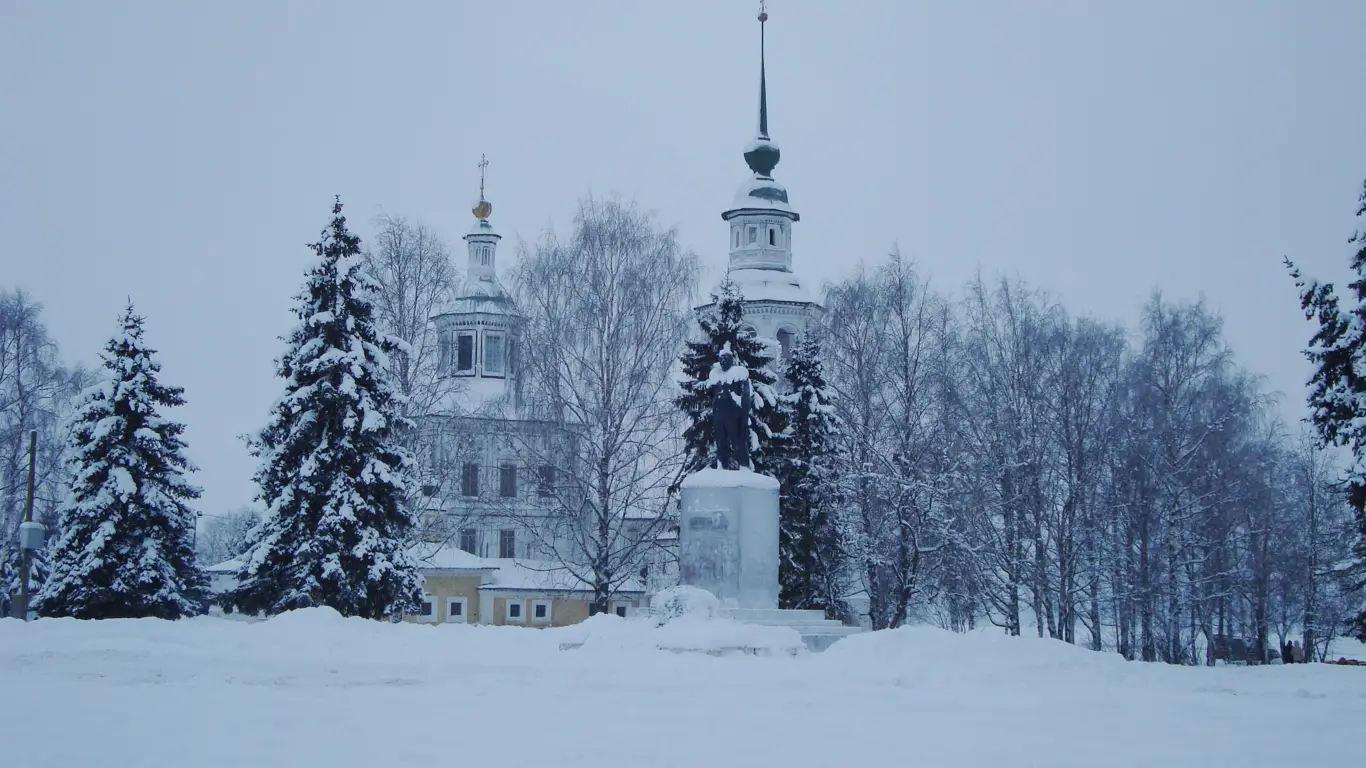
Veliky Ustyug delivers the season in its most festive register. Known as the home of Ded Moroz, the town leans into winter: deep snow settles on the roofs of old houses, and the forests around it turn into a white domain. With its historic churches and quiet streets, the place feels lifted from old legends.
At the estate of Ded Moroz, towering firs wear strings of lights and ornaments. Paths drifted with snow lead past ice sculptures and carved wooden houses that look as if winter itself designed them. Intricate woodwork, dusted with bright frost and lit for the holidays, sets a warm mood—helped by the scent of pine and hot pies in the air.
A visit to the residence is a small adventure: guests meet cheerful helpers and reindeer, wander forest trails, and, of course, can speak with the master of the season. Sleigh rides, ice slides, and skating rinks glow after dark as if they were cut from crystal.
Here, adults and children alike can lean into the feeling that the stories are true—streets all in white, lively markets, old churches, and a legend living just down the road.
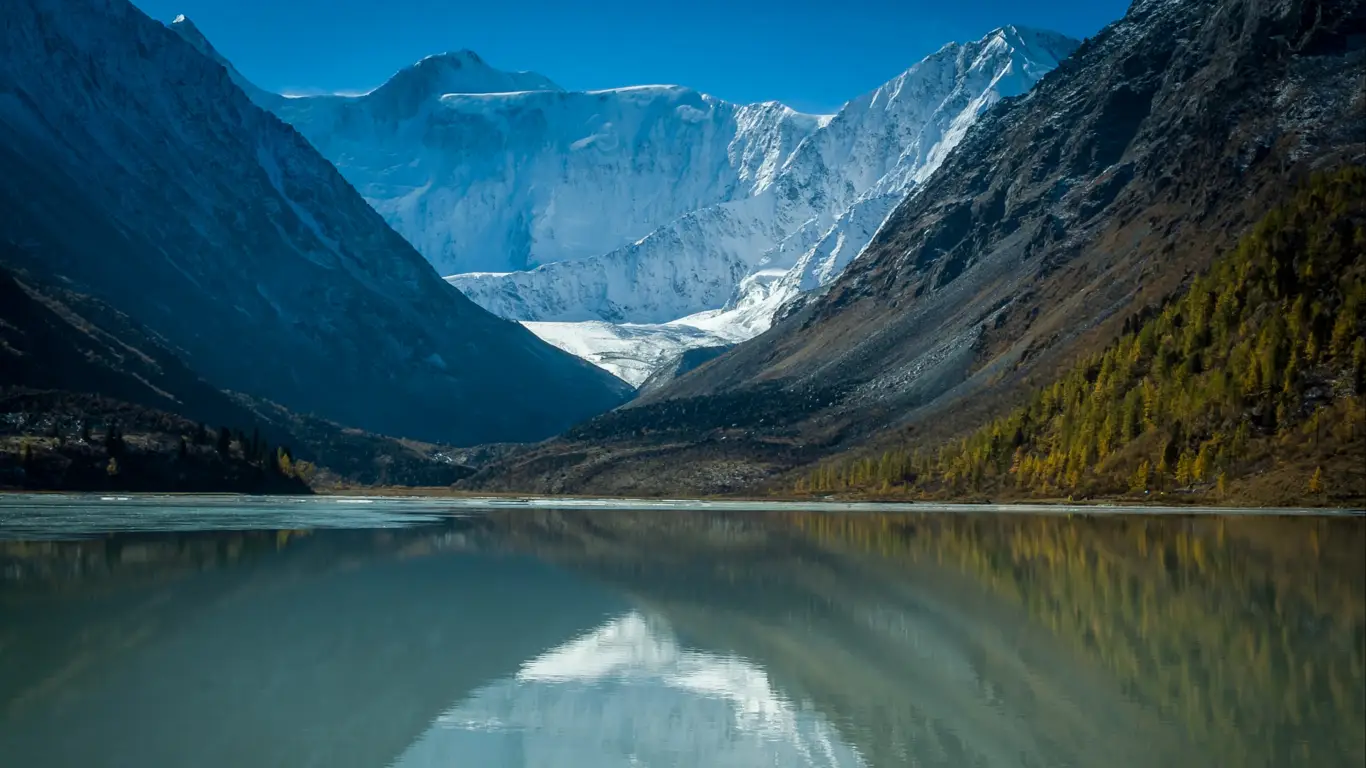
In Altai, winter sharpens the contours and stirs a sense of old magic. Peaks pull on white caps, forests turn to crystal, and lakes and rivers gleam like hidden mirrors between ancient ridges.
Lake Teletskoye, among the region’s most scenic sights, often lies under a light veil of mist; its rim ices over, and the frozen surface reflects the mountains like a storybook glass. Against the chains of peaks—snow drifts and icy slopes alternating—the whole scene picks up a hush that feels a little otherworldly. Evenings cast pink and gold across the summits, and the snow glows as if lit from within.
The Katun River becomes a living canvas of ice and snow. It rarely freezes solid, leaving bridges and patterns of ice that show off the current’s quiet strength. Caves and rock faces collect formations nature might as well have drawn by hand—ice palaces, crystalline figures, and shapes that recall creatures from old tales.
Every step in Altai can feel like crossing a threshold: cedar forests rimed with frost, long white plains, and trails that vanish softly ahead. Silence settles here in a way that’s hard to forget, broken only by wind and the rare call of a bird.
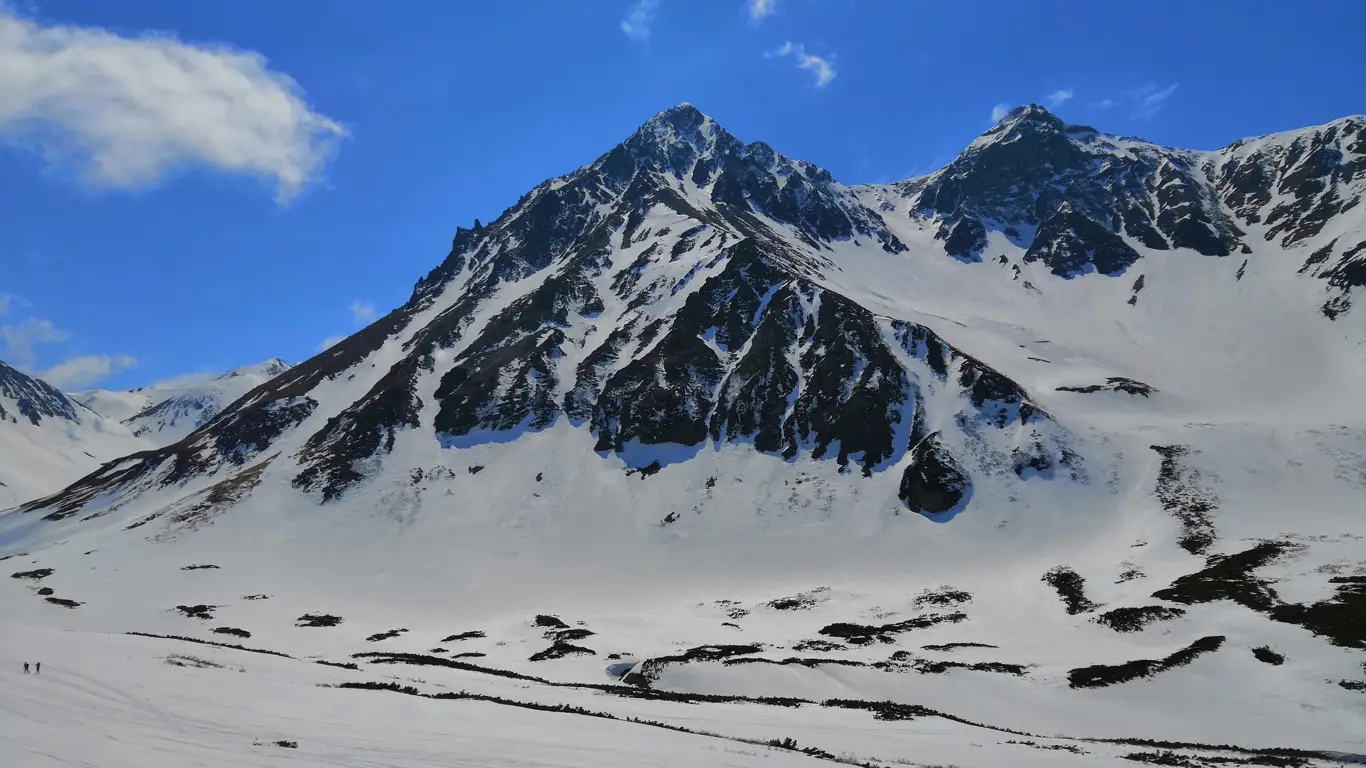
Kamchatka’s winter is wild and theatrical. Snow-capped volcanoes stand like giants and guard an austere horizon. Between them run broad sheets of snow that sparkle in sun and shine silver under the moon, as if the landscape were drawn for a northern saga.
One of the season’s more surprising sights is the hot springs that steam in the freeze. White vapor lifts from the water and drifts over the snow, laying a light veil across meadows. The warm air around the pools lends the whole scene a touch of the unreal, a pocket of ease in the harsh cold.
Forests blanketed in deep snow stretch away, their tall trees iced into near-sculptures. On quiet paths you come across tracks of wild animals and the sense of space grows larger still. These winter scenes feel unworked and elemental, a landscape both spare and alive.
When the night sky opens and the northern lights flare in green, blue, and purple, the mountains and frozen rivers take on a glow that makes the peninsula feel like a doorway to another world—where the word “magic” simply means the way nature behaves.
It’s a place where volcanoes, ice, and silence join into a winter world that leaves a mark long after you go.
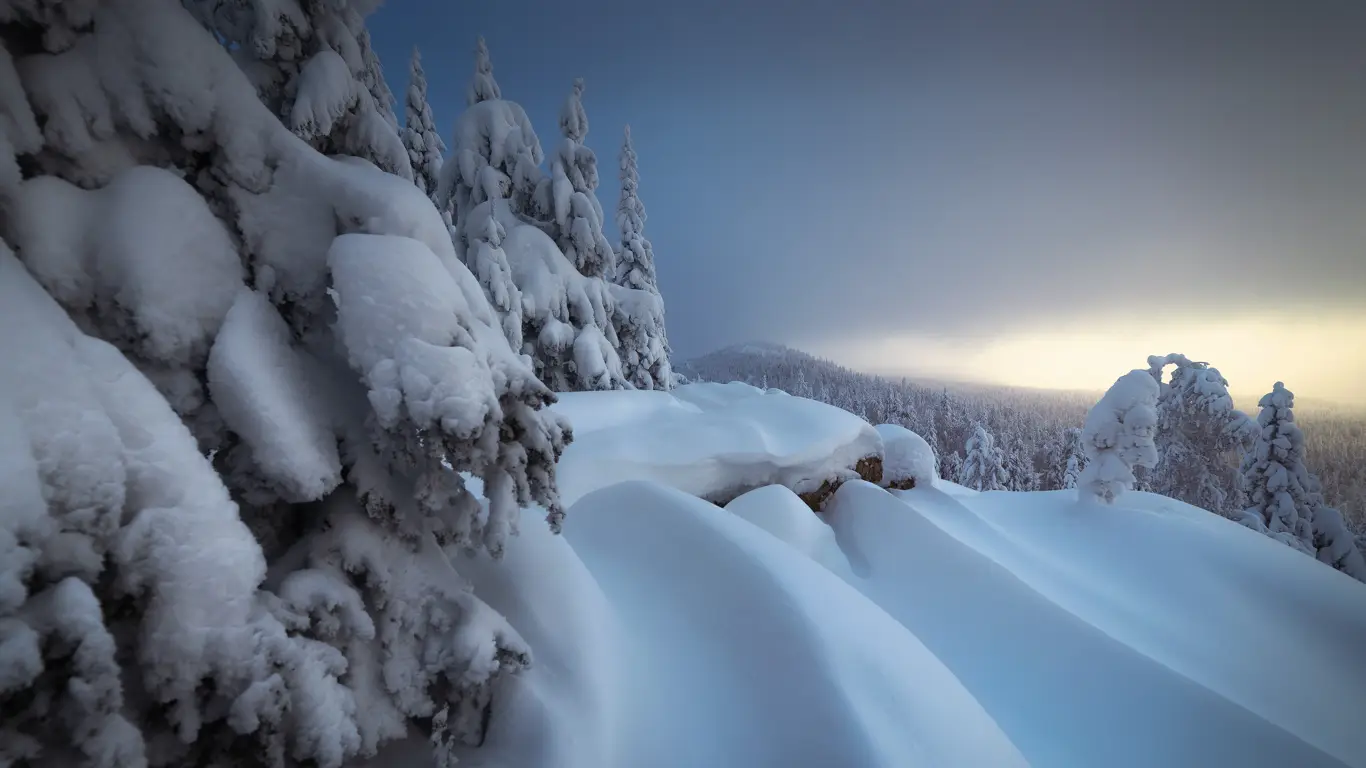
In the Urals, Taganay National Park feels like a theater of snow and stone. Cliffs shine with rime, old pines bend under white weight, and every slope wears a fresh coat that seems to quiet the world. The stillness has presence here, like a story paused mid-sentence.
Famous outcrops—such as the Two-Headed Hill and the Otkliknoy Ridge—read like ice-built castles ringed with soft forest. Frost carves delicate patterns, and on clear days the rock throws back light like a cut crystal. These stone guardians give the park its profile.
Trails lead toward ridges and frozen streams, past branches furred with frost and ice growths on rock that look like creatures from a fable. At day’s end, pink and violet slip through the trees and over the stone, and the whole place takes on a gentle glow.
In winter, Taganay is a quiet wonder—footsteps creak, wind whispers in the needles, and the air smells clean with a hint of resin. It’s a corner of the Urals where the season shows its best face, spare and sparkling, and the scenery speaks for itself.