

Plan a New Year trip to Bali: visa rules for Russians, cheaper flights via China, when to go, best beaches and areas, and package prices for the holiday season.
The New Year break is a perfect moment to chase new horizons, especially if that horizon is a tropical one like Bali. While winter grips Russia in frost and snow, this Indonesian island offers warm weather, turquoise beaches, and lush nature. More and more Russian travelers choose Bali for New Year’s and the January holidays, drawn by active pursuits, a festive mood, and the chance to discover a distinctive local culture. This guide covers how to prepare, where to save on flights and stays, and which places and experiences can make the trip truly memorable.
This year, demand among Russians for Indonesia, and especially Bali, has surged for the New Year period. Some tour operators report growth of up to three times compared with last year. Despite hotel rates climbing by around 25%, travelers are not backing out and are increasingly opting for luxury stays. Many properties are close to fully booked for the festive dates. At the same time, interest is widening beyond Bali to nearby islands such as Java, Lombok, and Kalimantan.
Indonesia, with Bali as its star resort, is among the top Asian destinations for the holidays despite the rainy season. Depending on the company, it competes in sales volume with Sri Lanka, India, and China, sits alongside Vietnam, and trails only Thailand.
By the end of the New Year period, tour operators expect a significant increase in tourist traffic to Bali but refrain from precise forecasts due to currency volatility. Reading between the lines, demand looks strong, yet exchange-rate swings keep everyone cautious.
Bali lies south of the equator in an equatorial monsoon zone. It is summer all year, split into two seasons: dry and wet. From April to October the weather is warm and dry, with air temperatures around +27 to +30 °C and humidity near 75%. Rain is infrequent. The wet season runs from November through the end of March. While Russia faces freezing temperatures, Bali averages about +29 °C. The ocean is warm, but rains can be prolonged, humidity reaches 90–95%, and winds pick up.
The peak tourist season falls in summer, when it is hot and dry and the ocean is perfectly warm—ideal for beach lovers and surfers. In winter, the low season brings tropical downpours, yet the island remains warm. That does not deter travelers looking to escape the cold, and New Year demand jumps noticeably. If you can live with showers, the trade-off is fewer crowds and a softer, greener island.
For travel to Bali in 2024, Russian citizens need a visa. The most common option is the Visa on Arrival (VOA), issued at the airport on arrival. It is valid for 30 days with a one-time extension for another 30 days. The cost is 500,000 Indonesian rupiah (about 35 US dollars).
Entry requires a passport valid for at least six months from the date of arrival, a return or onward ticket, and medical insurance with coverage of at least 25,000 US dollars including COVID-19 treatment. As of June 9, 2023, the vaccination certificate requirement was lifted.
Travelers can also apply online for an electronic VOA (e-VOA) via the official Indonesian immigration website in advance, which helps avoid airport queues and speeds up entry. Payment with Russian bank cards on the site may be difficult.
Another option is the B211A tourist visa for longer stays of up to 60 days with the possibility of extension. It is arranged through the Indonesian embassy or accredited agents.
Requirements can change, so it is wise to check the latest entry rules before departure.
Right now you can fly to Bali on Aeroflot nonstop from Moscow or with connections via Middle Eastern and Chinese carriers. According to tour operators, routings through China and the Middle East are in high demand thanks to more attractive fares.
Direct Aeroflot flights are less popular at the moment due to higher prices. Among favored options are Etihad Airways and Qatar Airways. The strongest demand is for connections through China, where airlines offer compelling tariffs and the possibility of a stop in mainland China, which many travelers see as a bonus. Customers also often choose Qatar Airways and Emirates, and more recently Etihad, which lets them combine Bali with shopping in Abu Dhabi.
Responding to the surge of interest, tour operators are expanding hotel allotments, increasing block flight capacity, and rolling out new programs. Price-wise, indirect routings are clearly setting the tone this season.
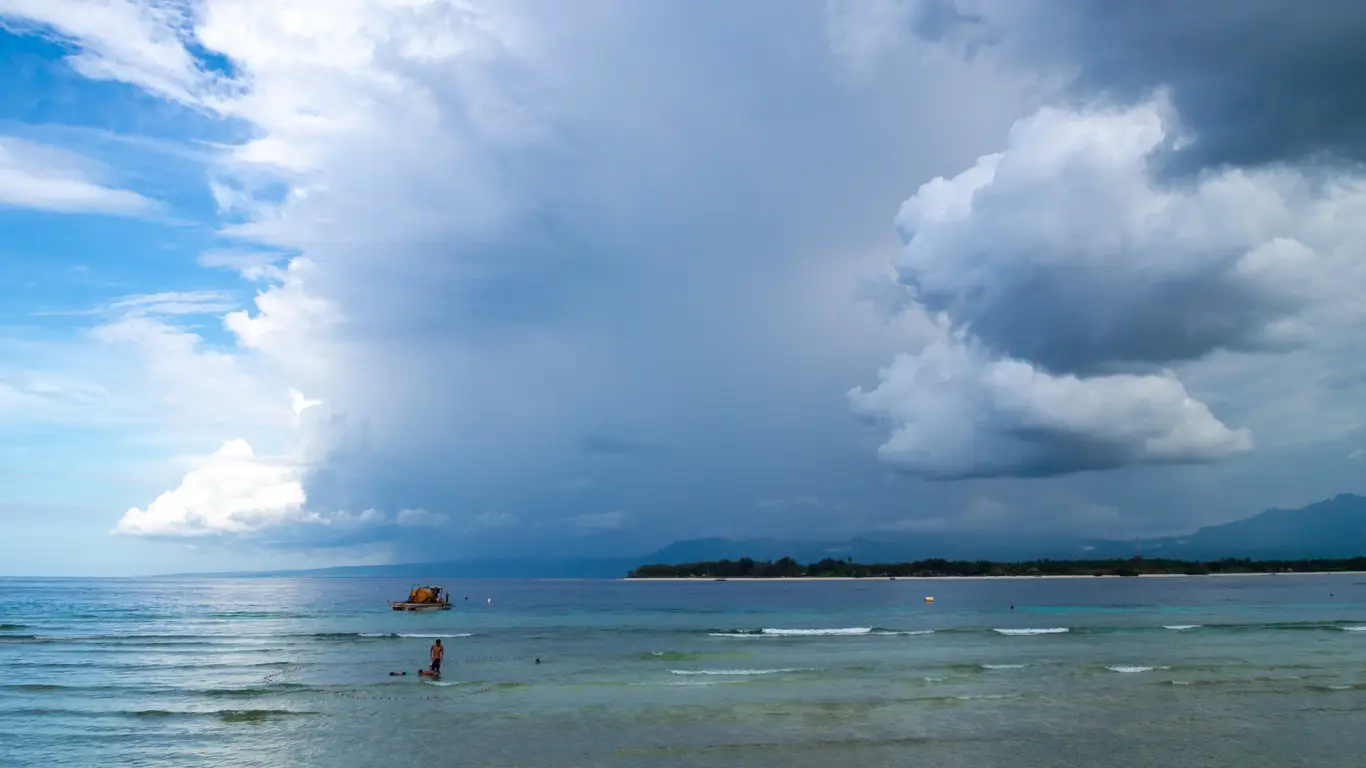
Bali has dozens of beaches, each with its own crowd. Some boast full-blown infrastructure, others are still semi-hidden. Truly calm-water coves are rare, so those dreaming of a perfectly still shoreline should set expectations accordingly.
Kuta is one of the most popular stretches, especially with younger travelers and surfers. Consistent waves, a coral-free bottom, and a profusion of cafes and bars make it the island’s liveliest beach scene.
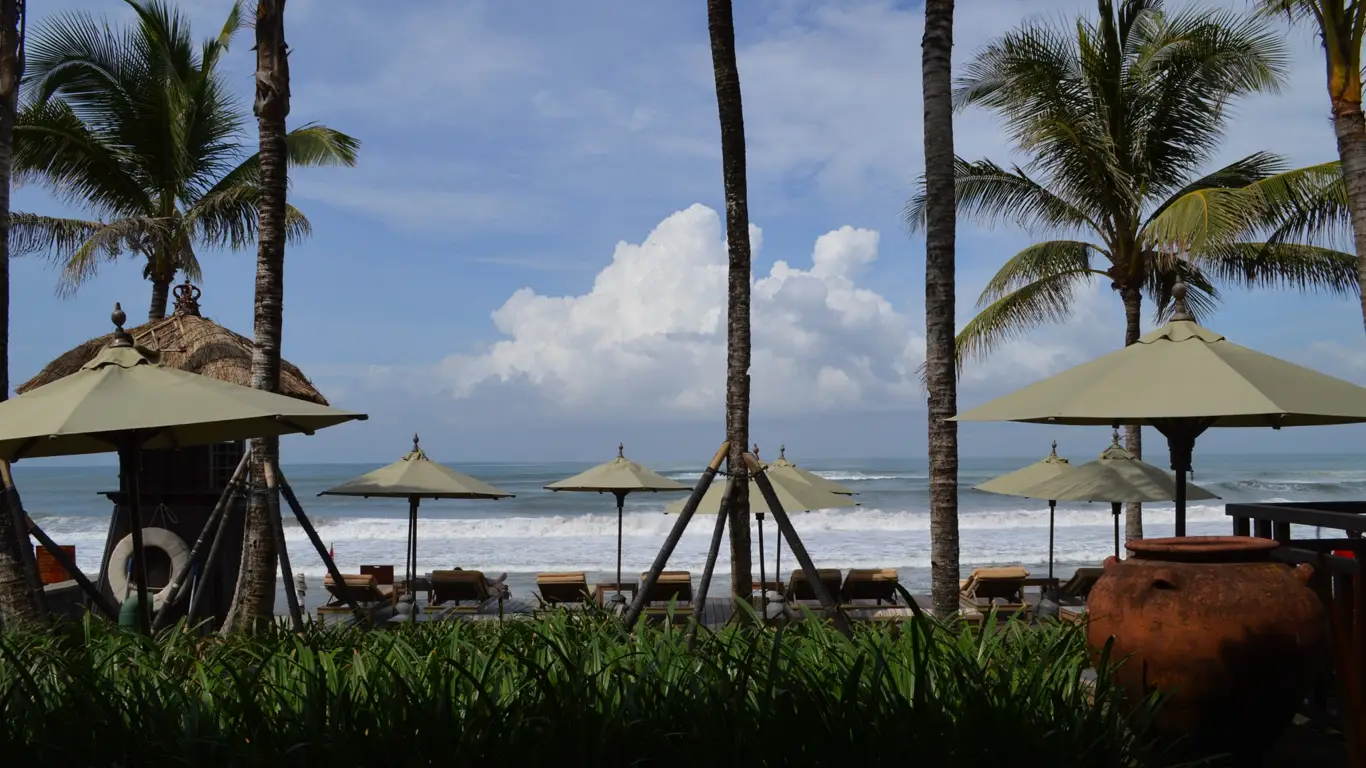
Close by, Seminyak and Legian offer a similar feel with a calmer tempo and a more upmarket crowd. Sun loungers and umbrellas are easy to rent, there are plenty of beachfront eateries, and the gentler waves suit beginners learning to surf.
For a lazier day, Jimbaran fits the bill. The ocean is calmer, tides are barely noticeable, and the sand is white. It is popular with novice surfers and anyone who simply enjoys a swim.
Sanur also promises a relaxed rhythm, with white sand, clear blue water, and almost no waves—good for swimming and diving.
Padang Padang used to be a local secret but rose to fame after the film Eat Pray Love. Facilities remain minimal—think umbrellas and drinks from small cafes. It is a magnet for surfers thanks to frequent swells, and spectators come for annual surf contests in June.
Lovina stands out for its black volcanic sand stretching for about eight kilometers and its smaller waves. It is also known for dolphins that often show up near the shore.
Nusa Dua is the island’s polished resort enclave with upscale hotels and refined restaurants. The beach itself, however, is not Bali’s best: the water can be cloudy due to sand and seaweed, and swimming is practical only at high tide. Hotels usually provide tide charts so guests can plan their beach time.
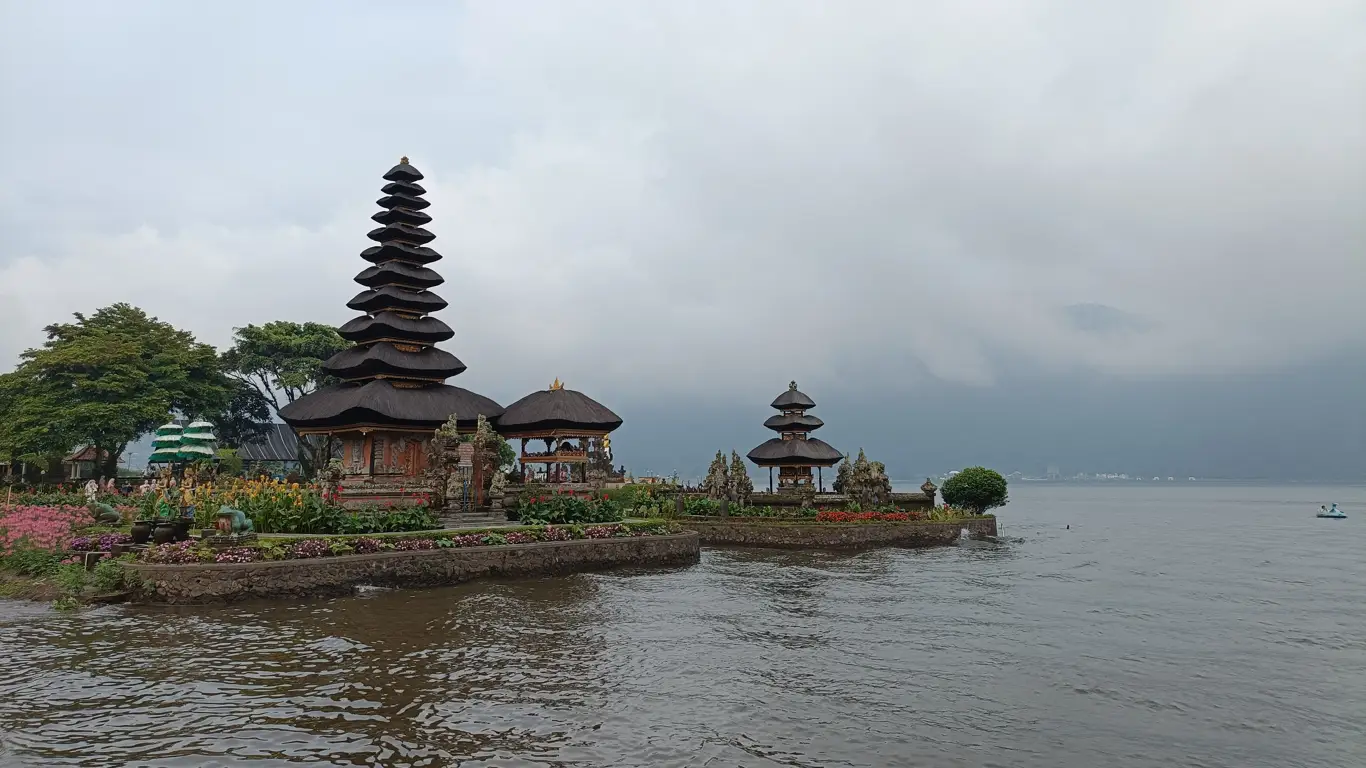
Ubud is the island’s cultural heart, defined by emerald rice terraces, art galleries, yoga retreats, and traditional crafts. It is the place to feel Bali’s spirit, visit ancient temples, and slow down in nature.
Seminyak is one of Bali’s most prestigious areas, known for beach clubs, designer boutiques, and high-end dining. A good fit for those who want a stylish getaway with a dose of nightlife.
Canggu offers a laid-back vibe popular with surfers and beachgoers who prefer to stay a little off the main drag. It is dotted with surf breaks, cozy cafes, and bohemian hangouts where travelers from all over the world mingle.
Nusa Dua is the classic choice for families, with top-tier resorts, clean and safe beaches, and a roster of activities from water sports to golf.
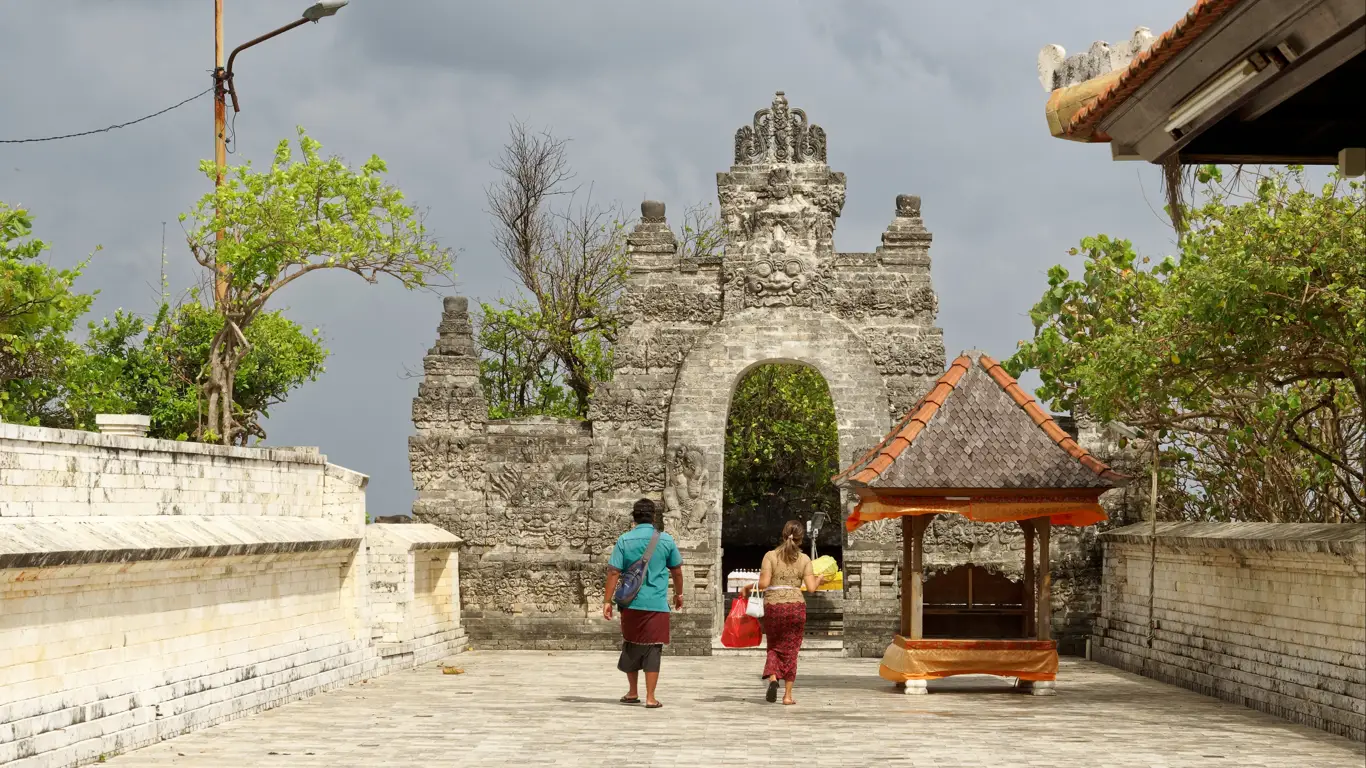
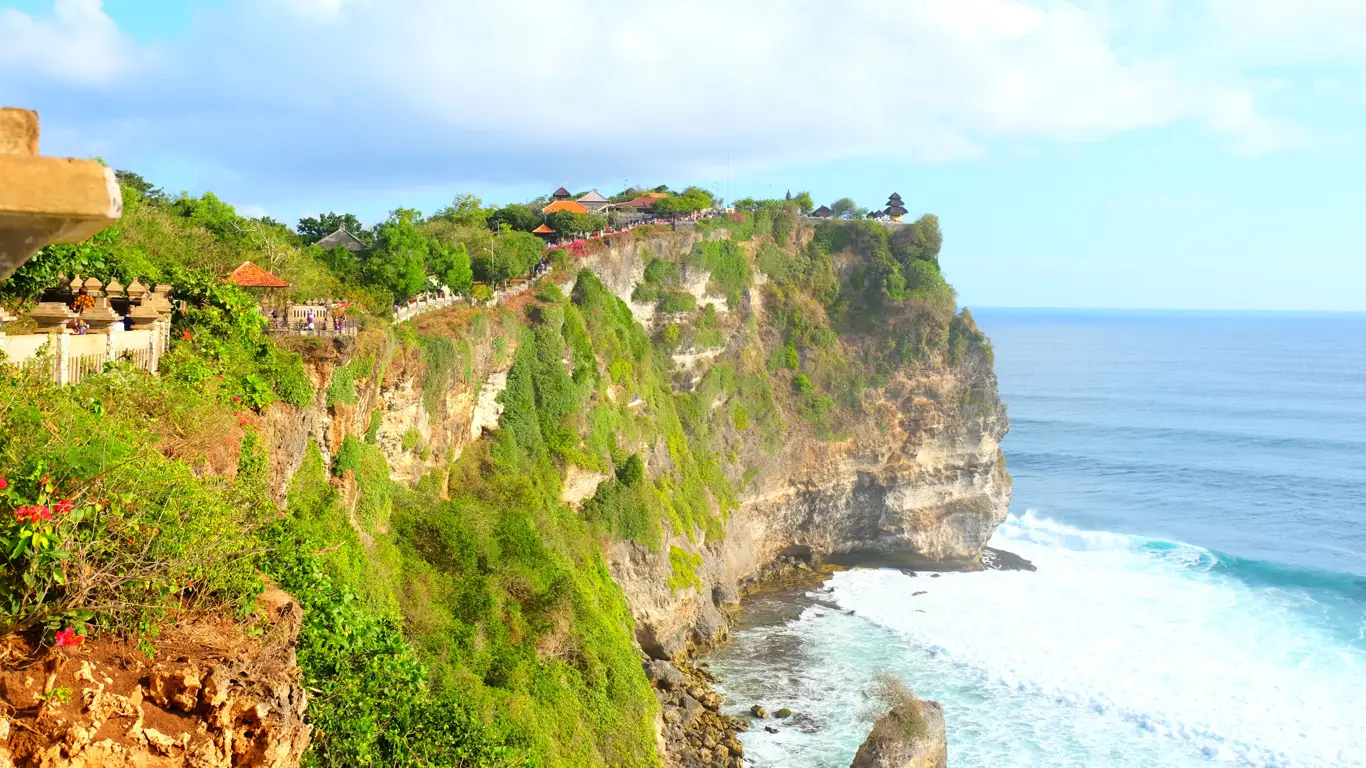
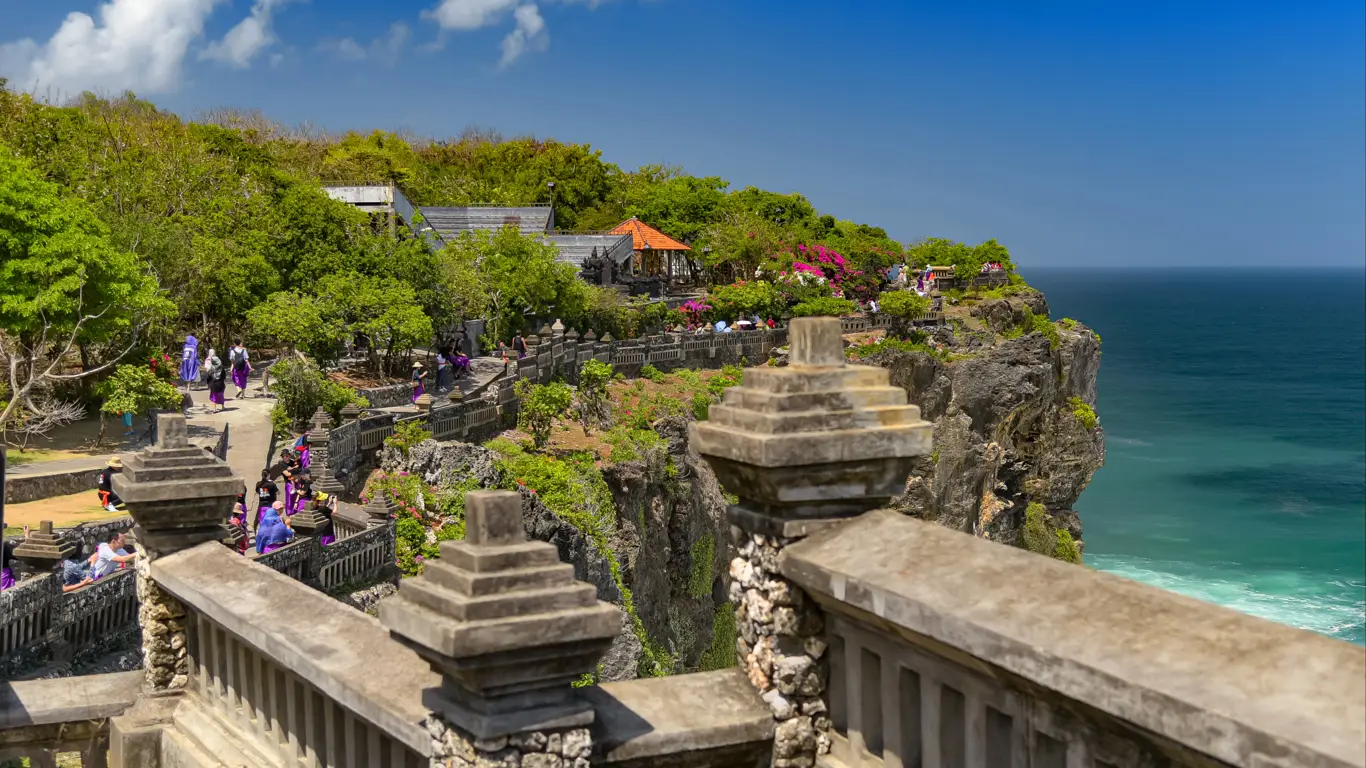
Uluwatu draws surfers and sunset chasers with its cliff-top temple and dramatic coastline. Beaches like Padang Padang and Bingin add to the area’s pull.
The Nusa Islands—Nusa Penida, Nusa Lembongan, and Nusa Ceningan—are ideal for day trips or short stays. Penida is famed for striking viewpoints, tucked-away beaches, and diving where manta rays and sea turtles are frequently spotted.
Bedugul, a mountain region with a cooler climate, is home to the lakeside temple on Lake Bratan and beautiful gardens. It appeals to those seeking a quieter, nature-focused escape in Bali’s highlands.
Taken together, these spots let you mix beach time with culture and active pursuits so the itinerary never feels one-note.
According to Tourvisor, as of now, 12-night Bali packages departing Moscow on December 25 with connections on Chinese airlines start from 350 thousand rubles for two, including flights and a stay with breakfast at Merusaka 5 stars.
That price is almost half of comparable trips on nonstop flights. A similar package with Aeroflot departing December 26 for the same 12 nights and breakfasts at the same hotel starts from 869 thousand rubles for two.
The same pattern holds in the luxury segment. A package with a Chinese carrier and accommodation at The Ritz-Carlton Bali 5 stars, departing Moscow on December 26, is available from 710 thousand rubles for two for 12 nights. The equivalent trip on an Aeroflot nonstop on the same date starts from 1,243,000 rubles. The numbers speak for themselves: routing can make a decisive difference to the budget.
