
Explore New Year traditions worldwide, from Spain and Italy to Japan, China and India, with customs, foods and rituals to inspire your next celebration.
New Year is one of those rare moments that quietly pulls people together across continents. No matter the culture or calendar, it’s a pause to tally up the past and step toward the future with a bit of hope. The ways we celebrate, though, tell vivid stories about history, place, and identity—each one different, all of them unmistakably symbolic.
From street-long carnivals to intimate family tables, from blazing fire rituals to hushed traditions at home, New Year arrives in countless forms—and every one feels meaningful. Here’s a tour of how the world greets the turning of the year, with customs that surprise, delight, and sometimes inspire you to borrow a few for your own celebration.
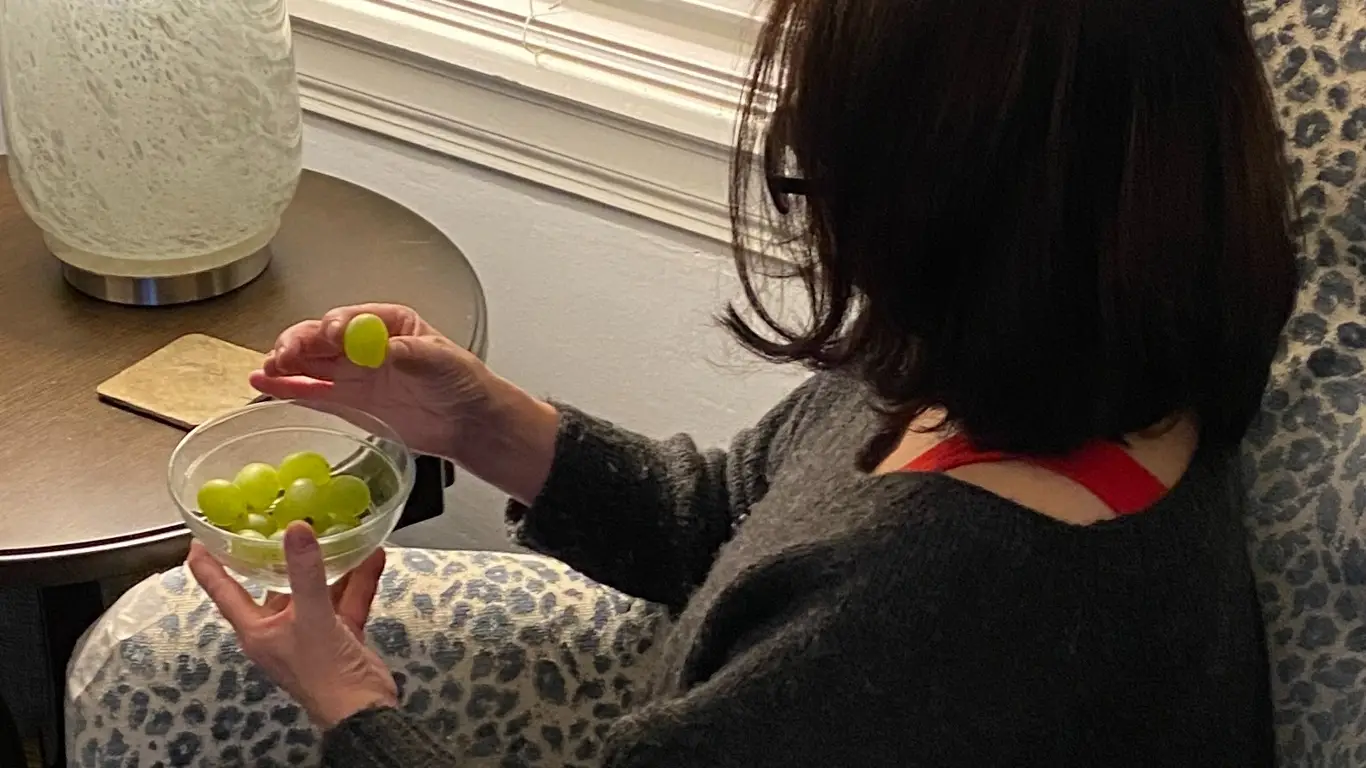
In Spain, Nochevieja is buoyant and bright, anchored by a tradition everyone knows: twelve grapes at the stroke of midnight. With each chime, people eat a grape—twelve in total—pinning a wish or a bit of luck to each month ahead. Those who manage the full dozen in time are said to be set for a fortunate year. The custom took root in the late nineteenth century and, according to the story, surged in 1909 after a particularly abundant grape harvest—smart timing that turned into a national ritual.
There’s also a fondness for wearing new red underwear, a nod to luck and love in the year to come. The night often starts at home and spills into the streets after midnight, with Madrid’s Puerta del Sol acting as a magnet for crowds who want to hear the clock and welcome the year together. The scene never really loses its charm.
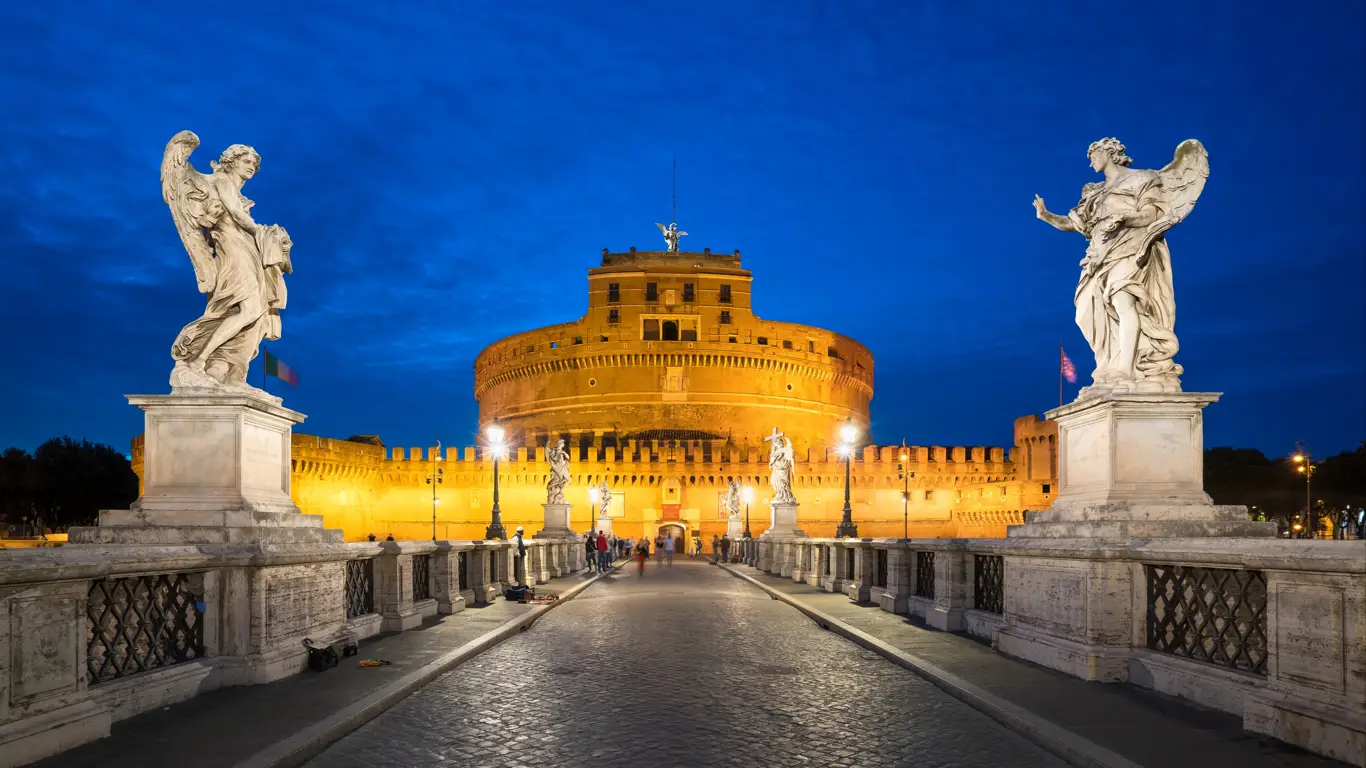
Italy’s Capodanno blends spectacle with symbolism. Few rituals are as telling as the red underwear tradition—worn for good luck, love, and protection against misfortune. Another habit is tidying life by shedding old belongings on the year’s final day. In some regions, people once tossed out even bulky items, a bold gesture of letting go; today the spirit remains, even if the methods are gentler.
For those with a romantic streak, a kiss on a bridge or by the water at midnight is said to invite luck and shore up love. It’s a poetic setting for a fresh start.
In Greece, Protochronia (Πρωτοχρονιά) doubles as the feast day of Saint Basil, the gift-bearer in Greek tradition. At the center of the table is vasilopita, a festive cake or bread with a coin baked inside. Slices are shared among family, guests, and symbolically with God, Saint Basil, and the household. Whoever finds the coin is considered blessed with luck for the year.
Pomegranates also take the spotlight: families smash one on the doorstep, and the more seeds that scatter, the more prosperity the year is thought to bring. Card games and board games are popular through the night, a playful way to beckon financial fortune. Many also mark midnight with church lights and prayer. There’s a quiet beauty to how faith and folklore meet here.
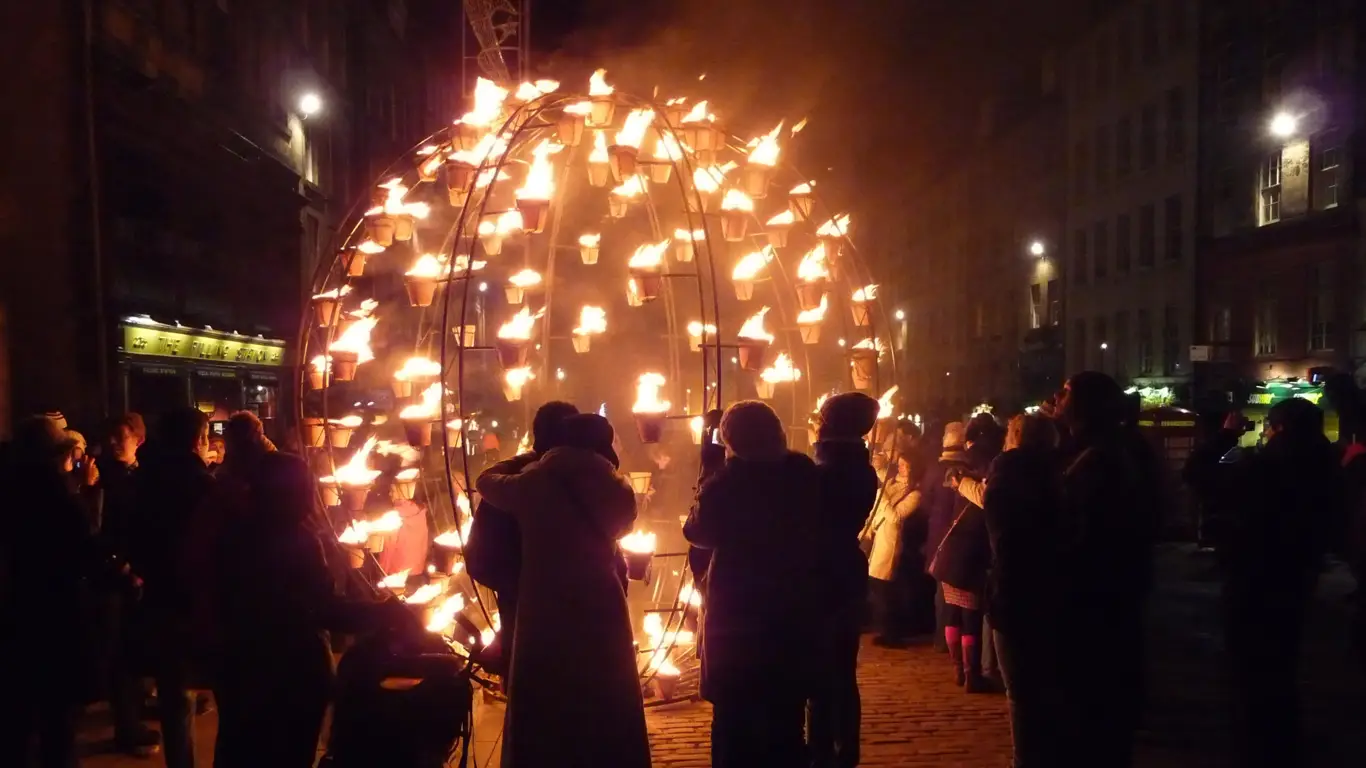
Scotland’s Hogmanay is New Year turned up to eleven, with roots in pagan solstice rites and echoes of the Vikings. One signature custom is First Footing: the first guest to cross the threshold after midnight is believed to set the household’s luck. The ideal first footer, tradition says, is a dark-haired man bringing small tokens—coal for warmth, bread for plenty, salt for savor, whisky for cheer, and a coin for wealth.
Fire is everywhere in Hogmanay lore. Edinburgh lights the sky with fireworks, while places like Stonehaven hold fiery processions. And as midnight turns, people join hands to sing Auld Lang Syne, linking together in a circle that stands for friendship and unity. It’s hard to think of a New Year party more unabashedly communal.
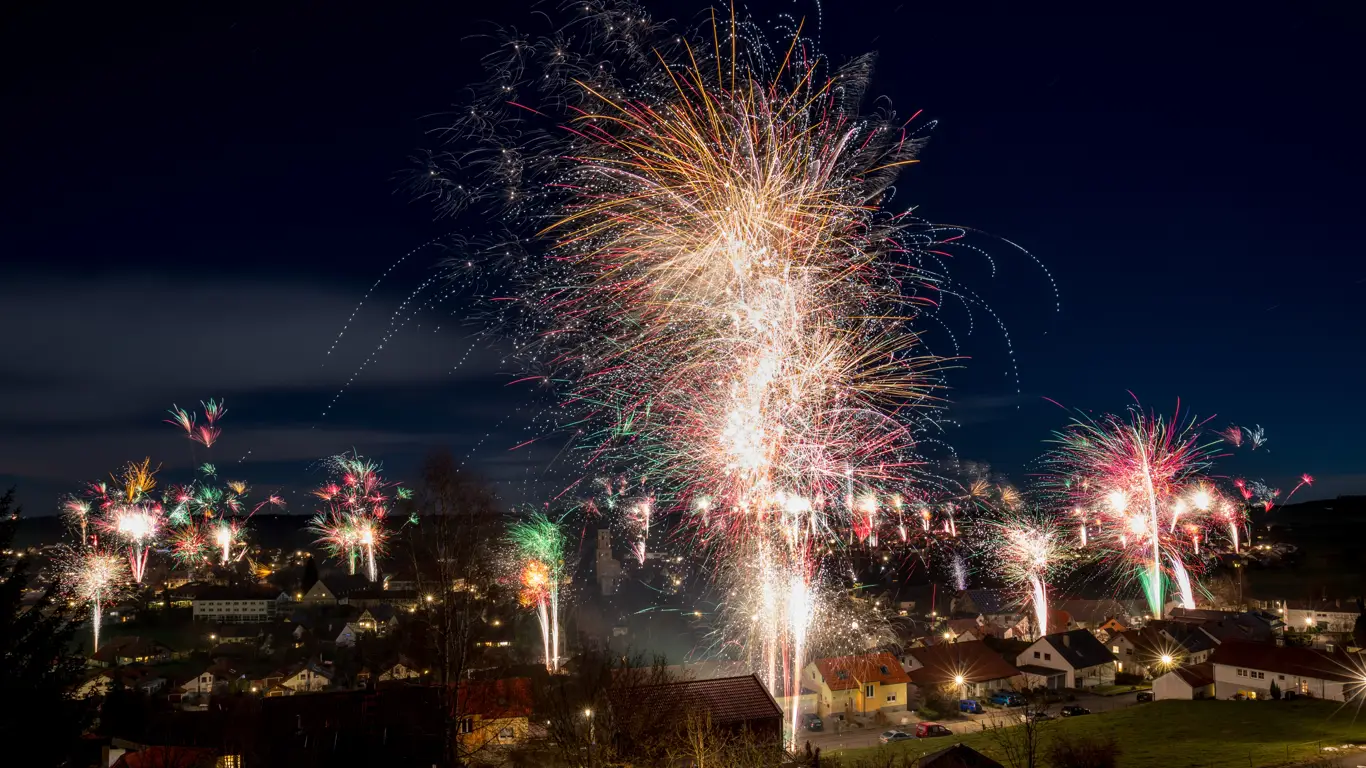
In Denmark, Nytårsaften comes with playful rituals that signal renewal and good fortune. One of the most distinctive is breaking plates at friends’ and relatives’ doors. The pile of shards by morning is read as a measure of luck—and of how loved you are. It’s a tradition that manages to be both mischievous and warmhearted.
The Queen’s annual address at 18:00 on December 31 draws families to the television, a shared moment of reflection. Then, as midnight strikes, people jump from a chair or stool to “leap” into the New Year, leaving missteps behind. Champagne follows, often with a towering marzipan kransekage. Many also give their homes a careful pre-holiday clean, a tidy slate for what’s next. The collective jump is the kind of lighthearted theater that stays with you.
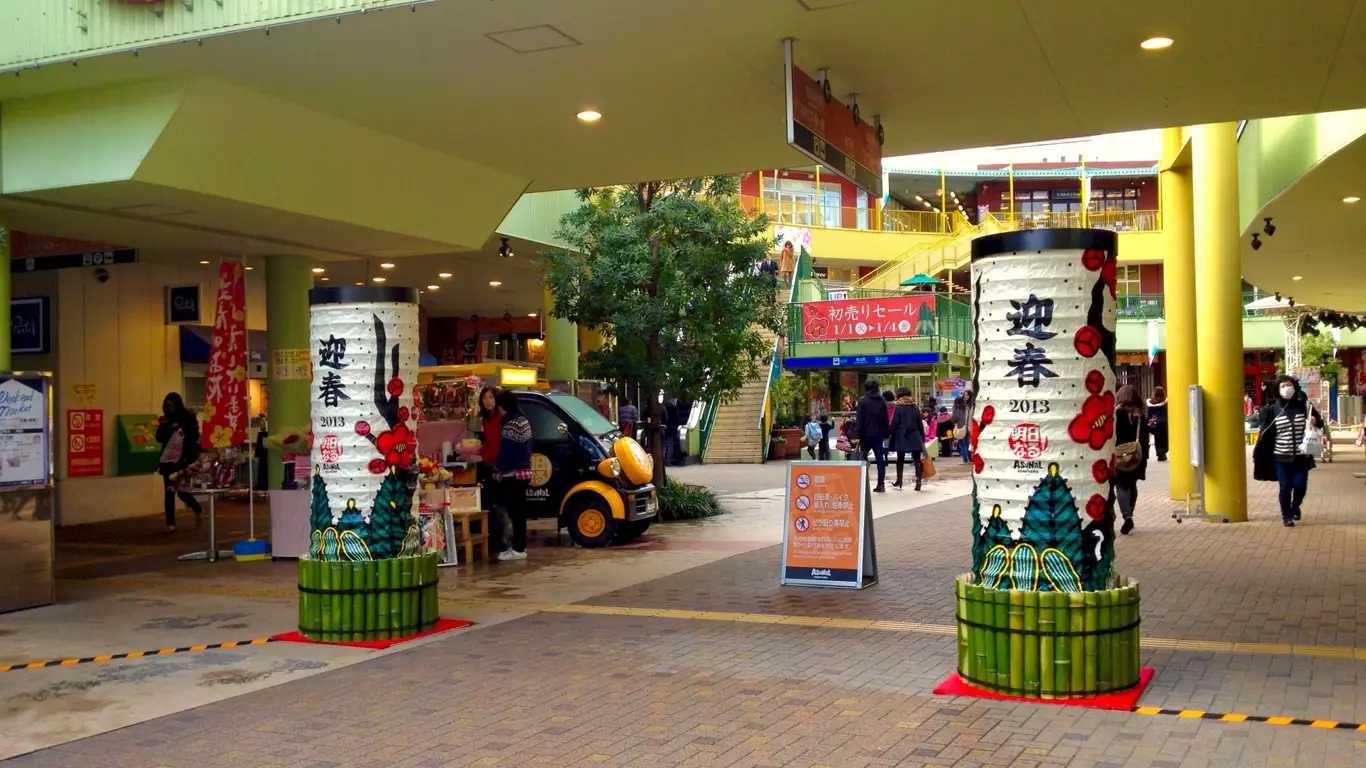
Oshogatsu is among Japan’s most cherished holidays, a calm, clear-eyed reset built on family and spiritual cleansing. In late December, households undertake a deep clean known as oosouji, sweeping out the year’s residue to welcome the next with order and harmony.
At temples on New Year’s Eve, the bells toll for Joya no kane—108 strikes, each one symbolically clearing away a worldly desire. The hush that follows feels like a reset button for the soul.
New Year food—osechi-ryori—arrives in lacquered boxes, with each dish carrying a wish for the future. People also send nengajo, greeting cards the postal service aims to deliver precisely on January 1. In the first days of the year, many make their hatsumode, a first visit to a shrine or temple to pray for health, happiness, and success, often picking up lucky charms and leaving written wishes.
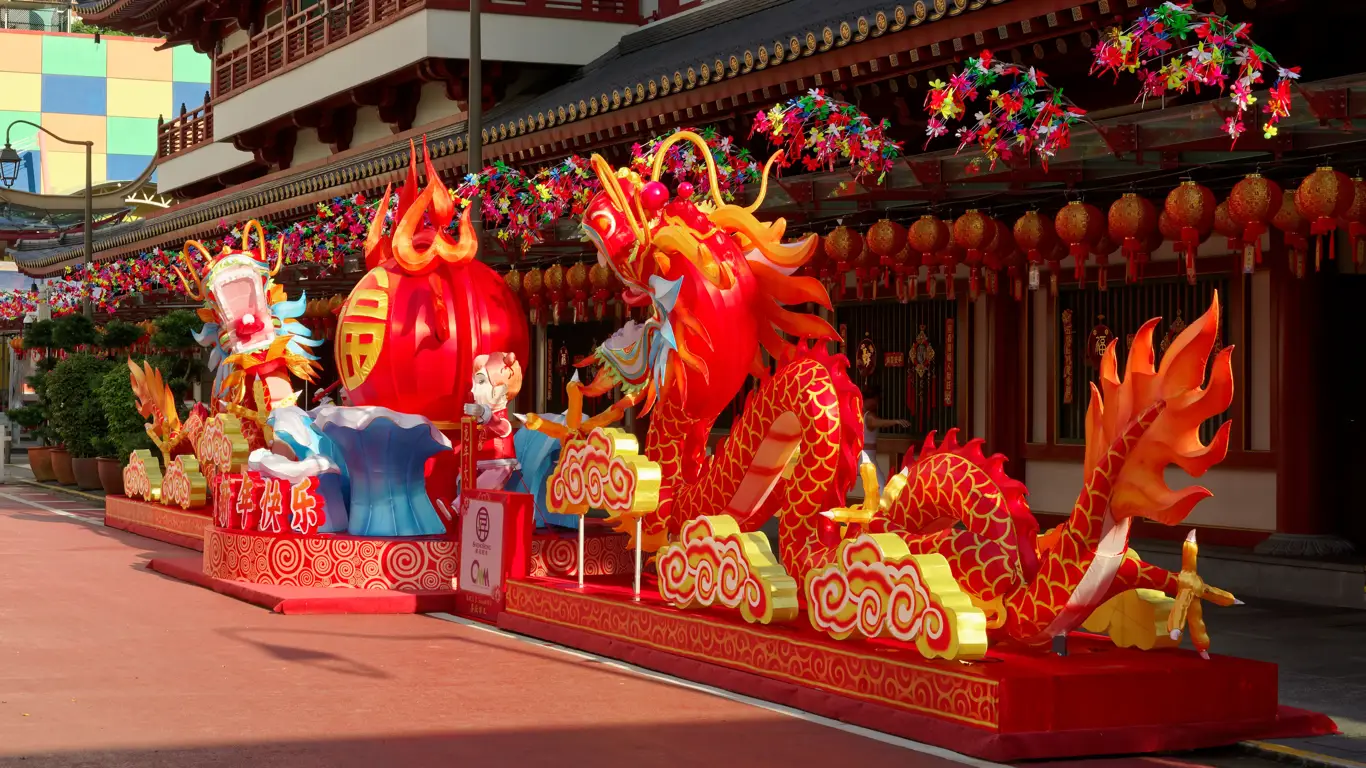
Chinese New Year—the Spring Festival—follows the lunar calendar, arriving between January 21 and February 20. It’s a season of renewal and family, anchored by careful housecleaning to sweep out misfortune, then decorating with red for luck.
The reunion dinner on New Year’s Eve brings everyone to the table. Symbolic dishes are must-haves: dumplings whose shape evokes gold ingots, fish for abundance, and rice balls that stand for family unity. Elders gift red envelopes with money to younger relatives, blending luck’s color with wishes for prosperity.
Fireworks and firecrackers are part merrymaking, part legend—said to scare off the creature Nian with noise and the color red. In the days that follow, lion and dragon dances animate streets with strength, protection, and joy. Visits to family and friends continue until the Lantern Festival on the fifteenth day, when glowing lanterns lift hopes into the night. The holiday’s choreography—from crimson banners to rhythmic drums—turns tradition into a living spectacle.
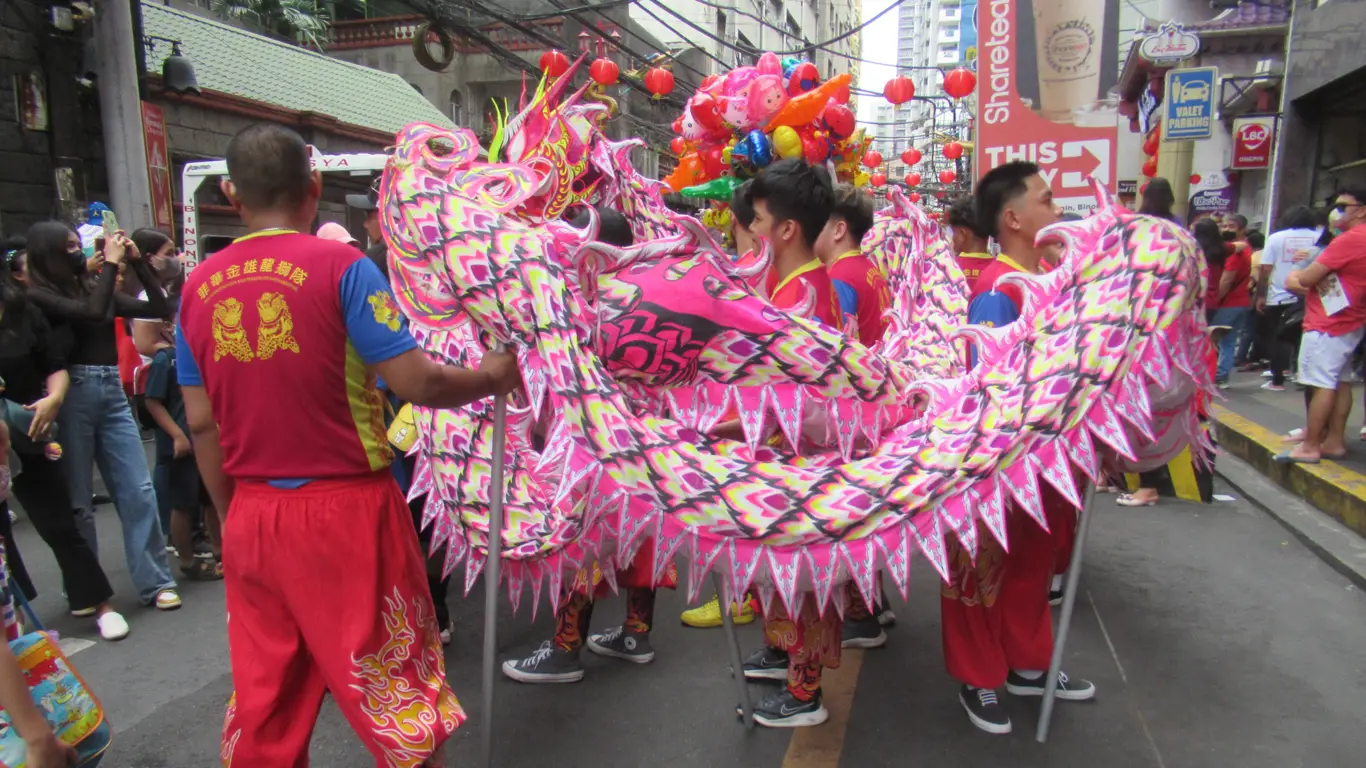
On the Philippines, Bagong Taon is exuberant and eclectic, blending Spanish, Chinese, and local traditions. Circles are everywhere—symbols of coins, wealth, and plenty—so homes are dressed with round objects, polka dots are in, and twelve round fruits stand for luck in each month of the year.
Noise is essential: fireworks, firecrackers, pot lids clanging, whistles, even spoons drumming on plates to chase away evil spirits and clear a path for joy. Many jump at the stroke of midnight, hoping to grow taller; doors and windows swing open to let good fortune flow in. People jingle coins or tuck bills into wallets and around the house to invite prosperity. With a largely Catholic population, prayers and church services frame the celebration. Few places embrace joyful noise with such gusto.
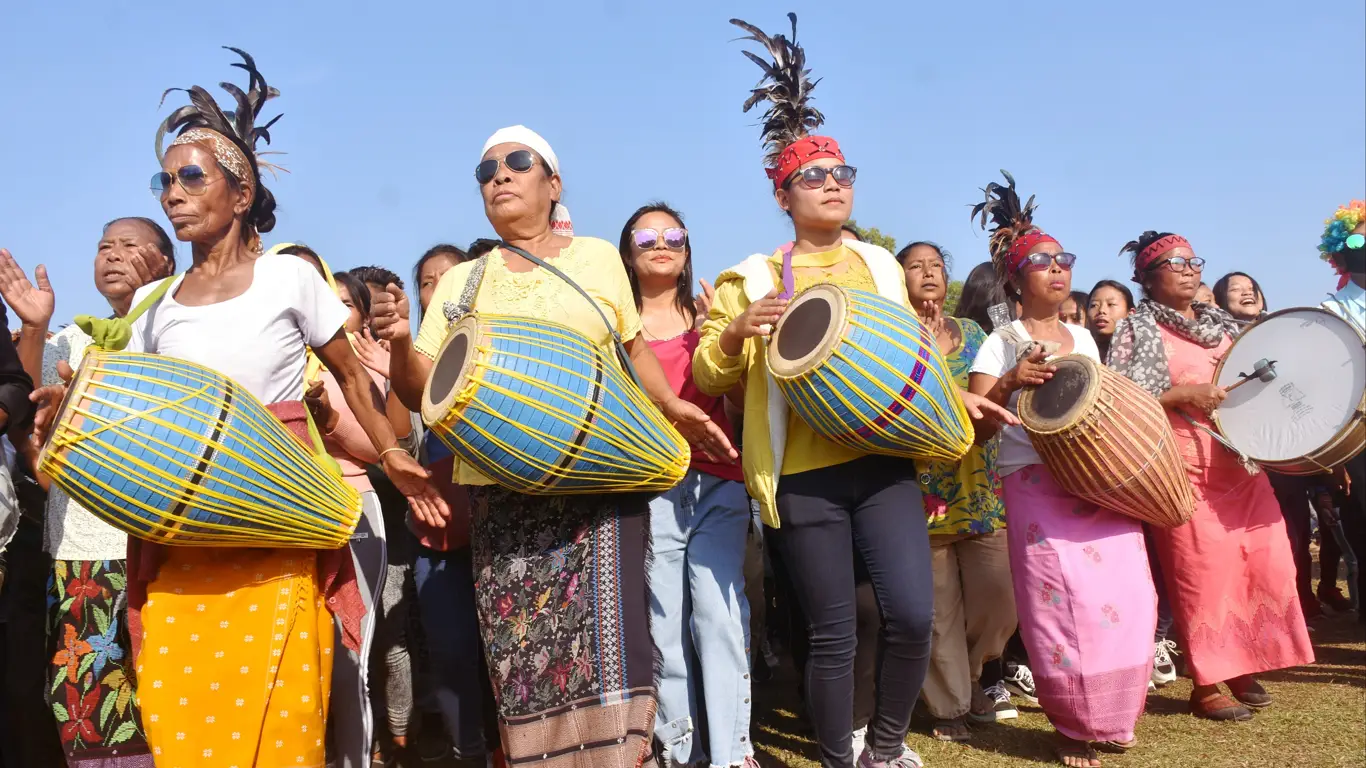
India rings in the New Year in many ways, reflecting its cultural breadth, faiths, and regional rhythms. January 1 has become a popular, city-forward celebration with parties, fireworks, music, and dancing, while gifts—sweets, flowers, small tokens—carry good wishes into the year.
Across the country, New Year also appears on different dates by local calendars, each with distinct traditions. In the south, Pongal (the Tamil New Year) is marked in January and tied to the end of the harvest. In the west, Gudi Padwa (in Maharashtra) and Navroz (among Parsis) celebrate spring’s renewal, with homes adorned by flags and flower petals and tables set with festive dishes. In the north, Vaisakhi (for Sikhs) is a harvest festival that also begins the year, marked by prayer, song, and folk dances like bhangra. In the east, West Bengal observes Pohela Boishakh in April, with new clothes, temple visits, and special foods.
Homes glow with diyas, flower garlands, and rangoli designs, while prayers and blessings open the year in Hindu traditions. In some regions, fireworks and lights add a sense of triumph and joy. The mosaic of calendars and customs feels like the country in miniature: diverse, energetic, and always looking forward.