
Explore Santo Domingo’s ghost legends—from Casa del Tapao and the Monastery of San Francisco to Ciguapa and El Bacá. Tours, folklore, and history collide.
Santo Domingo is the oldest European city in the Americas. It sits where history and the present are woven so tightly that the past still feels within reach. By day, visitors come for the architecture and the atmosphere; by night, the streets and ruins seem to trade their bustle for whispers of old tales and murmurs about ghosts.
One of the city’s best-known legends circles around Casa del Tapao. In colonial times, a man lived there whose face no one ever saw. People called him Tapao, meaning hidden. Some said he concealed a disfigurement, others took him for an outcast, and there were those who believed he was cursed. The story still passes from mouth to mouth, and guides relish telling it on nighttime walks through the city.
Dominican folklore is rich with mysterious figures.
• Ciguapa — a woman with backward-facing feet who lures men into the mountains and vanishes.
• Jupías — female spirits that appear in the mountains at night.
• Biembienes — creatures that leave tracks as if walking backward.
• Galipote (Lugarú) — a shapeshifter that can turn into a dog or even a tree.
• El Cuco (or El Coco) — a bogey used to frighten unruly children.
• El Bacá — a demon that appears after a pact with the devil.
These figures emerged from a blend of Indigenous beliefs, African traditions, and Catholicism. They both frightened and instructed: a reminder that the night conceals dangers, and a way to make sense of the unexplainable.
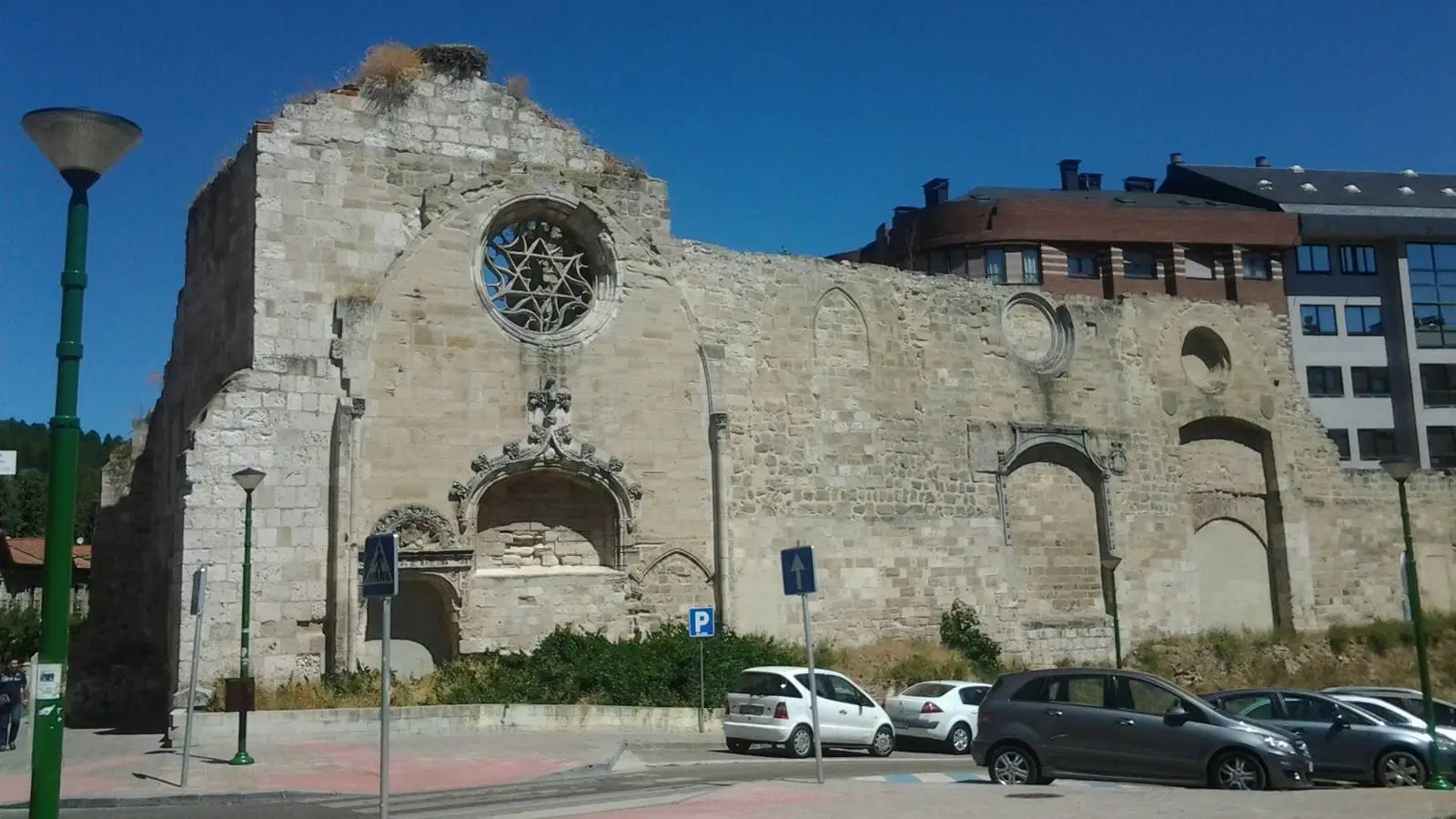
The Monastery of San Francisco holds a special place. Its walls have survived earthquakes and wars, and now they serve as a backdrop for stories of ghostly monks. In the Colonial Zone, almost every old building has a tale to tell — arches, ramparts, and shadowed alleys seem made for eerie narratives. This is where evening tours devoted to legends and ghosts take shape.
The city’s mystique has also found a voice in literature. The well-known text El vampiro negro: Una leyenda de Santo Domingo links the figure of the vampire to themes of history and society. It suggests that legends are more than scary stories; they can be a way to discuss serious matters through symbols.
These days, such stories live mostly in guided tours. Nighttime routes often include mentions of Casa del Tapao, the Ciguapa, or El Bacá. These walks become especially popular in October, as Halloween approaches.
There is also a lingering question: where does true memory end and a commercial fright for visitors begin? Official websites do not offer a systematic catalog of these legends — they travel by word of mouth, through blogs and private efforts. A measure of skepticism only sharpens their appeal, rather than dulls it.
The legends of Santo Domingo are not just entertainment. They hold the fears and hopes of past generations, the memory of hard times, the imprint of religion, and a shared cultural legacy. Behind figures like the Ciguapa or El Bacá stand not only folktales, but ideas about belief and the unknown. The city’s old walls have become the keepers of these narratives.
A nighttime walk through Santo Domingo is more than a look at architecture; it is an encounter with memory that comes alive in legend. Stories of Casa del Tapao, the Monastery of San Francisco, and mythic creatures remind us that every city has its shadow side. Even if you never make it to the Dominican Republic, the capital’s ghost lore offers a glimpse of the past and shows why these tales still matter.