
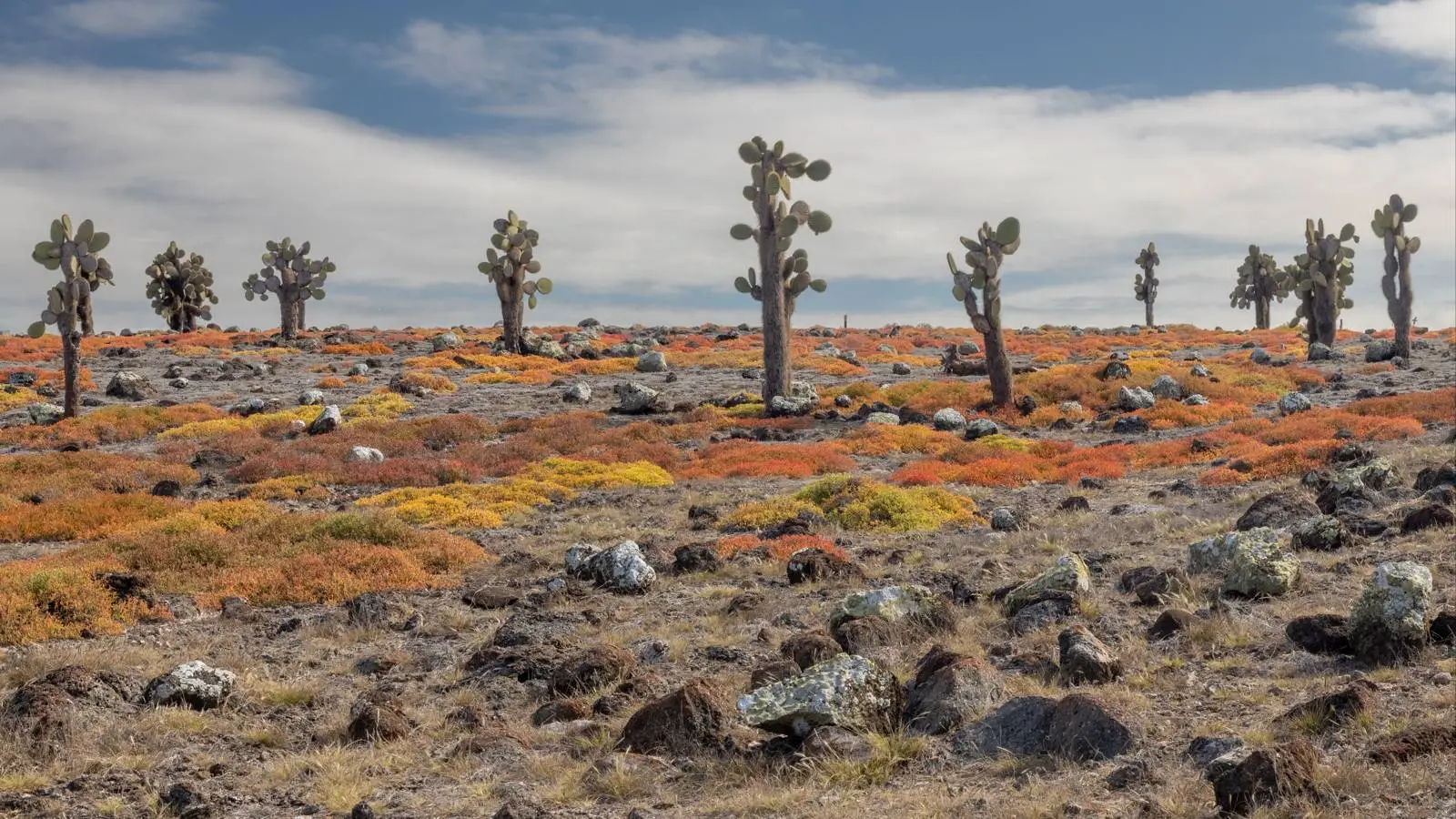
Discover 8 endangered destinations—from Yellowstone and the Maldives to Venice and the Great Barrier Reef. Learn why they’re at risk and how we can protect them.
Our world is dotted with astonishing places that draw millions with their beauty, rare ecosystems, and cultural depth. Yet many of these destinations live under the shadow of disappearance. Ironically, the very traits that make them irresistible—unique geography and fragile nature—also leave them exposed.
From the grandeur of Yellowstone National Park, resting atop an active supervolcano, to the tropical Maldives, threatened by rising seas, these destinations sit on the front line of climate change, natural hazards, and human pressure. It’s difficult to admire them without also sensing how precarious they’ve become.
This article highlights resorts at risk, why they could vanish, and what’s being done to protect them. The loss of such places would reshape how we see the planet. Safeguarding them is not only an environmental duty—it’s a way to preserve a shared inheritance for those who come after us.
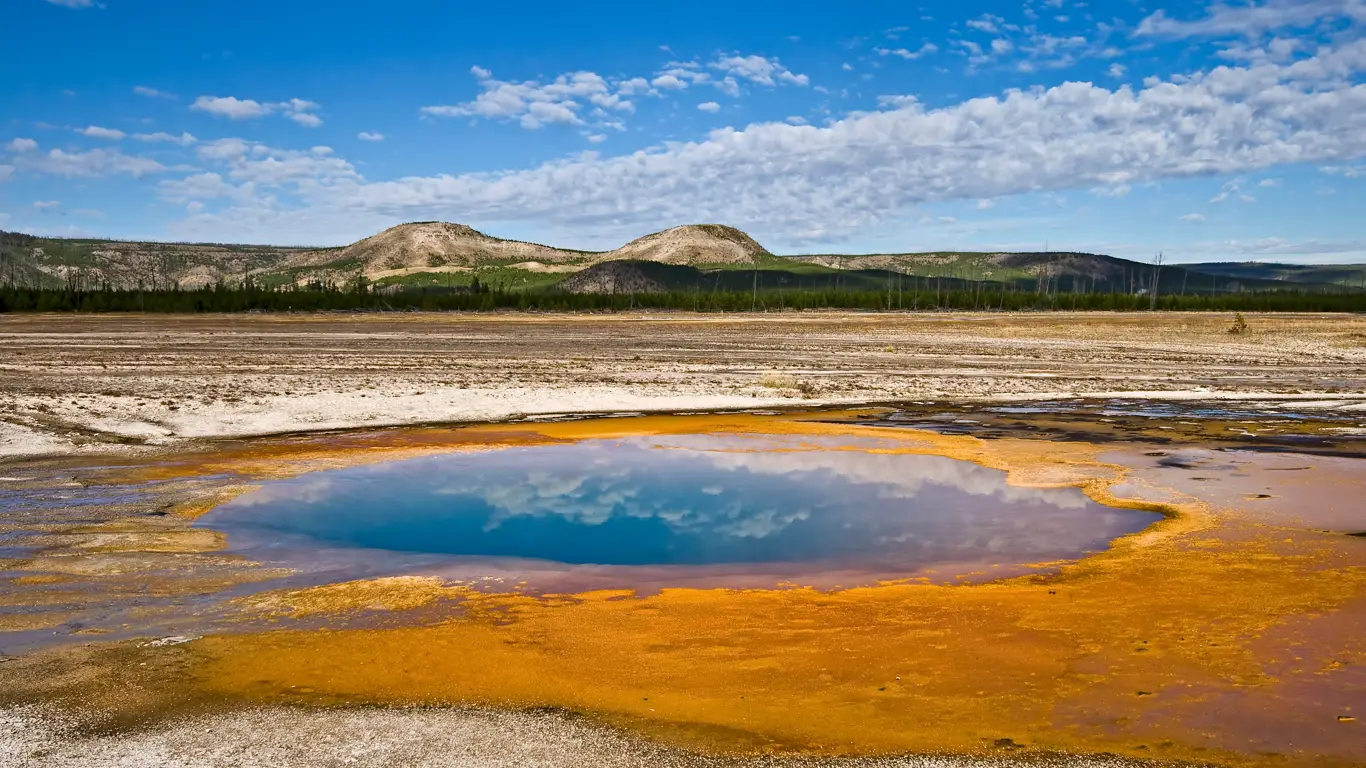
Spanning Wyoming, Montana, and Idaho, Yellowstone draws millions with sweeping landscapes, geothermal marvels, and abundant wildlife. Its allure, however, sits right over one of the planet’s largest supervolcanoes—an ever-present risk that shapes the park’s story.
The Yellowstone Caldera is a vast volcanic crater formed by ancient eruptions, beneath which lies a massive magma chamber still under active study. Iconic wonders such as Old Faithful and the park’s kaleidoscopic hot springs are direct signs of that volcanic heartbeat.
The main danger is a potential supervolcanic eruption, with far-reaching consequences: an eruption could devastate large areas in and around the park; ash clouds could disrupt global climate in a “volcanic winter”; even without an eruption, earthquakes and geothermal shifts can damage ecosystems and infrastructure.
Why protection matters. Yellowstone is more than a destination—it’s one of the world’s most valuable natural sites. As a protected national park, it is closely monitored by scientists working to assess risks and minimize threats. The wonder that captivates visitors is inseparable from the vigilance it demands.
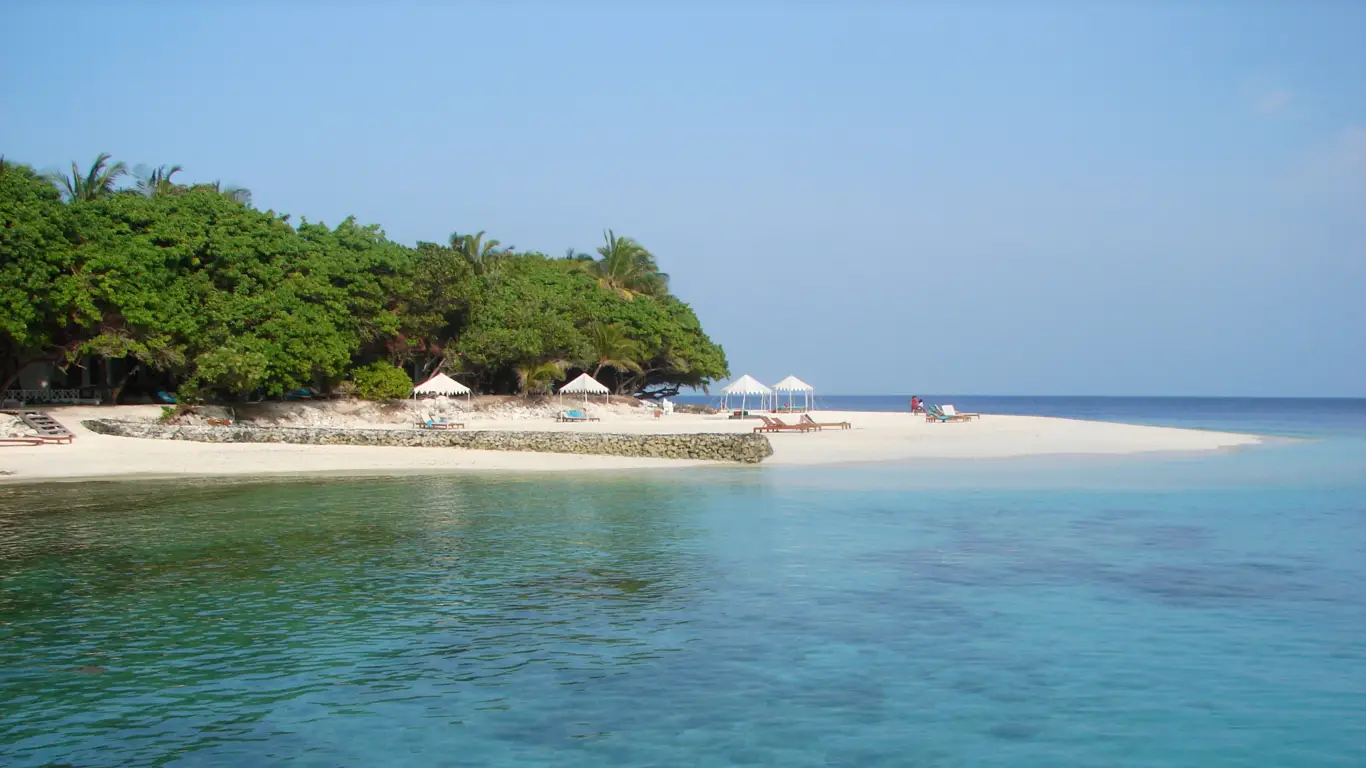
Scattered across the warm Indian Ocean, the Maldives—26 atolls and over 1,000 coral islands—has long been shorthand for postcard-perfect beaches, crystalline water, and lavish resorts. That same low-lying geography makes the archipelago acutely vulnerable.
The Maldives is the world’s lowest-lying country, with islands averaging roughly one meter above sea level. That fact alone places it among the first to feel the full weight of rising oceans.
The central threat comes from climate change.
Rising sea levels: Scientists forecast that ocean levels could climb by several decimeters by century’s end, rendering many islands uninhabitable—or inundating them entirely.
Coastal erosion: Relentless wave action eats away at beaches and land.
Coral bleaching: Warmer waters stress reefs that protect the islands, weakening their natural defense against erosion.
Ecological instability: Shifts in ecosystems threaten nature and the traditional rhythms of local life.
Why protection matters. The Maldives is both a travel idyll and a fragile ecosystem. The government is pushing adaptation—from building artificial islands to piloting sustainable initiatives. The message is stark but clear: survival hinges on how quickly resilience can be built.
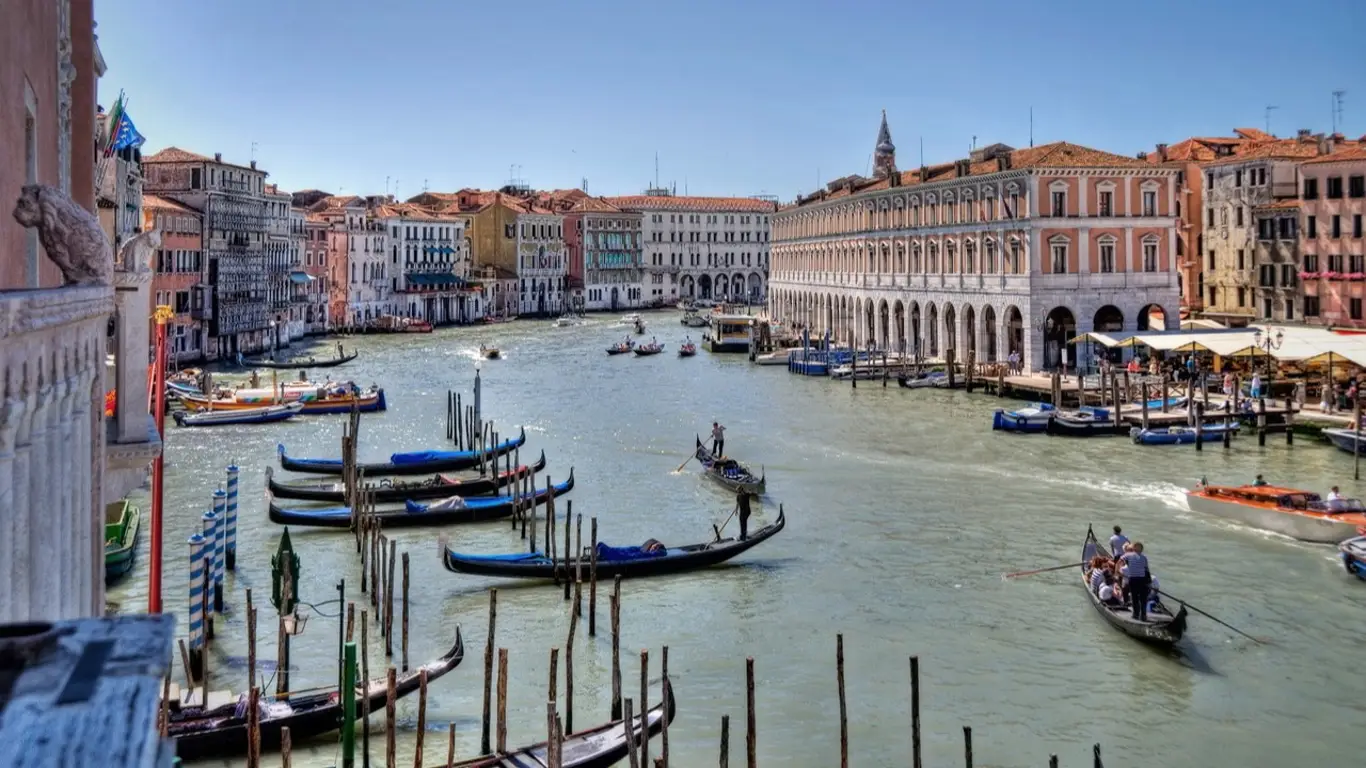
Venice—“the city on the water”—is a one‑of‑a‑kind web of 118 islands knit together by canals and bridges. Its cultural and architectural legacy is unmatched, and its watery setting as enchanting as it is precarious.
In northeastern Italy on the Adriatic, the city stands on wooden piles in a lagoon subject to tides, storms, and subsidence.
Its main threats stem from climate and environmental stressors.
Rising sea levels: Global warming is lifting the Adriatic, increasing Venice’s exposure to floods.
Subsidence: Long-term ground settling continues to lower the city.
Frequent flooding: The “acqua alta” high-water events are becoming more common, damaging historic buildings, bridges, and monuments.
Erosion and pollution: Large ships, heavy canal traffic, and water quality issues accelerate decay.
Why protection matters. A UNESCO World Heritage site, Venice is both destination and symbol. The city is acting: the MOSE project—mobile barriers to shield the lagoon from storms and tides; curbs on tourism, including limits on visitor numbers and a ban on large cruise ships; ongoing restoration to strengthen and save historic structures. The stakes are as cultural as they are physical.
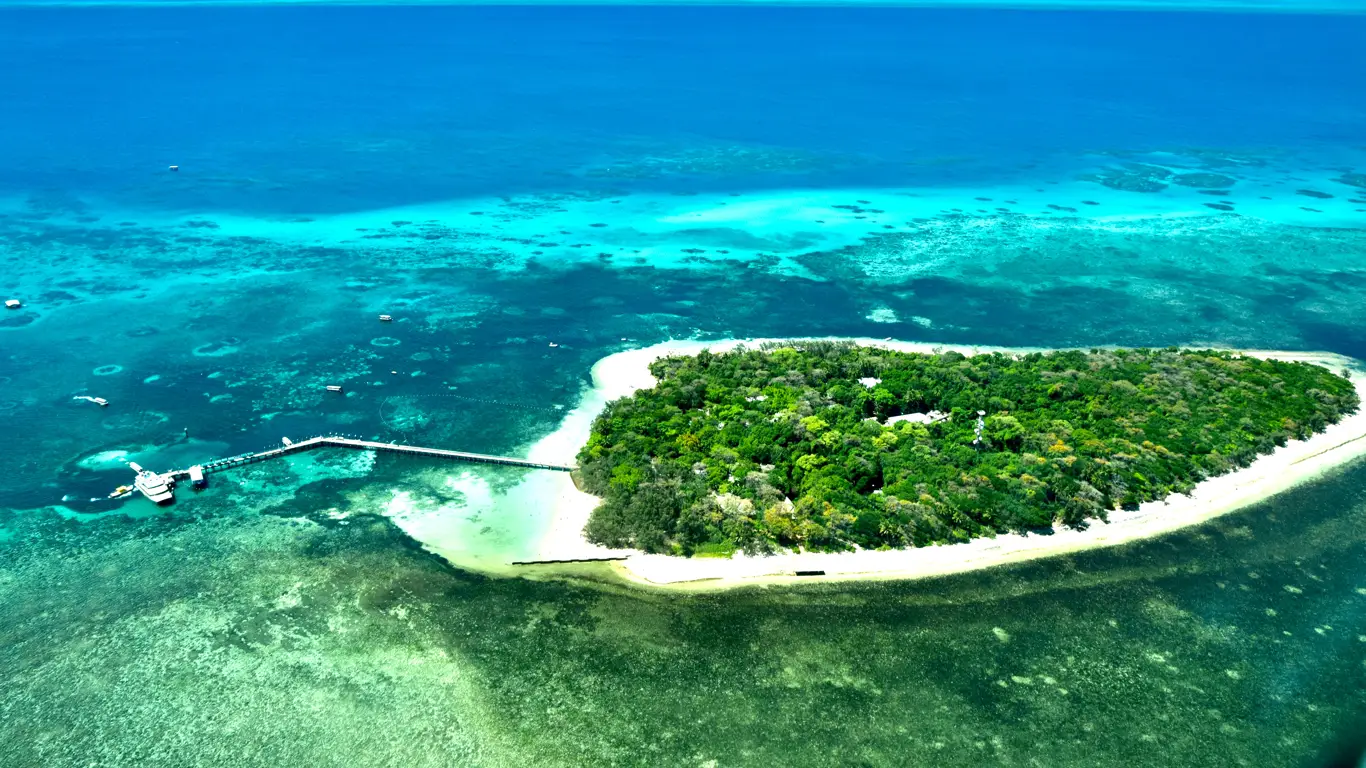
Off Australia’s northeast coast, the Great Barrier Reef is the largest coral ecosystem on Earth and a showpiece of natural beauty. Stretching more than 2,300 kilometers and comprising thousands of reefs and islands, it is breathtaking—and increasingly brittle.
These tropical waters nurture coral and a wealth of marine life, but the region is exposed to warming seas, cyclones, and shifting ocean levels.
The reef faces multiple, compounding threats:
Coral bleaching: Higher ocean temperatures stress corals, causing them to expel symbiotic algae and turn pale. More than half the reef’s corals have already been affected.
Ocean acidification: Rising carbon dioxide makes seawater more acidic, hindering coral skeleton formation.
Pollution: Agricultural runoff laden with fertilizers and chemicals degrades water quality and fuels harmful algae.
Frequent cyclones: Extreme weather batters coral structures and slows recovery.
Invasive species: Crown‑of‑thorns starfish consume corals and accelerate decline.
Why protection matters. The reef is a biological powerhouse that supports countless marine species, stabilizes ocean ecosystems, and shields coasts from waves.
Efforts to protect it include stricter water‑quality rules, cutting carbon emissions, and hands‑on restoration—from artificial reefs to cultivating corals more resilient to heat stress. The margin for error is shrinking.
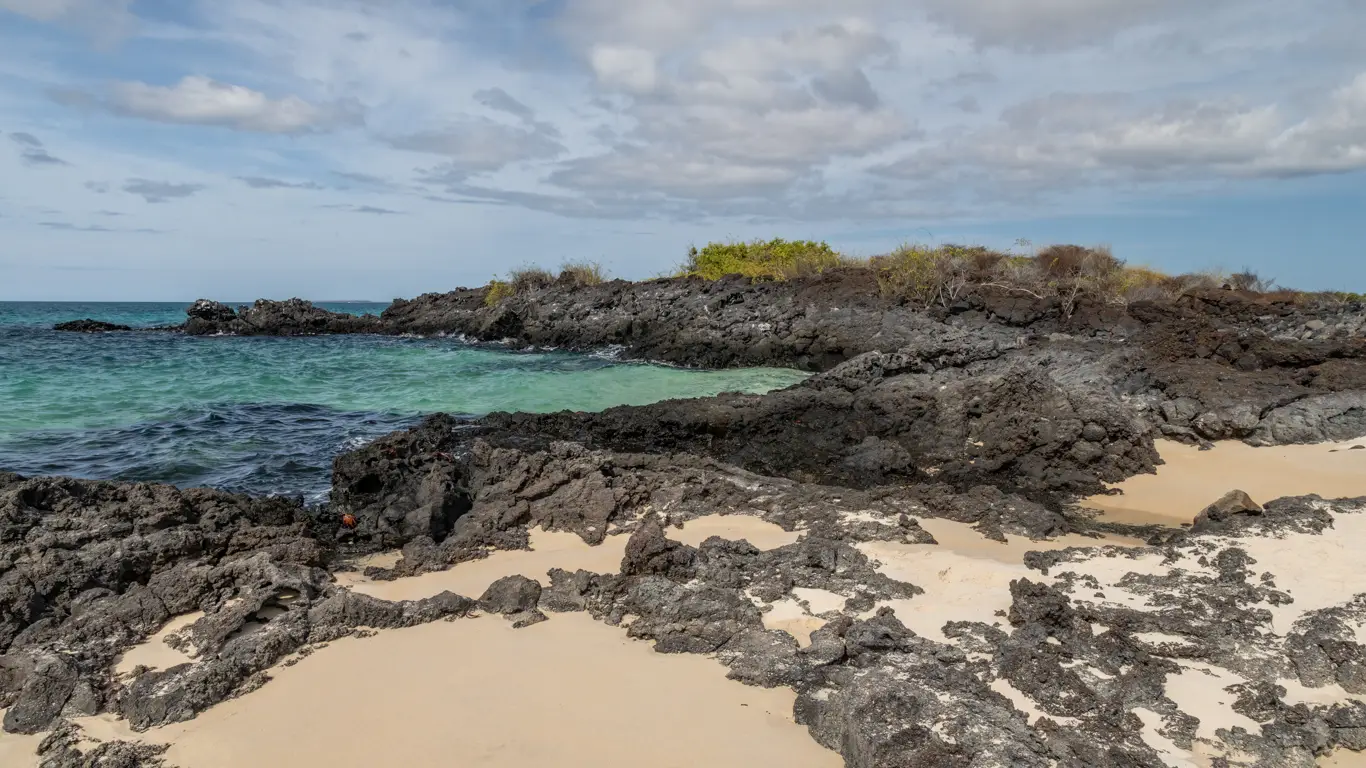
Roughly 1,000 kilometers off Ecuador’s coast, the Galápagos are a living emblem of biodiversity—so singular they helped shape Darwin’s theory of natural selection. Isolation built their richness; it also heightens their fragility.
Formed by volcanic activity, the archipelago includes 13 main islands and many smaller ones. Endemic species—from giant tortoises and marine iguanas to blue‑footed boobies—make this a magnet for travelers. Balancing access and preservation is a constant test.
Key threats jeopardize that balance:
Climate change: Warmer waters and altered currents disrupt ecosystems, affecting corals, fish, and birds.
Invasive species: Human‑introduced animals such as rats, cats, and goats damage native flora and fauna.
Mass tourism: More visitors mean more pressure, from pollution to habitat disturbance.
Overfishing: Illegal and excessive fishing threatens marine balance.
Volcanic activity: Ongoing eruptions continue to reshape local habitats.
Why protection matters. The Galápagos are a natural laboratory for evolution and ecological processes—scientifically priceless and irreplaceable.
Protective steps include regulating tourism, limiting visitor numbers and routes, promoting eco‑tourism; eradicating invasive species and restoring habitats; expanding marine reserves to shield waters from fishing and pollution; and investing in environmental education for local communities. Here, restraint is a form of care.
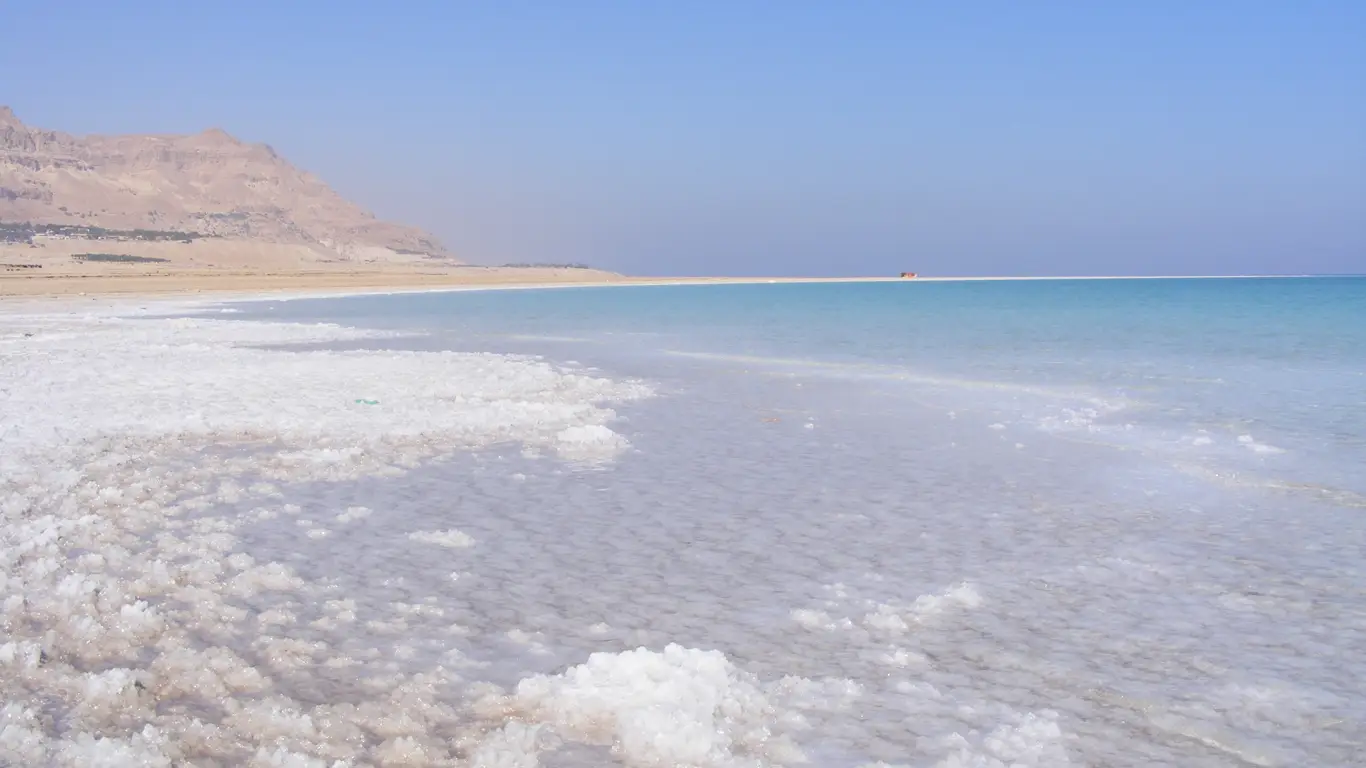
Straddling Israel, Jordan, and Palestine, the Dead Sea is world‑famous for its salinity, buoyancy, and stark beauty. Sitting about 430 meters below sea level—the lowest point on land—it is as extraordinary as it is endangered.
This landlocked lake is fed mainly by the Jordan River. Intense evaporation in the hot, arid climate outpaces inflow. The extreme salinity leaves the water nearly lifeless while minerals in the brine are prized for therapeutic uses.
The Dead Sea is shrinking fast—its level dropping by roughly one meter per year. The main drivers:
Loss of inflow: Much of the Jordan’s water is diverted for agriculture and municipal supply in the surrounding countries, cutting discharge to the lake.
Intense evaporation: Heat accelerates water loss.
Economic activity: Mineral extraction (potassium, magnesium) stresses the system.
Sinkholes: As water recedes, ground collapses form, making nearby areas hazardous for development and tourism.
Why protection matters. The Dead Sea is a natural retreat and a regional cultural landmark, drawing travelers and supplying minerals to medicine and cosmetics. Responses include cross‑border projects such as the proposed “Red Sea–Dead Sea” canal to deliver water; joint efforts to reduce withdrawals from the Jordan; and tighter environmental rules on extraction and tourism. The choices here are stark and immediate.
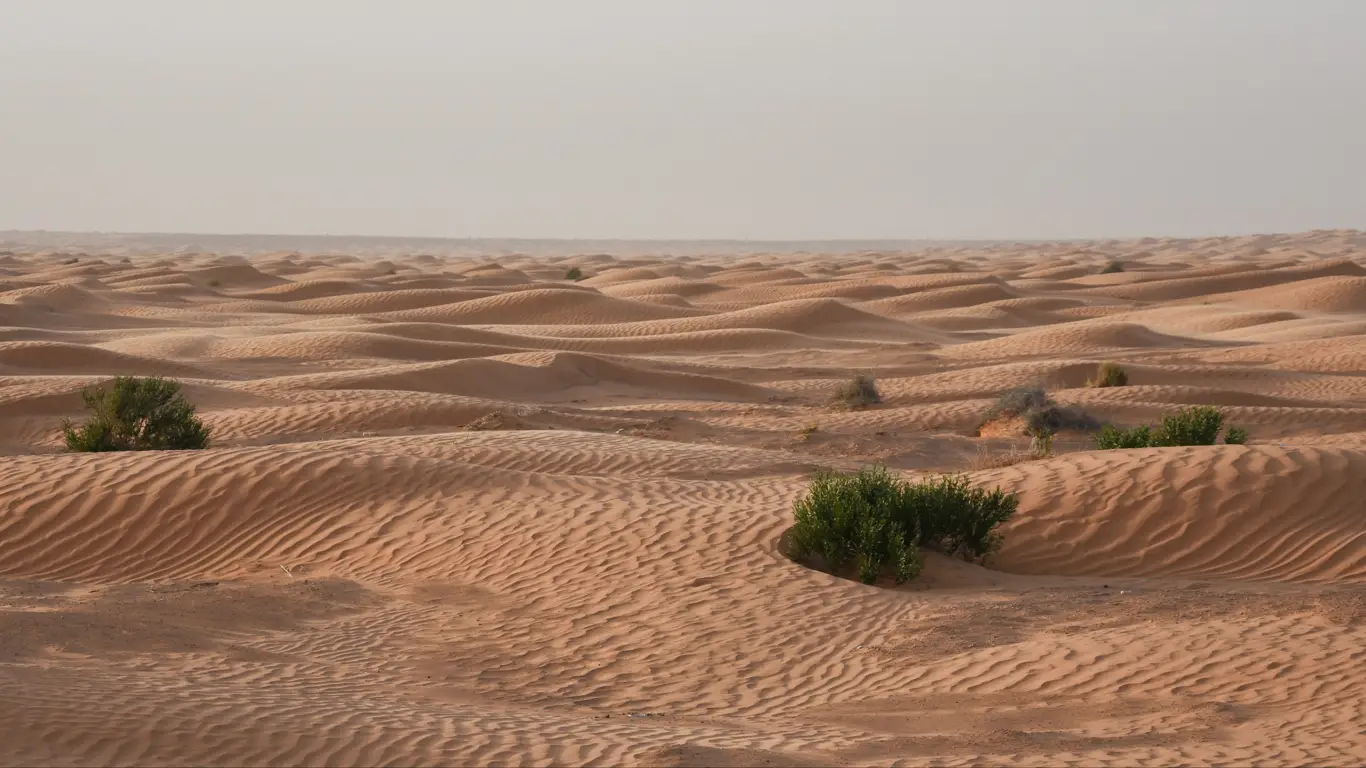
The Sahara—the world’s largest desert—covers about nine million square kilometers across North Africa. Its vast dunes, oases, ancient rock art, and stark landscapes fascinate visitors. Yet climate shifts and human activity are changing what makes the region so distinctive.
Spanning 11 countries, including Morocco, Algeria, Egypt, and Tunisia, the Sahara is a mosaic of sand seas, rocky plateaus, salt flats, and scattered oases. With temperatures soaring to 50°C and scant rainfall, the desert’s ecosystems are delicate by definition.
Despite its timeless aura, the Sahara’s environments and tourism promise face serious risks:
Desert expansion (desertification): Climate change and overuse of land for farming and grazing degrade soils and threaten oases.
Shifting rainfall: Changes in rare precipitation imperil water sources and life in oases.
Dune erosion: Wind and warming reshape signature landscapes.
Tourism and urbanization: Rapid growth without strict oversight adds pressure to fragile areas, especially around oases.
Loss of cultural heritage: Traditional desert communities lose resources and are pushed to migrate, taking unique ways of life with them.
Why protection matters. The Sahara embodies natural grandeur and millennia of intertwined ecosystems and cultures. Priorities include anti‑desertification work—soil restoration, tree planting, and improved agriculture; sustainable tourism that limits pressure on hotspots; and regional cooperation to steward the desert. Protecting the Sahara is as much about people as it is about sand.
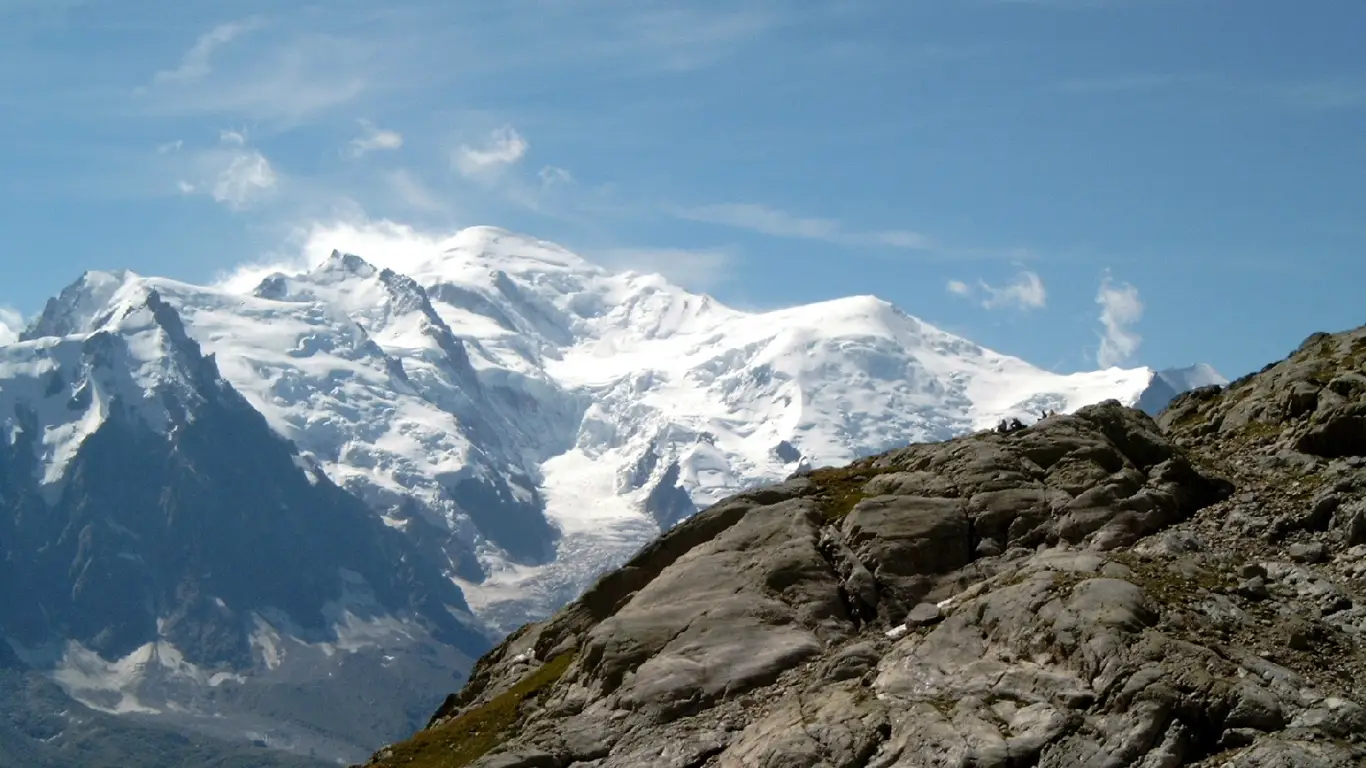
The Alps, Europe’s largest mountain range, stretch across France, Switzerland, Italy, Austria, and Germany. Winter brings world‑class skiing and snowboarding; summer welcomes hikers, climbers, and nature‑seekers. That high‑altitude appeal, however, depends on a climate that’s slipping out of balance.
Set in the temperate zone and feeding some of Europe’s great rivers, the Alps weave forests, glaciers, and alpine meadows into an ideal playground—and a system reliant on snow and stable seasons.
Alpine resorts face mounting climate risks:
Glacier melt: Rapidly shrinking ice alters hydrological cycles and water supply.
Less snow cover: Warmer winters mean thinner snow at lower elevations and shorter ski seasons.
Bared slopes: Without reliable snow, landscapes lose appeal and suffer more erosion.
Reliance on artificial snow: Snowmaking increases energy and water use and strains ecosystems.
More extreme weather: Heavy rains, avalanches, and thawing permafrost threaten safety and infrastructure.
Why protection matters. The Alps are not only a tourism engine but also a climatic and hydrological regulator for the continent. Needed steps include diversifying toward year‑round, low‑impact tourism; reforestation, glacier protection, and carbon reduction; cleaner resort technologies; and cross‑border cooperation to meet climate challenges. The future of alpine travel—and communities—rests on these choices.
_-_26.jpg)