
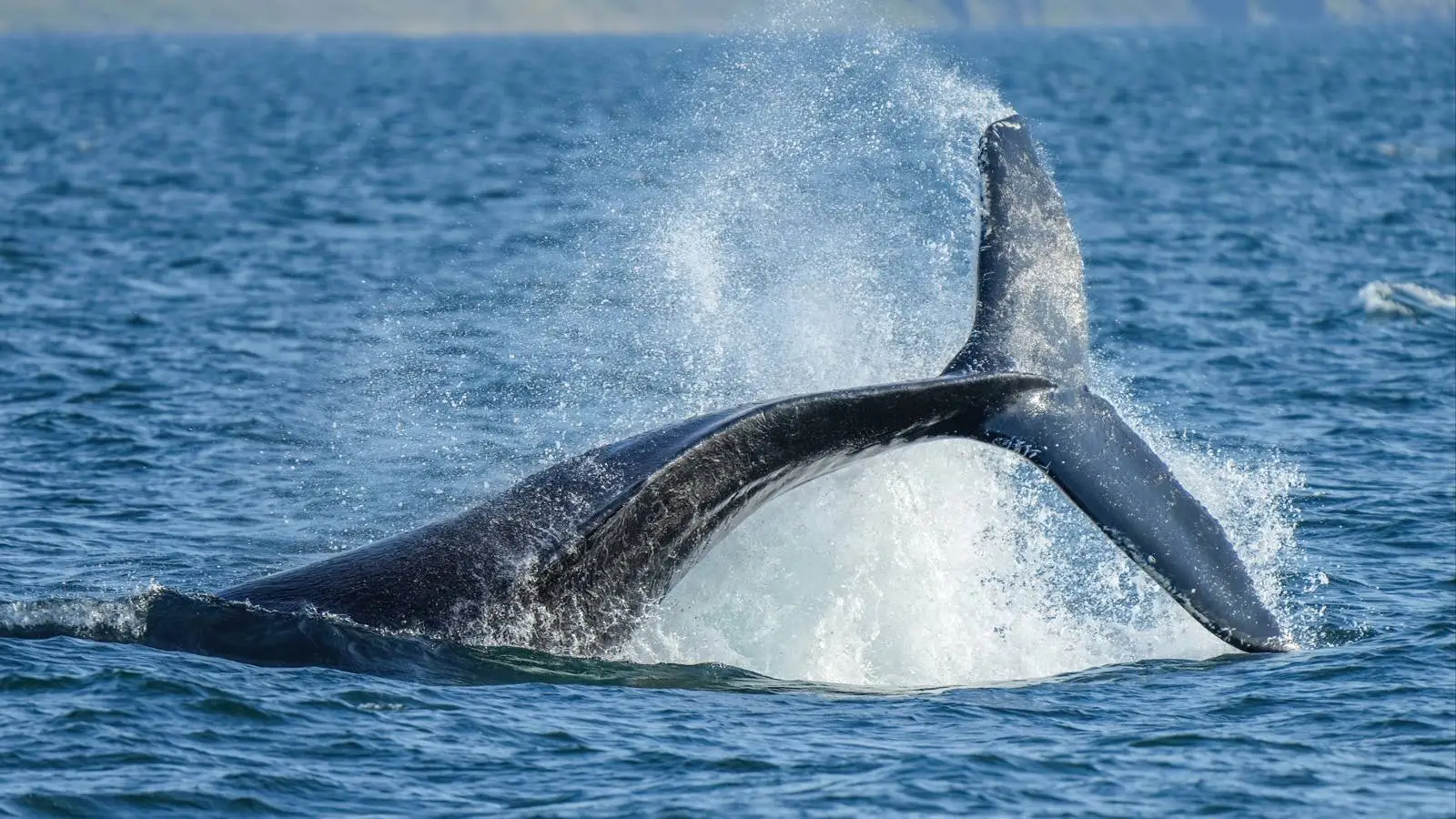
Discover the best places in Russia for whale watching—Kamchatka, Sakhalin, Chukotka, Primorye and the Barents Sea—with species to expect, seasons and eco tips.
Russia stretches from ice-laced Arctic waters to the restless seas of the Pacific, and in these vast stretches live the ocean’s titans—whales. Their scale, grace and air of mystery keep drawing more travelers into whale watching, a branch of eco‑tourism that fascinates nature fans and attracts researchers alike.
Different corners of the country offer encounters with different species—from sleek gray and humpback whales to powerful orcas and the rare bowhead. Each region has its own character and routes where these animals come within view. This guide gathers the best places in Russia to watch whales, the species you can expect, and practical tips for a rewarding, low‑impact experience with these ocean giants.
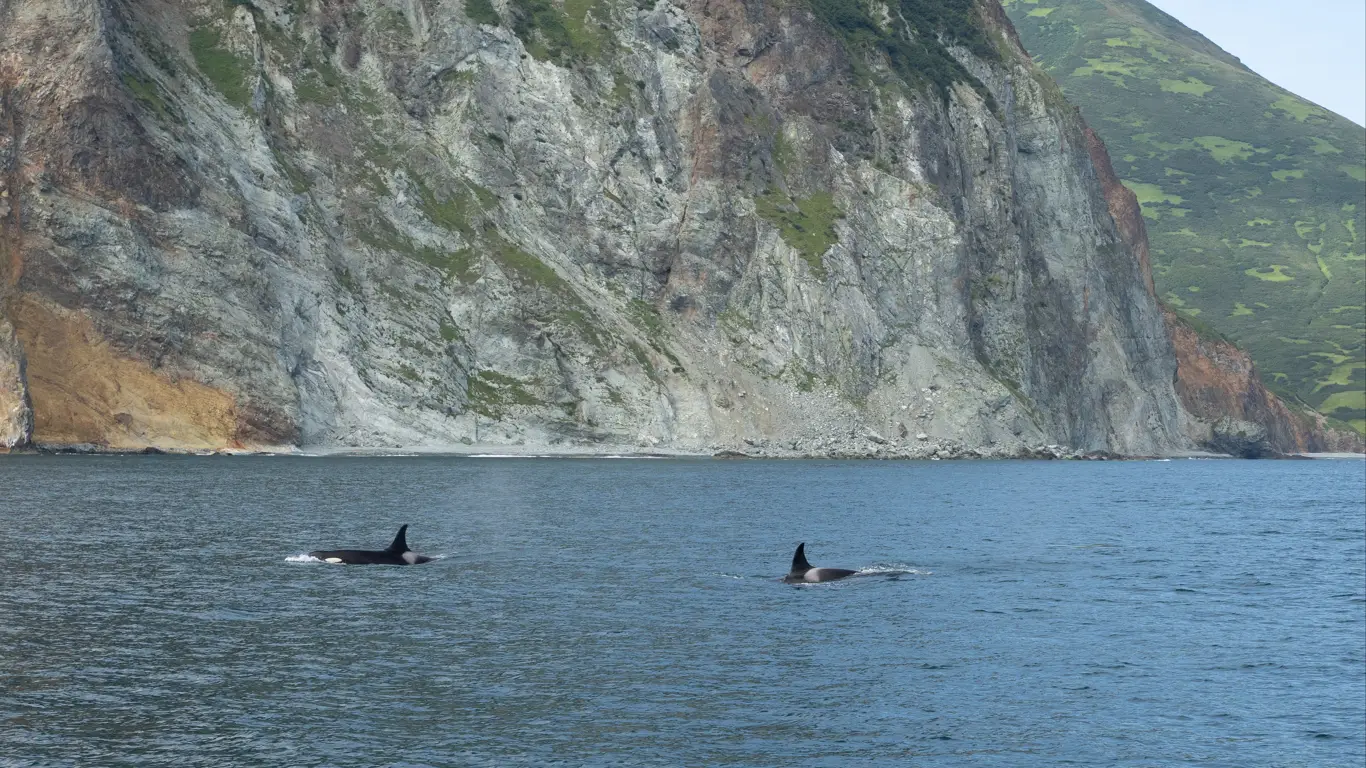
On Kamchatka, raw beauty meets a rich marine world. Bordered by the Pacific and the Bering Sea, the peninsula is one of the country’s standout places to see whales in the wild. The climate, abundant food and varied ecosystems bring in a roll call of cetaceans.
Avacha Bay, among the world’s largest, offers sweeping chances to spot marine mammals. Gray whales regularly come here to feed, and orcas—curious and energetic—often patrol close to shore, especially in summer.
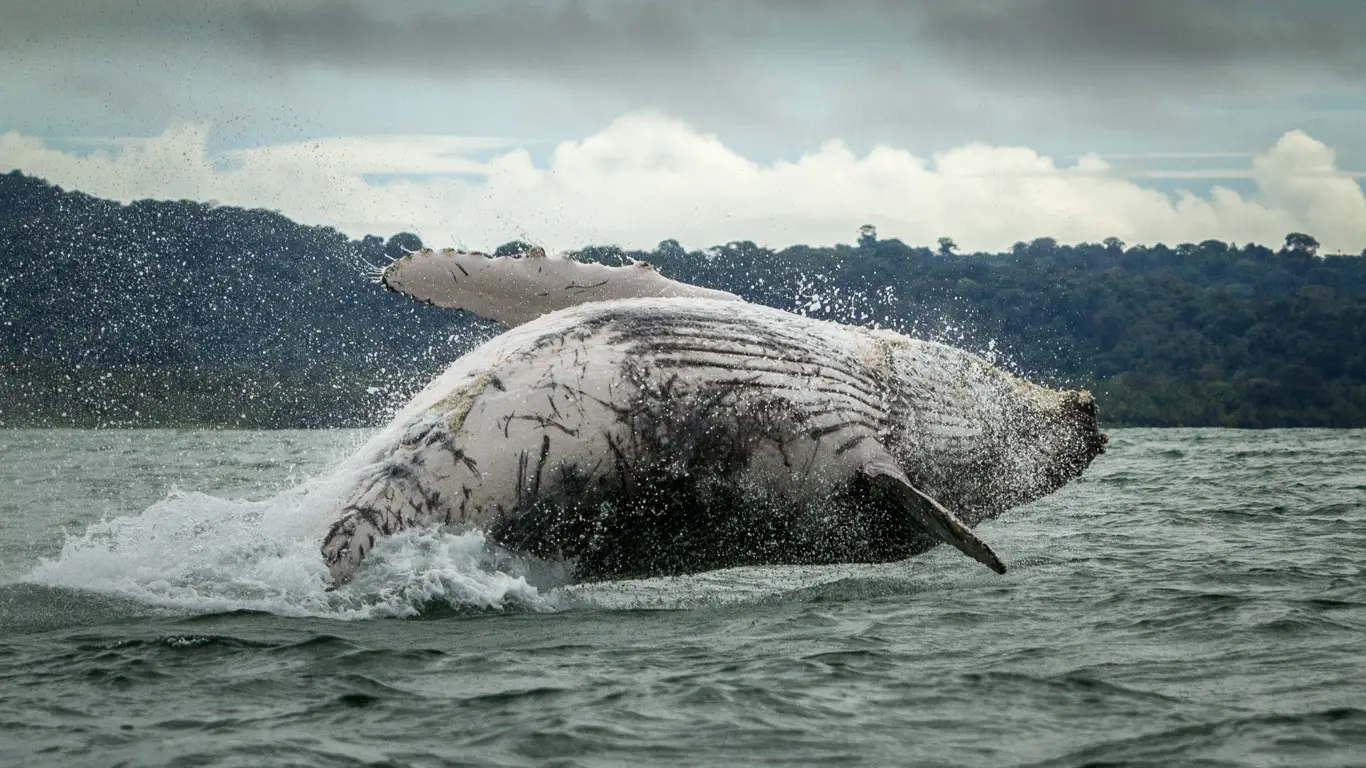
About 200 kilometers offshore, the Commander Islands form a UNESCO biosphere reserve known for marine life in abundance. Humpback whales breach here with theatrical flair; fin whales impress with size; and sperm whales feed in the deep. It’s a wild backdrop where whale watching feels truly untamed.
The Kronotsky Nature Reserve on Kamchatka’s east coast pairs whale sightings with dramatic scenery. Grays and small groups of humpbacks forage in its waters, and guided trips make viewing accessible and safe.
Species you can encounter on Kamchatka: gray whales—often close in Avacha Bay; humpbacks—famous for acrobatics around the Commander Islands and in Kronotsky; orcas—highly social predators seen in bays and offshore; fin whales—second in size only to blue whales, noted near the Commander Islands; sperm whales—favoring the surrounding deep waters.
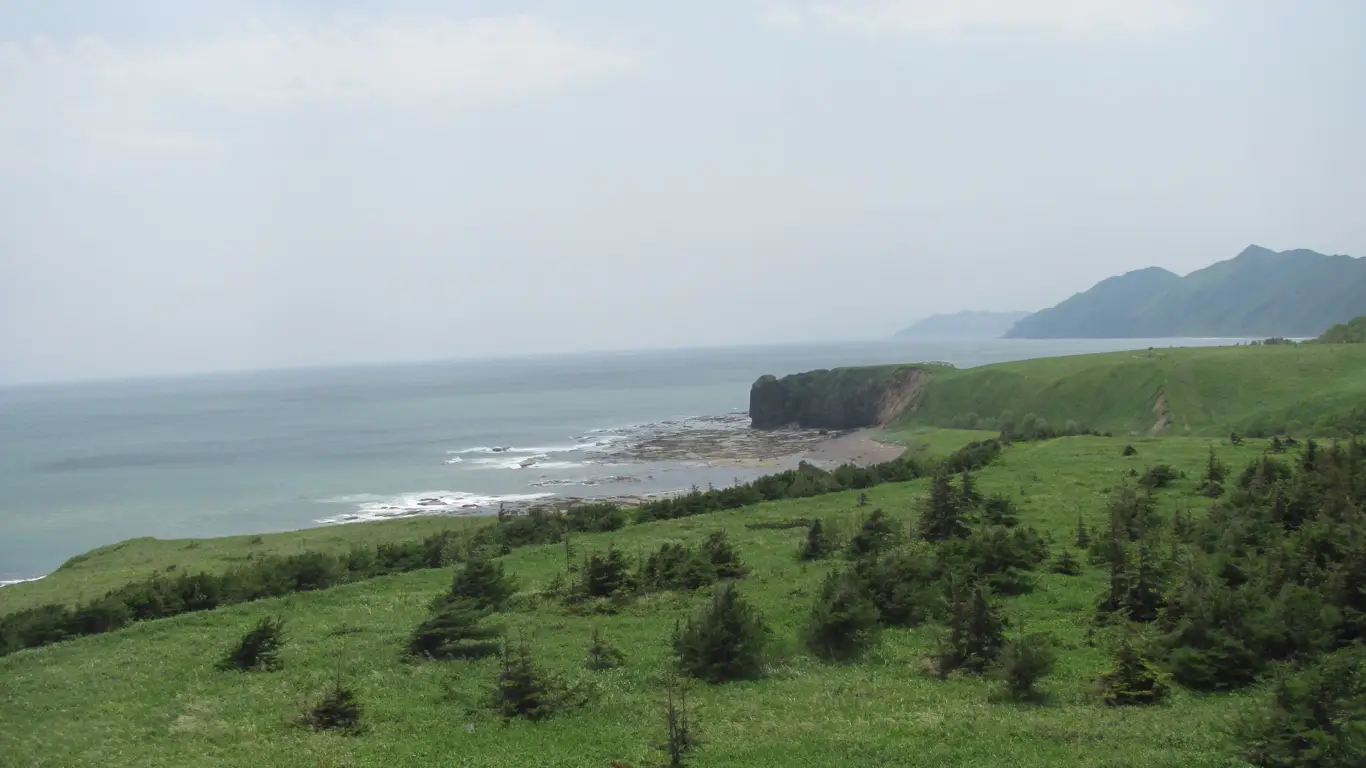
Sakhalin sits between the Sea of Okhotsk and the Sea of Japan. Its food-rich waters and position on migration routes make it one of Russia’s prime whale‑watching destinations. The island offers sightings of rare species amid striking landscapes.
Aniva Bay in the south is among the most popular spots. Gray whales feed here and can be seen in summer and fall not far from shore, often alongside squadrons of seabirds—an irresistible scene. Orcas also appear at times during migrations.
Along the Sea of Okhotsk coast in Nevelsk District, gray whales follow nearshore feeding routes. Belugas, more typical of the sea’s northern reaches, sometimes venture this far south as well.
Off Sakhalin’s eastern coast, the Sea of Okhotsk hosts several cetacean species. Humpbacks draw eyes with their dramatic breaches and tail slaps. In deeper stretches, fin and sperm whales occur less often but leave a strong impression when they do.
Species around Sakhalin: gray whales—chiefly in Aniva Bay and off Nevelsk District; humpbacks—frequent in the Sea of Okhotsk during feeding periods; orcas—occasional visitors to Aniva Bay; belugas—uncommon but possible in the region’s northern waters; fin and sperm whales—inhabit deeper Okhotsk waters.
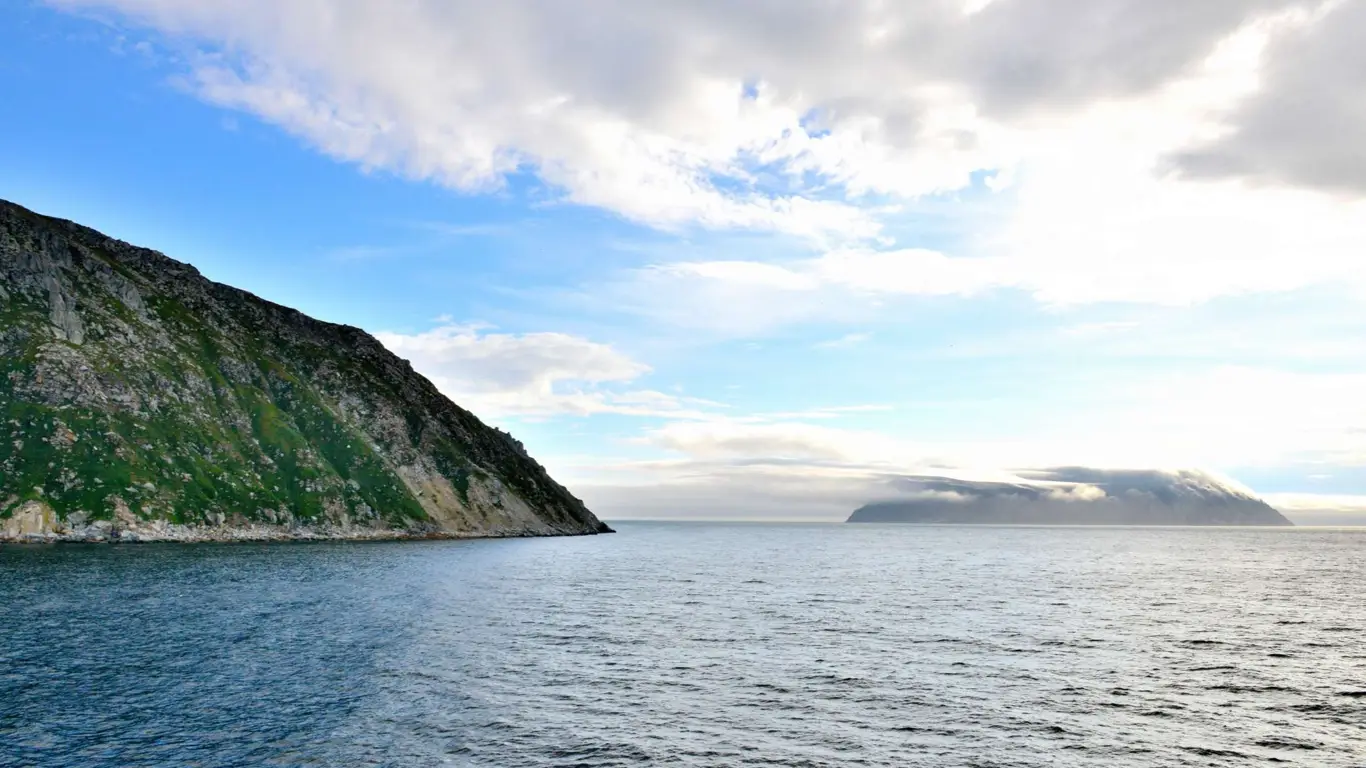
Remote and elemental, Chukotka sits between the Chukchi and Bering seas, a natural theater for whale migrations. Proximity to key feeding grounds makes this region a standout for wildlife‑minded travelers.
The Bering Strait, which links the two seas, is a migration bottleneck. In spring and fall, large groups of gray whales pass through, shuttling between northern feeding grounds and southern wintering areas. They often come close to shore—sometimes close enough that you don’t need to head far offshore to see them.
Bowhead whales, icons of the Arctic, also occur here. These cold‑water specialists add a rare dimension to local sightings.
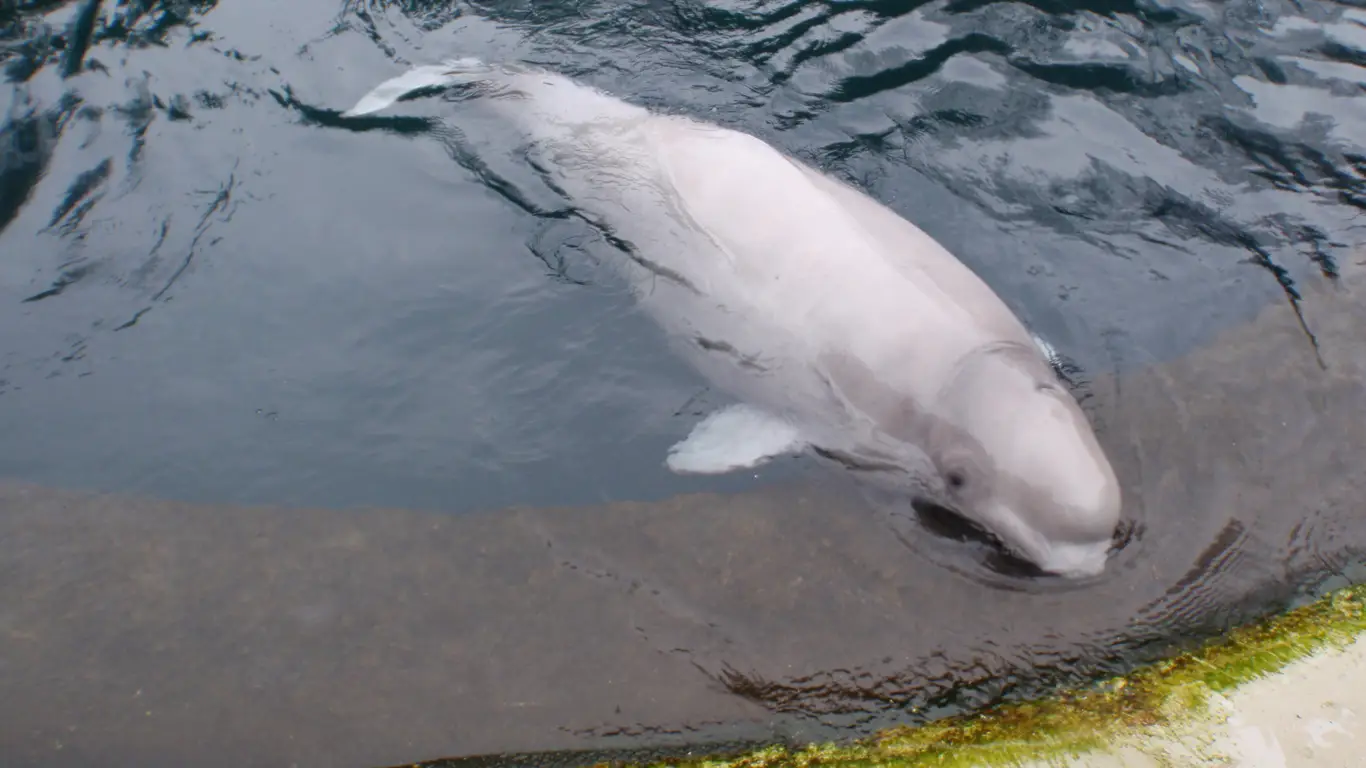
Providensky District in southern Chukotka offers rich plankton and fish, drawing various whales. Belugas frequent the coastal shallows and are known for approachable behavior.
Beyond whales, the area holds walruses and other Arctic life—enough to keep binoculars busy.
Species in Chukotka: gray whales—the mainstay, migrating through the Bering Strait; bowheads—a rare Arctic resident of cold waters; belugas—common in Providensky’s coastal zones; orcas—less frequent but possible in the strait.
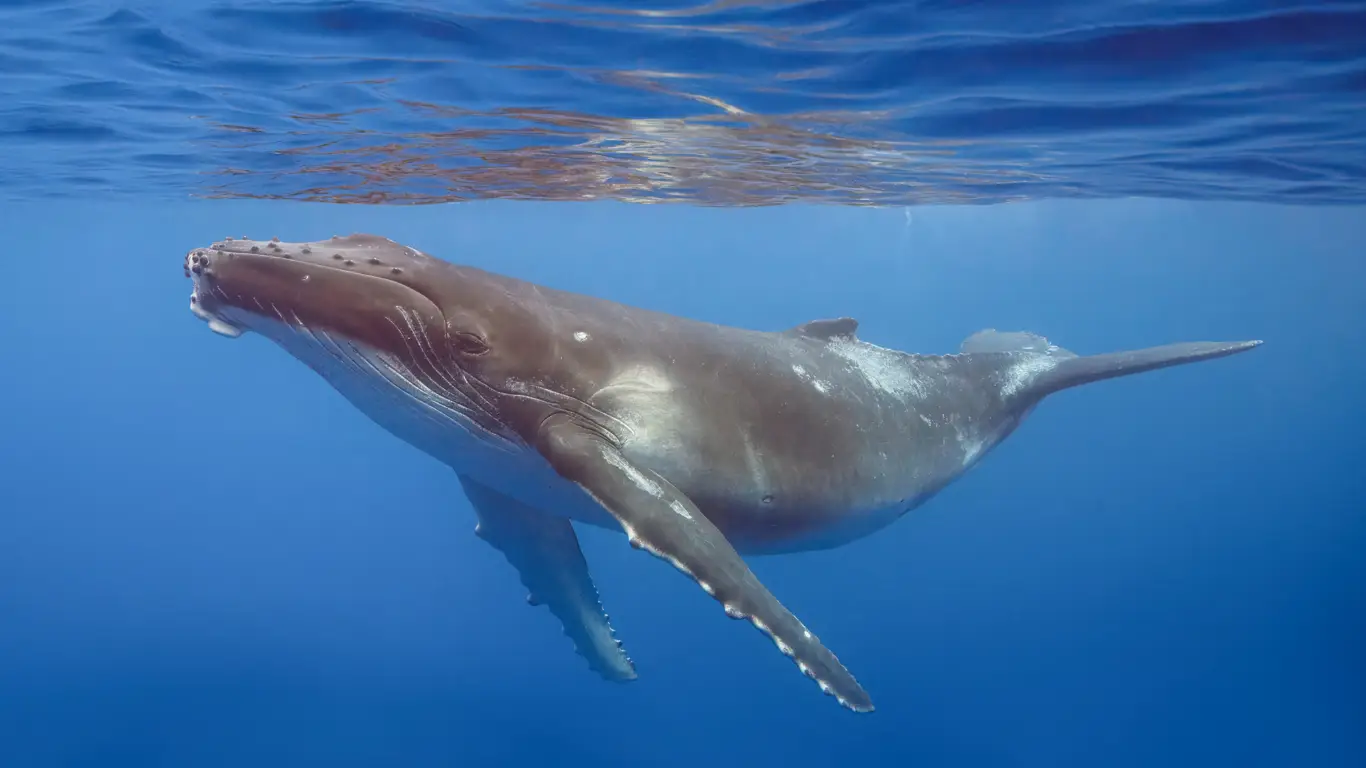
On Russia’s southeast coast, Primorsky Krai faces the wildlife‑rich Sea of Japan. A temperate climate and thriving food web make it a solid bet for marine‑mammal encounters, whales included. You’ll find both the headline species and smaller, swift‑moving baleen whales.
The Sea of Japan shoreline, including Peter the Great Gulf and nearby coasts, offers strong viewing. It’s a productive ecosystem where whales feed and migrate along the headlands and bays.
Orcas are the most regular stars here, hunting and traveling in active small groups. Humpbacks show on occasion, pushing into gulfs and nearshore waters while feeding.
Likely species along this coast: orcas—frequent and charismatic, with intricate social behavior; humpbacks—less common but spotted during migrations, especially in summer; minke whales—occasional in open water, smaller and quick to maneuver.
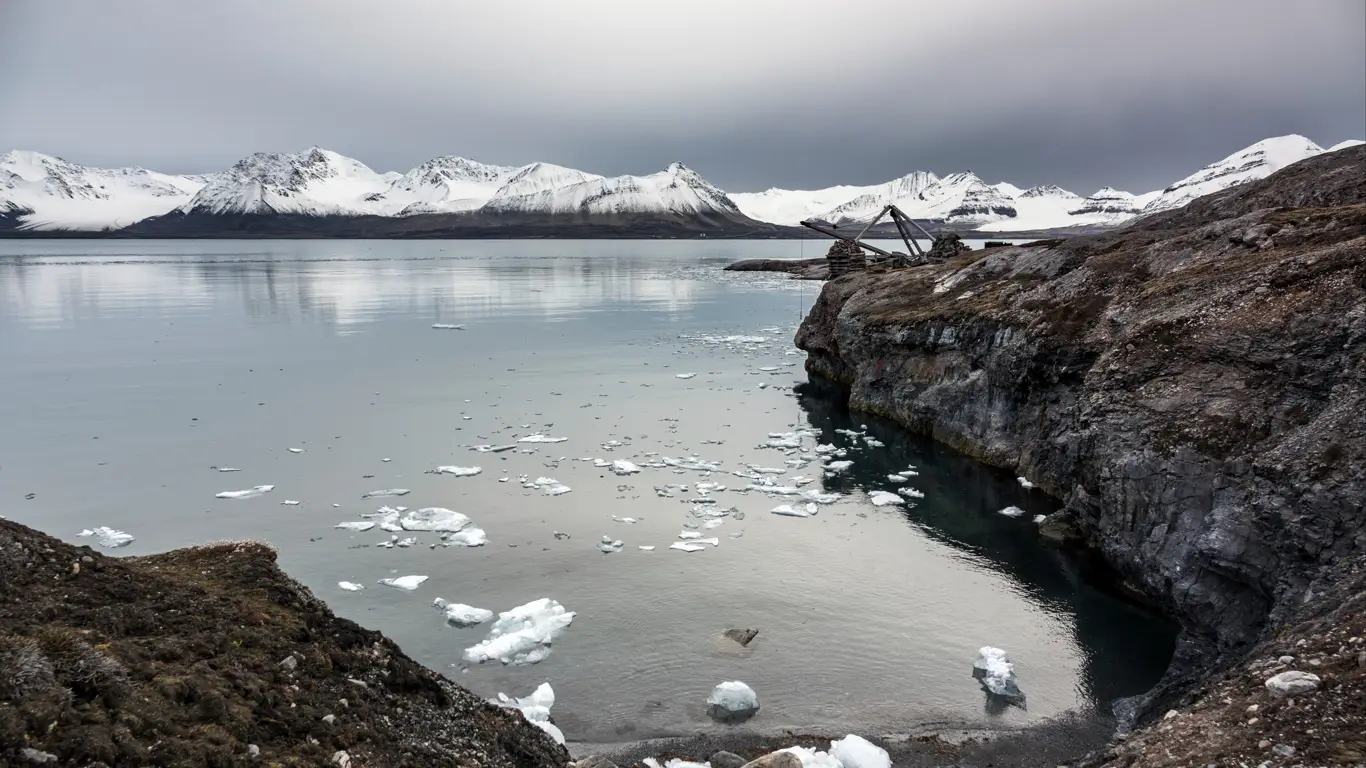
Far to the north, Arkhangelsk Oblast edges the Barents Sea and the Arctic Ocean. It’s an ideal setting to meet marine mammals in a true Arctic climate. Away from mass tourism, these cold waters draw uncommon species—prime territory for careful eco‑tourism.
The Barents Sea is a key corridor for Arctic whales. Its nutrient‑rich waters host striking rarities. Bowhead whales, built for ice, are encountered here. In summer, as ice retreats, belugas approach the coast, and minke whales feed in open water.
North of the region, the Svalbard archipelago stands out as a major haunt for marine mammals. Bowheads occur year‑round. In summer, narwhals—with their iconic “tusk”—are possible, and belugas often gather in sizable coastal groups.
Species in these waters: bowhead whales—Arctic specialists in the Barents Sea and around Svalbard; belugas—frequent inshore, especially in summer; narwhals—rarer, closer to Svalbard; minke whales—seen in the Barents Sea’s open waters; orcas—occasional migrants adding to the mix.
In a country this vast, climates vary widely—and so do whale‑watching windows. Your best bet is to align with migration and feeding seasons, when whales move predictably or come closer to shore.
Spring (April–June): Whales head north from wintering grounds. It’s a particularly strong time for gray whales off Chukotka and Sakhalin, and for orcas in Primorsky Krai.
Summer (June–August): Peak season. Northern feeding areas, including the Barents and Okhotsk seas, attract bowheads, belugas and humpbacks. Waters off Kamchatka, Sakhalin and Primorye are especially lively in July and August.
Autumn (September–October): Southbound migrations begin. Look to routes such as the Bering Strait, Sakhalin’s coasts and Kamchatka’s shores.
Winter (December–March): Ice limits activity in the north, but the southern Sea of Japan and parts of Primorsky Krai can still yield orcas and minke whales.
Early mornings and evenings tend to deliver the calmest seas and the most activity.
Bring binoculars, warm layers, waterproof boots and a camera with a zoom lens. Comfort and good optics make all the difference. Keep a respectful distance so the animals remain undisturbed, and follow the guidance of local skippers and naturalists.
Whale watching in Russia offers a rare chance to touch the wild, to feel the presence of marine giants and to step into a different rhythm of nature in some of the country’s most spectacular places.
From the austere Arctic around Svalbard to the dramatic coasts of Kamchatka and Sakhalin, each region unveils its own secrets and delivers standout moments. Sightings may include gray and humpback whales, orcas, bowheads and even the elusive narwhal.
The experience is more than spectacle: it’s a reminder that protecting these animals and their habitats matters. Eco‑tourism rooted in respect lets us slip into harmony with the wild—if only for a while—and see the world with clearer eyes.
Chasing whales across Russia is not just about meeting ocean giants; it’s also about being moved by the planet’s beauty, its power and its fragility. Wherever you choose to go, a good sighting is the sort of memory that lingers for a lifetime.
