
Explore the Nubian Village on the Nile in Egypt, where locals keep crocodiles as pets. Learn its roots, impact on tourism, and the debate over animal welfare.
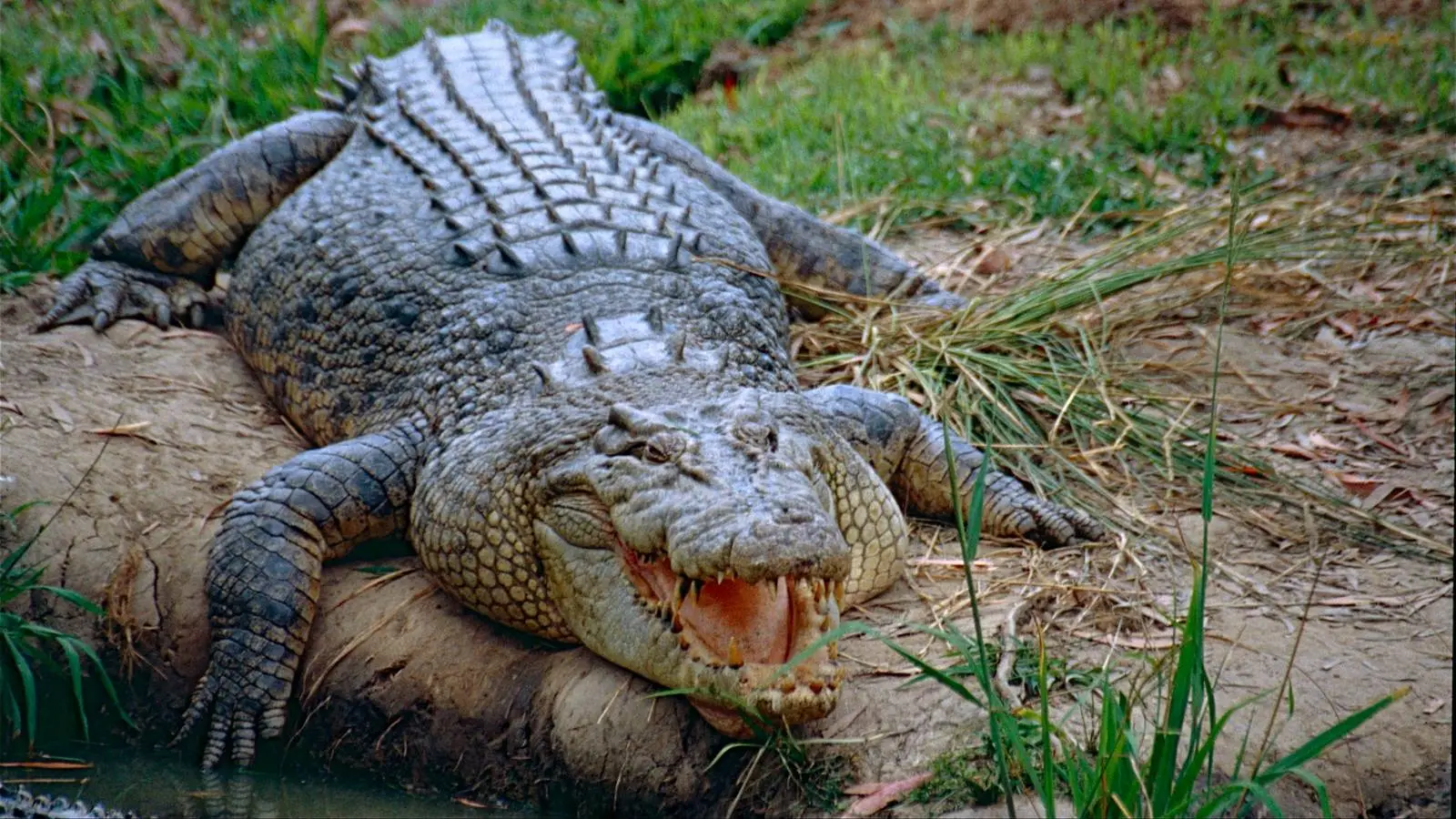
In the heart of the Nubian Village, set on the west bank of the Nile opposite Aswan, an unusual tradition thrives. Here, amid brightly painted houses and narrow lanes, residents keep Nile crocodiles as pets. The spectacle unsettles and captivates travelers in equal measure, drawing them to this corner of Egypt.
The practice of keeping crocodiles at home reaches back to ancient times. In Nubian culture, these animals have long carried weight as symbols of strength, good fortune, and protection. Perhaps this attitude stems from their presence in mythology and the cult of the ancient god Sobek, patron of water and fertility. Today the tradition endures as cultural heritage carefully passed down from generation to generation.
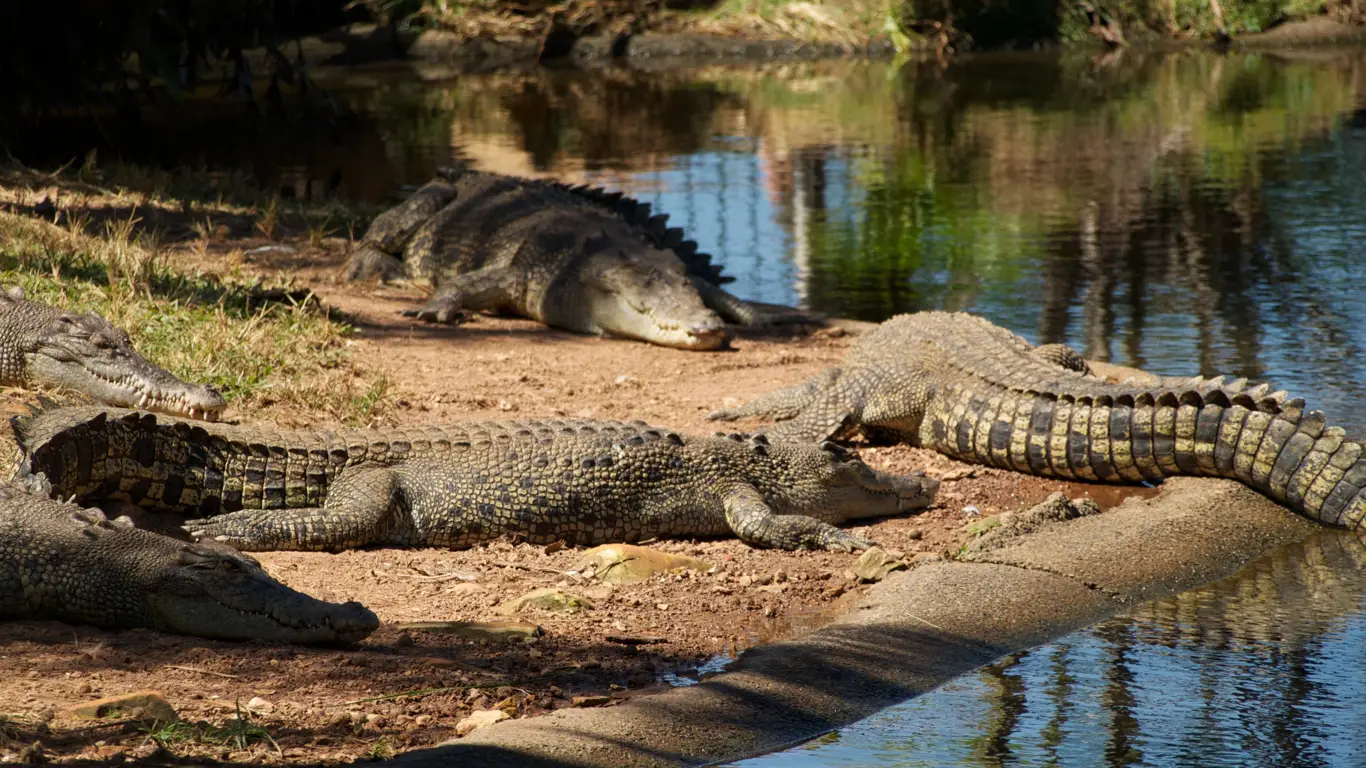
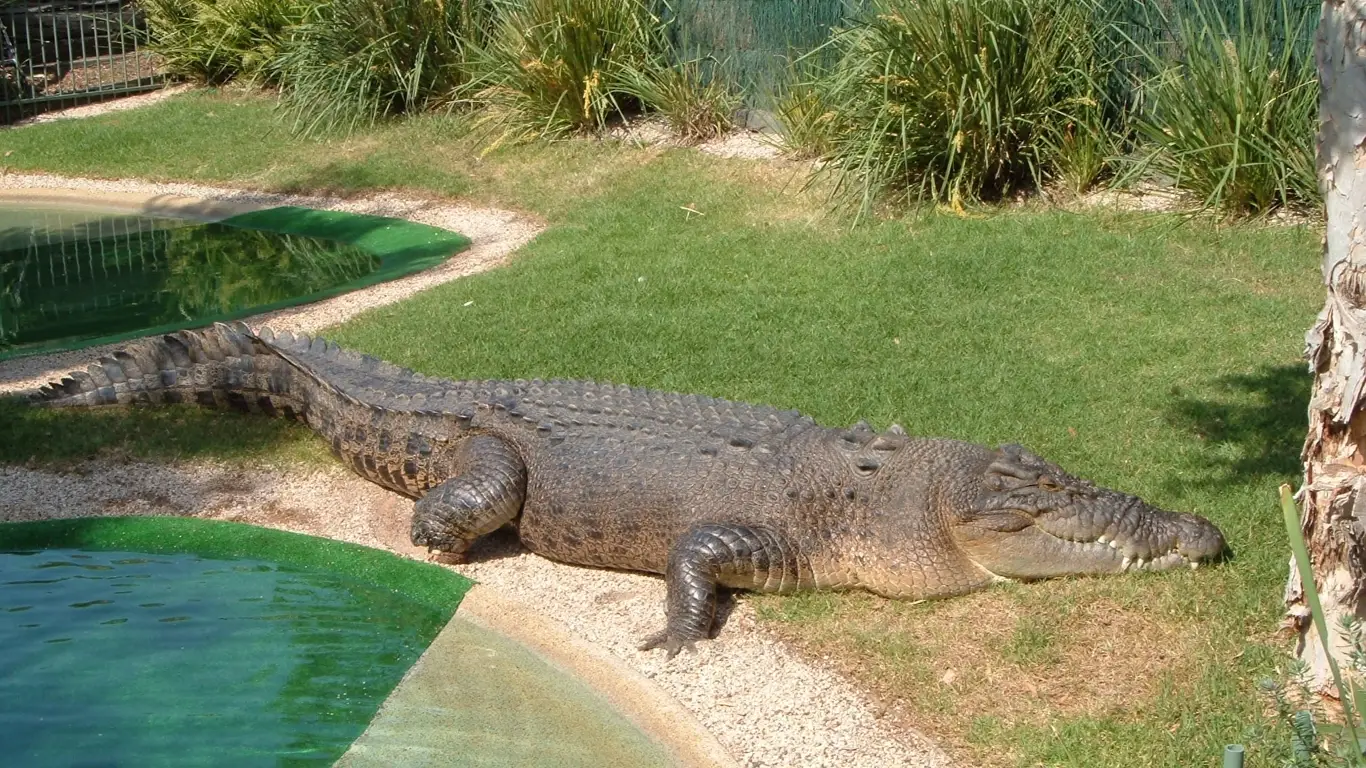
Unlike the usual idea of a pet, a Nubian crocodile does not roam the house. The animals are typically kept in special enclosures or small pools; in some cases they live in cages right inside the home. Villagers are meticulous about their charges: they provide food—most often fish—and create conditions meant to be safe for both reptiles and people. Despite their fearsome look, these crocodiles are not considered a real danger, as they are handled from a young age and people grow accustomed to their behavior.
Today crocodiles are more than a piece of local culture—they are an essential part of the region’s tourism. Visitors from around the world come to the Nubian Village to see these remarkable animals up close. Tours often include the chance to touch a young crocodile or take a keepsake photo. The experience brings delight, albeit mixed with caution, for travelers unaccustomed to being so near to predators.
Tourism has become an important source of income for the village, and the tradition of keeping crocodiles its calling card. For locals, it is not just a way to make money but also an opportunity to show the richness of their culture to the world.
Yet the custom sparks mixed reactions. Environmentalists raise concerns about the well-being of animals living outside their natural habitat. Although crocodiles can adapt to captivity, their nature calls for ample space and freedom. On the other hand, this practice helps sustain public interest in a species that might otherwise be at risk of extinction.
The future of this tradition remains open. On one side, the rise of tourism and attention to the Nubian Village supports its preservation. On the other, modern trends in animal-rights advocacy may alter how crocodiles are kept. The custom may evolve, preserving only its cultural and symbolic dimension without the actual keeping of animals.
The Nubian Village and its crocodiles are more than a tourist attraction. They are a living monument to a people who have maintained a link to the past in a world where tradition increasingly yields to globalization. And while keeping crocodiles invites questions and debate, it remains a singular phenomenon—one that attracts, astonishes, and nudges us to consider how age-old practices can coexist with the demands of the present.
_(10106344616).jpg)