
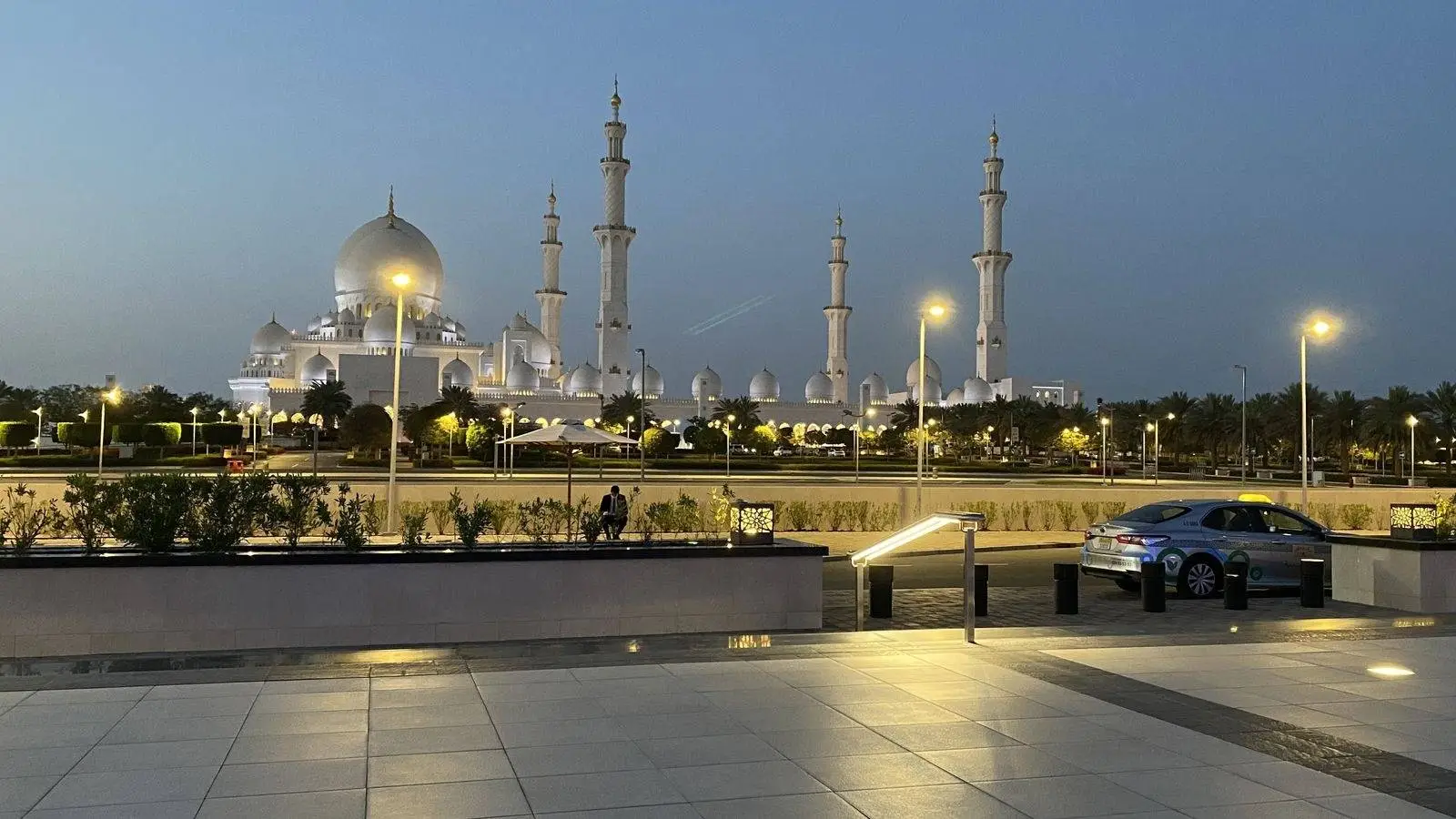
Learn 10 travel mistakes to avoid abroad—from breaking local laws to photo bans, dining customs and transport etiquette—to skip fines and stay respectful.
Travel opens the world, but unfamiliarity with local norms can quickly turn into awkward encounters, fines, or even legal trouble. Habits that feel routine at home aren’t always welcome abroad. A little homework before you go saves nerves and money.
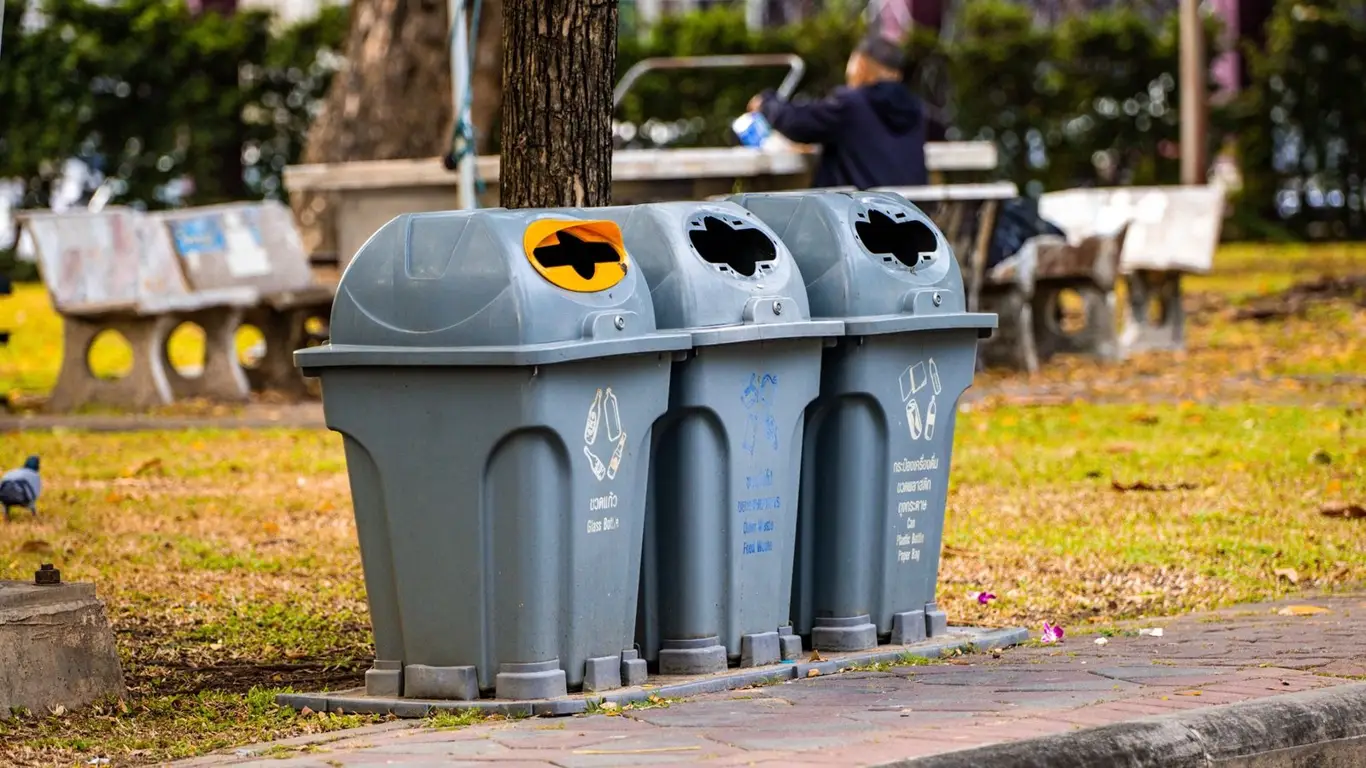
Every country plays by its own rules, and what seems normal at home may be off-limits elsewhere. In Singapore, chewing gum is banned, and littering can bring a hefty fine. In the UAE, photographing locals without permission—especially women—is prohibited. In Thailand, careless words about the king can have serious consequences. When in doubt, respect travels further than excuses.

Loud phone calls on the subway, animated debates in restaurants, and public displays of emotion can grate on locals. In Japan, talking on the phone on public transport is considered poor form. In Italy, feeding pigeons in St. Mark’s Square or cooling off in fountains will earn you a fine. Silence often reads as respect.

Some countries take personal safety very seriously. In Singapore, e‑cigarettes are banned—even bringing them into the country is not allowed. In Dubai, sleeping on the metro is prohibited and can result in a fine or even detention. If you’re unsure, assume the stricter rule applies.

Even an unintentional breach can be taken personally. In Thailand, touching someone with your foot is seen as deeply disrespectful. In Greece, high heels are banned at historic sites to protect ancient stonework. A small adjustment in behavior can prevent a big misunderstanding.

Photography isn’t welcome everywhere, and it’s not just red tape. In some countries, shooting strategic sites such as bridges or military bases is forbidden. In Muslim countries, including the UAE, photographing women without consent is strictly prohibited. If you’re unsure, lower the camera and ask.
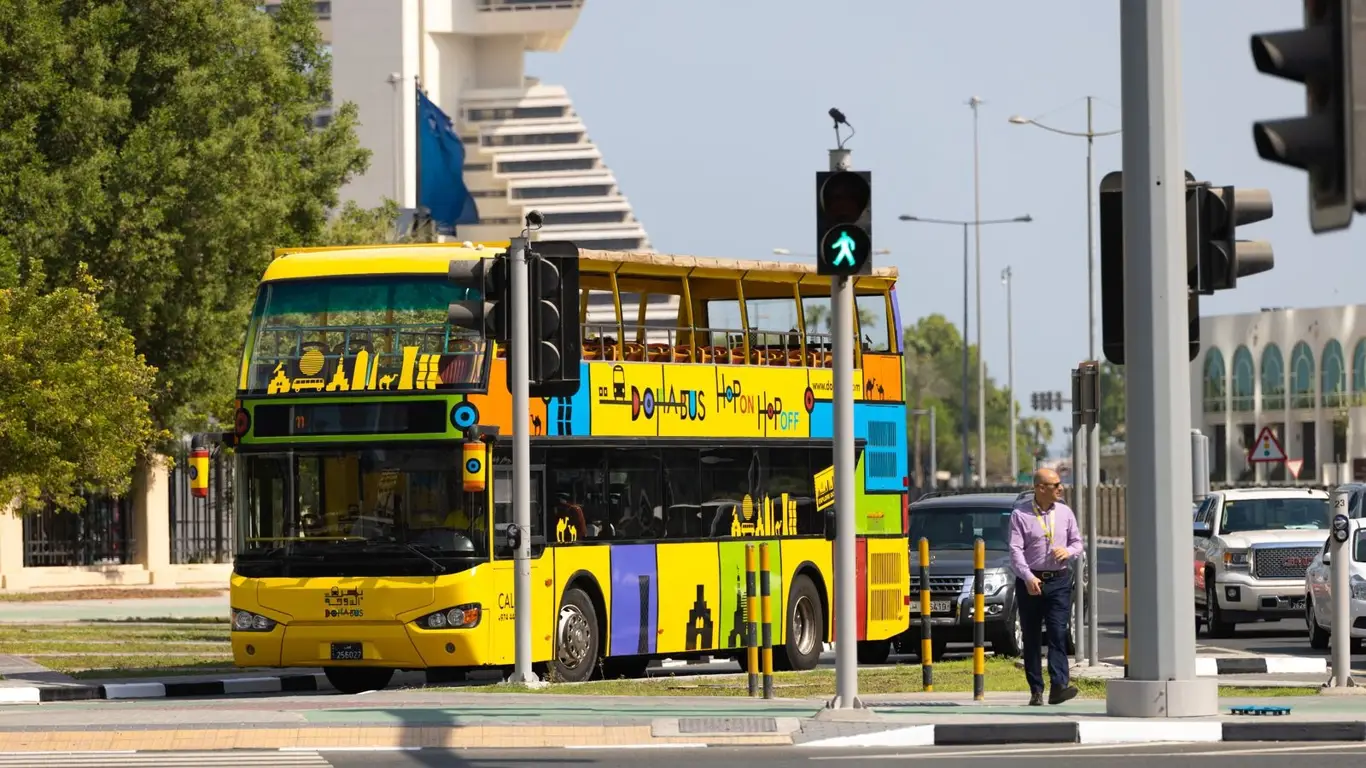
In Poland, tourists can be fined for playing cards on trains—yes, that ban is real. In Singapore, eating or drinking on the metro can also lead to a fine. Japan’s public transport comes with strict etiquette: no phone calls and no loud music. Public transport is not the place to improvise.
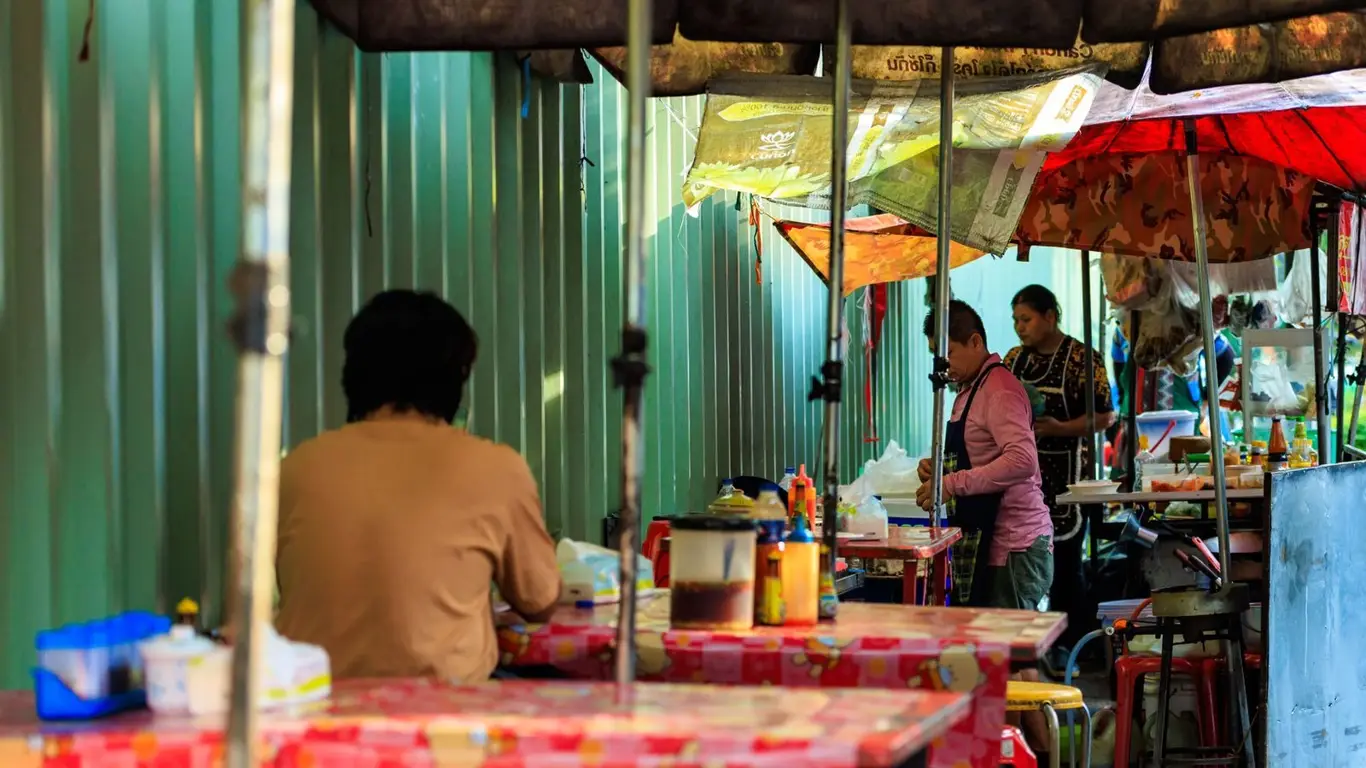
Food feels personal, but missteps happen. In Portugal, asking for salt or ketchup—especially with fine-dining dishes—is considered rude and taken as an insult to the chef. In the UAE, drinking alcohol in public can result in a large fine or even deportation. If a dish arrives as the chef intended, let it speak for itself.
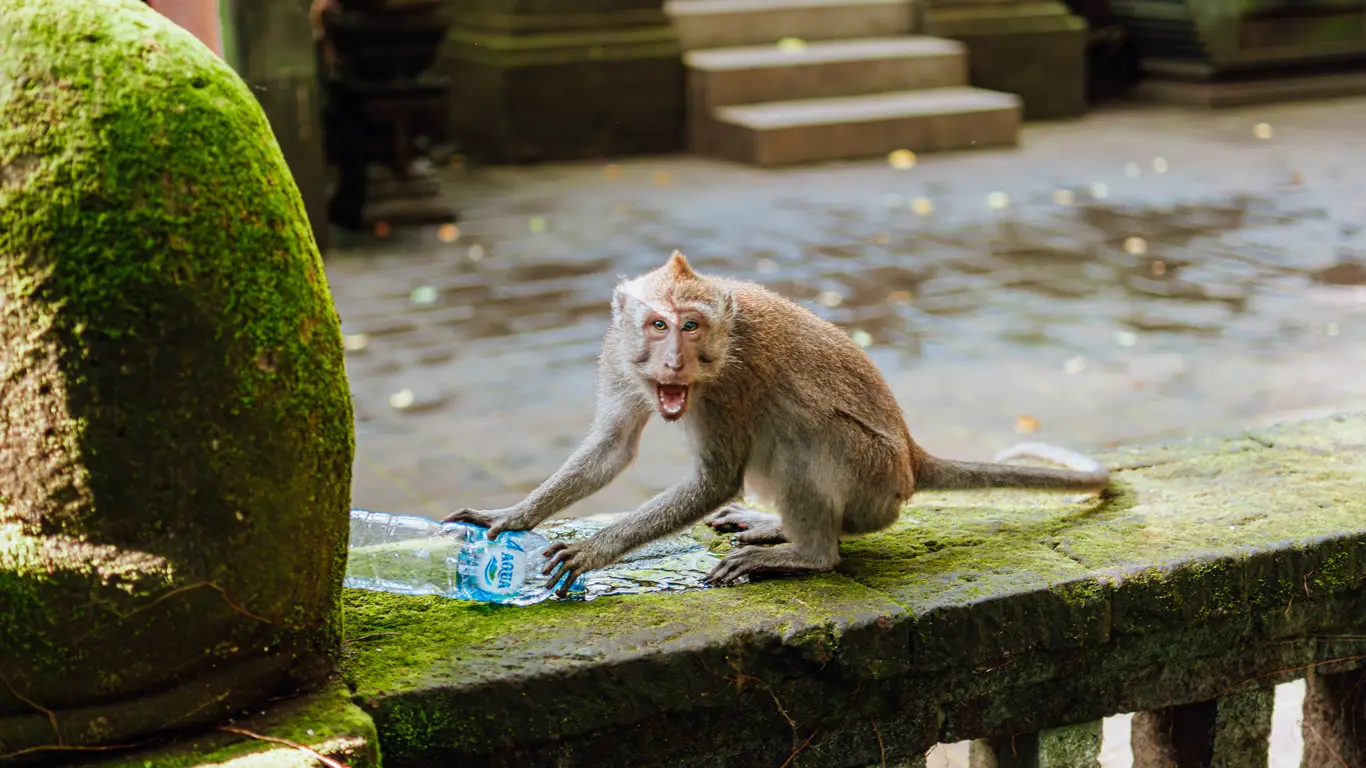
Across parts of Asia, monkey markets are common, but tourists should stay alert—provoking animals can trigger aggression. In Bali, teasing or feeding monkeys is prohibited because it can lead to attacks. In some countries, feeding wildlife is banned as authorities try to protect ecosystems. Wild animals aren’t props.

Some topics are taboo. In Thailand, commenting on the royal family is off limits; in China, discussing politics is not recommended; and in many Middle Eastern countries, questions about religion can provoke a negative reaction. Better to steer the conversation to safer ground.

When visiting another country, it helps to balance respect for local traditions with your own identity. Preaching your values, lecturing locals, or criticizing their way of life rarely ends well. Humility tends to travel farther than bravado.
Before a trip, it’s worth looking beyond the sights and learning a country’s do’s and don’ts. That simple step can spare you unpleasant surprises and make the journey more comfortable. The world is diverse, and respecting its rules is the first step to being a welcome guest rather than an ill-mannered tourist. It’s a small investment that pays off in peace of mind.