
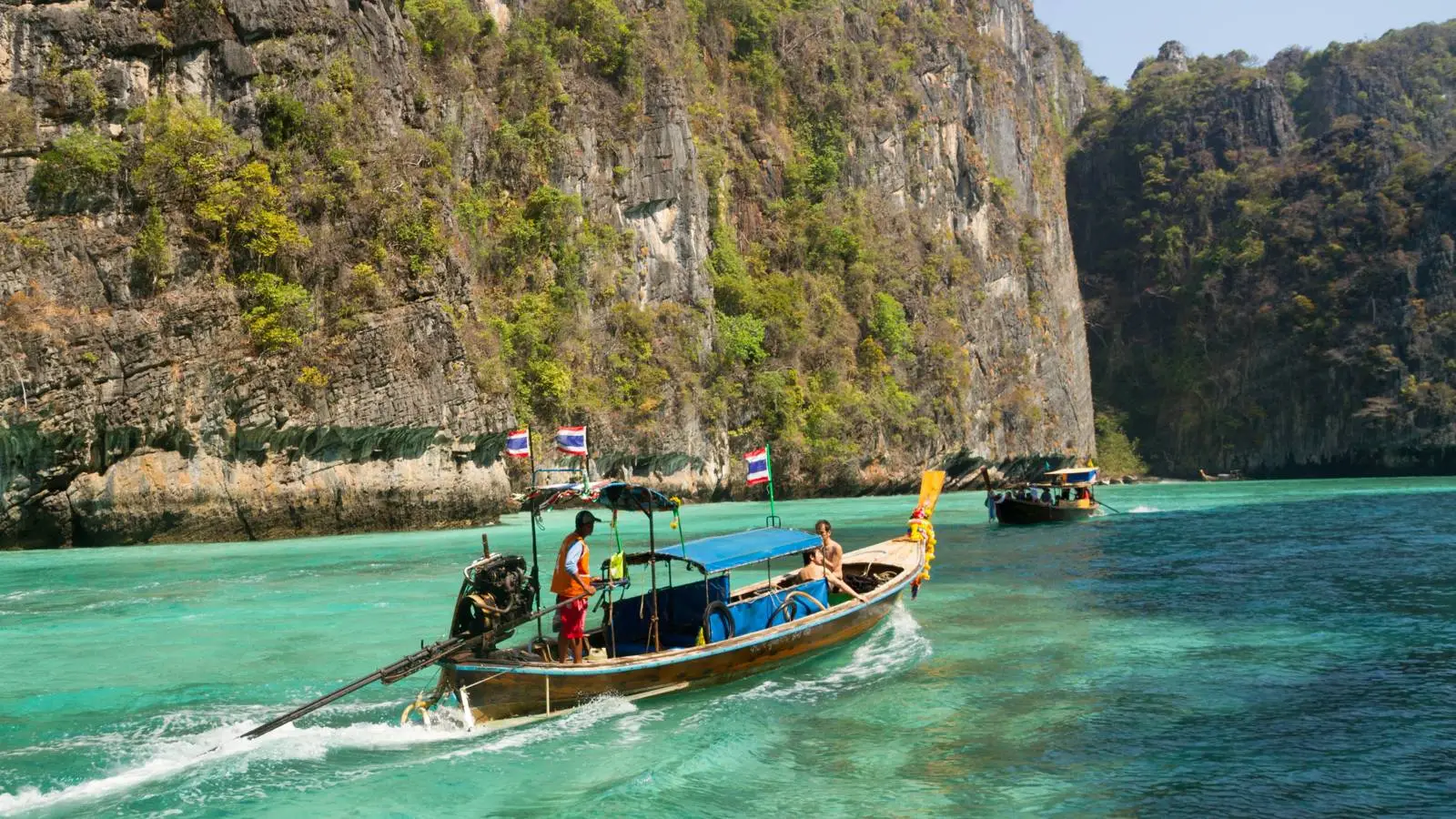
Discover how The Beach turned Maya Bay on Phi Phi from secluded paradise to overtourism hotspot, its closure for recovery, and the strict rules after reopening.
In 2000, The Beach starring Leonardo DiCaprio hit theaters. It tells the story of a young traveler who discovers a perfect island hidden from the world. The twist is that such a paradise is real: filming took place in Maya Bay on Thailand’s Phi Phi, and after the movie’s release the fate of this place changed dramatically.
Phi Phi had once been a little-known speck on the map, but the premiere unleashed a flood of visitors. Popularity and revenue followed, yet so did pressure on the bay: crowds and boat traffic began to overwhelm the environment.
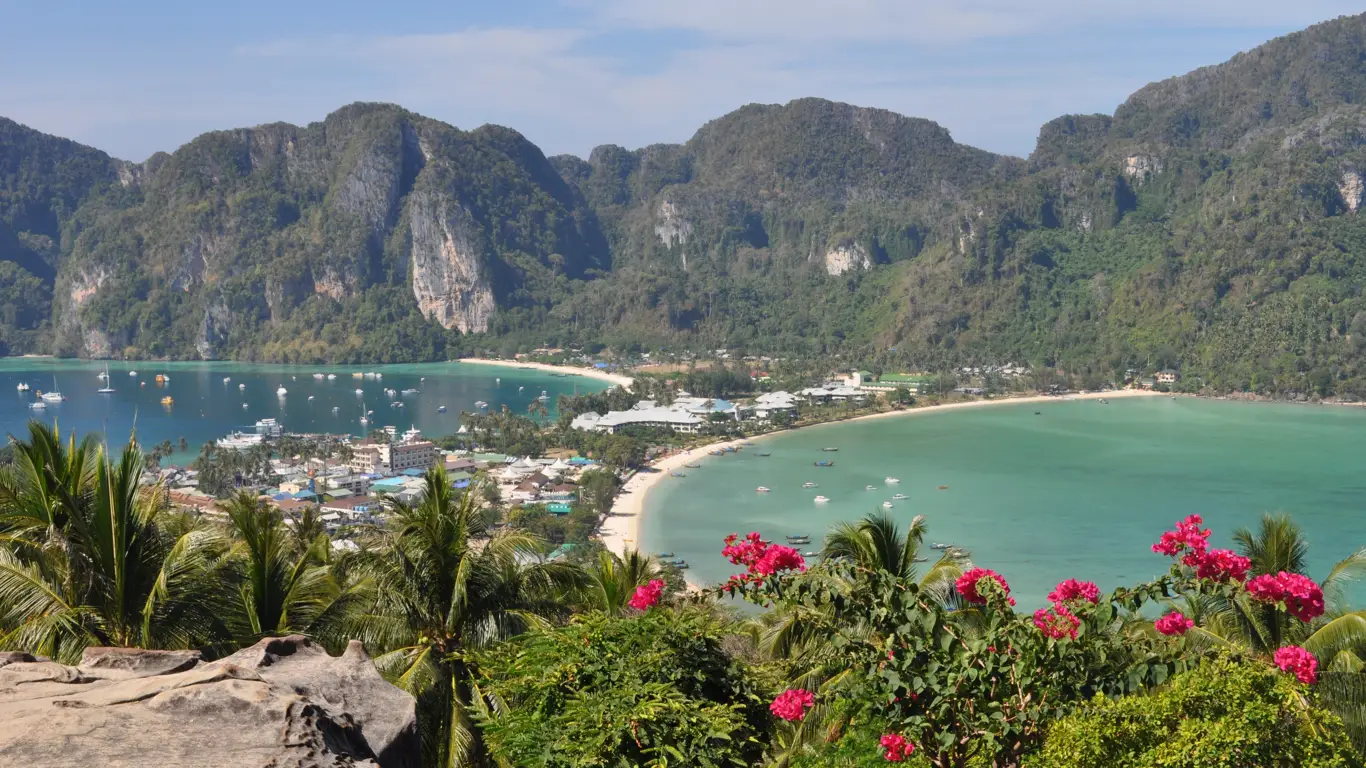
Before 2000, Phi Phi was a quiet outpost rarely reached by tourists. The main island, Phi Phi Don, was home to fishermen, while its neighbor, Phi Phi Leh—where Maya Bay sits—had no residents at all.
The spot already drew divers and adventurous travelers, but there was virtually no infrastructure. Visitor numbers were small, nature remained intact, and the beach looked exactly as described in the script: secluded, picturesque, encircled by cliffs. To make it even more striking on screen, the crew altered the landscape with the local authorities’ approval—some sand was removed and dunes were leveled to create an ideal picture.
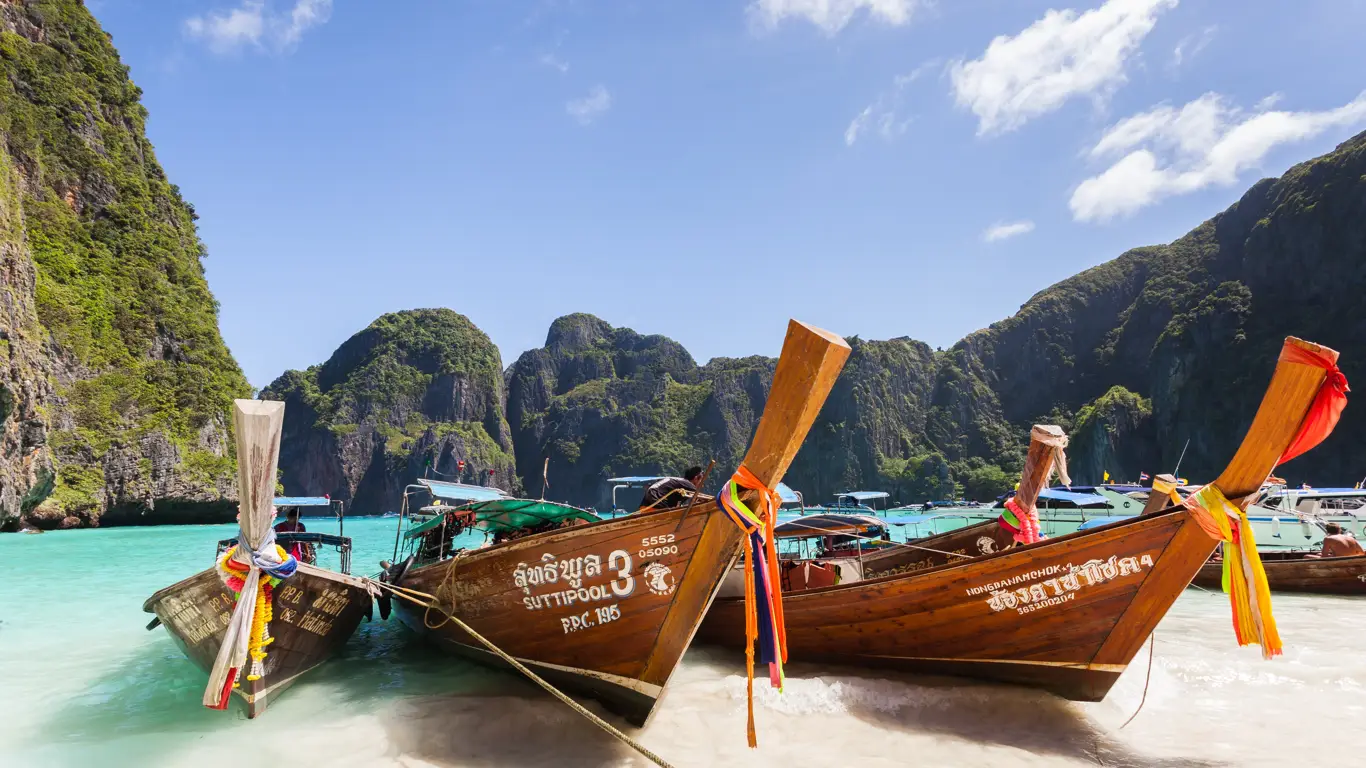
After the premiere, Maya Bay became a magnet for travelers eager to see the beach from the movie and snap a photo. Tour companies quickly capitalized, offering excursions to Phi Phi. Where previously only a handful made the journey, afterward up to 5,000 people arrived each day.
The upshot was predictable: a once-idyllic cove turned into a crowded hotspot. By 2018, scientists reported that 80% of the corals in the bay had been destroyed, pushing the ecosystem to the brink. Authorities closed Maya Bay to visitors. Over four years, the water cleared and corals began to recover. Nurse sharks and turtles returned, and the place finally had a chance to breathe and regain its natural look.
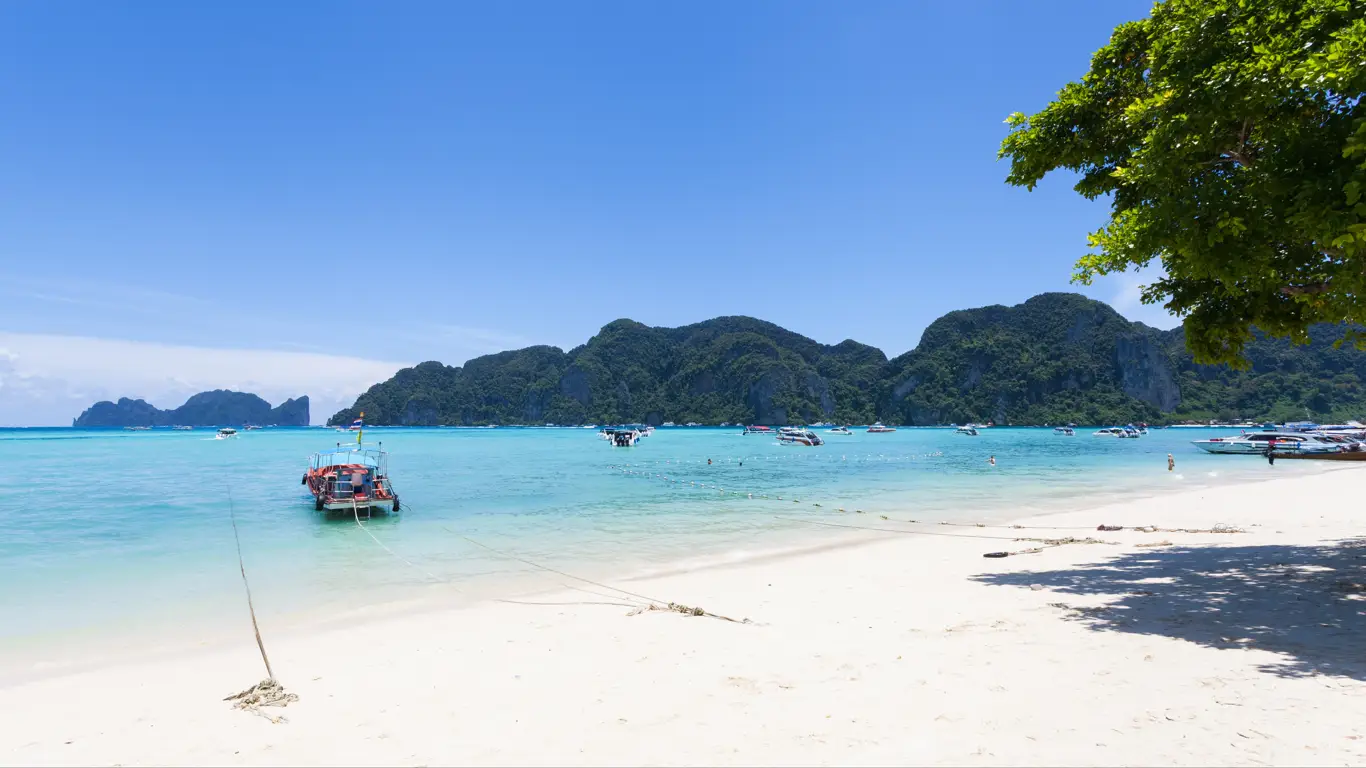
In 2022, the bay reopened under strict limits. No more than 375 people are allowed at any one time (previously it could reach up to 5,000). Swimming is off-limits—visitors may only wade ankle-deep. Boats no longer land on the beach, with access to the bay restricted.
Maya Bay’s story shows how cinema can reshape real life. On the upside, The Beach made Phi Phi famous and brought economic gains; on the downside, it drove a surge of tourism that damaged the ecosystem. Today, the bay is trying to find a workable balance between welcoming visitors and protecting nature.
