
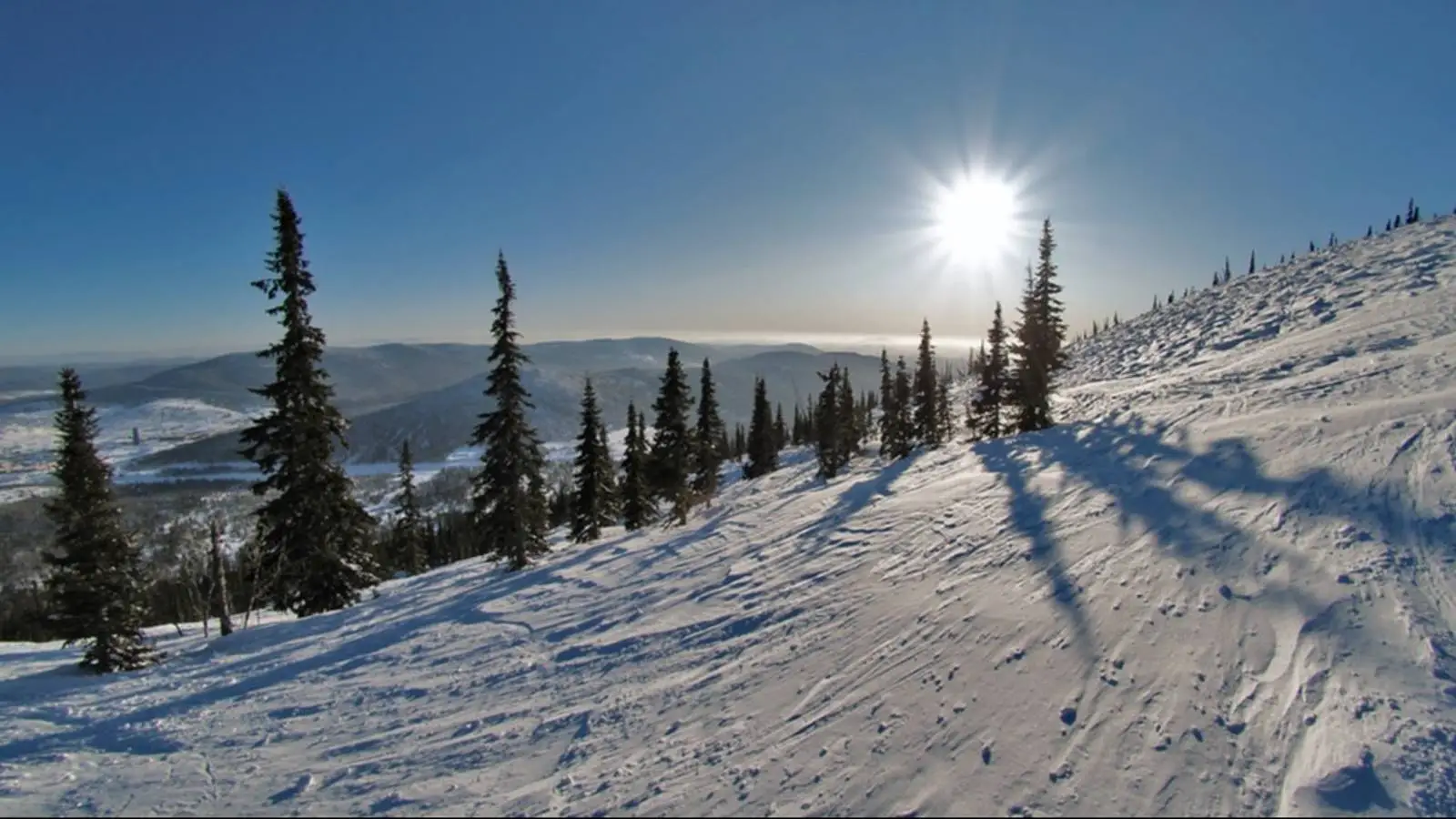
Explore the Sheregesh yeti legend: Azasskaya Cave sightings, viral videos, and the ex-governor’s marketing ploy—how myth shapes Russia’s ski resort experience.
Today, Sheregesh is known as one of Russia’s most popular ski resorts. The area also has a different kind of magnet that keeps drawing attention: lingering tales about a yeti.
The main hotspot for such stories is Azasskaya Cave. Many travelers and locals say they have seen footprints of an enormous creature there, or even glimpsed a three-meter-tall figure moving through the forest. Coverage of Sheregesh often treats this as an intriguing legend, but no convincing proof has emerged.
In 2010, then-governor of Kemerovo Region Aman Tuleyev offered a one-million-ruble reward to anyone who could bring a yeti to the regional administration. The promise sparked a rush of interest, yet no creature turned up.
Later, in 2021, Tuleyev said the entire story had been devised to attract tourists. In other words, the so-called official hunt was more of a publicity play than a genuine search.
Online, videos with titles like Yeti in Sheregesh are easy to find. They show indistinct silhouettes on snowy slopes, but there is no verification of their authenticity. Even so, such clips draw lively debate, and the legend keeps gathering momentum.
Even the resort’s official website devotes space to the yeti theme, a small but telling sign that the myth has become part of Sheregesh’s image.
Believers argue that Gornaya Shoria, with its dense taiga and sparse population, could easily conceal an unknown creature.
Skeptics counter that, after all these years, no photographs or testable samples have surfaced. Tuleyev’s admission only strengthens the sense that marketing plays a central role in keeping the story alive.
Even if no one has actually seen a yeti, the idea itself is appealing. Visitors come for the skiing, and the folklore adds an extra edge to the trip. For the region, it is also a straightforward way to sustain interest in the resort.
In Sheregesh, the yeti remains the hero of anecdotes and online videos rather than scientific papers. For now, it looks more like myth than reality. Still, the legend sets the resort apart, and chances are these tales will persist—if not in the taiga, then certainly in tourists’ memories and local lore.