
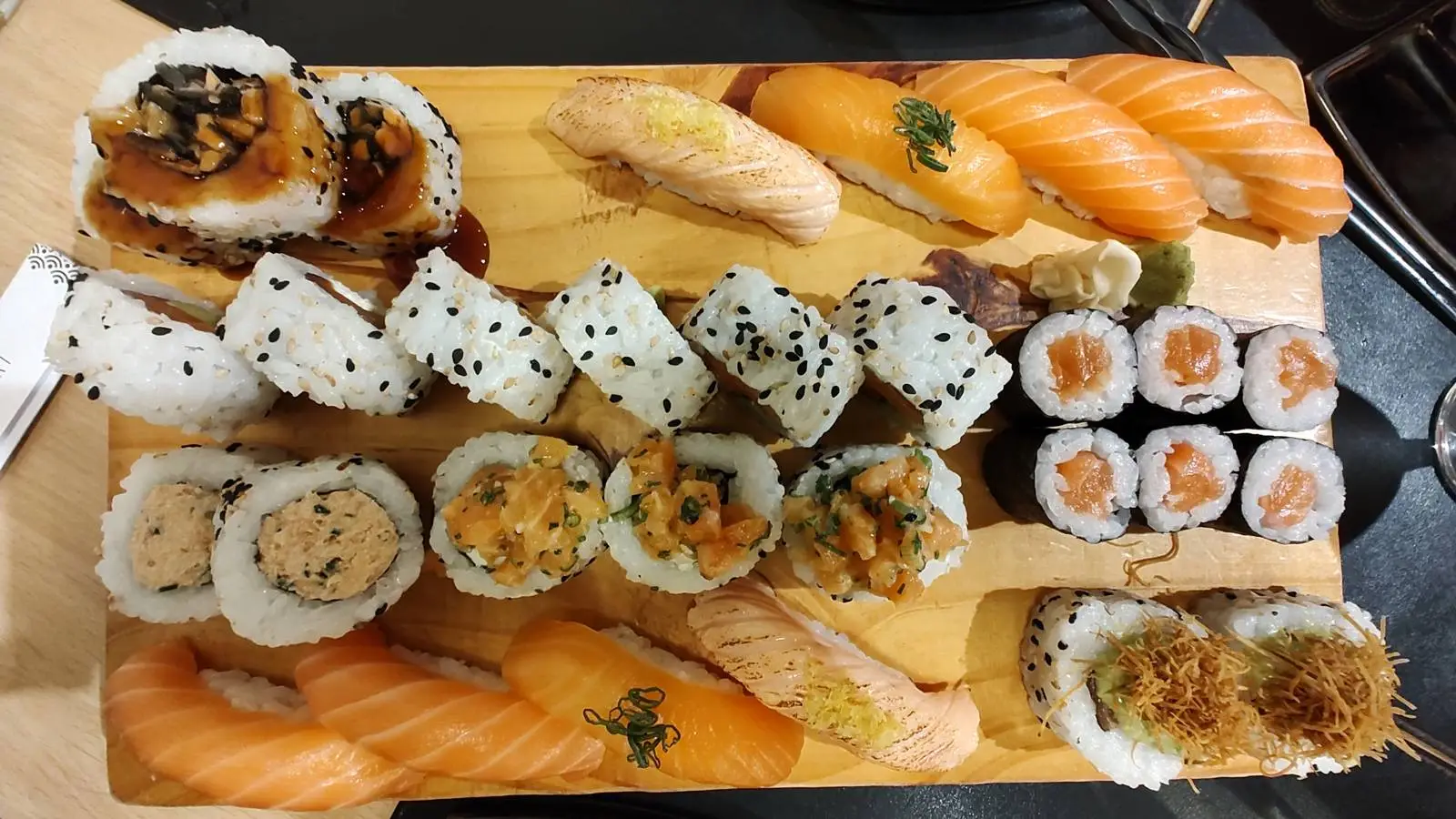
Discover how sushi, rice and seafood once paid taxes in ancient Japan. Explore the shift from in‑kind levies to cash as trade grew and the economy evolved.
Taxes today bring money to mind. In ancient Japan, the picture was very different: levies could be paid with rice, cloth and even sushi.
In the 8th century, most regions settled taxes in kind. Foods that kept well were especially prized—rice, fish and other provisions. Rice was viewed as the country’s chief wealth: it was grown everywhere and formed the backbone of the Japanese diet. Some records from that era note that sushi could also serve as a tax payment.
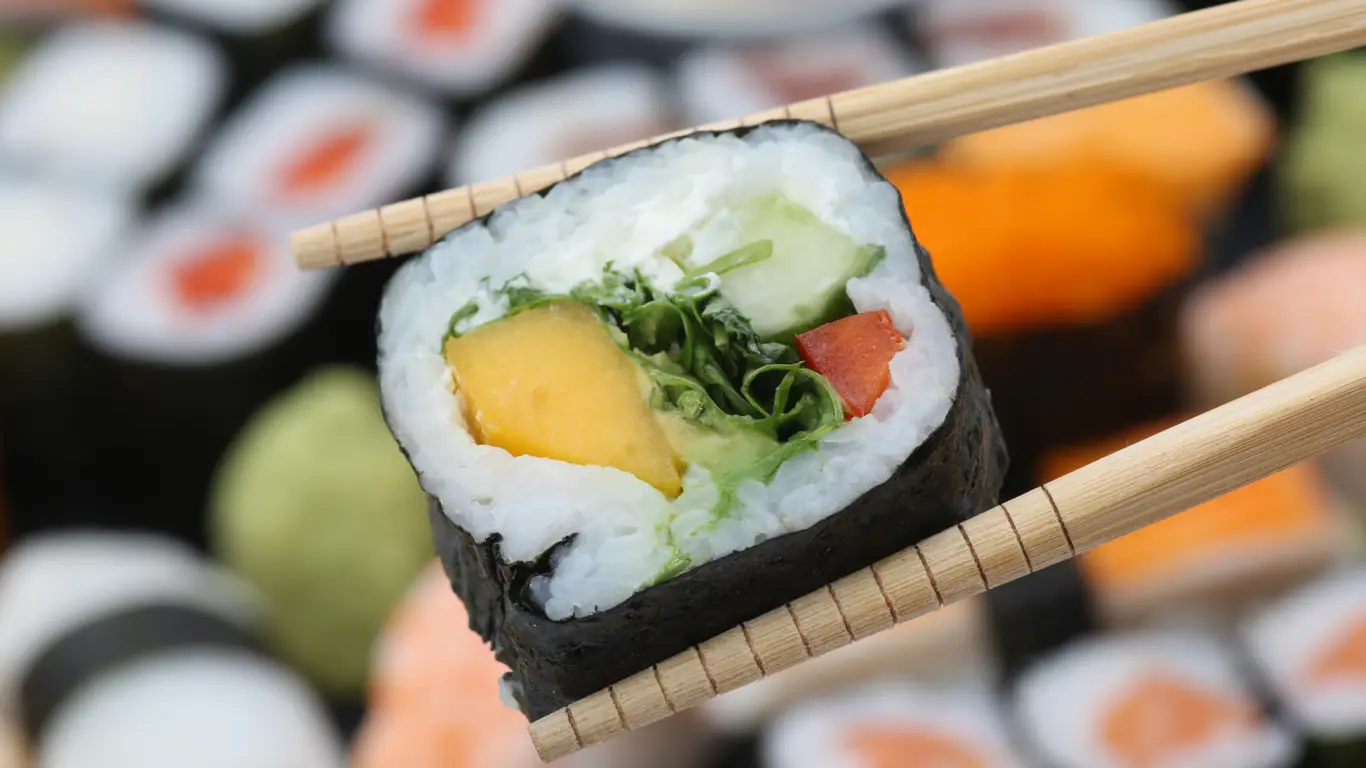
It’s worth remembering that sushi back then looked nothing like modern rolls. These were fermented or salted preparations. The method was simple: fish was packed into rice and left for months, sometimes years, a technique that let food last for a long time.
The state accepted more than sushi. Mussels, abalone, seaweed and other seafood were also taken as dues, sent on to the capital and distributed among officials, the military and even temples.
Over time, the tax system changed. By the 9th–10th centuries, authorities were shifting to monetary payments. Produce proved unwieldy at scale—hard to transport and store. As the economy developed and trade grew in importance, money took over. By the 12th century, taxes were mostly paid in cash, and by the 16th century the collection of goods had almost disappeared.
The story of sushi used to pay taxes is a striking detail that shows how dramatically Japan’s economy evolved over the centuries, a reminder of an era that valued durability over freshness.
Today, such a system is hard to imagine. Yet rare and costly foods still signal wealth: truffles, high-end seafood, aged wines—echoes of those old sushi. They remain desirable, and people are willing to pay dearly for them.
So perhaps sushi is still a kind of “levy” for gourmets—only now the payments go not to officials, but to restaurants.