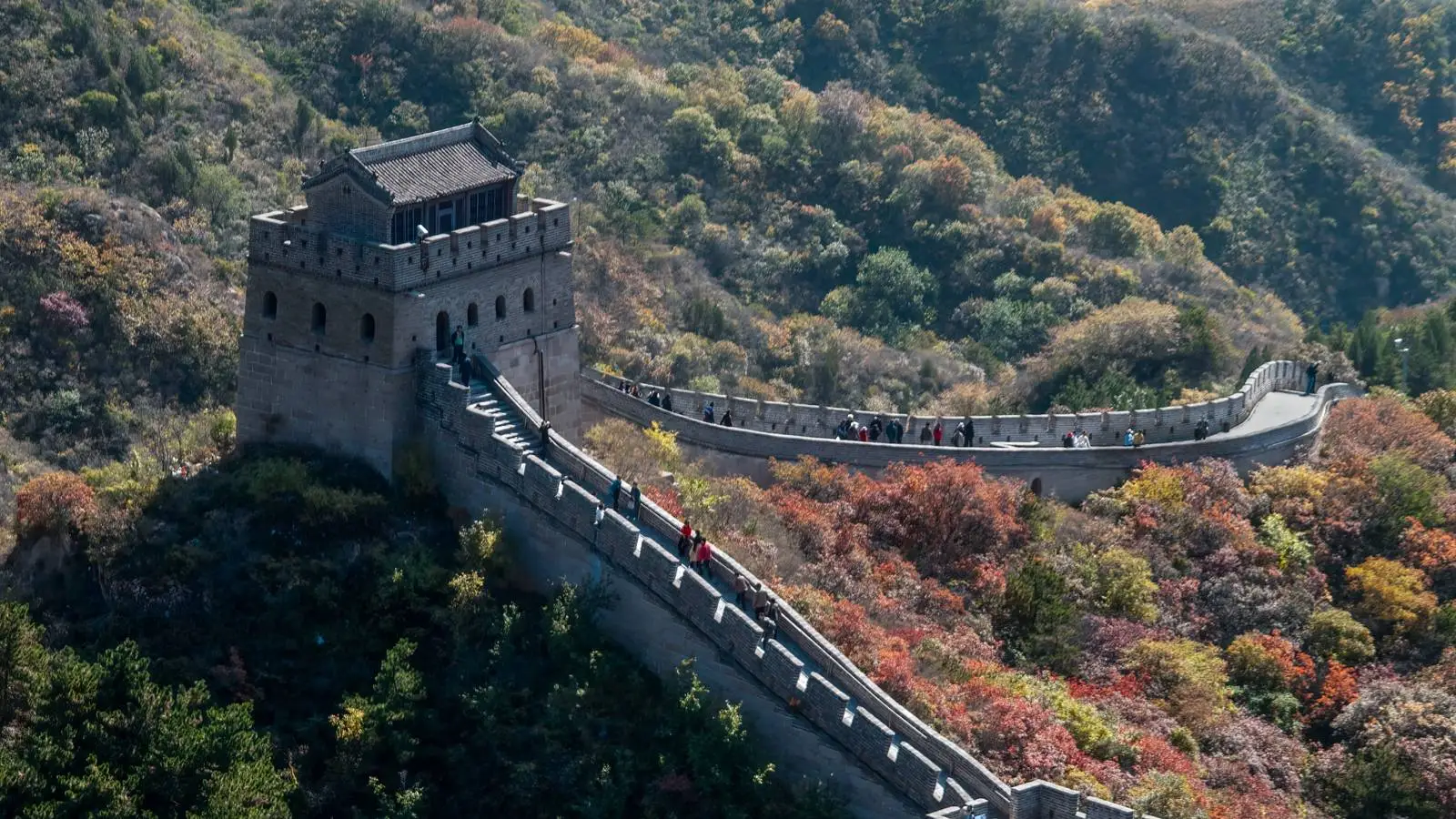
Discover how the Great Wall of China was engineered across deserts and mountains, from rammed earth to sticky rice mortar, plus new archaeological findings.
The Great Wall of China ranks among the world’s most recognizable landmarks. Its sheer scale is staggering—more than 21,000 kilometers. No less striking is the way it was built. Ancient Chinese craftsmen managed to raise this vast barrier without modern tools and even without cement. Instead, they relied on rice.
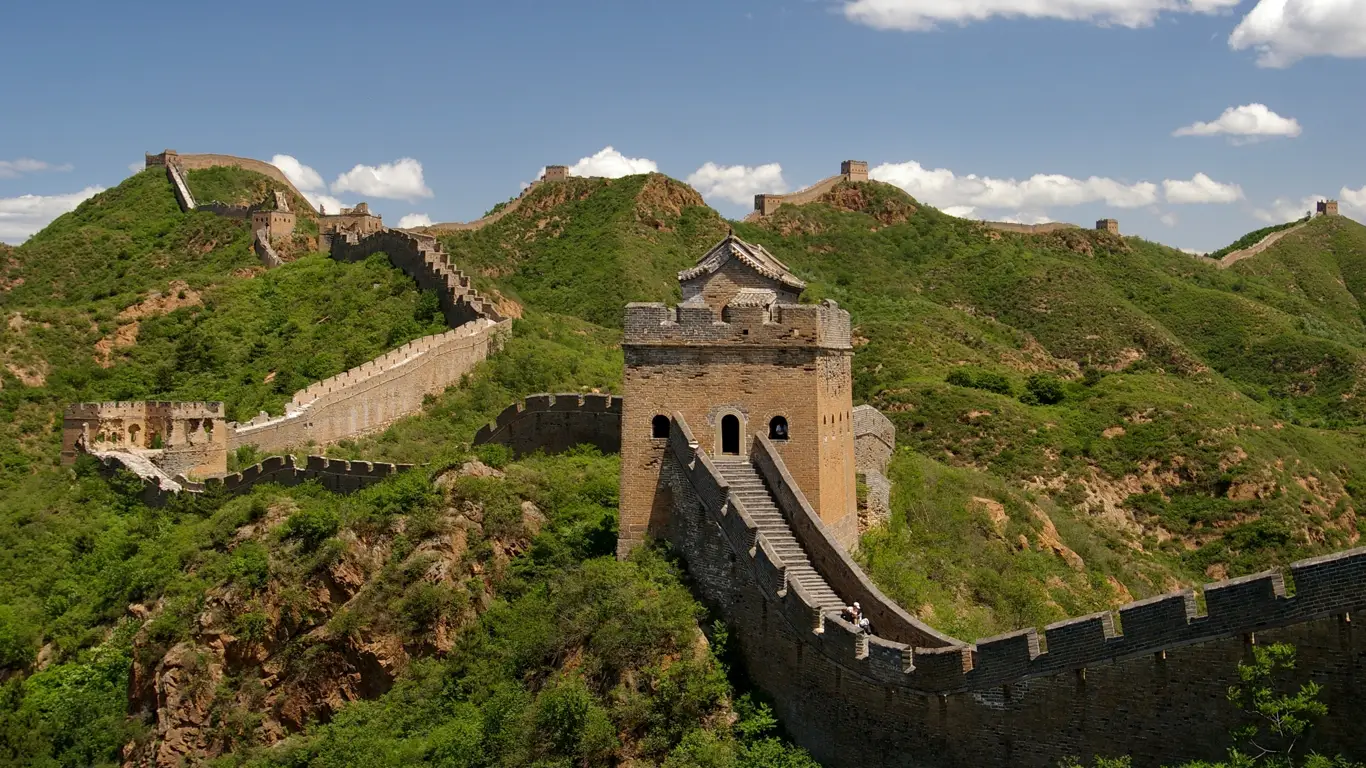
The first phase of construction began in the 3rd century BCE under China’s first emperor, Qin Shi Huangdi. Back then, the wall resembled a chain of separate fortifications rather than a single continuous line of defense. Its core purpose was to shield the country from nomadic tribes attacking from the north.
Later, during the Ming dynasty (1368–1644), the wall was rebuilt and massively reinforced. That is when it took on the contours we recognize today.
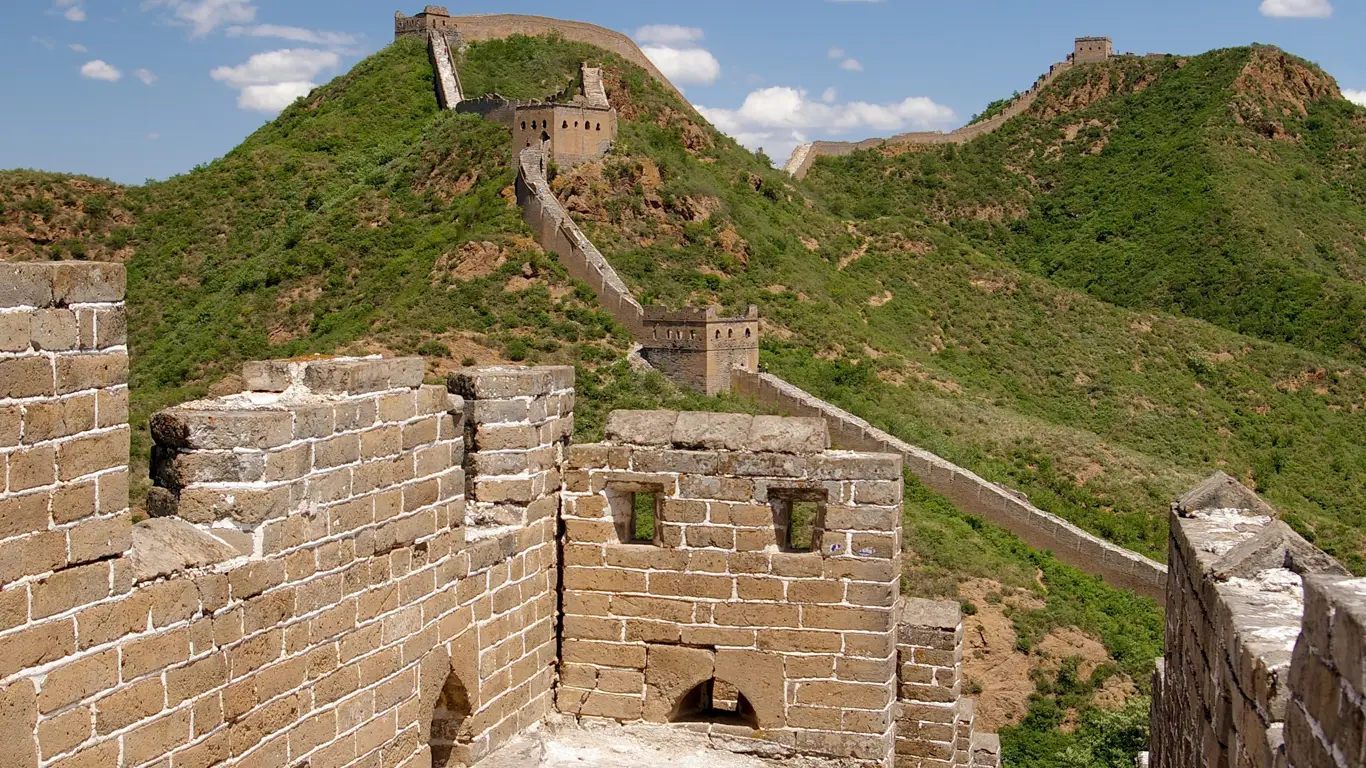
One of the biggest challenges was the terrain: the wall crosses everything from mountains to deserts, so builders used whatever lay at hand.
Across the steppe, walls were made from rammed earth. Layers of soil were packed between wooden frames and compacted until they hardened almost like stone.
In desert zones, they mixed sand and gravel to give the structures stability.
In the mountains, workers laid stone blocks by hand.
The most intriguing method was a rice-based mortar used in some sections. When cooked rice was blended with lime, it produced an exceptionally strong binding compound that only grew tougher with time. Researchers found that this rice mortar not only held stones together but also helped the wall withstand earthquakes and erosion. It’s no surprise those stretches have endured better than others.
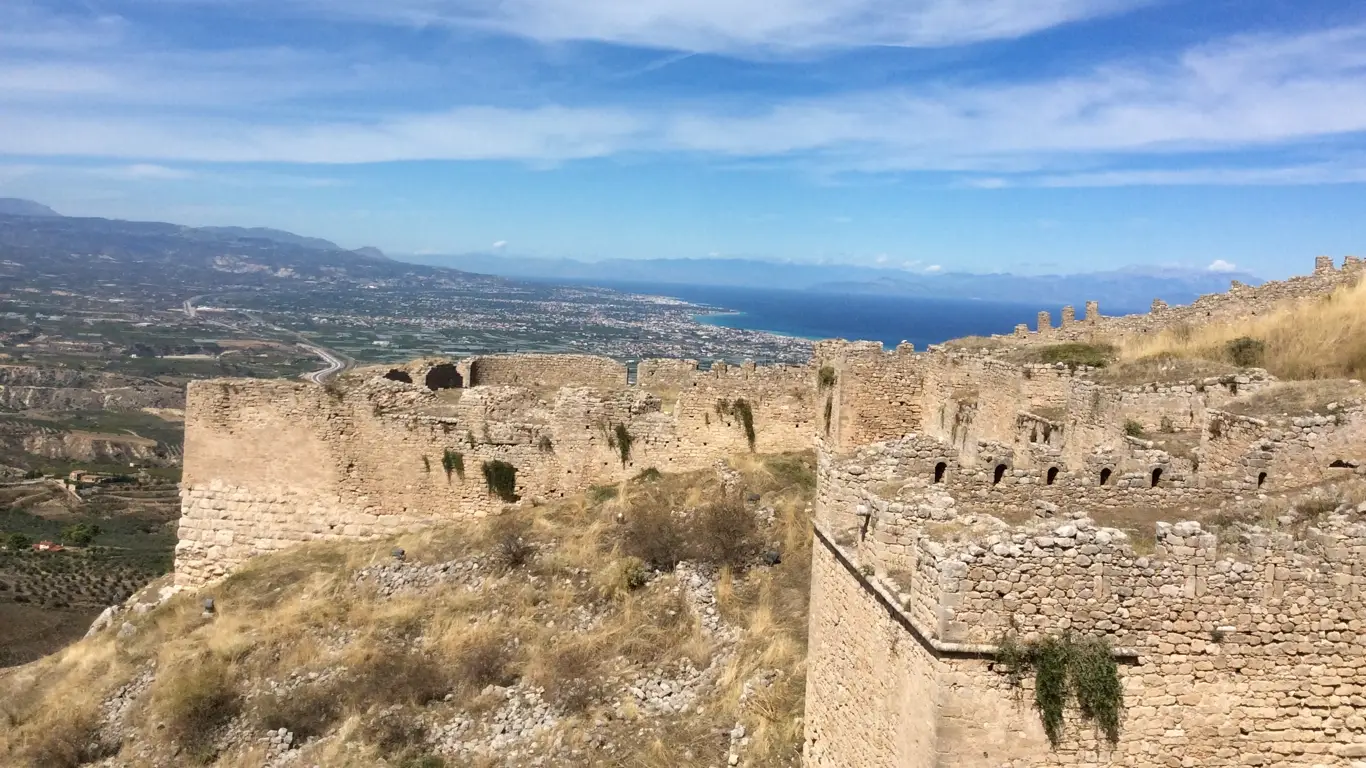
Despite decades of study, the wall still surprises. In 2023, archaeologists identified underground sections in the Gobi Desert that had not been documented before. Scholars also concluded that the earliest defenses may have appeared even earlier than the reign of Qin Shi Huangdi.
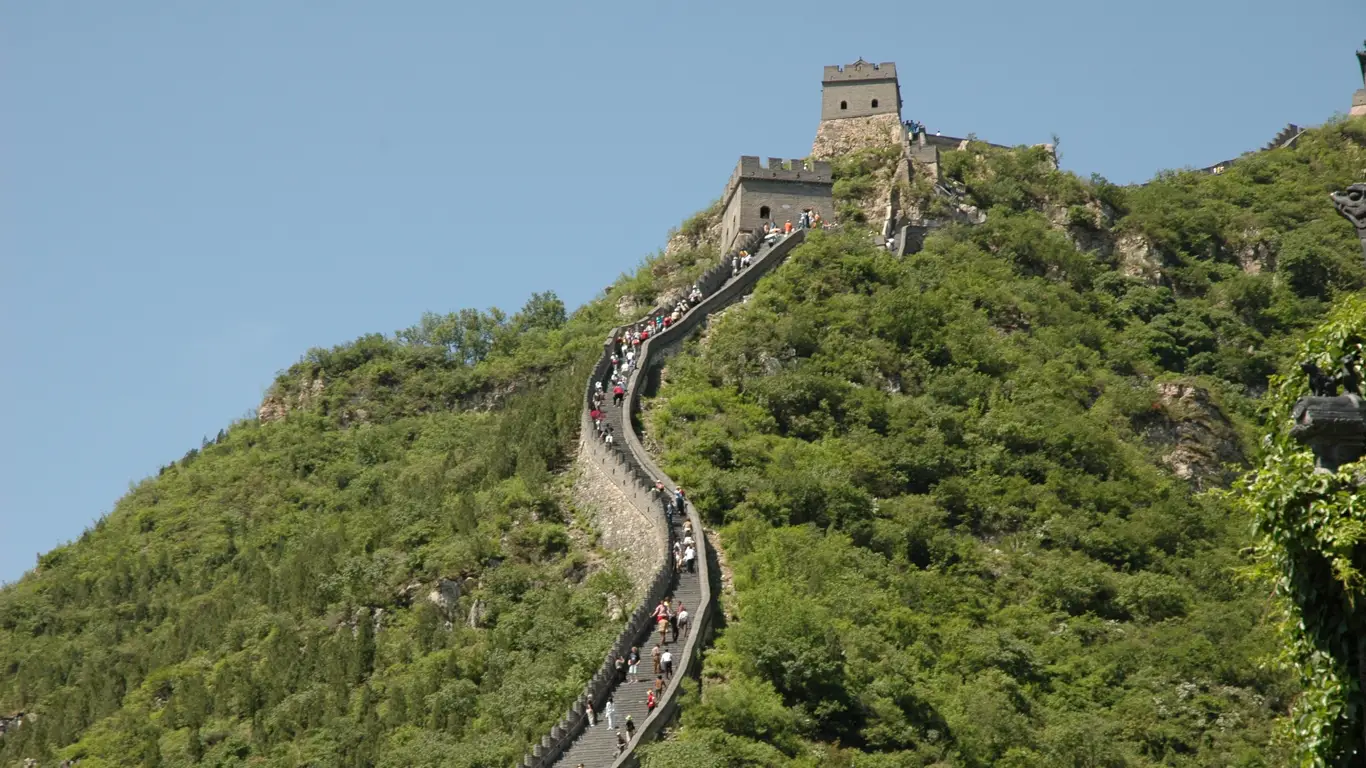
The Great Wall is more than an ancient rampart; it is a feat of engineering that shows how durable a structure can be even without modern technology.
Its longevity likely rests not only on the builders’ skill but also on that sticky rice mortar, which proved to be more than food—it became a remarkably reliable construction material.