
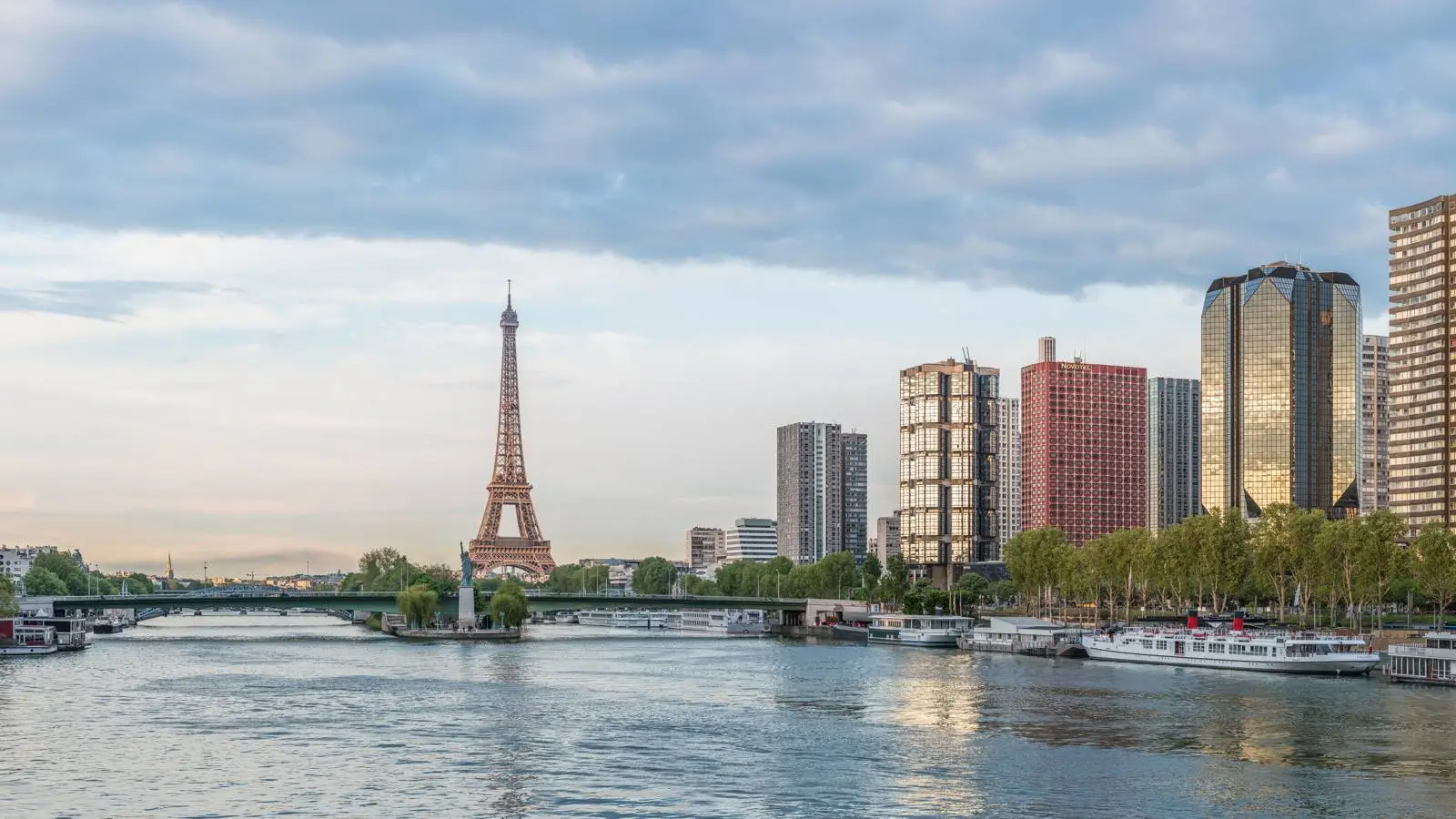
Discover the Eiffel Tower’s turbulent history: from a reviled World’s Fair project to Paris’s icon, saved by radio signals and reborn as a symbol of progress.
It’s hard to imagine Paris without the Eiffel Tower. Rising above the city, it has become its emblem, a magnet for travelers and a source of inspiration for artists, writers, and filmmakers. Yet when Gustave Eiffel unveiled his concept, it triggered a storm of indignation. Many Parisians saw it as a bulky, tasteless iron hulk, and prominent architects and authors signed a petition to stop the project. The irony is hard to miss: what many dismissed as an eyesore would become the city’s calling card.
At the end of the 19th century, as France prepared for the 1889 World’s Fair marking the centenary of the French Revolution, a competition was announced for a temporary structure that would symbolize progress and technical mastery. The design proposed by engineer Gustave Eiffel and his team was selected despite the controversy swirling around it.
Then came the backlash. More than 300 leading figures in the arts and sciences, including Guy de Maupassant, Charles Gounod, and Alexandre Dumas fils, signed an open letter that described the tower as a senseless, ugly monster. In the Protest against the Eiffel Tower, they compared it to a black factory chimney that would spoil the face of Paris.
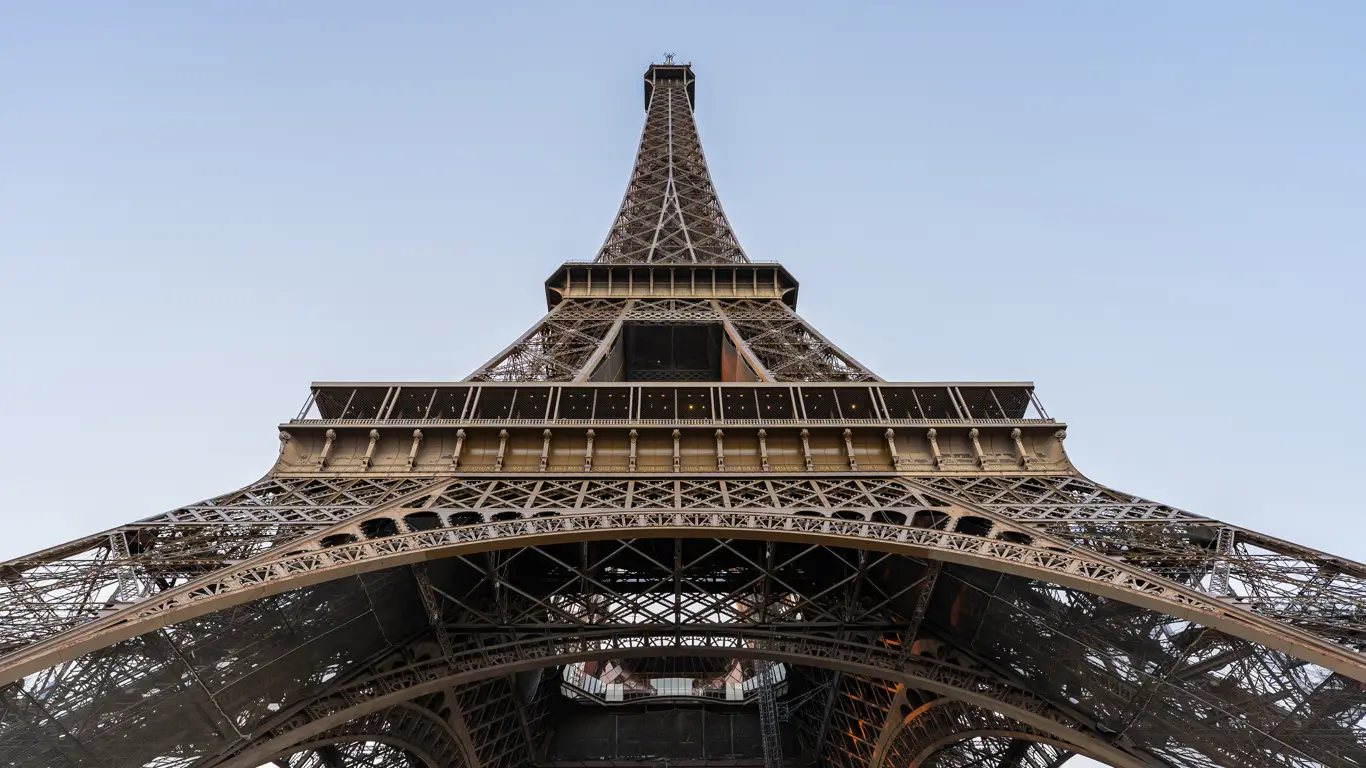
Despite the protests, the tower was finished by 1889. At first it found little favor with Parisians, but the international audience reacted differently. Visitors to the World’s Fair were enthralled by the engineering achievement: the 324‑meter wrought‑iron structure impressed not only with its size but with the audacity of its architecture.
Moreover, the tower soon proved its practical worth. In the early 20th century it was used for radio broadcasts, a factor that helped save it. The structure had initially been slated for dismantling 20 years after the fair, but the signals transmitted from its summit highlighted its strategic importance.
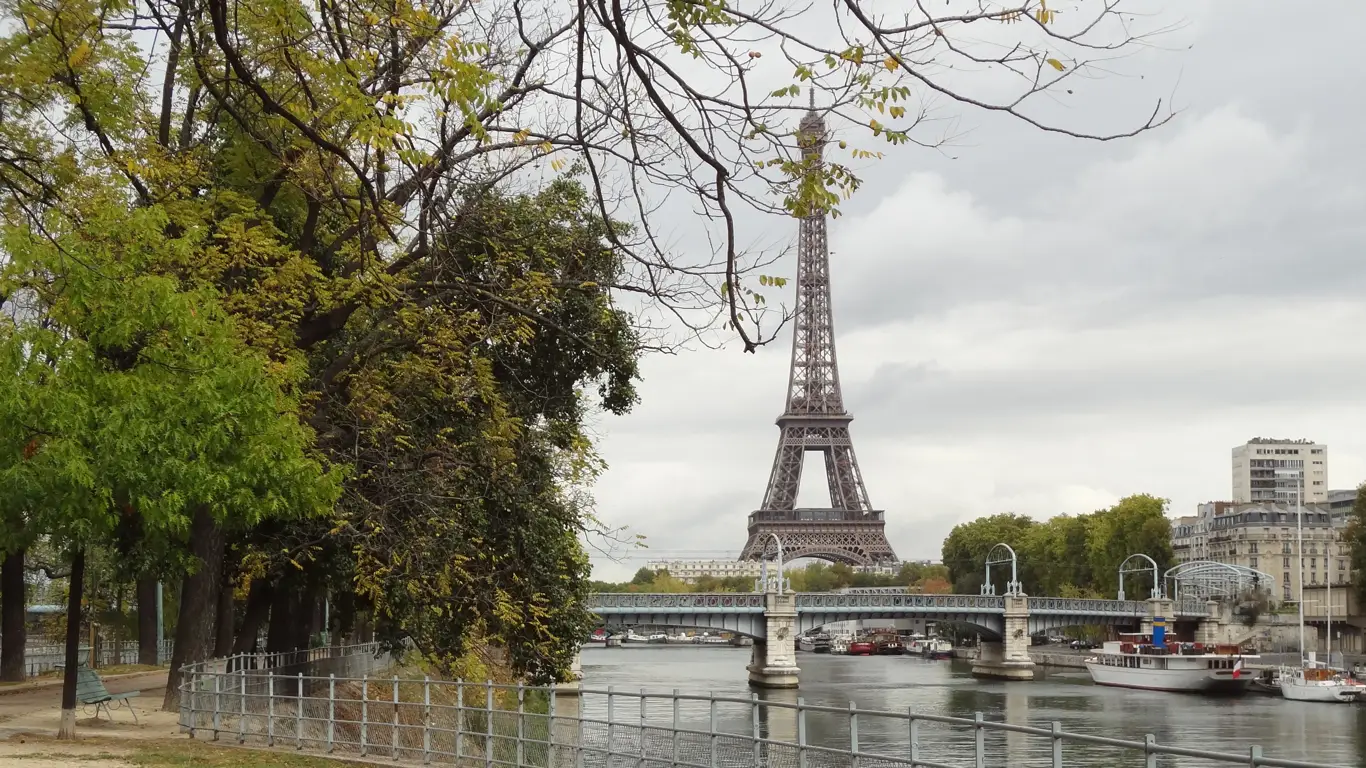
Over time, attitudes changed dramatically. The tower came to symbolize technological progress and bold engineering. It appeared in works of art and on postcards, posters, and photographs. By the mid‑20th century, the Eiffel Tower had firmly established itself as France’s premier attraction.
Today, it is hard to separate Paris from that refined silhouette. Beyond drawing millions of tourists, the tower continues to host new ideas. Regular repainting, light installations, and contemporary engineering solutions help it retain its status as both a historic and a technological wonder.