
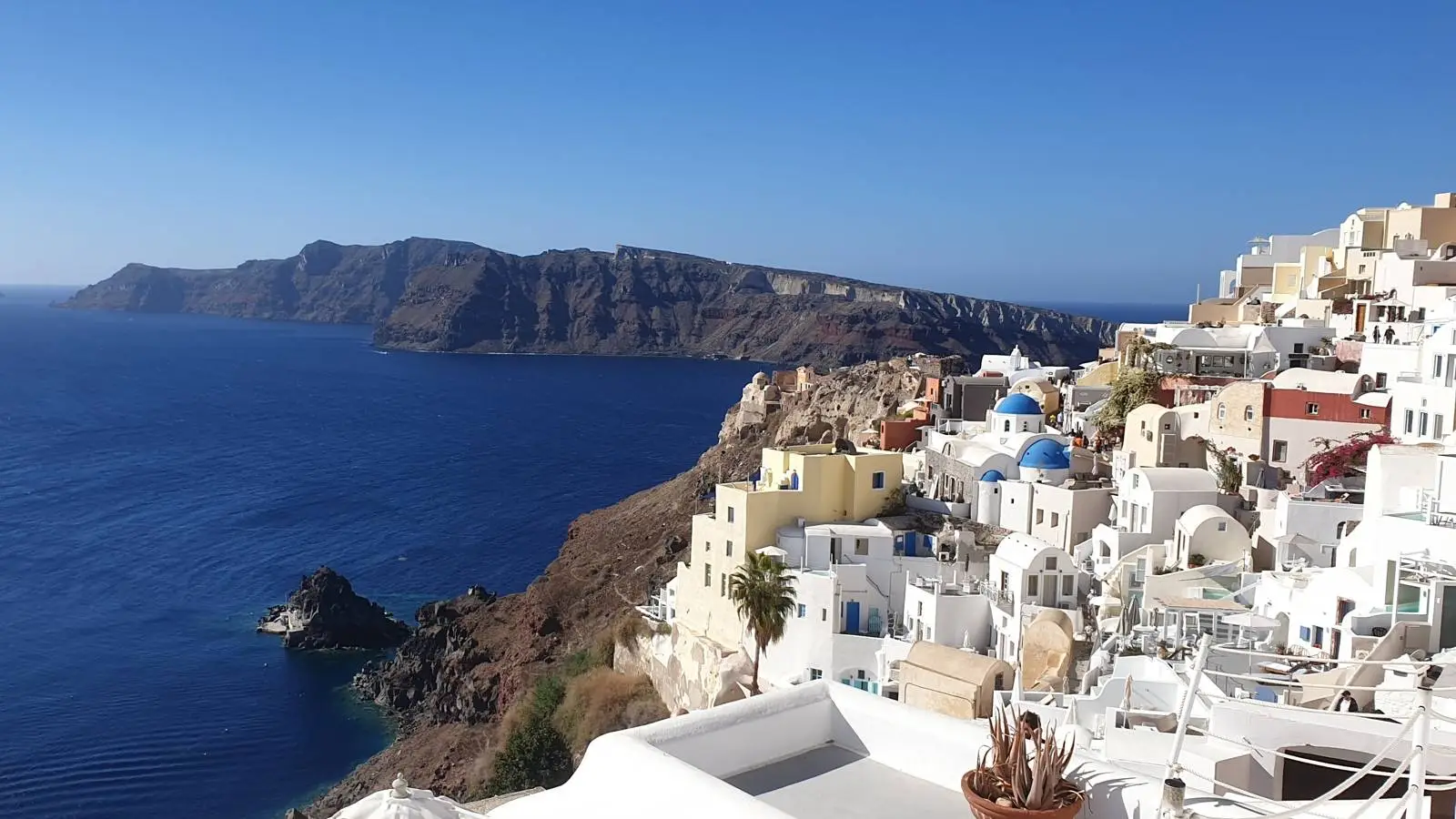
Discover how a colossal eruption shaped Santorini’s caldera, colorful beaches, hot springs and wine. Explore its geology and history on this volcanic island.
Santorini is more than a pretty Greek island of whitewashed houses and blue domes. It carries a singular history that began with a powerful volcanic eruption. Around 3,500 years ago, a massive blast literally tore the island apart, reshaping its landscape and, quite possibly, leaving a mark on the course of world history. Today the aftermath is written in a vast caldera-like bay, unusual beaches, and lingering volcanic activity. It’s hard to shake the feeling that this drama is part of the island’s pull.
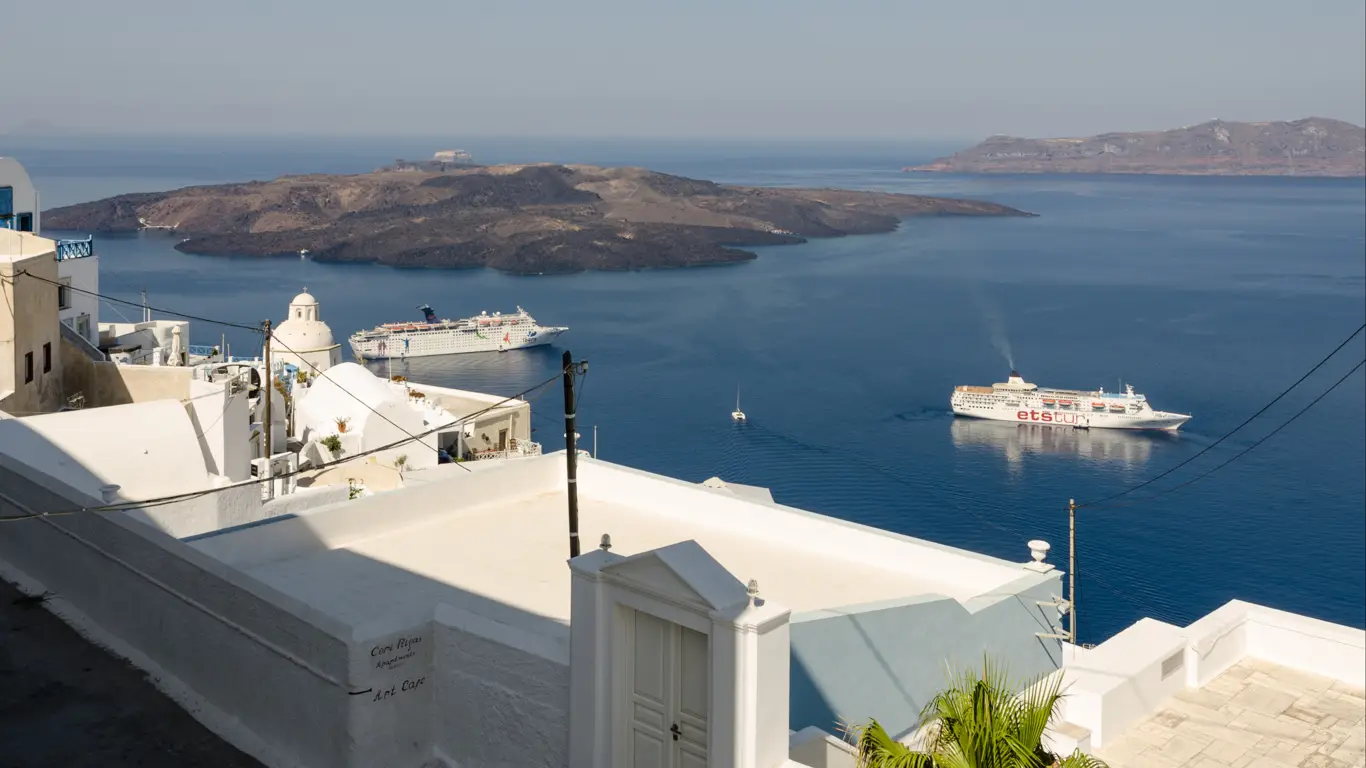
Once part of a larger island, Santorini lost its center in an ancient eruption, which left behind an immense water-filled crater—the caldera. Today it ranks among Greece’s signature natural sights.
Inside this bay sit the small islets Nea Kameni and Palea Kameni, born of later eruptions. Here, there are hot springs, steaming fissures in the earth, and hardened lava flows. These places attract visitors and scientists alike, who continue to monitor the volcano.
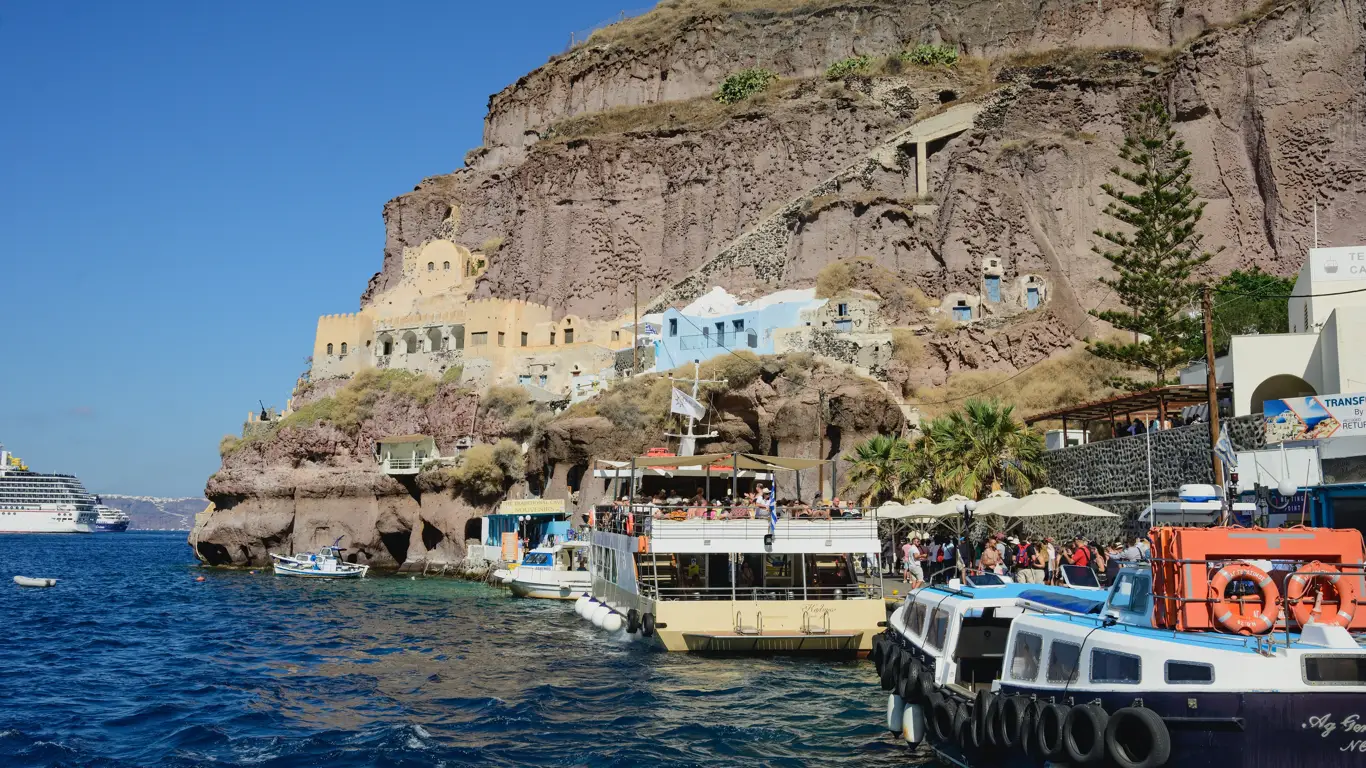
Among the island’s wonders are its beaches. Unlike the usual golden strands, sand and stones here take on striking hues thanks to the island’s volcanic origin:
• Red Beach (Kokkini Paralia) is famed for vivid crimson cliffs and sand tinted by iron-bearing minerals.
• Perissa Black Beach is lined with dark volcanic sand that soaks up heat, leaving the shore especially warm.
• White Beach (Aspri Paralia) is framed by pale cliffs, a sharp counterpoint to the dark water.
They’re not just beautiful; they’re a direct product of the island’s history and singular geology.
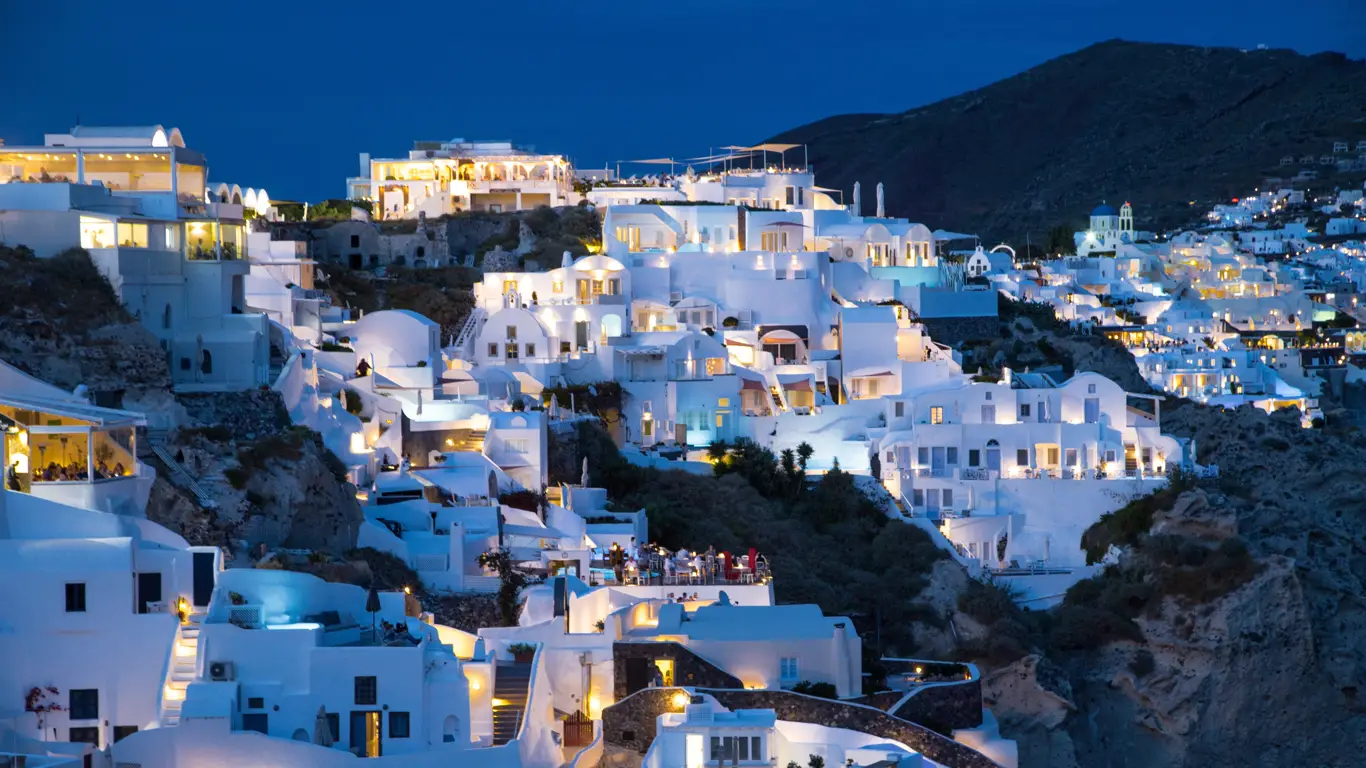
The volcano hasn’t flexed its muscles in a long time, yet its influence is everywhere. The caldera anchors tourism, and the hot springs appeal to those who favor nature’s version of a spa. Even the vineyards root in volcanic soil, which shapes the character of the wine.
Locals have learned to live with this landscape. Homes are built with tremors in mind, and much of the architecture echoes older traditions that helped people endure a demanding environment.
Scientists continue to watch the volcano, and for now there’s no cause for alarm. Still, Santorini is more than a resort; it remains a vivid reminder of how nature can redraw the map.