
Discover how Bhutan turns surplus hydropower into green Bitcoin mining, building billions in reserves while balancing energy needs, transparency, and risk.
Bhutan is a small Himalayan kingdom tucked between India and China. For years it stayed off the radar, but lately it has surprised the world: the country began mining Bitcoin using the power of its rivers. Where many governments see only a problem — mining typically devours electricity and pollutes the air — Bhutan offered its own answer by running crypto operations on clean hydropower.
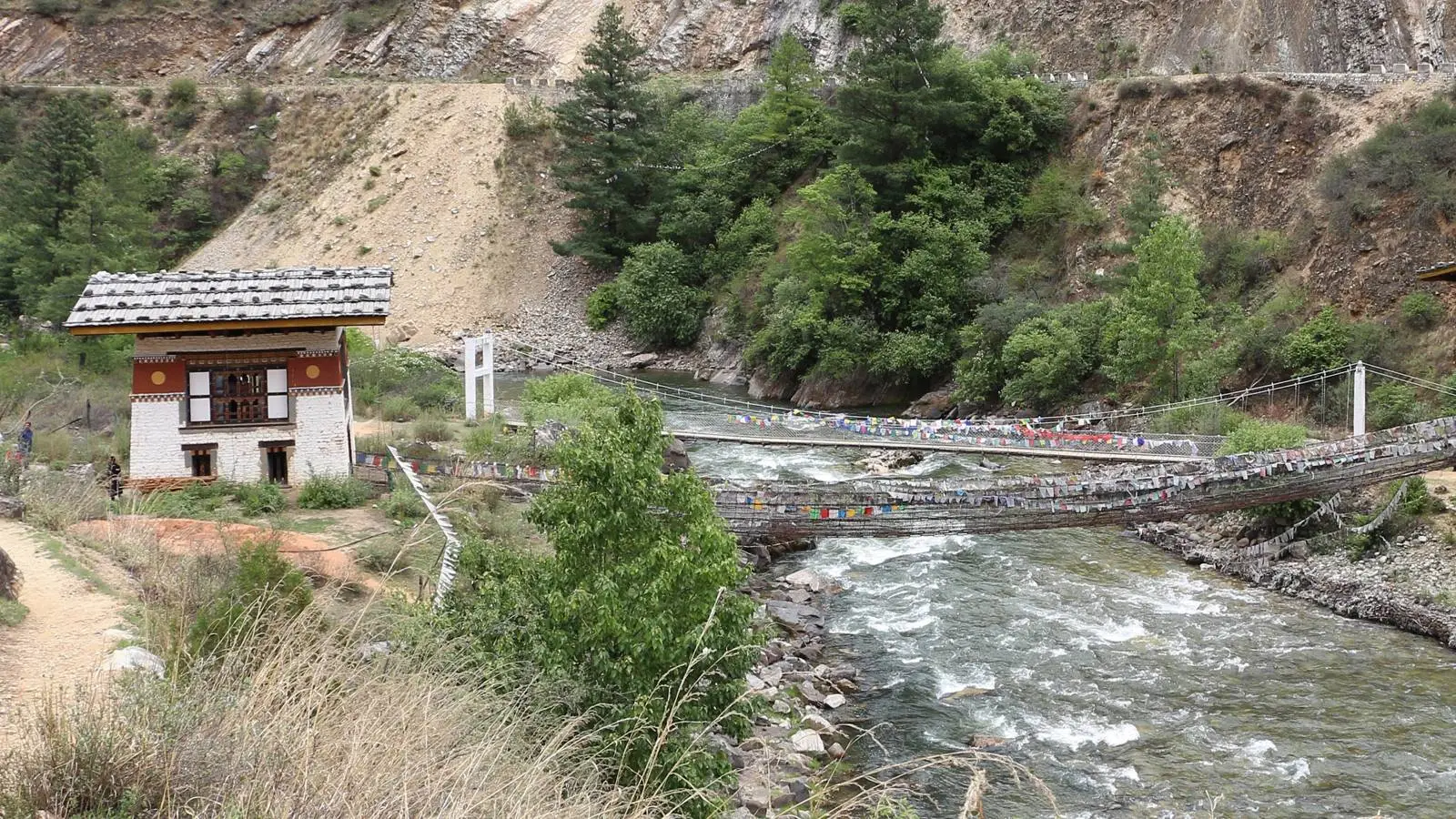
Bhutan is rich in fast-flowing rivers, and nearly all of its electricity comes from hydropower plants. Current capacity stands at about 3.5 gigawatts, but the plans are far more ambitious: the country aims to lift it to 15 and then to 33 gigawatts.
There is a catch: in summer, power is abundant; in winter, it falls short. To avoid wasting surplus kilowatts, authorities decided to channel them into Bitcoin mining.
In 2019, the state fund Druk Holding & Investments (DHI) began experimenting with cryptocurrency. Back then, Bitcoin traded at roughly five thousand dollars. Over the following years, the country built six mining sites and is preparing a seventh.
According to media reports, Bhutan has mined more than 13,000 bitcoins and entered the ranks of the largest state holders of the asset. For the kingdom, cryptocurrency works like a digital battery: surplus energy is converted into bitcoins that can be stored and sold when needed. The idea is straightforward — turn excess electricity into a storable asset.
Officials disclose little, but various sources say mining revenue has already covered salaries for civil servants. According to Forbes, in 2024 the country’s crypto holdings were valued at around $750 million, and by 2025 some analysts were speaking of $1.3 billion — nearly 40% of Bhutan’s gross domestic product.
Bhutan’s trump card is its use of river power. Unlike countries where crypto is mined with coal or gas, this process does not leave a significant carbon footprint. That makes Bhutanese bitcoins appealing to companies that follow environmental standards.
Still, questions remain. How can the country guarantee that winter electricity is not diverted from residents? How transparent are the revenues and expenses? For now, there are no clear answers — and the silence invites scrutiny.
Beyond mining, Bhutan plans a special district called Gelephu Mindfulness City. The idea is to blend eco-friendly architecture, digital technologies, and new financial instruments, including cryptocurrencies.
The project is bold, and the risks are real. Bitcoin’s price can swing sharply, hardware ages quickly, and climate change could affect the rivers. On the other hand, this small kingdom has taken on an experiment that so far no one else has tried to replicate — a calculated risk that could redefine how surplus clean power is used.
Bhutan has shown that mountain rivers can provide not only light but also a new way to earn. If demand for cleaner bitcoins grows, the country will be well positioned.
This is a story of a state far from the world’s economic centers finding its own path into the digital future — taking risks while opening up new opportunities.