
From jeepneys in the Philippines to tuk-tuks in Thailand and Wuppertal’s suspended train, see how iconic transport shapes culture, adapts, and endures.
We tend to see transport as a way to get from A to B. Yet in some countries it turns into a symbol that reflects history, habits, people—and the challenges they face. It’s not just a ride; it’s a brief cultural lesson on wheels.
These distinctive modes often look eccentric, make plenty of noise, and don’t always keep to a timetable—but they’re unforgettable. Here’s why they matter and what is happening to them today.
This isn’t about ordinary buses or subways. It’s about vehicles that have become the face of a city or even an entire country.
Take jeepneys in the Philippines. These vivid shared taxis grew out of old American military jeeps after World War II. Drivers covered them with artwork, slogans, and flags, turning each one into a moving piece of folk art. In recent years, authorities have pushed to replace aging jeepneys with cleaner, more modern versions. That has sparked protests: drivers fear losing work, and the new vehicles are simply too expensive for many.
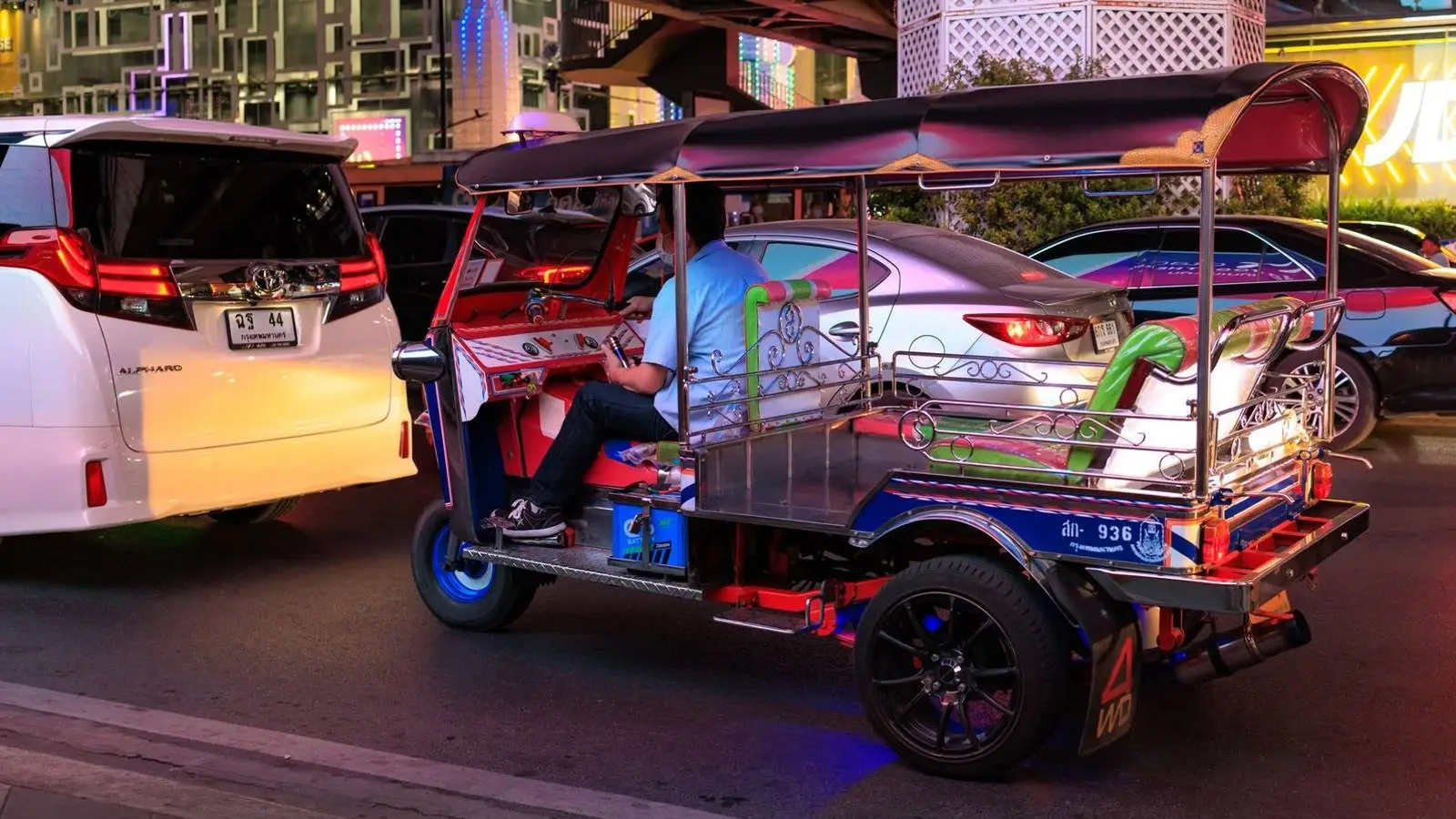
Then there’s the tuk-tuk—a three-wheeled, roofed motor rickshaw—common in Thailand. It’s quick, noisy, sometimes a little rule-bending, and instantly recognizable. Electric versions are appearing, but the classic models remain crowd-pleasers for tourists and locals alike.
Sometimes transport is invented from whatever is at hand. In Cambodia, a bamboo train emerged: essentially a lightweight wooden platform on rails. You sit on it and glide along old tracks. Locals devised it when regular trains barely ran. These days it’s mostly a tourist experience, but it still speaks to everyday inventiveness.
A very different story comes from the German city of Wuppertal, where a suspended train hangs from overhead rails above the streets. More than a century old, it’s still in service and remains a source of civic pride.
Many countries are debating whether to keep such unusual transport or finally replace it.
In the Philippines, authorities want jeepneys to be cleaner and safer. Drivers are pushing back, arguing that the new equipment is costly and out of reach for many. Protests continue.
There are other examples. In parts of Asia, hand-pulled rickshaws—one person hauling a passenger—have nearly vanished, lingering mostly in tourist districts. There, they feel less like transport and more like a living fragment of history.
These vehicles are more than a way to get around. They’re woven into city life, culture, and daily routines. In Guatemala, so-called chicken buses—former American school buses turned into local shuttles—are repainted in bright colors, and loud music blares inside. For many, they’re transport and a form of self-expression at once.
In Europe, by contrast, older systems are often preserved to protect local character. In Germany, the suspended train wasn’t phased out—it became an attraction, carefully maintained so it can keep running.
What’s certain is the mark they leave. Jeepneys, tuk-tuks, rickshaws, suspended trains—these are slices of history living in the streets, engines rattling, lights flickering, quietly telling their story to anyone willing to look.