
Discover how Turkish Airlines names its aircraft after cities, districts, landmarks, and historic moments, turning each flight into a piece of Turkey’s story.
Most airlines identify their aircraft with numbers and letters alone. Turkish Airlines takes a different route: every jet gets a name, and it’s never random. The name might honor a city, a district, a natural landmark, or even a defining moment in the country’s history. That simple choice makes a flight feel a little more personal — you’re traveling not just on an airplane, but on a small piece of Turkey’s story.
Turkish Airlines started naming its aircraft in the early 2010s. The first wave drew from all of Turkey’s provinces — a clear, logical starting point. Once that list was complete, the airline turned to famed natural sites and tourist landmarks. Later came the names of districts.
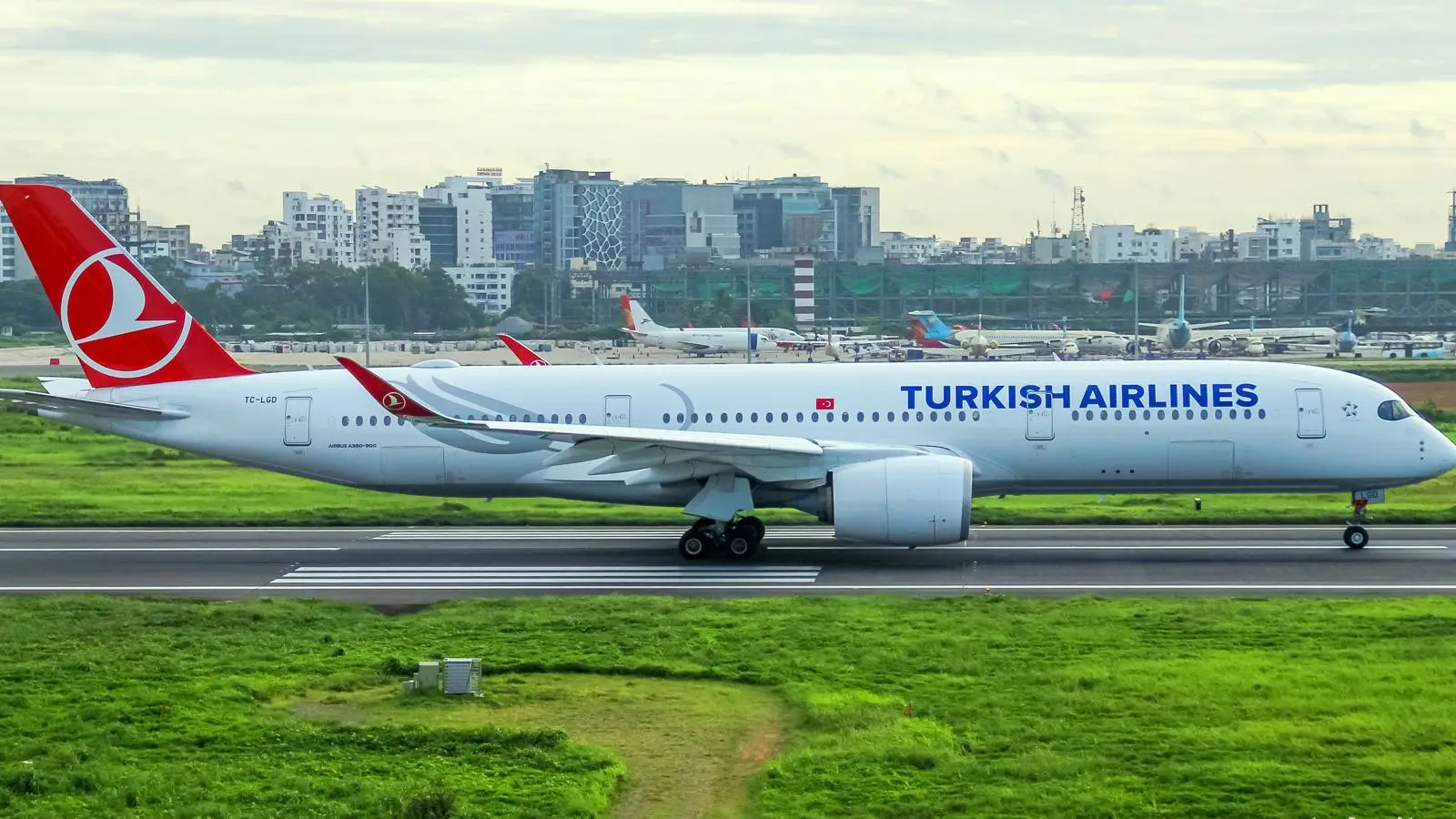
The names are painted right beneath the pilots’ windows — a modest touch that stands out. It keeps cultural memory in view and underscores how closely the airline sees itself tied to its home country. It’s a small gesture that gives a routine journey a sense of place.
In 2016, after the attempted coup in Turkey, Turkish Airlines named eight aircraft after districts of Ankara and Istanbul whose residents had played a notable role in defending the country. Among them were Gölbaşı, Saraçhane, and Çengelköy. In the sky, these aircraft became moving reminders of those events rather than static museum pieces.
At times, the naming is a quiet thank-you. In 2015, one jet was named after the Japanese city of Kushimoto, in memory of the people who, back in 1890, helped sailors from a sinking Ottoman ship.
In 2019, a new aircraft received the name Maçka, the hometown of Eren Bülbül, a teenager killed by terrorists. The choice followed a groundswell of requests online.
In 2023, after devastating earthquakes shook Turkey, the airline’s 400th aircraft was named Tek Yürek — which translates as “One Heart.” The name supported a charity campaign and signaled solidarity with those affected.
Turkish Airlines approaches the task deliberately. Larger long-haul aircraft that fly great distances typically carry the names of major cities. Smaller planes used within the country are more likely to be named after districts or natural landmarks. The balance keeps the system coherent while giving each jet a distinct identity.
By 2025, the Turkish Airlines fleet is expected to reach 500 aircraft. That means more names, more stories. Perhaps we’ll soon see planes honoring ancient Turkish cities or natural wonders. Either way, the next time you board a Turkish Airlines flight, glance at the name beneath the cockpit windows — it may tell you more than you expect.