
Plan New Year in China with our guide: popular routes, tour prices, flight options, visa and visa-free rules, plus practical tips for Russian travelers.
With every passing year, more Russians are thinking about seeing in the New Year abroad. China has emerged as a favorite for those keen to spend the winter holidays in an unusual way, immersing themselves in ancient traditions and the pulse of contemporary Asia. Interest in New Year trips to China has been climbing fast, and tour operators have broadened their offerings to match.
This article looks at what it costs to celebrate New Year in China, which routes are most popular and what draws travelers there. It also unpacks booking features, visa requirements, and practical advice for anyone planning to spend the holidays in the Middle Kingdom.
Russian travelers are showing increasing interest in winter trips to mainland China. Sales of New Year packages to the mainland are up this year, though they still account for a smaller share compared with packages to Hainan Island.
Tour operators report demand growth of 15% to 40%. Booking windows have also lengthened: last year people started reserving New Year tours toward the end of October, whereas this year bookings began as early as late September.
This shift is attributed to more stable air service and easier paperwork. Russia’s citizens now have access to a visa on arrival in Beijing (to be arranged in advance), whereas last year the option was available only in Shanghai.
There is also a broader fascination with Asian culture. Many who have already been to China are returning to dive deeper into the country and its traditions. Judging by these patterns, travelers value both cultural content and smoother logistics.
Beijing is the capital where timeworn traditions meet a cutting‑edge cityscape. Visitors can tour landmark sights such as the Forbidden City—the emperors’ former residence—Tiananmen Square, the Temple of Heaven, and the Summer Palace. In winter, festive decorations and lively markets lend a celebratory mood. Despite the chill, many find the city especially welcoming at this time: crowds thin out, and a dusting of frost adds a distinct charm to palaces and temples.
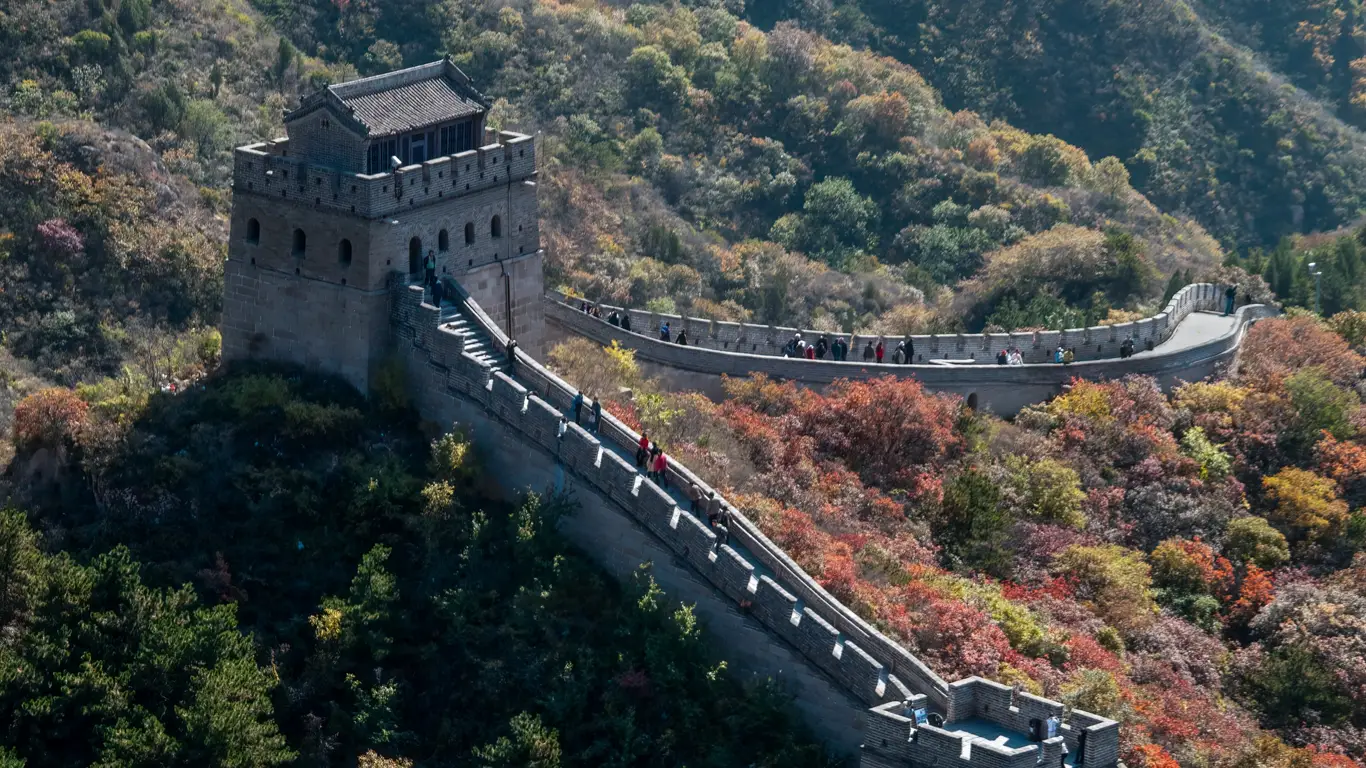
The Great Wall of China is a human achievement that defies superlatives, essential for anyone who wants to grasp the scale and ambition of ancient China. Under snow, the Wall is especially picturesque and deeply atmospheric. Routes vary widely: popular, well‑maintained sections like Badaling and Mutianyu, or quieter stretches where solitude reigns. From the ramparts, travelers take in sweeping views of mountains wrapped in winter white—a scene that lingers long after the trip.
Shanghai is a modern metropolis with a rich cultural core that shines in winter, when the city fills with celebrations and cultural events.
Shanghai is known for large‑scale festivities around both the Western and Lunar New Years. On New Year’s Eve, the city glows with lights, and skyscrapers and the historic Bund blaze with illumination. Crowds gather to watch fireworks over the Huangpu River and a light show reflecting on the water. Nanjing Road, one of the city’s busiest shopping arteries, springs to life with holiday shopping, concerts, and street performances.
In winter, Shanghai offers everything from festive markets to ice rinks at popular spots like Jing’an Park and People’s Square. The cultural calendar stays packed too: theaters and arts venues host opera and drama, plus concerts of traditional and contemporary Chinese music.
Shanghai also excels at the table, and winter makes that especially clear. Restaurants and cafés roll out special New Year menus with symbolic dishes for luck and prosperity—dumplings, fish, sweets. Many restaurants and clubs stage New Year parties with generous spreads and entertainment programs.
Those looking to engage more deeply with Chinese culture will find traditional New Year rituals and parades at temples such as the Jade Buddha Temple, where visitors can join ceremonies and light incense for the year ahead. The city balances spectacle with substance remarkably well.
Hainan is a tropical island in southern China often dubbed the “Hawaii of the East.” In winter it’s especially appealing, with comfortable temperatures, clean beaches, and a wide range of activities.
Temperatures typically hover around +22 to +28°C, perfect for anyone escaping the cold to bask in warmth and sun. The main resort areas are Sanya and Haikou, home to upscale beach hotels, soft‑sand beaches, and sweeping views over the South China Sea.
Beyond sunbathing and swimming, Hainan delivers active pursuits: diving, snorkeling, surfing, and boat trips. Yalong Bay and Dadonghai Bay provide everything for a relaxed seaside holiday, from beach bars and cafés to spa centers. Winter also brings festivals showcasing local cultures and traditions.
For restorative travel, Hainan offers unique hot springs and renowned centers of traditional Chinese medicine, where visitors can book wellness treatments and sample different massage techniques. Island spas use local herbs, natural oils, and minerals—ideal for unwinding and recharging.
New Year celebrations light up Hainan as well. Many hotels and restaurants host holiday dinners with shows that feature traditional Chinese dance, acrobatics, and fireworks. Guests can expect Chinese classics alongside tropical fruit, seafood, and regional specialties that underscore the island’s flavor.
Xi’an ranks among China’s most historic and culturally rich cities, and in winter it reveals a special side—ideal for those seeking more than sightseeing, with a deeper encounter with China’s past and culture.
Once the capital and starting point of the Silk Road, Xi’an is famed for its ancient landmarks. Chief among them is the Terracotta Army, a monumental complex of thousands of unique clay warriors created more than two millennia ago to guard the tomb of Emperor Qin Shi Huang. Winter brings fewer visitors, making it easier to linger over details.
The city’s ancient walls take on a delicate frost that enhances the medieval tableau. Among the best‑preserved fortifications in China, they’re perfect for a stroll or a bike ride along the top, with views over the old city and wintry streets. The Great Mosque of Xi’an, dating to the 8th century, and the Giant Wild Goose Pagoda are further touchstones of the city’s deep history.
For food lovers, Xi’an is a delight—especially in winter. Local cuisine blends Chinese and Muslim influences. Favorites include the hearty “yangrou paomo” (a spiced lamb soup with bread), ideal in cold weather, and an array of street snacks from grilled skewers to dumplings. The Muslim Quarter is perfect for a winter walk, with fragrant spices and sizzling pans lining the way.
Visiting Xi’an in winter offers immersion in ancient history and authentic culture while avoiding heavy crowds—and the season lends the old city a distinct sense of warmth.
Chengdu, in southwest China, is an inviting city that feels especially attractive in winter for travelers seeking unique impressions and a calmer pace away from the most trodden routes. It’s known for cultural sights, a singular cuisine, and of course as the home of the giant panda.
Winter in Chengdu is mild, usually around +5 to +15°C—comfortable for walking and tours. A highlight is the Giant Panda Breeding Research Base, where visitors can watch the animals in a setting close to their natural habitat. In the colder months, pandas tend to be more active. The center also offers insights into conservation and population support.
Chengdu’s teahouses are quintessential in winter: a place to warm up with aromatic Chinese tea and enjoy a tranquil atmosphere. Many also host traditional performances, from shadow theater to face‑changing shows, making for memorable evenings.
Another reason to come is Sichuan cuisine, famous for bold, aromatic flavors. In winter the Sichuan “hot pot” is especially popular: restaurants serve fiery broth with a wide choice of ingredients—perfect for cold days. Street markets add sesame buns, spicy noodles, and tofu dishes that deliver the true taste of Sichuan.
Chengdu is also a gateway to the scenery of Sichuan province. In winter, nearby mountain areas—such as Mount Emei—are capped with snow and look particularly striking. Visitors can explore temple complexes, enjoy the quiet of nature, and, with luck, observe Buddhist ceremonies. The mix of city comforts and nearby mountains makes a persuasive winter pairing.
The tour operator lineup includes classic itineraries to Beijing and Shanghai as well as combined routes that add beach time on Hainan or excursions to neighboring Asian countries. Travelers can book full package tours or standalone services such as hotel stays and excursions.
Programs built around Beijing and Shanghai see the strongest demand thanks to their broad mix of dining, shopping, and sightseeing.
Some travelers add historic Xi’an, which is more than 3,100 years old, or Luoyang—known as one of China’s eight ancient capitals.
A popular option is the 6–7‑night “New Year in Beijing” program, with arrivals on 29 or 30 December and accommodation at the Howard Johnson Paragon Hotel Beijing 4*. It includes an optional New Year’s dinner at the Mango restaurant in Beijing’s Russian district of Yabaolu, where dishes familiar on a Russian holiday table—such as Olivier salad and red caviar—are served, a rarity elsewhere in Asia.
For those after a denser itinerary, there are excursions to the Zhangjiajie mountains (the setting for the film “Avatar”), the Chinese “fjords” of Yangshuo, a visit with pandas in Chengdu, or a trip to the water town of Zhujiajiao.
Options run from classic Beijing stays to the 12‑day “Grand Tour ‘The Long March’” covering Shanghai—Suzhou—Hangzhou—Xi’an—Luoyang/Shaolin—Beijing. Combined tours that include China and Vietnam are also available.
There are even river‑cruise combinations: “Shanghai and Vietnam from Ho Chi Minh City to Ha Long with a stay in Mui Ne” includes Shanghai, Ho Chi Minh City, Mui Ne/Phan Thiet, Hanoi, and a cruise on Ha Long Bay.
Travelers can head to Dalian for wellness, Jiangsu for ancient traditions, Chengdu for nature and pandas, and the Xiaohaituo ski resort in Yanqing. The variety alone shows how the market has widened.
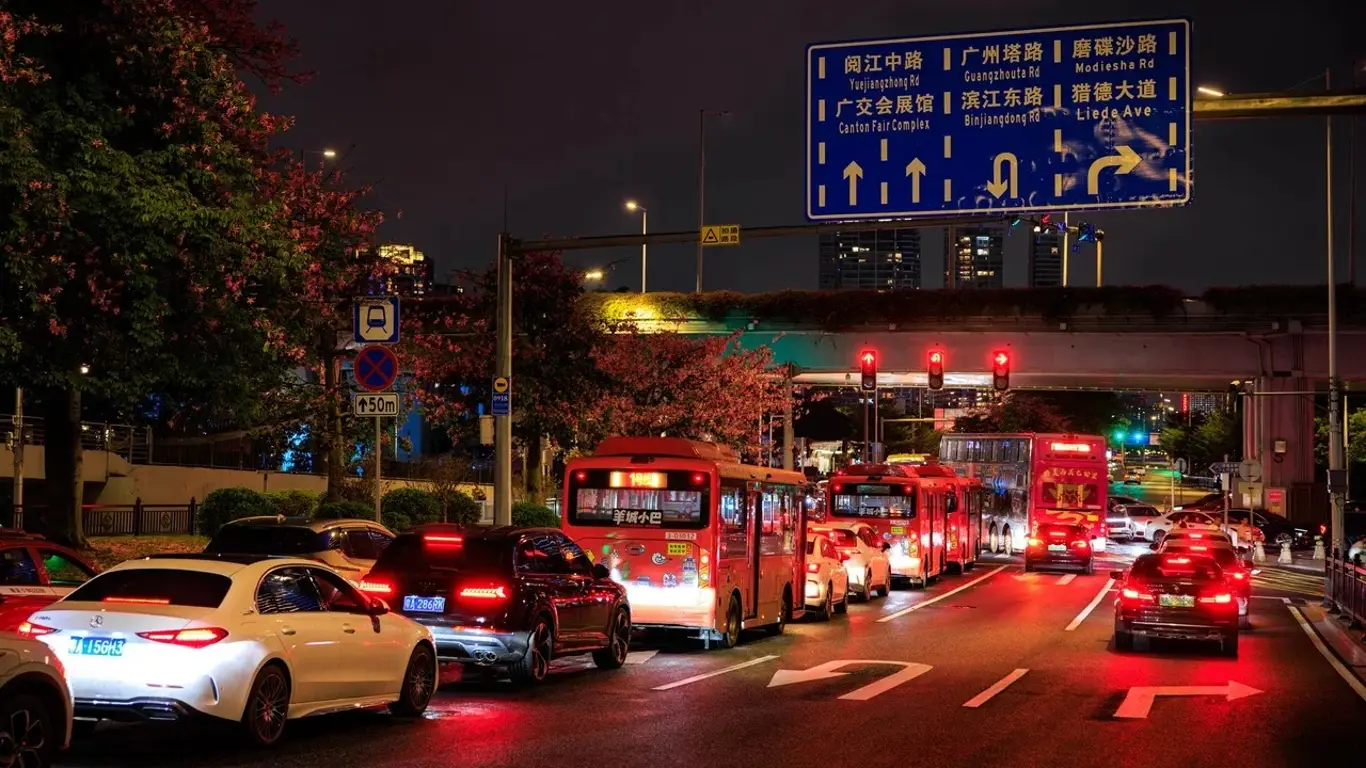
Air links: Direct flights between Russia and China are operating actively. As of October 2024, there are 182 direct flights from 43 Russian cities to 16 Chinese cities. The most popular route is Beijing. Most flights depart from Moscow. Carriers include Aeroflot, Transaero, Hainan Airlines, and Air China. Residents of Siberia and the Russian Far East can use S7 Airlines, Sakhalin Airlines, and Ural Airlines. Twice weekly, Hainan Airlines flies from St. Petersburg to Beijing. Transaero also offers regular flights to Hainan Island.
Rail links: Russian Railways (RZD) is working on restoring passenger services to China suspended in 2020 due to the pandemic. In September 2024, RZD announced plans to resume direct passenger services between Russia and China after a three‑year break.
Land routes: Since 9 April 2022, the land border between Russia and China has been open for Russians exiting and foreigners entering from China. Russia has lifted restrictions, and China’s border is operating. Direct air connections with Russia officially resumed on 14 March 2022. Border checkpoints along the Russia–China frontier are functioning, and Chinese consulates abroad have been issuing all types of visas since 15 March 2023. Residents of Khabarovsk, Blagoveshchensk, and Vladivostok can reach Chinese cities by bus.
Tourists are allowed to enter China. Russian citizens need a visa. Since 15 March 2023, Chinese consulates have resumed issuing all types of visas. Entry is also permitted on valid visas issued before 28 March 2020.
Return tickets may be required. Some regions, such as Hainan Island, offer visa‑free entry for up to 30 days.
Travelers must register at their place of stay within 24 hours of entering China. Hotels usually handle this for guests; otherwise, registration at a local police station is required.
Any region of China can be visited visa‑free as part of a tourist group of 5 to 50 people. You must buy a tour from an accredited agency for a stay of up to 15 days. Participants follow a pre‑approved route and are not allowed to deviate from it.
Hainan Island is a popular beach destination. You can visit visa‑free for up to 30 days if you arrive on a direct flight. A visa is required to travel from Hainan to other regions of China.
Hong Kong and Macau draw visitors with a mix of modern architecture, entertainment, historic buildings, and natural beauty. Visa‑free entry to Hong Kong is possible for up to 14 days, and to Macau for up to one month.
Guangdong Province can be visited from Hong Kong or Macau as part of a group tour for up to 144 hours (6 days). Major cities such as Guangzhou and Shenzhen offer a blend of skyscrapers and parks.
Shanghai is ideal for shopping and nightlife. Visa‑free entry is possible when arriving by cruise ship for stays of no more than 15 days.
Visa‑free transit is also available when arriving at one of 24 international airports in the country. To exit the airport, you need a Temporary Entry Permit, issued on site. Depending on the city, it is valid for 24, 72, or 144 hours. A passport and a ticket to a third country confirming onward travel are required.
Book tickets and prepare documents in advance, keeping in mind potential schedule changes and evolving requirements. Before you go, check current entry rules and any restrictions linked to the epidemiological situation.
Depending on your departure point and destination, choose the most convenient way to travel—plane, train, or bus.
In 2024, travel from Russia to China became more accessible thanks to resumed air service and planned restoration of rail routes. Early preparation makes the journey smoother—and leaves more time for the holiday itself.
Prices for New Year tours to China have risen by an average of 10%–15% year over year. A five‑star hotel with breakfast costs roughly 200–300 US dollars per night for two. If a holiday dinner is included, plan on at least 100–150 US dollars per person. Such dinners are more common at Hainan hotels; on the mainland, not all hotels host New Year events.
A New Year tour to China with flights starts from 290,000 rubles for two for six nights, while accommodation without flights and excursions starts from 100,000 rubles per person.
Sample prices for packages with flights from different tour operators:
“New Year in Beijing” — from 290,000 rubles for two for 6–7 nights, arrivals 29–30 December, Howard Johnson Paragon Hotel Beijing 4* (PAC Group).
Beijing city tour — from 394,000 rubles for two for 6 days, 4* hotel, departure 28 December (FUN&SUN).
Shanghai city tour — from 466,000 rubles for two for 6 days, 4* hotel, departure 28 December (FUN&SUN).
“Beijing — Shanghai” — from 440,000 rubles for two for 6 nights, 4* hotel, departure 28 December (“Russian Express”).
Grand Tour “China” — from 521,000 rubles for two for 10 days, 4* hotel, departure 28 December (China Travel).
Grand Tour “The Long March” — from 513,000 rubles for two for 12 days, 4* hotel, departure 28 December (China Travel).
Shanghai + Vietnam — from 577,000 rubles for two, 4* hotel, departure 26 December (China Travel).
“Beijing — Xi’an — Lhasa (Tibet) — Beijing” — from 862,000 rubles for two for 9 nights, departure 28 December (“Russian Express”).
Sample prices for New Year tours without flights:
Beijing city tour — from 200,000 rubles for two for 5 nights (FUN&SUN).
Shanghai city tour — from 309,000 rubles for two for 5 nights (FUN&SUN).
“Beijing — Shanghai” — from 260,000 rubles for two for 6 nights, 4* hotel (“Russian Express”).
Shanghai + Beijing tour — from 397,000 rubles for two for 8 days (FUN&SUN).
“Beijing — Xi’an — Lhasa (Tibet) — Beijing” — from 670,000 rubles for two for 9 nights (“Russian Express”).
A New Year trip to China is a chance to touch living history and enjoy the atmosphere of major cities, relax on tropical beaches, and see grand natural and historic landmarks. Whether you pick high‑energy Shanghai, Beijing’s winter fairy tale with the Great Wall, or Hainan’s tropics, China stands out for its variety and festive spirit.
New Year in China is not only fireworks and dazzling shows; it is also a gateway to centuries‑old traditions, remarkable flavors of Chinese cuisine, and genuine local hospitality. It’s the kind of winter break that leaves bright memories and a sense of discovery.