
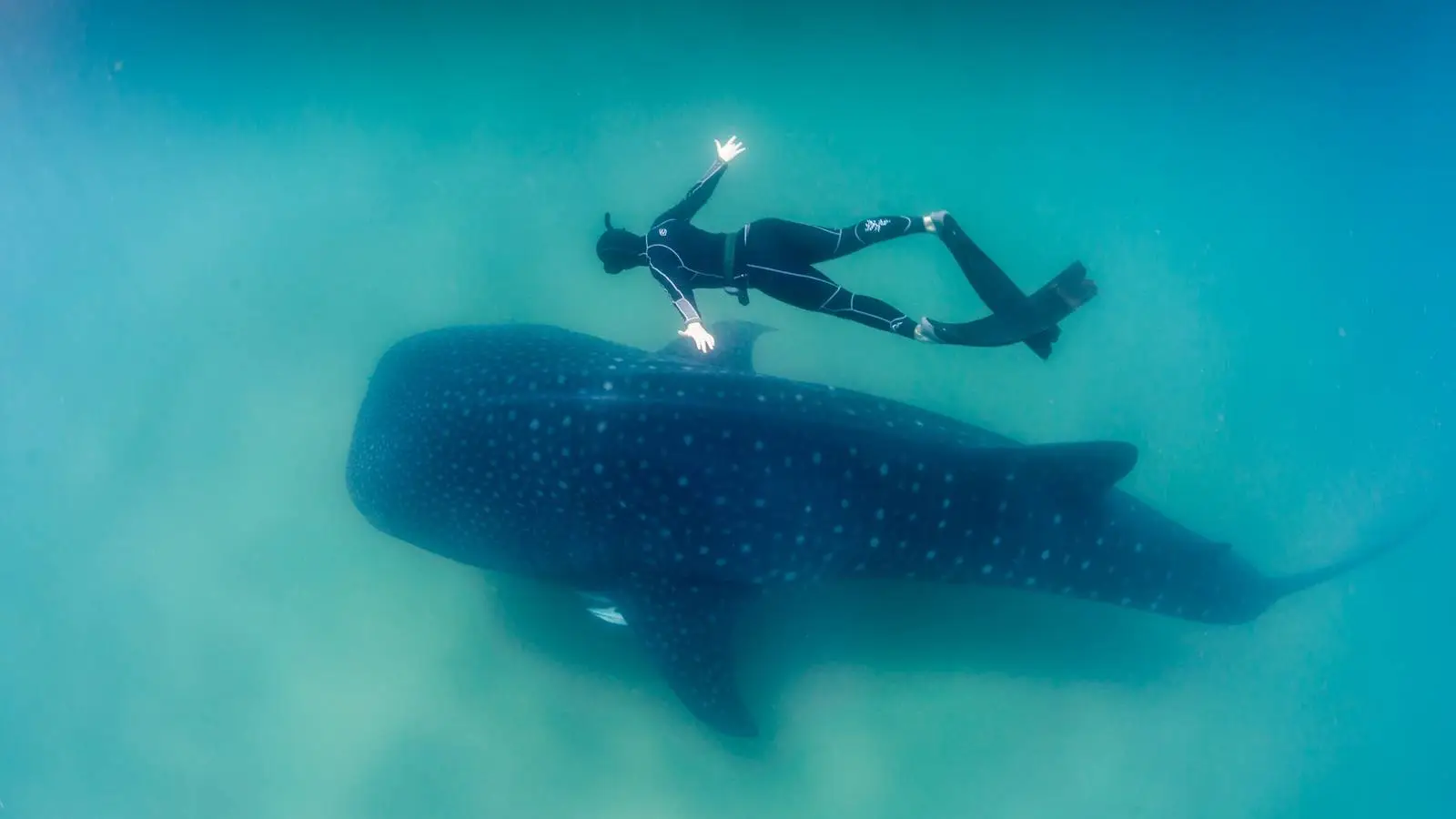
Crave adrenaline in Russia? Heli-ski Elbrus, ice dive Baikal, raft the Katun, kitesurf the Curonian Spit, climb Stolby, ride Kamchatka’s volcanoes, skydive.
Russia is a country of vast distances, layered history and striking landscapes that all but dare you to chase new adventures. For those who crave a jolt of adrenaline and are willing to test themselves in the harshest conditions, the country serves up a wealth of experiences that genuinely get the blood pumping. From plunging into the Arctic-cold depths to wind-tunnel flights and leaps above mountain gorges, there’s no shortage of ways to push your limits. Below are the most gripping pursuits scattered across different regions—proof that a holiday can be just as thrilling as it is restorative.
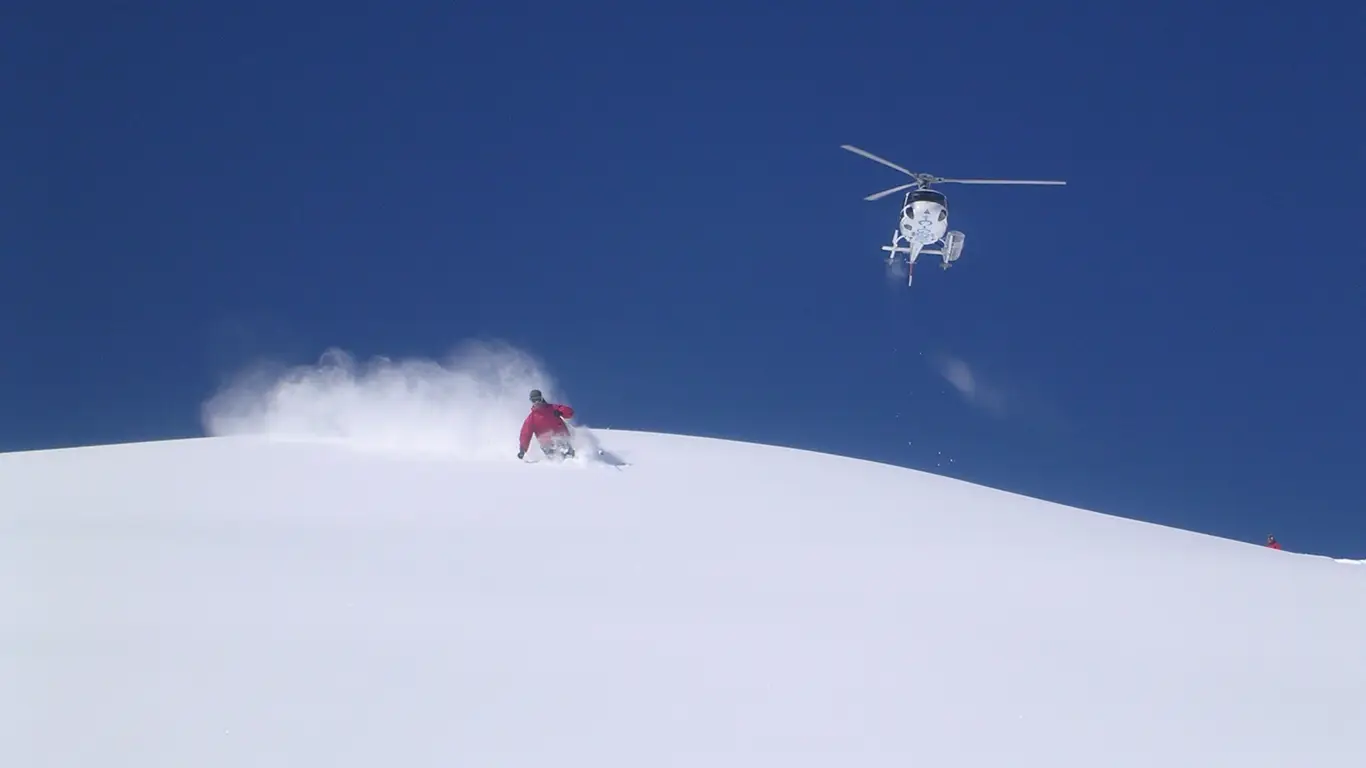
Heli-skiing on Elbrus and in the surrounding Elbrus region ranks among the most extreme, pulse-quickening pursuits for freeride fans. It offers skiers and snowboarders a rare chance to carve untouched slopes that standard lifts never reach. A helicopter drops riders on high alpine summits, where they descend through pristine Caucasus terrain. Few panoramas rival the view from above, and riding steep, often unprepared faces brings a surge of adrenaline that’s hard to replicate.
The risks, however, are substantial. The Elbrus area is known for avalanche-prone slopes, especially after heavy snowfall. Unmarked terrain raises the odds of encountering slides that can be deadly. Mountain weather also turns on a dime: sudden whiteouts, dense fog or strong winds can complicate a descent and even disorient riders. With wild, unmarked routes, solid technique and experience are essential; errors on these lines can mean falls or collisions with rock bands or trees.
Even so, the draw is undeniable. Heli-skiing here continues to attract hundreds of thrill-seekers from around the world, willing to shoulder the risk for the rush of freedom across unique alpine landscapes.
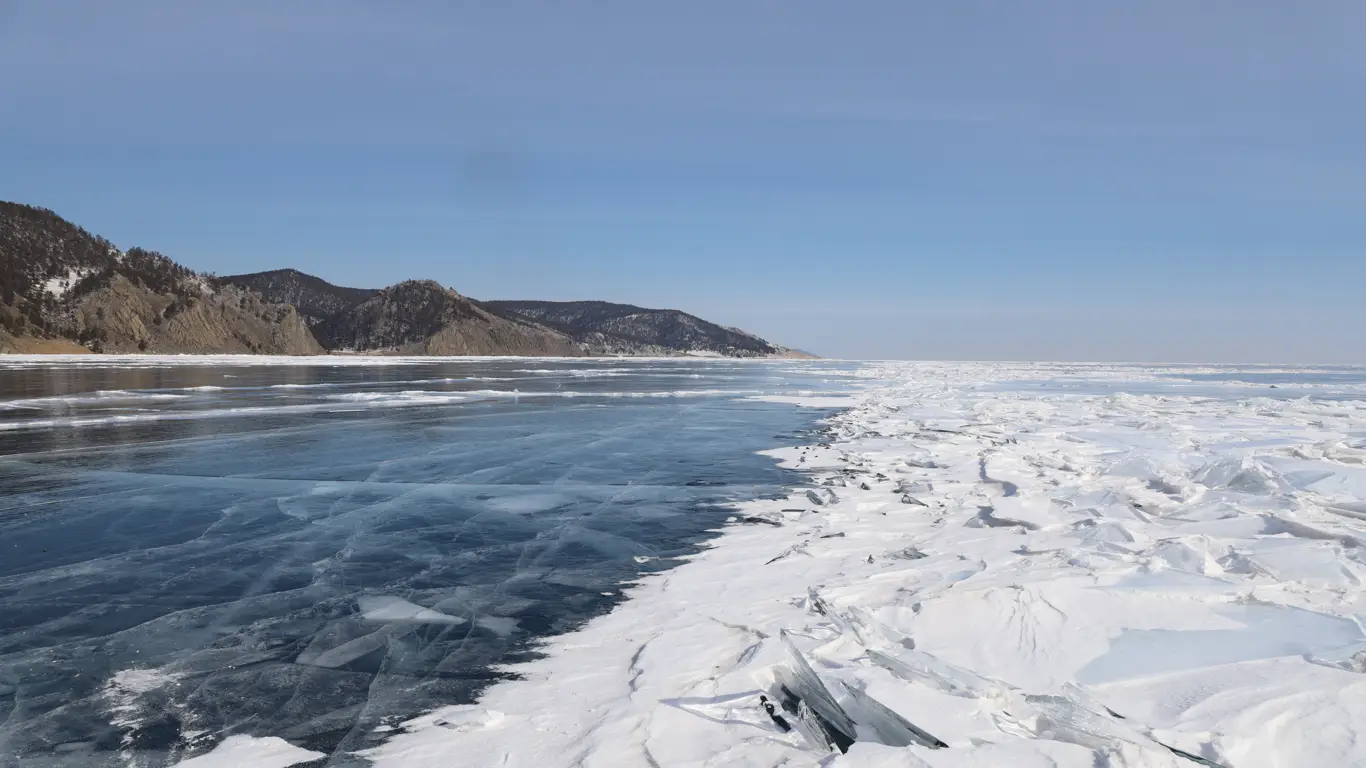
Ice diving on Lake Baikal is one of Russia’s most captivating—and unforgiving—water adventures. The world’s deepest and oldest freshwater lake lures divers not only with its crystal clarity but with the chance to explore a frozen underworld.
In winter, Baikal seals beneath a thick lid of ice, in places up to two meters. Ice diving lets you slip beneath that glassy roof to discover otherworldly scenery: arching ice formations, surreal frozen air bubbles, and transparent ceilings where sunlight fractures into luminous patterns. Encounters with the rare Baikal seal are possible, and the near-total silence underwater amplifies the sense of awe.
The dangers are real and demand rigorous preparation. Even with drysuits, water temperatures hover near freezing; short exposures can chill the body fast. Access to the surface is limited to a cut hole in the ice, which makes route planning non-negotiable. Fractures and unpredictable ice structures add another layer of risk—becoming trapped beneath the sheet is a life-threatening scenario. Beyond the physical challenge, the tight, dark space can test nerves; panic under the ice is the last thing a diver needs.
For those ready to face it, Baikal’s winter realm is unforgettable—less a pastime than a trial of body and mindset that rewards discipline with scenes few ever witness.
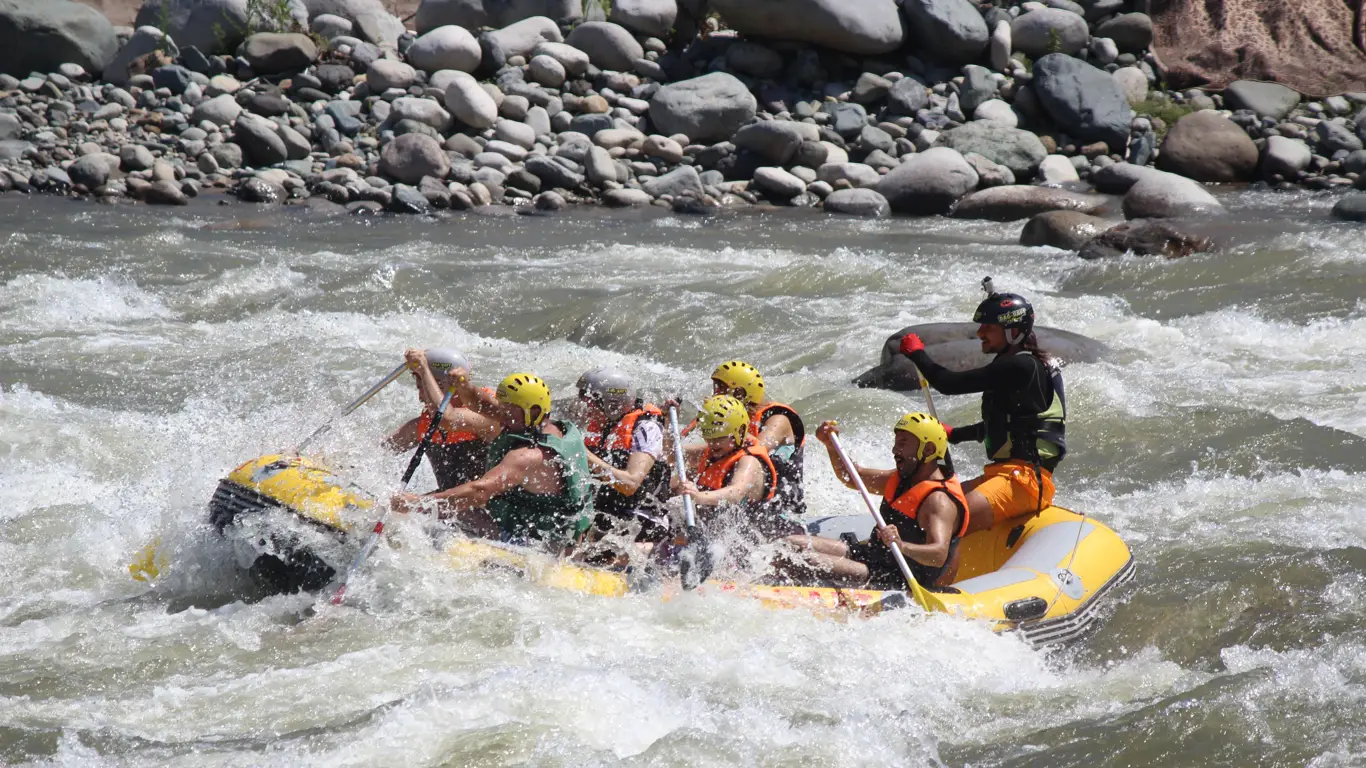
Rafting the Katun—winding through the majestic Altai Mountains—has become one of Russia’s most popular whitewater challenges. The river delivers everything from moderate runs to sections that seriously test skill and teamwork. In the spring and summer snowmelt transforms the Katun into a fast, powerful flow, and rapids reach Class IV and V on the six-point scale—an adrenaline-rich proposition by any measure.
That energy comes with hazards. The river’s big features and whirlpools demand sharp focus and boat control; mistakes can flip a raft and throw paddlers into the current. Even in summer the water is cold enough to sap heat quickly, especially when levels peak in spring. Boulders lurk above and below the surface, turning high-speed hits into real injury risks. And on the fiercest stretches, falling overboard is a common threat—without helmets and PFDs, self-rescue can become daunting in a hurry.
Still, for those who relish wild places and hard-earned triumphs, the Katun is a natural arena. Powerful rapids, crisp mountain air, and the need for tight teamwork make success on this river feel particularly deserved.
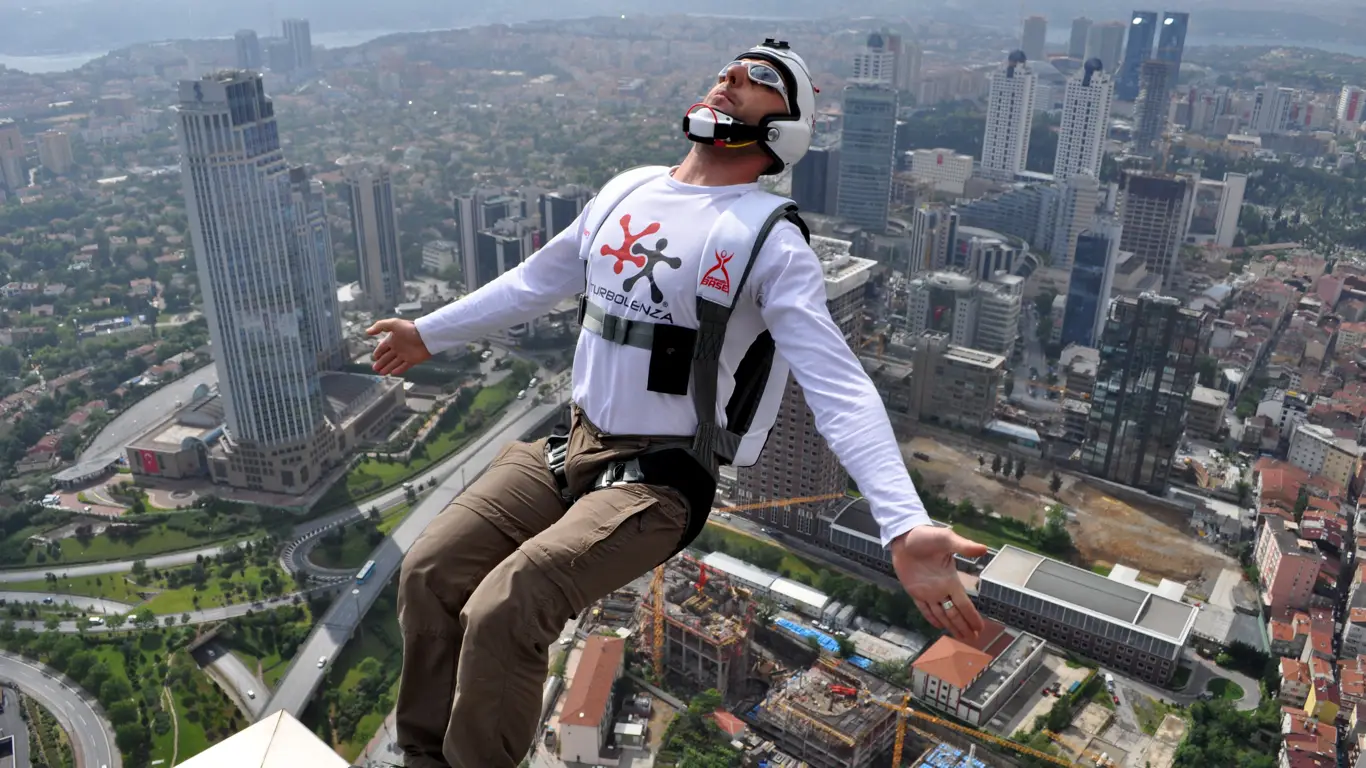
BASE jumping from Moscow’s Ostankino Tower—soaring to 540 meters and among the tallest structures on the planet—is the definition of an elite challenge, reserved for seasoned, daring jumpers. A leap from this height in the heart of a metropolis pushes both physical and mental limits, demanding impeccable technique.
Unlike classic skydiving, BASE jumps use fixed objects—buildings, antennas, bridges, cliffs—and a parachute that opens low, compressing decision time and magnifying risk. Even with Ostankino’s stature, the window for deployment remains tight; a timing error can be catastrophic. Equipment must be perfectly tuned; a malfunction or imperfect opening leaves precious little room to recover. Winds at altitude tend to be fickle, and a sudden shift can knock a jumper off line, with obvious consequences among tall structures.
There’s no mistaking the appeal: a rare, raw surge of adrenaline and a singular view of the city. But the margin for error is razor thin—this is a pursuit for experts with the preparation to match.
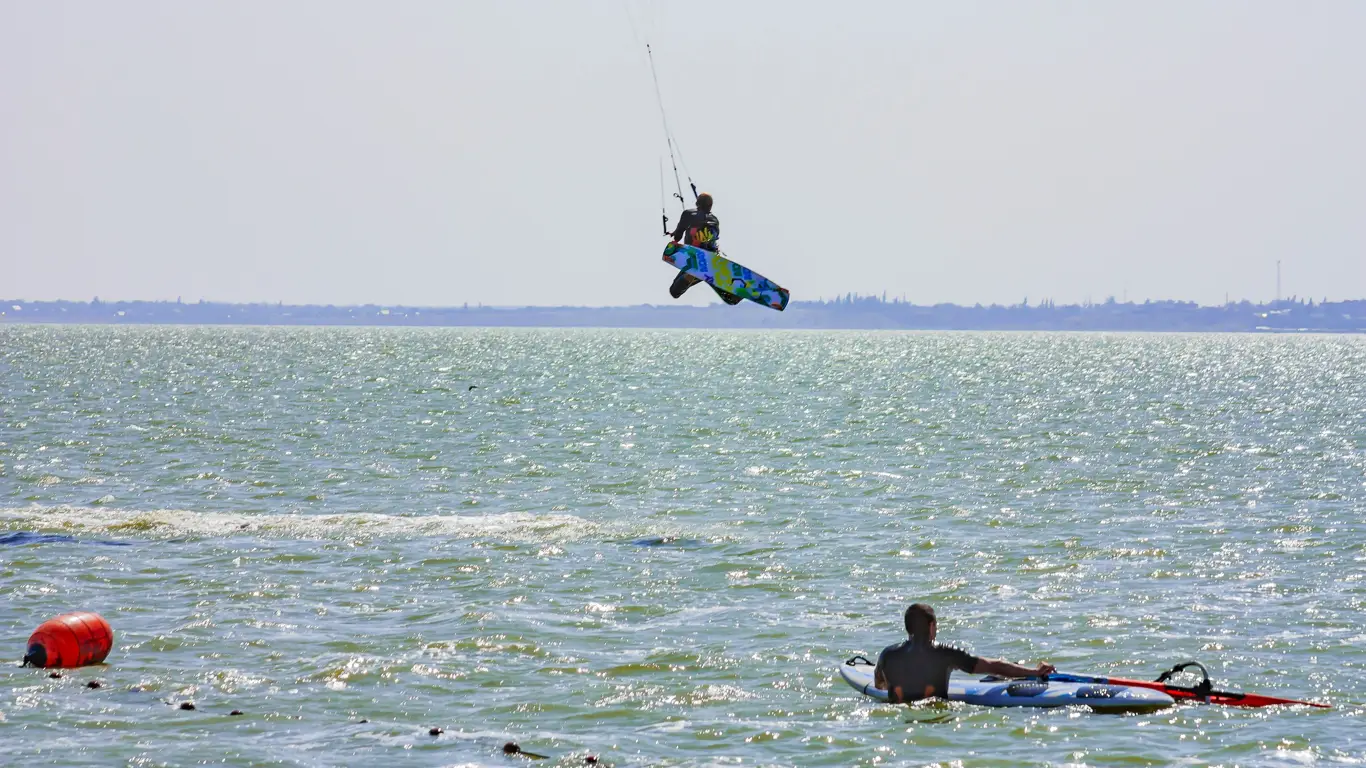
Kitesurfing on the Curonian Spit—a slender ribbon between the Curonian Lagoon and the Baltic Sea—blends surfing, sailing and flight into a single, wind-driven rush. Strong breezes, broad sandy beaches and striking scenery make it an ideal playground. It’s a favorite with experienced riders, yet the lagoon’s relatively calm waters also help newcomers get their bearings.
On the water, riders steer a control bar tethered to a kite, harnessing the wind to slice across the surface and launch jumps and tricks. That same wind can be an ally or a hazard: sharp gusts may yank a rider off balance, slam them into the water or fling them ashore, and misjudging direction or strength can carry someone uncomfortably far from the beach. The Baltic can deliver punchy waves and strong currents, and with tricks come impacts and a risk of tangling in lines. In fog or fast-changing weather, it’s easy to lose orientation, and even in summer the water stays cold enough to chill unprotected riders.
Handled with respect for the wind, gear and conditions, the Spit offers the intoxicating feeling of gliding above the chop—freedom with a safety margin that depends on your preparation.
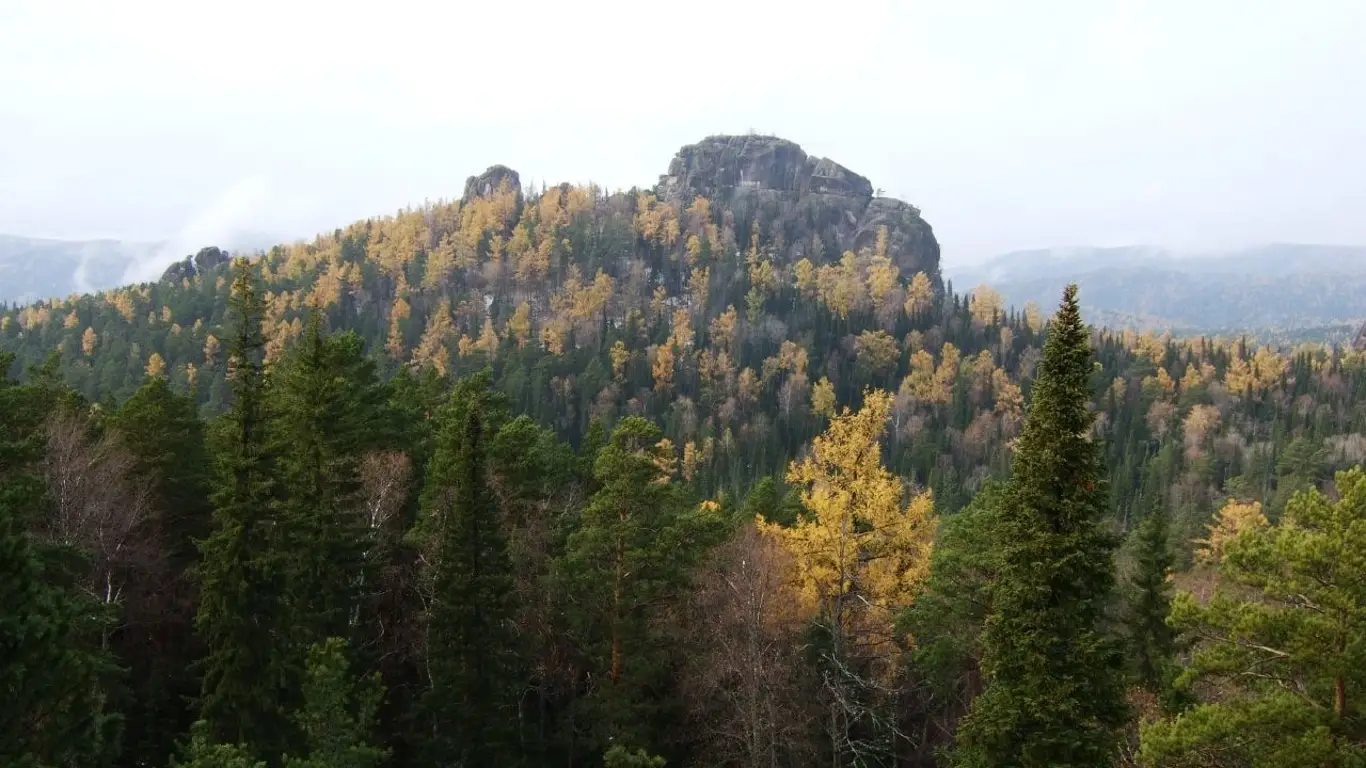
Rock climbing at Stolby in Krasnoyarsk Krai is both a sport and a local tradition. This famed reserve’s granite towers rise to 100 meters from the Siberian taiga and draw everyone from seasoned climbers to casual visitors. Over time, a distinct culture—known as “stolbizm”—has taken root, with its own styles and ethos.
The range of formations and grades means beginners can find approachable lines while veterans hunt out technical routes. Part of the lore here involves climbs with minimal equipment or even without a rope—efforts that demand exceptional strength, balance and nerve. Icons such as the First and Second Stolby, Lion’s Gate and Grandfather have become touchstones for enthusiasts.
The flip side is risk. Many traditional lines are tackled without protection, and a single misstep can lead to a serious fall. Rain or snow turns holds slick and treacherous, and occasional loose rock complicates both the ascent and descent. Winter and shoulder seasons add ice and snow to the equation. Soloing is common in the “stolbizm” tradition, but going alone means that if something goes wrong, help might not be nearby.
With its blend of beauty, challenge and culture, Stolby is easy to love. It rewards careful preparation and respect for safety as much as pure ambition.
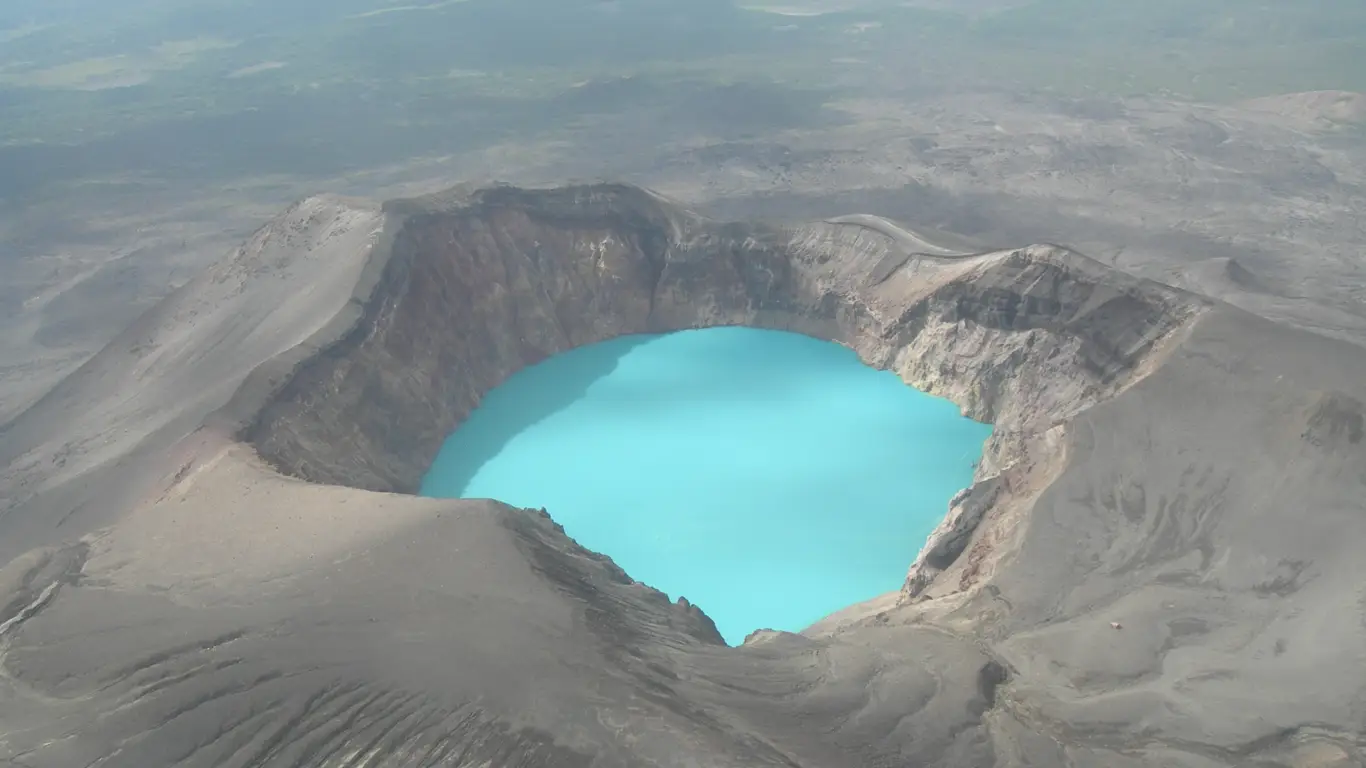
Kamchatka’s active and dormant volcanoes set the stage for some of Russia’s most distinctive freeride terrain: wild, unprepared slopes framed by raw nature and sweeping views of the Pacific. Snowboarders find a singular atmosphere here—deep snow on volcanic flanks and long, flowing descents.
Popular lines include Vilyuchinsky volcano, as well as routes on Klyuchevskaya Sopka, Avachinsky and Mutnovsky. Reaching summits by helicopter or snowmobile adds another notch to the adventure.
But conditions can turn hostile. Heavy snow brings avalanche danger, and slides can release suddenly, especially after a storm. Weather shifts in minutes—from clear skies to blizzard, strong wind or fog—undercutting visibility and navigation. Some volcanoes are active, pocked with hot geothermal zones, gas emissions and surface fissures. Choose the wrong line or let your guard down and those hazards get very real. The terrain itself is complex: steep pitches, rocky bands and cliffs, and unlike resort skiing, there are no marked trails—tough going for novices or anyone without solid freeride experience.
When it all comes together, Kamchatka delivers that rare mix of solitude, scale and speed. It demands skill and discipline, and pays back in untracked lines you won’t soon forget.
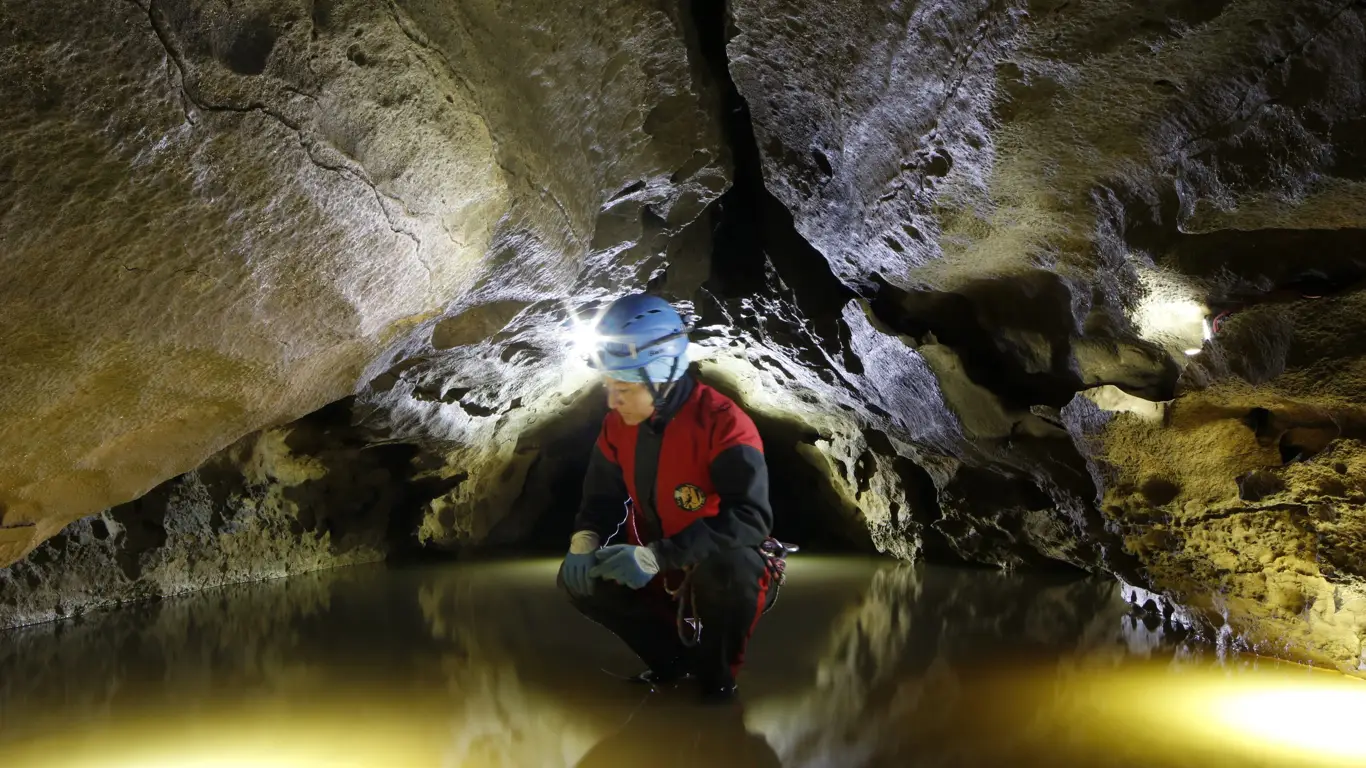
Ordinskaya Cave in Perm Krai is a standout for cave divers and dry cavers alike. Near the Kungur River, it’s the longest underwater gypsum cave in Russia and among the largest of its kind globally, with labyrinthine passages filled with remarkably clear water.
For many, the appeal lies in slipping beneath the surface to explore hidden corridors and spectral chambers. Gypsum walls sculpt otherworldly shapes; under water, fantastical stalactite and stalagmite forms heighten the sense of entering an alien landscape.
Narrow passages and tight squeezes demand precision and calm, and getting stuck with bulky gear is a real risk. Gas planning is critical: in an overhead environment there’s no direct access to the surface, and miscalculations or equipment issues can turn critical if air runs low. Even in clear water, finning can stir up silt and crash visibility to zero, making disorientation a threat. Claustrophobic spaces, cold water and darkness can trigger panic in the unprepared.
Treated with the seriousness it deserves—training, reliable equipment, strict procedures—Ordinskaya rewards divers with a rare window into a hidden world. The rule here is simple: beauty reveals itself to those who put safety first.
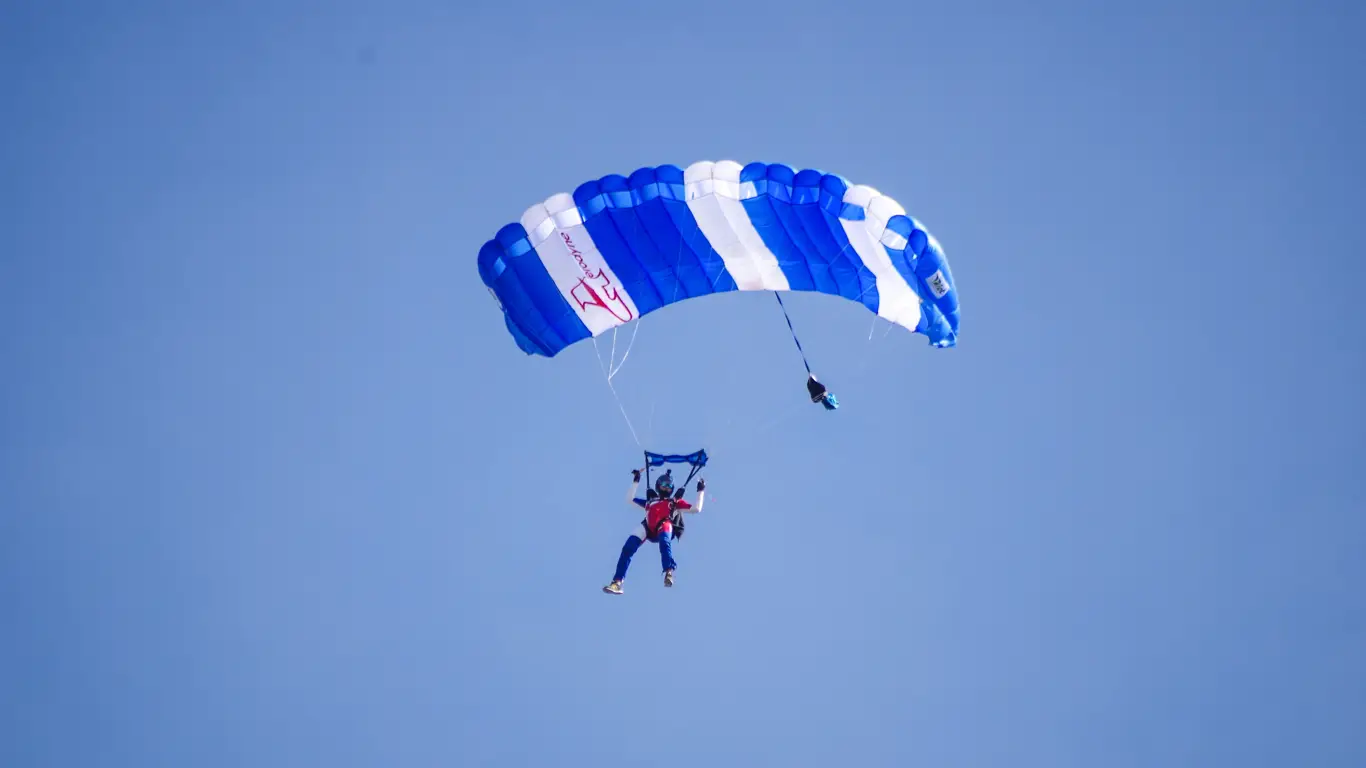
Krutitsy Airfield in the Moscow Region is a go-to for anyone keen to feel true freefall and the sweep of flight under a canopy. New jumpers can take the leap in tandem with an instructor, while experienced skydivers hone techniques across disciplines.
The airfield offers both solo and tandem jumps, with thorough briefings and coaching for first-timers. Exits from several thousand meters up open wide views over the countryside and an experience that tends to stick with you.
As with any skydive, risks must be managed. A main-parachute malfunction calls for a quick, correct reserve deployment; mistakes can mean loss of control. Rigging needs careful maintenance, and improper packing or equipment faults can cause incidents. Weather is another variable—strong winds, rain or poor visibility complicate jumps. Landings require solid technique to avoid injury. For beginners especially, keeping emotions in check is part of the challenge, and in group jumps, mid-air collisions are a known hazard.
Handled with discipline and respect for procedures, a jump at Krutitsy delivers a powerful hit of adrenaline and the heady sense of freedom that only the sky can offer.
