
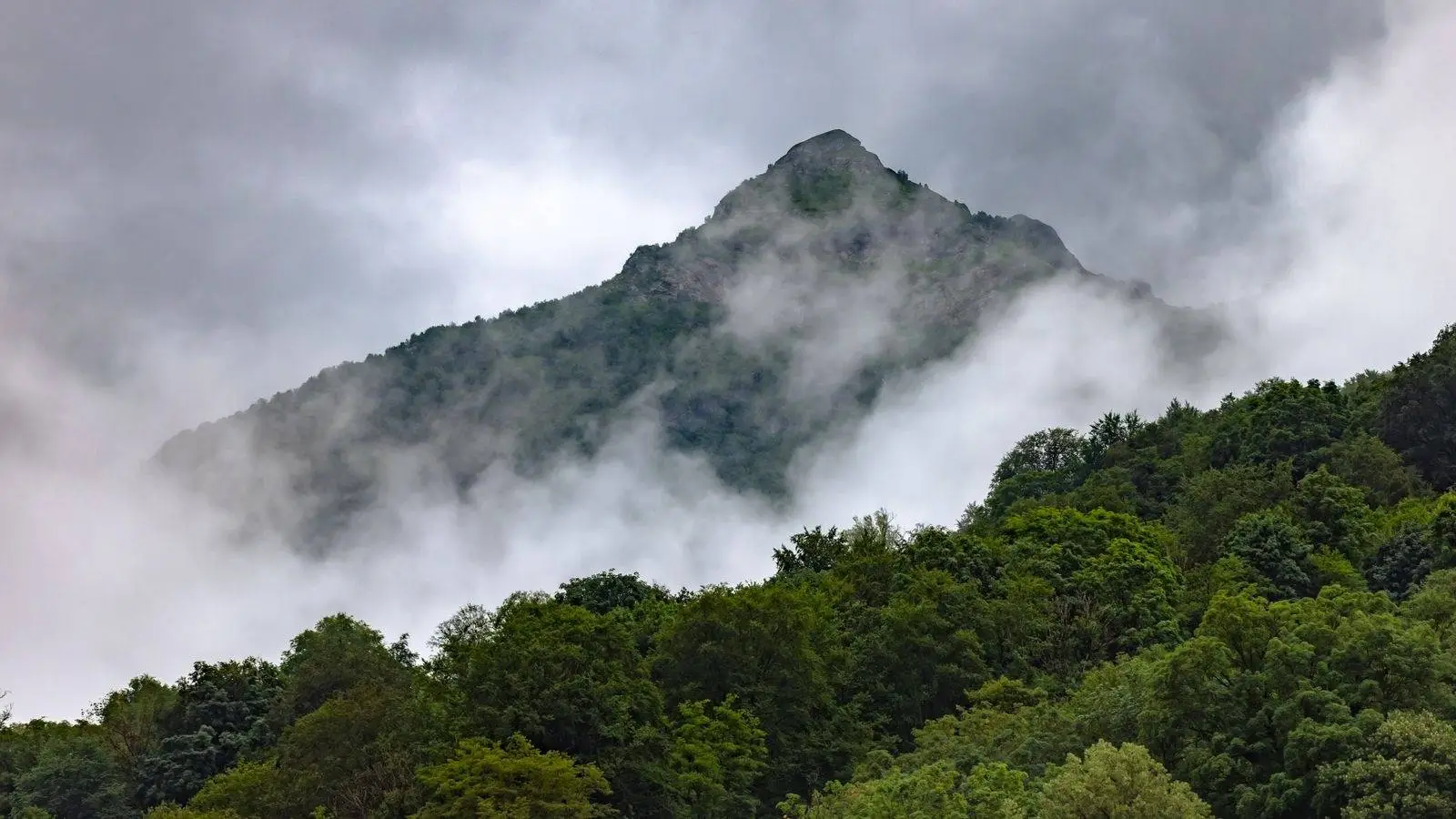
Discover the world’s most dangerous trails, from Huashan and Everest to Bolivia’s Death Road and the Annapurna Circuit. Risks and tips for bold hikers.
Travel has always lured thrill seekers, especially when the route promises something out of the ordinary. While most visitors opt for leisurely, low-risk walks, there’s a determined minority chasing genuine danger—ready to test their limits against raw nature. From vertigo-inducing paths clinging to cliffs thousands of meters high to crossings through dense jungle and snowbound passes, the world still has places where a misstep can be fatal. These routes demand not just fitness, but calm calculation, courage, and the ability to handle the unpredictable. Here are some of the most dangerous trails on the planet—routes that unsettle the senses and draw only the boldest travelers.
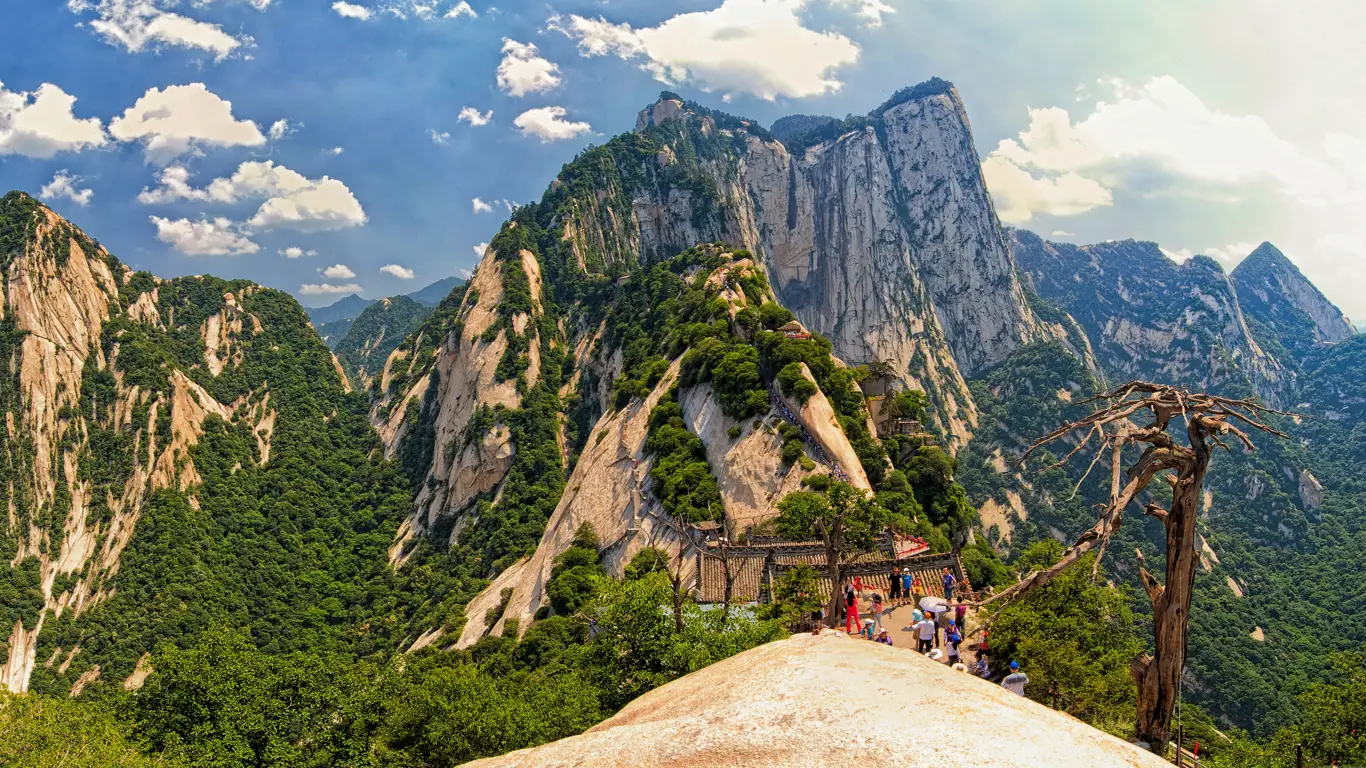
On sacred Mount Huashan, the route to the South Peak—rising above 2,000 meters—has earned its reputation the hard way. The path narrows to wooden planks bolted into sheer rock, sometimes only a few dozen centimeters wide. Travelers shuffle along these boards while gripping chains anchored into the cliff; in places, the boards give way to metal rungs that require climbing. With a void yawning underfoot and no guardrails, exposure is constant and unforgiving.
Weather compounds the risk. Rain slicks the planks, and strong gusts can unbalance even steady feet. Safety harnesses are issued, but the trail still demands stamina, vigilance, and iron nerves. For those who brave it, the experience is unforgettable—part awe, part adrenaline.
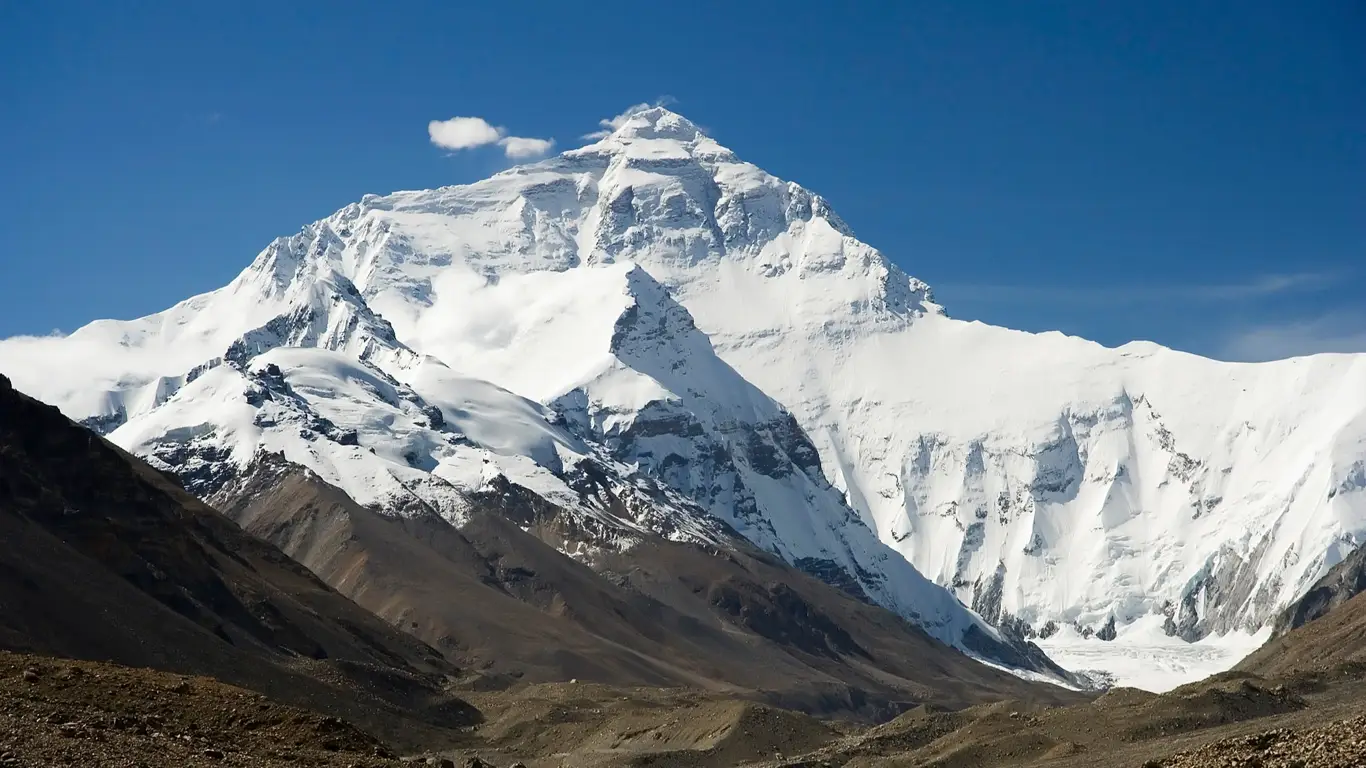
Climbing the world’s highest peak (8,848 meters) remains one of the most perilous undertakings in adventure travel. The hazards are stark: thin air at altitude, brutal winds, and temperatures that can plunge to -60°C, with avalanches ever a threat. Above 8,000 meters, climbers enter the notorious death zone, where oxygen levels are so low the body starts to fail.
Mountaineers rely on oxygen bottles and specialized gear to ward off frostbite and altitude sickness, all while navigating crevasses, fragile cornices, and unforgiving terrain. Exhaustion is commonplace and rescue operations are extremely difficult that high. Even with exhaustive preparation, Everest claims lives every year.
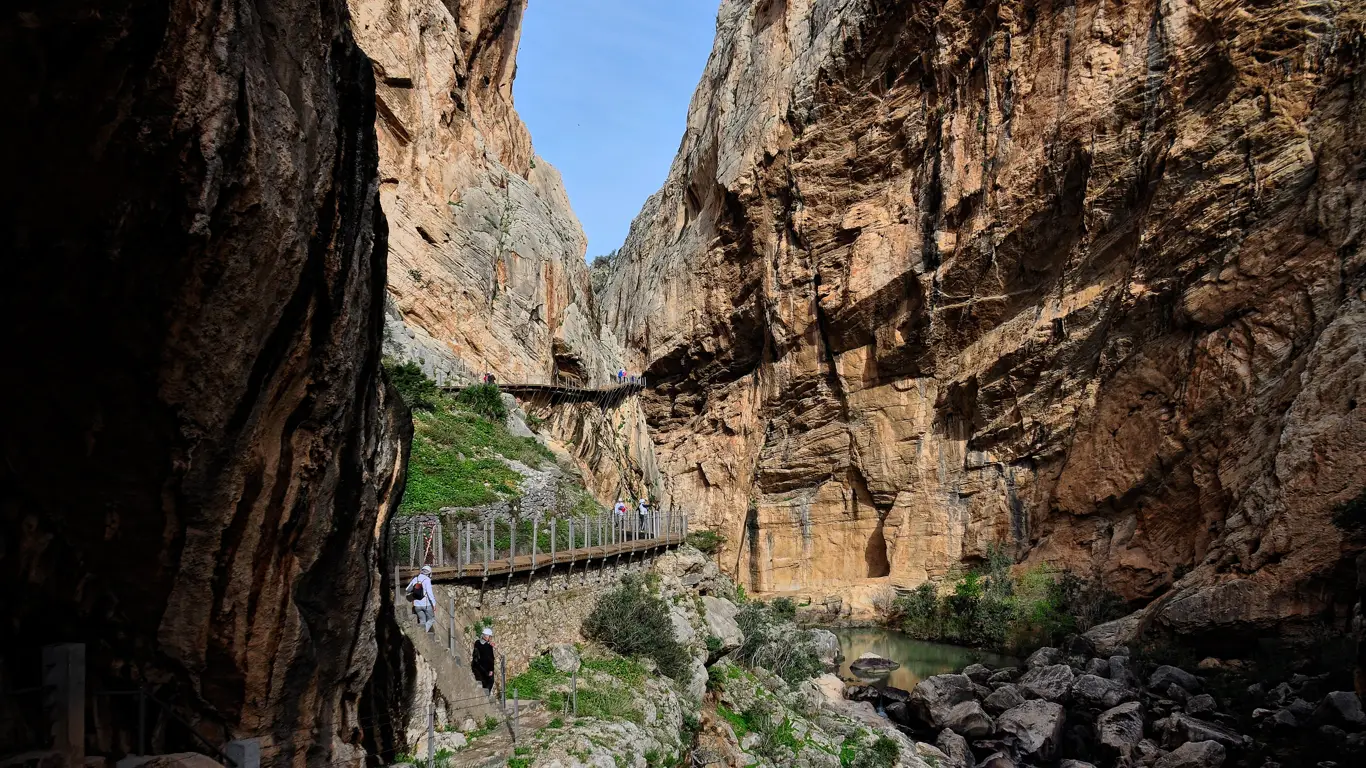
In Málaga province, this narrow walkway threads along vertical cliffs roughly 100 meters above the river below. Stretching about 3 kilometers, it tightens to barely a meter wide in places. Built in the early 20th century for workers servicing hydroelectric plants, the path later fell into disrepair.
Rotting boards and missing railings turned stretches into exposed, crumbling ledges. The route still drew daredevils and, after numerous accidents, became widely known as the world’s most dangerous path. A major restoration in 2015 added metal platforms and guardrails, improving safety. Even so, the height and narrow traverses keep the experience intense—safer on paper, but still not for the faint of heart.
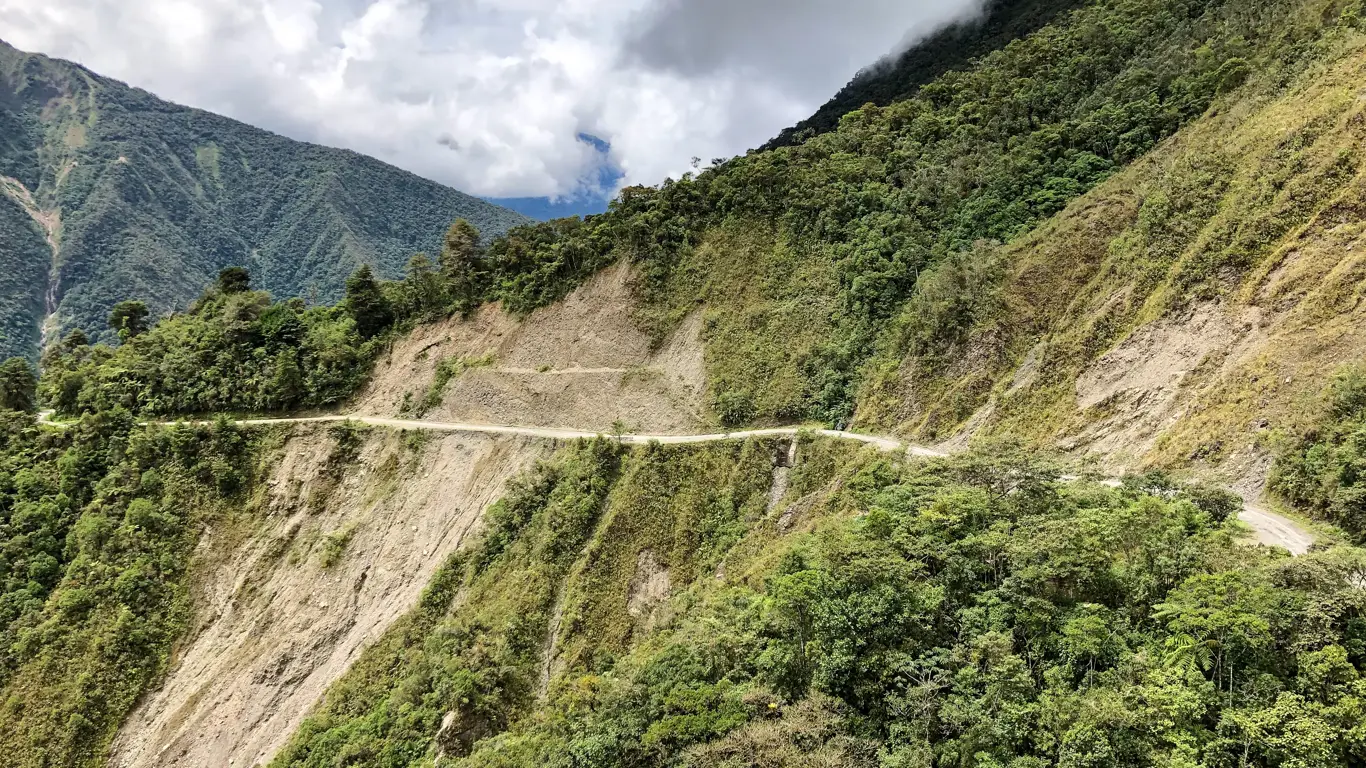
This notorious mountain road runs for about 80 kilometers, linking La Paz with Bolivia’s tropical lowlands. It snakes from roughly 4,650 meters down to around 1,200 meters, clinging to cliffs along a roadway only about 3.2 meters wide—and without guardrails. Below, the drop can plunge hundreds of meters.
Frequent rain and fog make surfaces slick and visibility poor. Landslides and falling rocks are routine. Before a new route opened in 2006, hundreds of people died here annually, cementing its fearsome nickname. Despite the danger, it remains a magnet for extreme cyclists chasing the thrill of a high-speed descent on perilous mountain switchbacks.
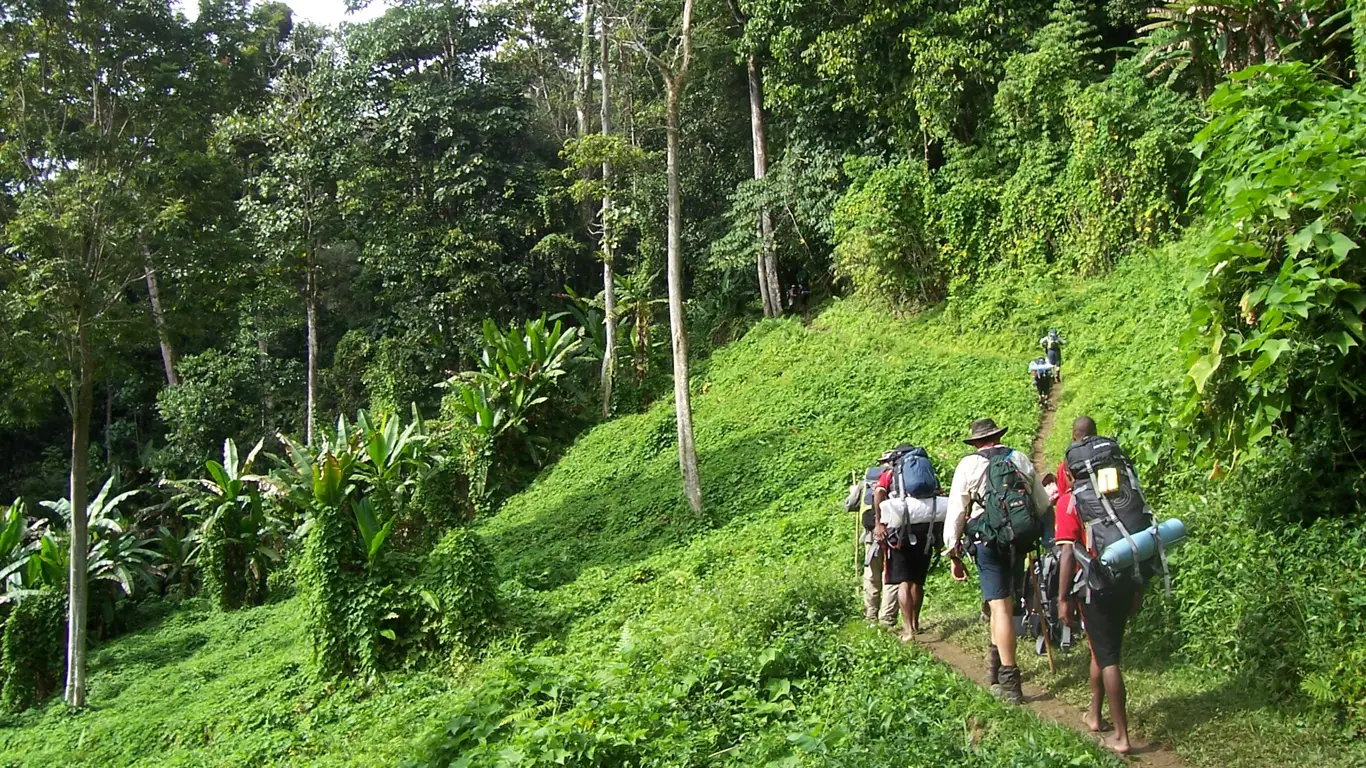
Spanning roughly 96 kilometers, this demanding trail cuts through dense jungle, mountain passes, and tropical forest, linking Port Moresby with the small village of Kokoda. The conditions are punishing: high temperatures, relentless humidity, and heavy rain turn the route into a grueling slog.
Trekkers face steep climbs, deep mud, washed-out sections, and the risk of malaria. Rockfalls and landslides add to the hazards. The track also bears the scars of World War II battles, and many walk it in remembrance. Completing it requires excellent fitness, a steady head, and the ability to adapt when nature changes the plan without warning.
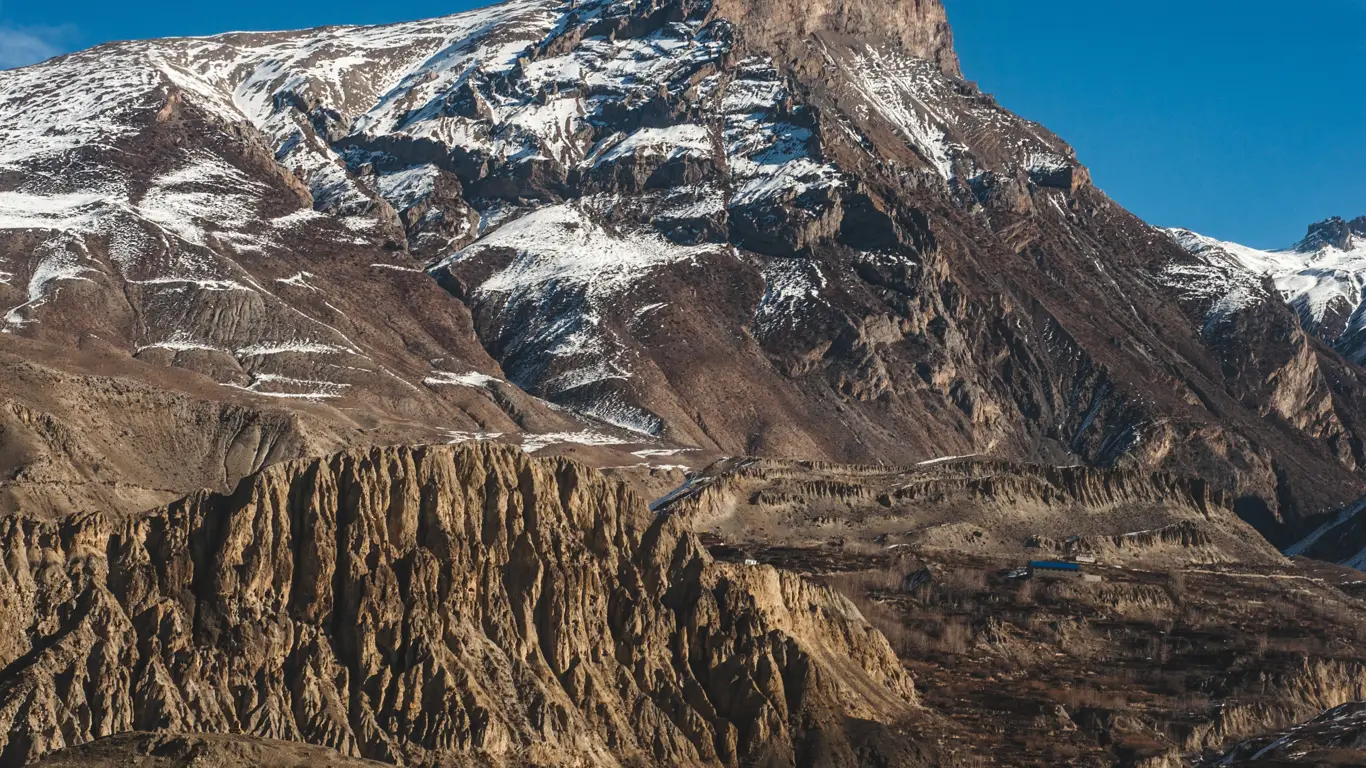
One of the toughest and most hazardous treks worldwide, this loop spans about 160–230 kilometers, crossing multiple climate zones and topping out above 5,400 meters at Thorung La Pass. Altitude sickness, sudden weather shifts, and avalanche risk are the main threats.
At higher elevations, oxygen thins enough to trigger serious health issues. Blizzards can strike without warning, and fierce winds add to the danger. The scenery of the Himalayas and its mountain villages is extraordinary, but the route demands deep reserves of endurance and careful planning. Tragically, travelers die on this trek each year, often due to inadequate acclimatization or severe weather—especially on Thorung La.
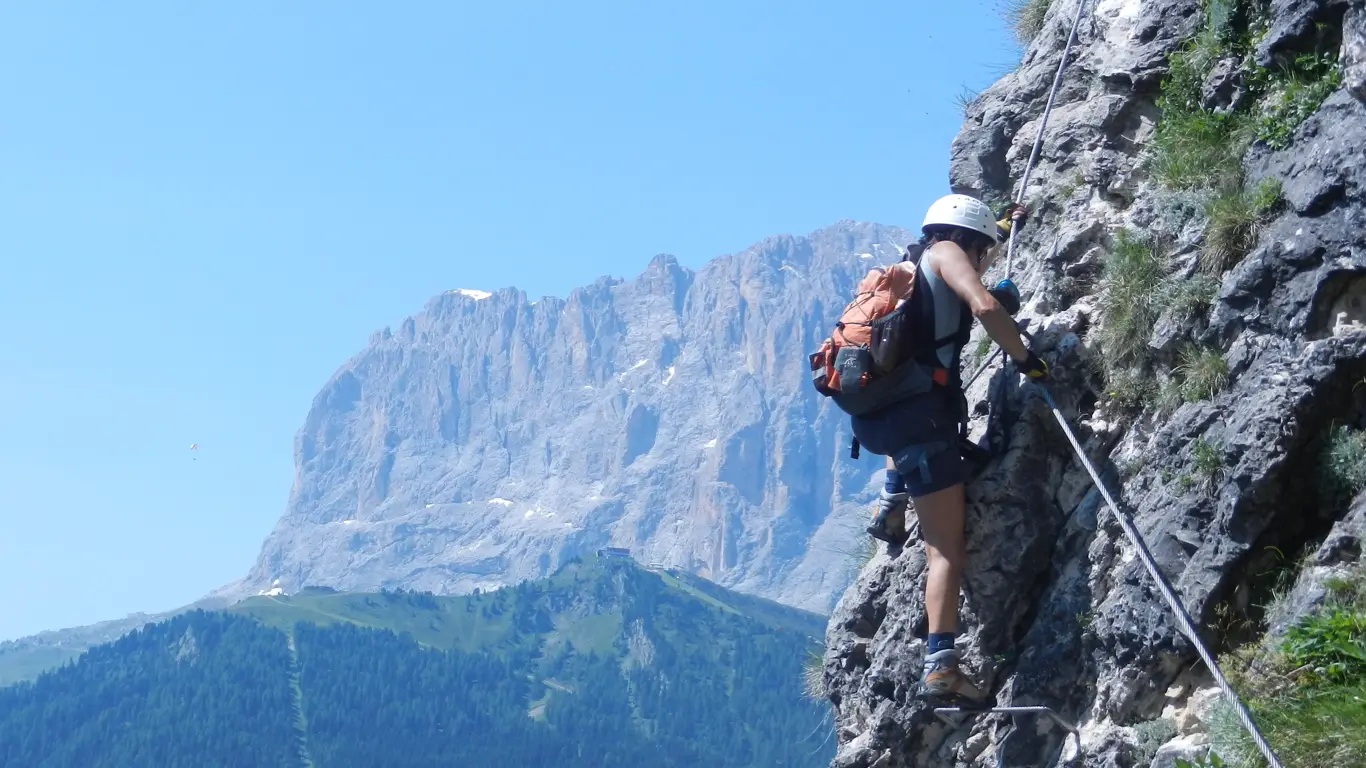
In the Dolomites, a network of via ferrata—fixed iron ladders and cables built directly into rock—transforms sheer walls into exposed “iron paths.” First created during World War I amid brutal high-altitude fighting between Italian and Austrian forces, these lines today are serious routes for experienced adventurers.
Among the boldest is the Giro del Sorapiss, which links three separate via ferrata while gaining significant height along vertical faces. It calls for strong fitness, basic climbing skills, and comfort with alpine equipment. Expect steep ascents, narrow ledges, and sections where the drop below runs for hundreds of meters.
The payoff is immense: sweeping views of jagged peaks and deep Dolomite valleys. But here, precision matters—one lapse can have grave consequences. Keeping safety front and center is non-negotiable.
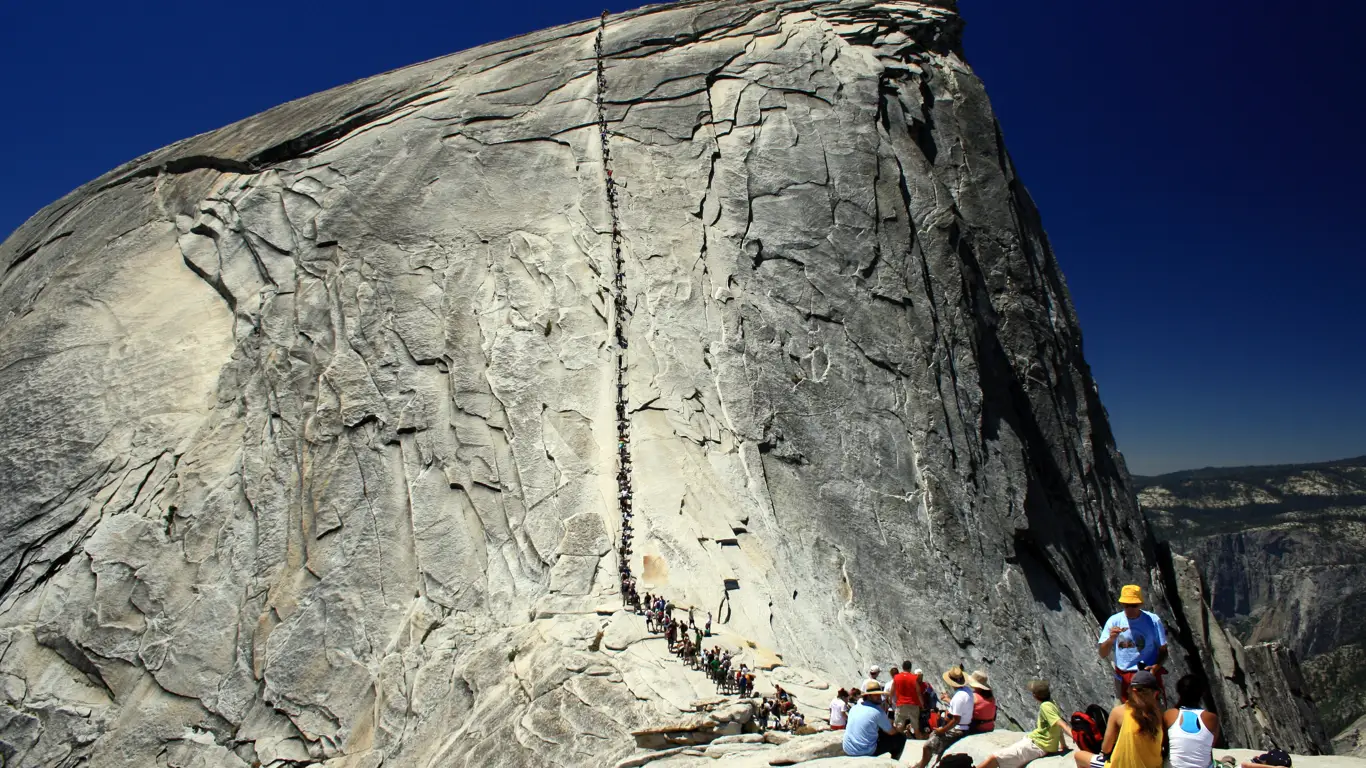
Half Dome is both iconic and unforgiving. Topping out at 2,694 meters, the climb culminates on a smooth granite cap where hikers use fixed cables to ascend the final stretch. That last 120 meters rises along a near-vertical slab, with metal lines to grip as you inch up slick rock.
When rain or wind sets in, the granite becomes treacherously slippery, and the exposure feels absolute. The route demands serious physical effort and steady focus, particularly on the open, unprotected sections. Accidents occur every year, some of them fatal. Even so, the panorama over Yosemite Valley from the top is a powerful draw.
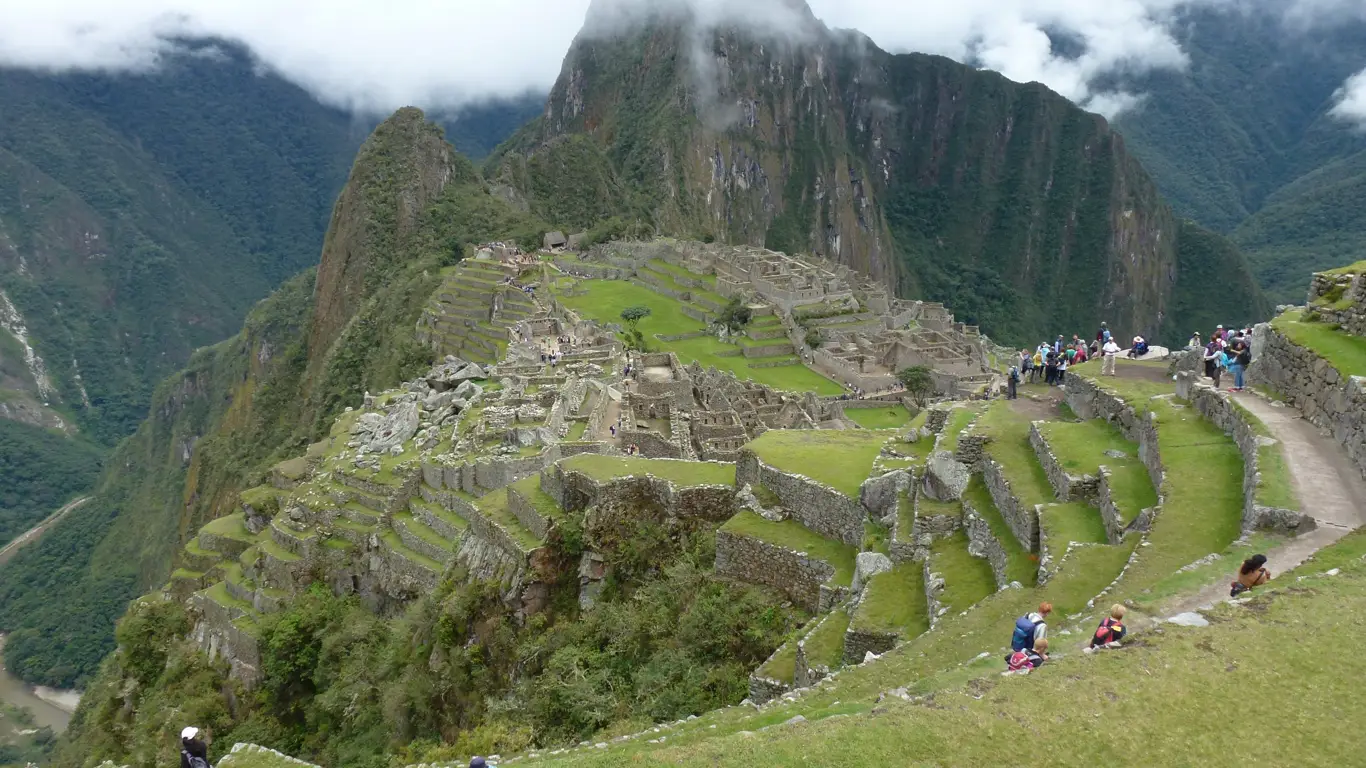
Anyone who has seen the classic shots of Machu Picchu has likely noticed Huayna Picchu—the steep peak rising behind the Inca citadel, a fixture of postcards and social feeds.
Reaching the summit means confronting a section widely referred to as the Stairs of Death: 500-year-old steps skirting sheer drops into the valley below.
Some stair runs can unsettle even seasoned hikers. Many arrive underprepared; without sturdy boots and support from a local guide, managing the exposure and the footing can be a rude awakening.