
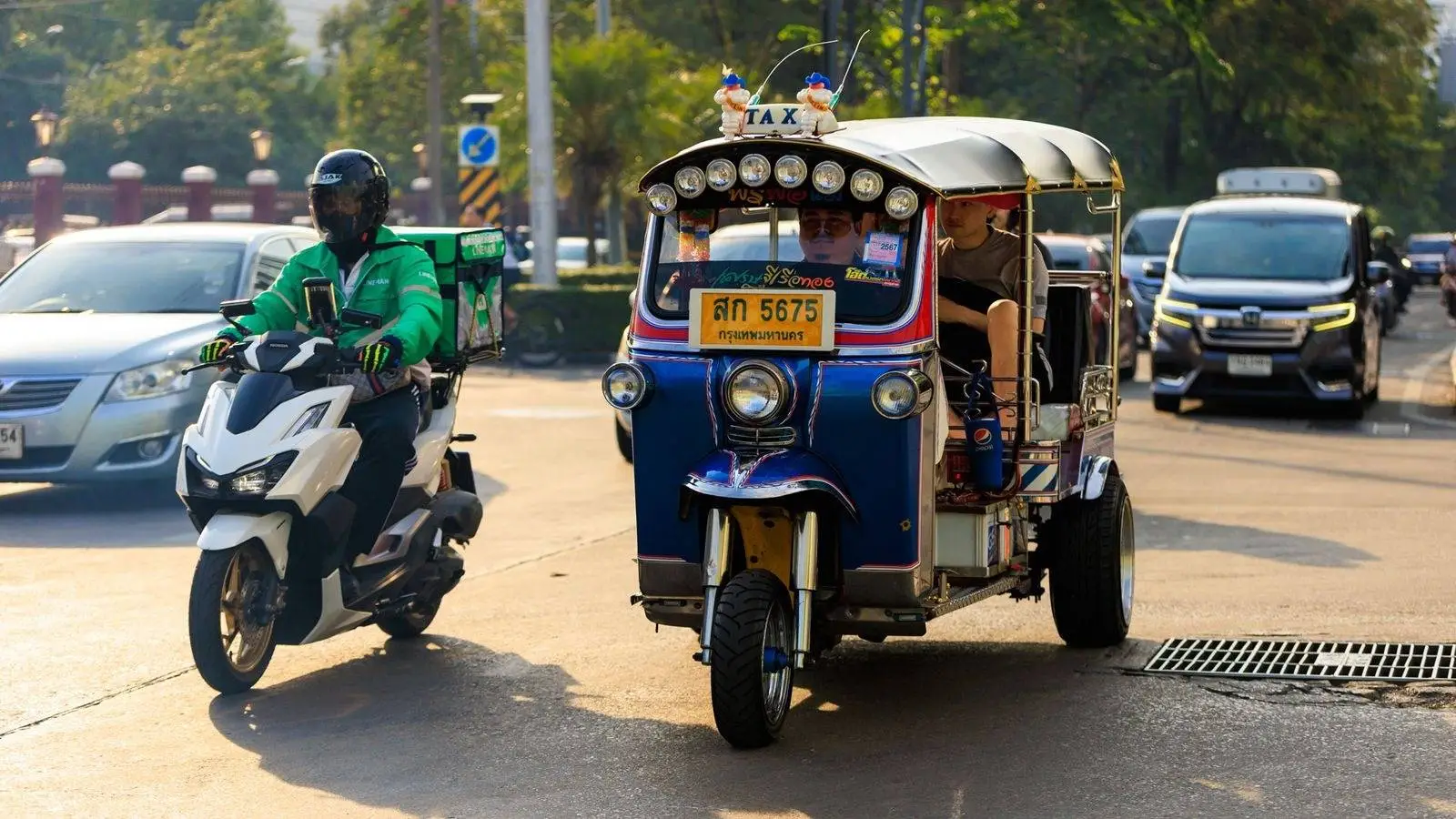
Discover distinctive national rides that define culture and place: tuk-tuks, gondolas, funiculars, jeepneys, cable cars, rickshaws, the Shinkansen, kayaks.
National modes of transport are more than a way to get from A to B; they reflect the culture, history, and geography that shaped them. Across the globe, time and terrain have forged local ways of moving around — from gondolas gliding through Venice’s canals to tuk-tuks weaving through the streets of Thailand. Transport says a lot about people and places. Here is a look at distinctive national rides that became part of daily life for millions and a living piece of each country’s heritage.
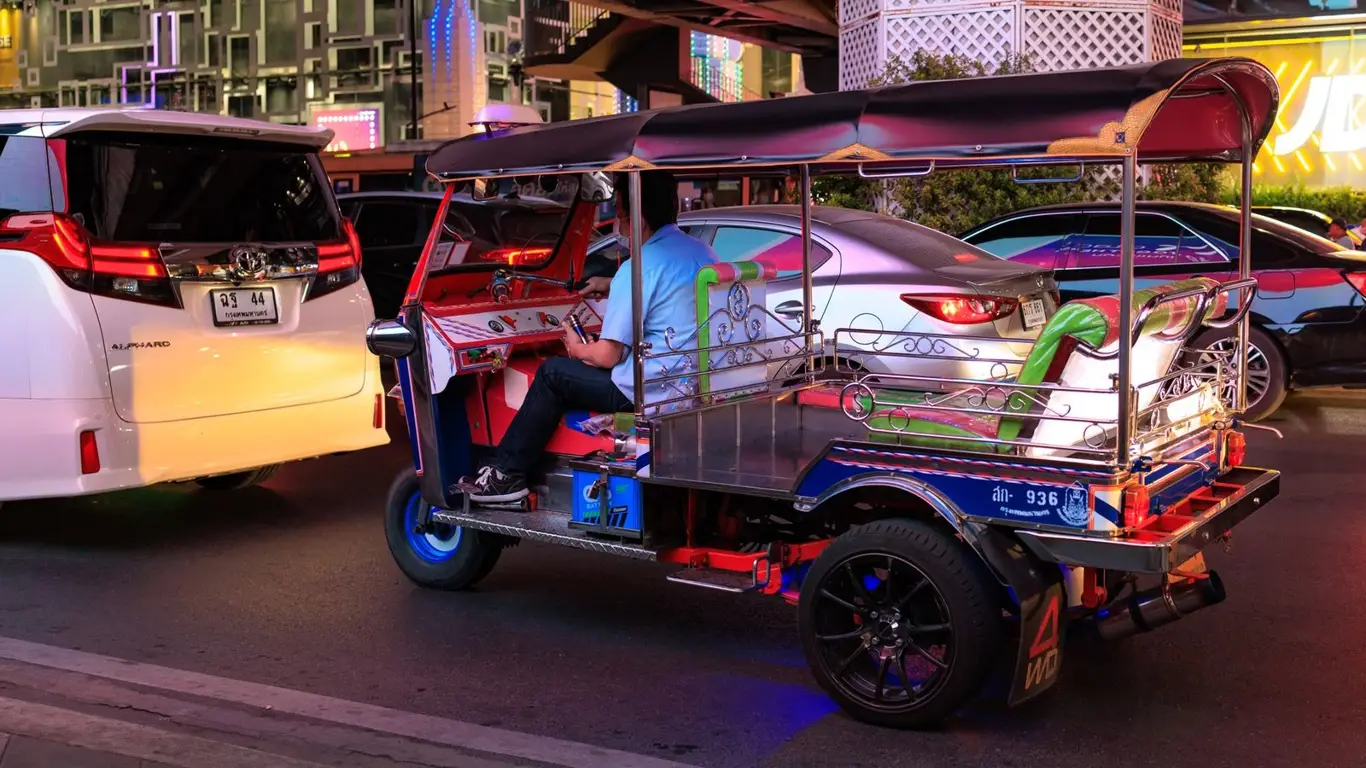
The tuk-tuk is a distinctive and popular way to get around, especially across Southeast Asia — in Thailand, India, Sri Lanka — and in parts of Latin America, including Peru. This three-wheeled motor rickshaw is a light vehicle with an open cabin, usually carrying a few passengers on short hops through busy city streets.
It’s not built for speed, but it’s made for the city: narrow alleys, traffic jams, and dense neighborhoods. Compact size and quick maneuvering make it an easy choice when every minute and meter count.
In Thailand, the tuk-tuk is woven into city life and tourism. Travelers often choose it for short rides — it’s colorful, accessible, and memorable. In India and Sri Lanka, tuk-tuks are everywhere, a low-cost, quick way to cross town. In Peru and elsewhere in Latin America, they caught on more recently, becoming a convenient alternative to traditional taxis in smaller cities. For many families, especially in developing countries, a tuk-tuk is a livelihood: affordable to buy and relatively cheap to run.
It’s hard to picture cities like Bangkok without the buzz of tuk-tuks. They capture the energy, everyday rhythm, and street-level culture of the places they serve.
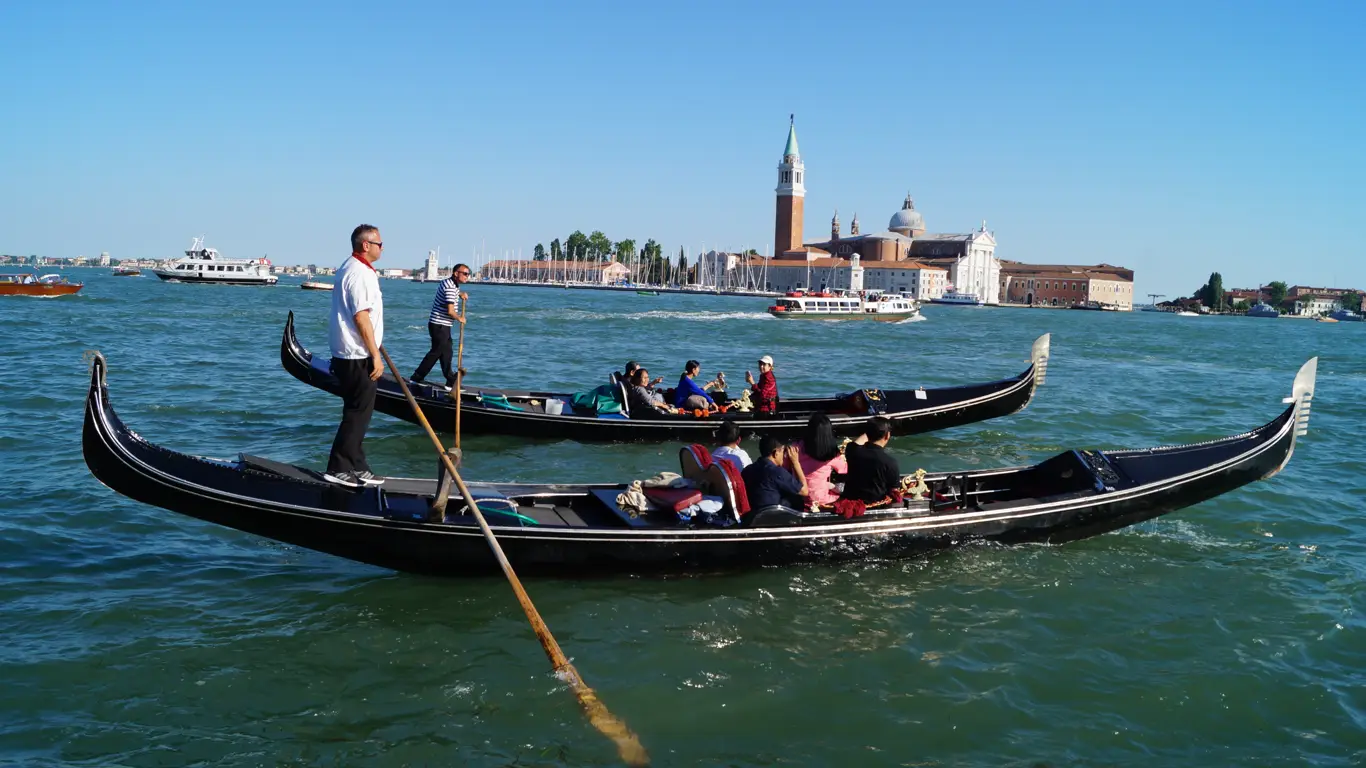
The gondola — a slender, traditional boat — is the emblem of Venice, the one-of-a-kind city on water in Italy. It is inseparable from Venetian culture and history: a means of moving through canals and a defining feature of the city’s social and tourist life.
Gondoliers, trained professionals, stand on a rear platform and steer with a single long oar, using a special rowing technique to navigate tight waterways. Becoming a gondolier is a respected profession that requires training and a license; historically, the craft often ran in families.
More than transport, the gondola is a symbol of Venice’s elegance and romance. Many couples plan a ride along the city’s scenic canals, and special occasions often include these boats.
Gondolas once underpinned everyday mobility in Venice — for commuting, hauling goods, even meetings — long before motorboats and water taxis took over. Today they’re primarily for leisurely rides, yet their cultural weight remains part of the city’s identity.
While modern Venetians mostly rely on motorboats, gondolas still have their place: ceremonies, special events, and those narrow canals larger craft can’t reach.
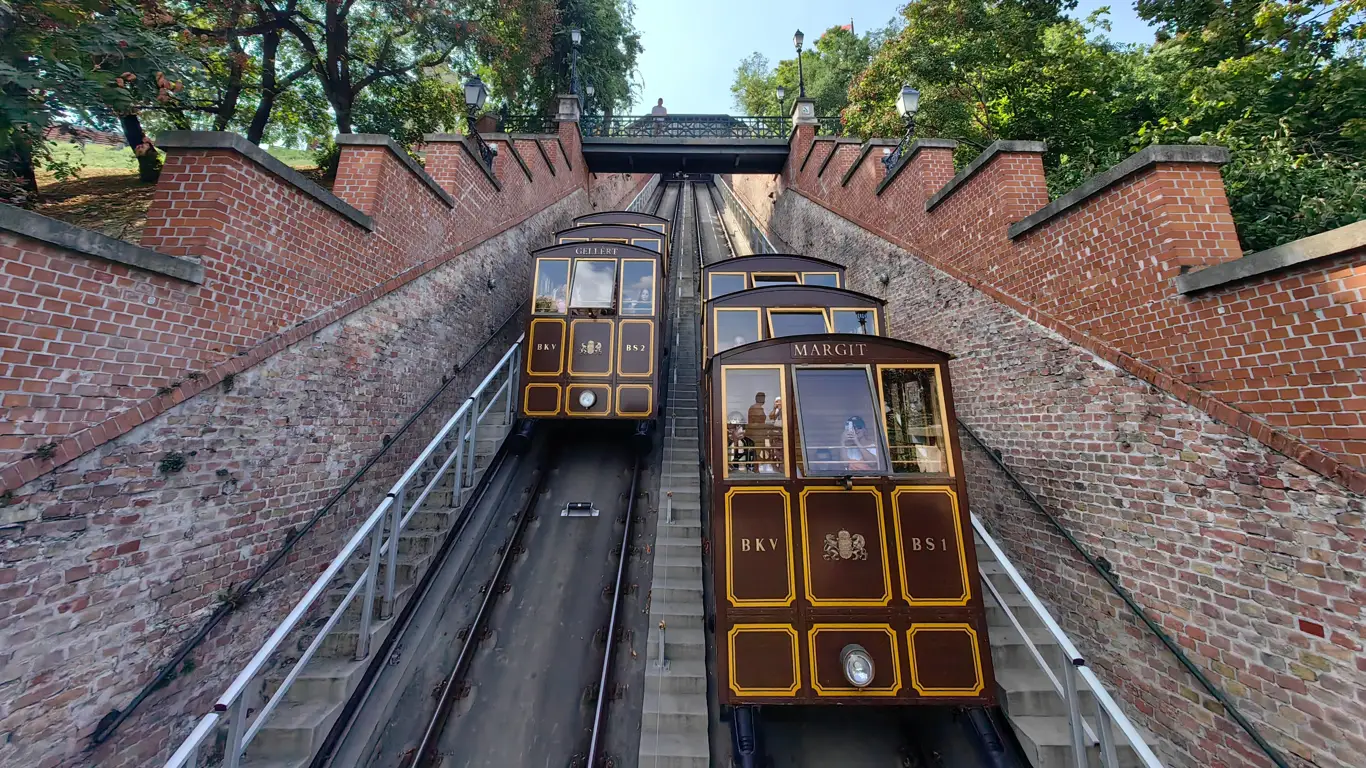
In Switzerland, the funicular is a distinctive rail system that makes steep, mountainous terrain accessible. Especially in the Alps, where slopes are unforgiving, these lines became essential — part of everyday life and a pillar of tourism. They open routes to mountaintops and high villages that would be difficult to reach otherwise.
The country’s first funicular opened in 1879 on Mount Rigi. From there, the network spread and became a landmark of engineering, helping drive mountain tourism and daily mobility across challenging landscapes.
Funiculars draw visitors with smooth ascents to sweeping viewpoints over the Alps. Routes to places like Harder Kulm and Pilatus are firm favorites, and ski resorts rely on them to move skiers and snowboarders to the slopes.
Modern safety systems make them one of the most reliable ways to travel in the mountains. Large windows turn the ride into part of the experience, with valleys and peaks unfolding outside.
In short, funiculars are stitched into Swiss culture and routine. They solve tough transport tasks — and double as a highlight of a trip — while reflecting the country’s blend of engineering finesse and respect for nature.
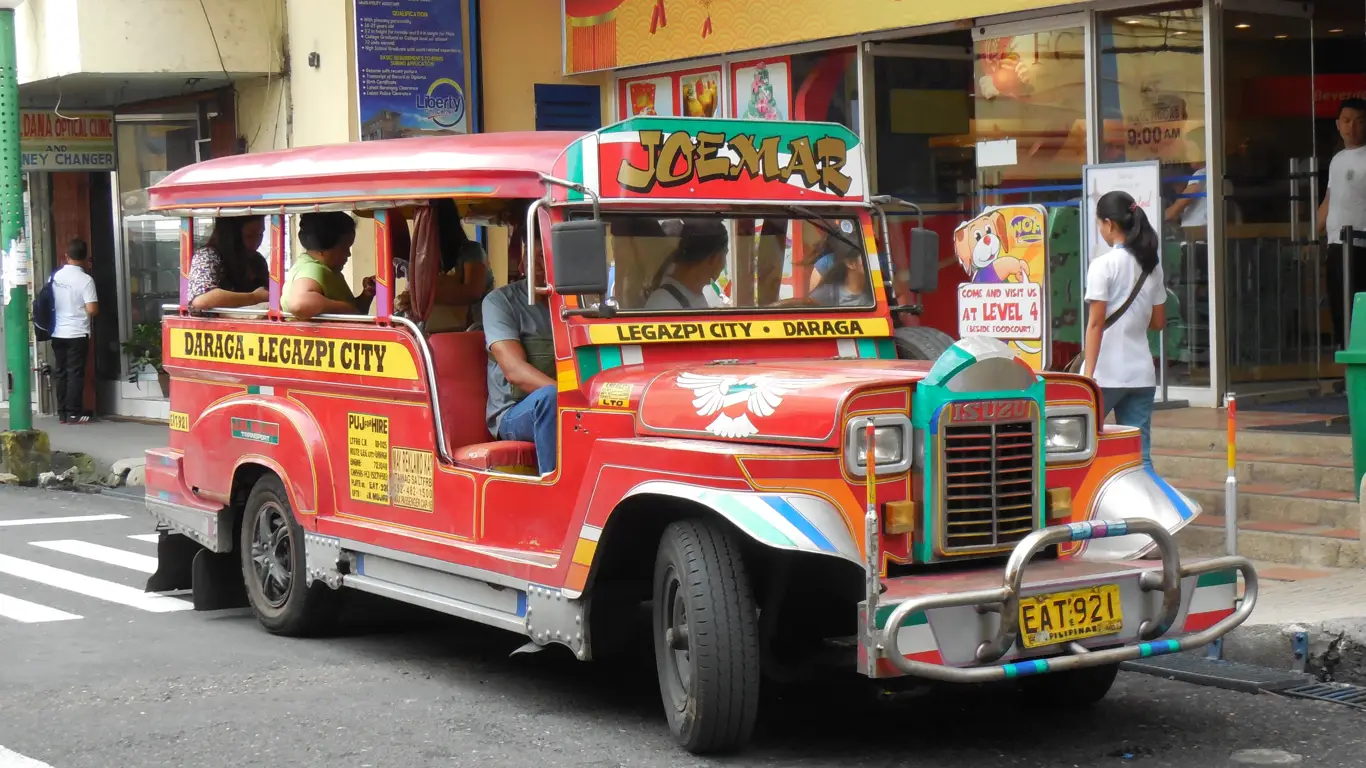
The jeepney is a bold, unconventional form of public transport — and a national icon of the Philippines. These mini-buses, instantly recognizable for their customized bodies and vivid artwork, emerged after World War II and have been part of daily life ever since.
They were born from surplus American military jeeps left after the war. Locals extended the chassis and added seating, creating a vehicle that could carry more passengers. What began as a stopgap became a lasting part of the transport system — and a cultural phenomenon.
Jeepneys operate like shared taxis on fixed routes, handling short and mid-range trips in cities and rural areas. Unlike standard buses, they stop on request along the way.
More than vehicles, jeepneys embody creativity and resilience — a practical solution turned cultural symbol that many visitors now associate with the spirit and color of the Philippines.
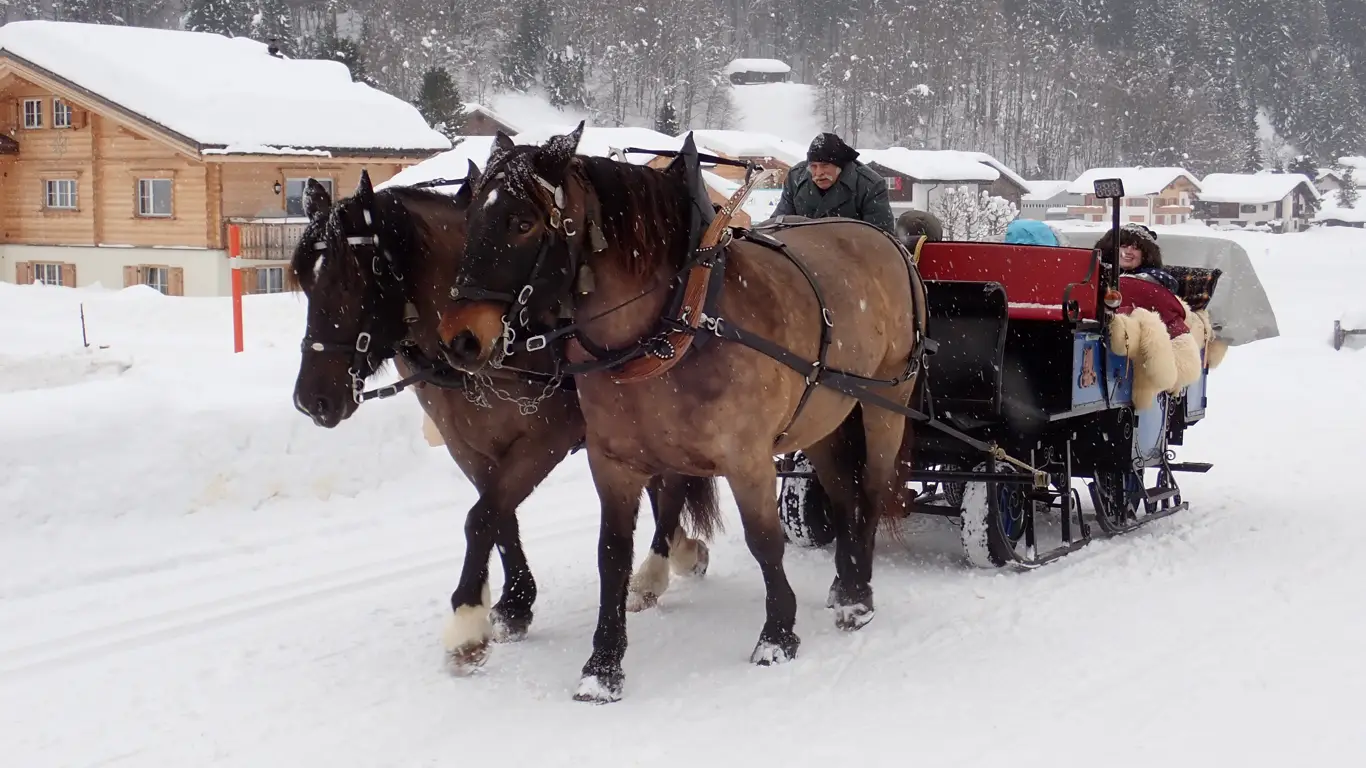
Sleds are a traditional way to travel across Russia and the northern countries — Norway, Sweden, Finland — where snow and ice once made other transport impractical for long stretches of the year. They shaped everyday life and culture, serving both work and leisure.
They emerged wherever harsh winters demanded something that could glide over snow. Versions appeared across the North — from Russian villages to Arctic nomadic communities.
In Russia, sleds were essential in winter. Farms moved hay, firewood, and supplies on runners, and horse-drawn sleighs carried people over longer distances. They also became part of festive customs and winter fun, including holiday rides and celebrations.
In northern countries such as Norway and Finland, sleds supported hunting, forest travel, and even rescue work in difficult winter conditions.
Today, sleds live on in recreation and sport. Children still race down hills each winter in Russia and Scandinavia; families keep the tradition alive outdoors. Sporting sleds underpin winter disciplines such as luge, dog-sled skiing, and reindeer-sled biathlon.
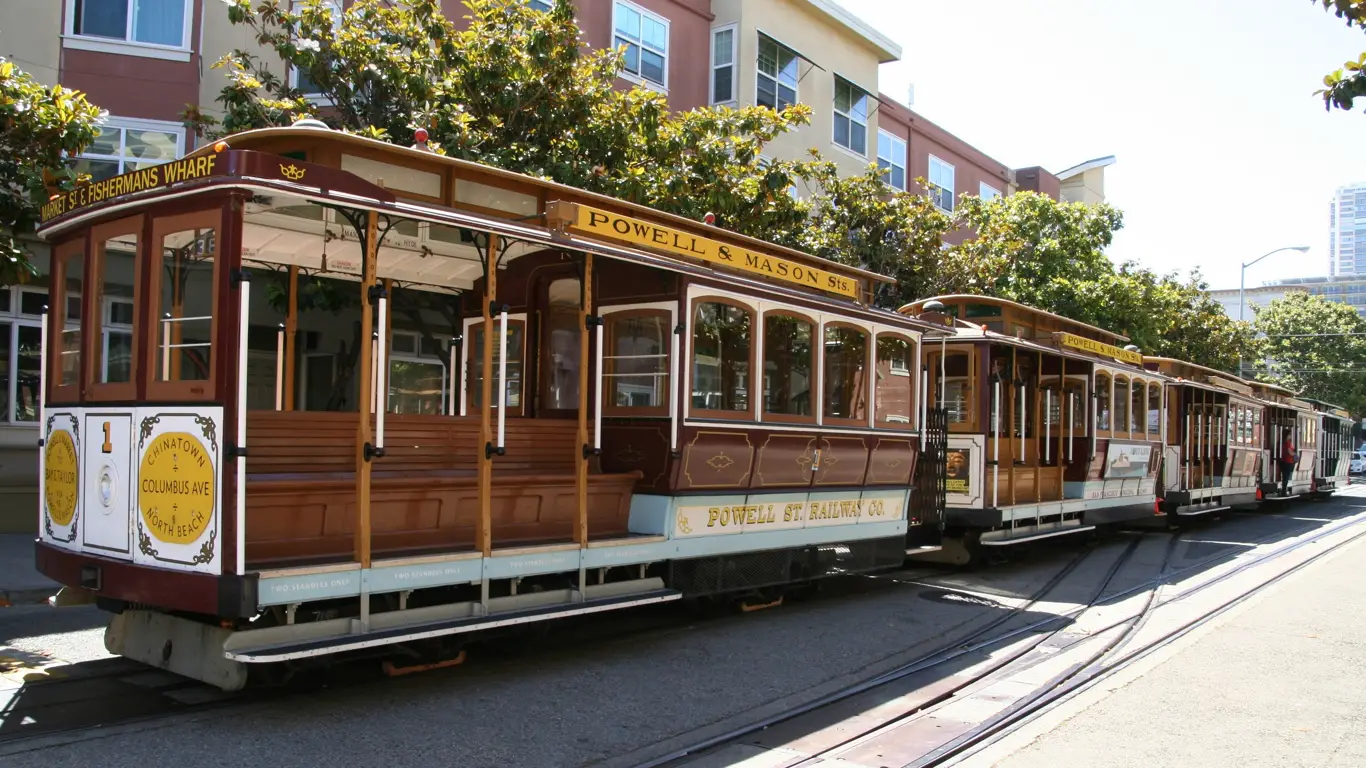
San Francisco’s cable car is a unique form of public transport and one of the most recognizable in the United States. It runs on cable traction and remains the world’s only operating system of its kind. Once central to everyday mobility, it now carries locals and visitors who want to feel the city’s historic character.
The first line opened in 1873 to solve a practical problem: navigating the city’s steep hills safely and efficiently, where other vehicles struggled.
Over time, the cable car became a city emblem and a major draw. Each year, riders come for the experience and the sweeping views across streets and hills.
One of the best-known routes is Powell–Hyde, which cuts through the center and passes well-loved sights including Pier 39, Nob Hill, and Lombard Street — widely billed as the most winding street in the world.
In 1964, the cable car system was designated a National Historic Landmark, underscoring its importance to U.S. history and culture. It still runs today, despite the cost and complexity of upkeep, because it’s both useful on the steep grades in some neighborhoods and part of what makes San Francisco, San Francisco.
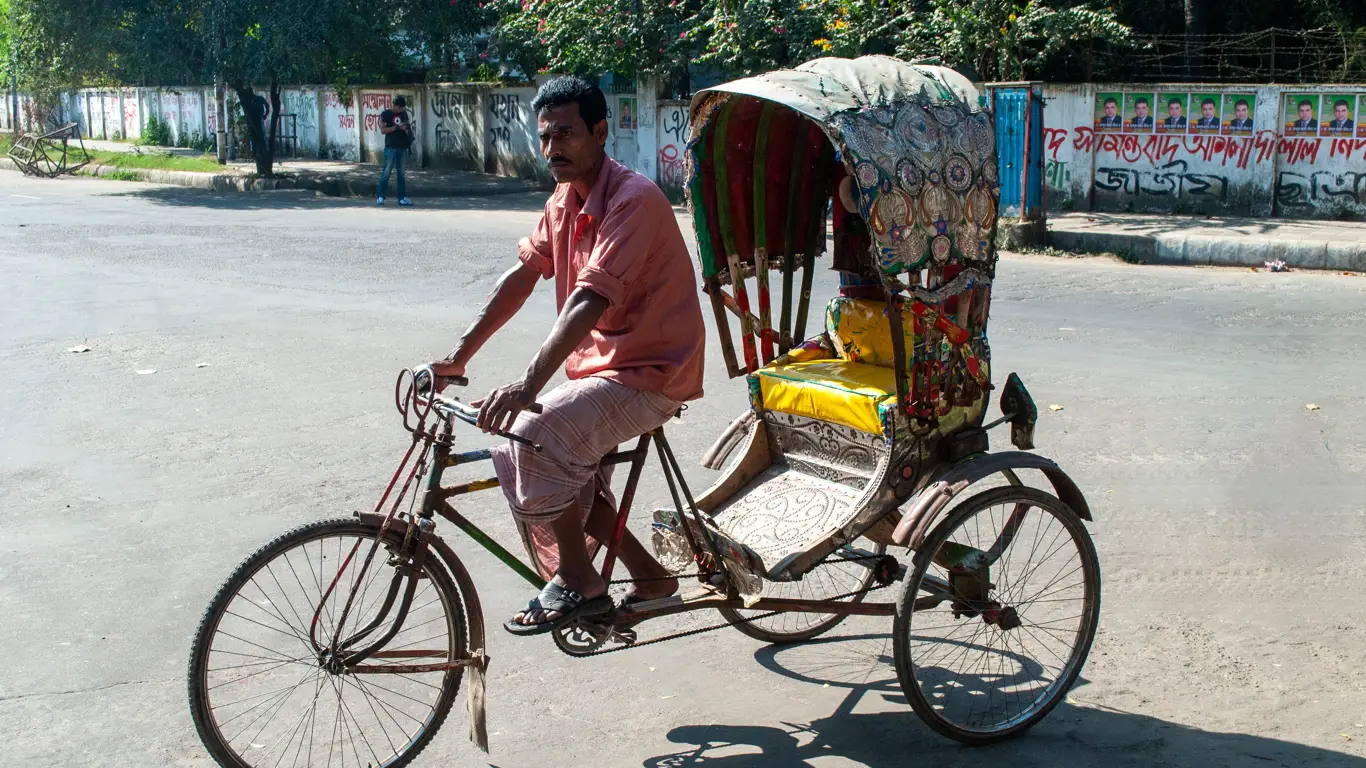
The rickshaw is a traditional Asian vehicle common in China, India, and Bangladesh. It began as a light hand-drawn cart and later evolved into pedal and motorized versions. In many cities, it became part of the urban fabric — a bridge between heritage and short-hop convenience.
Rickshaws appeared in Japan in the late 19th century and quickly spread across Asia, especially to China and India. Early models were two-wheeled carriages pulled by a person, with passengers seated behind. They proved practical on narrow streets and in crowded districts, offering an affordable option for local trips.
They also became cultural markers. In many places, cycle rickshaws are decorated in bright colors and patterns, with slogans or religious images that reflect the driver’s tastes and beliefs.
The work is physically demanding, and in the past the job carried low social status. Many drivers are migrants or from poorer communities, for whom rickshaw pulling is a primary source of income.
Even as cities modernize, rickshaws remain part of the streetscape in China, India, and Bangladesh — a testament to endurance and adaptation, blending tradition with newer technology.
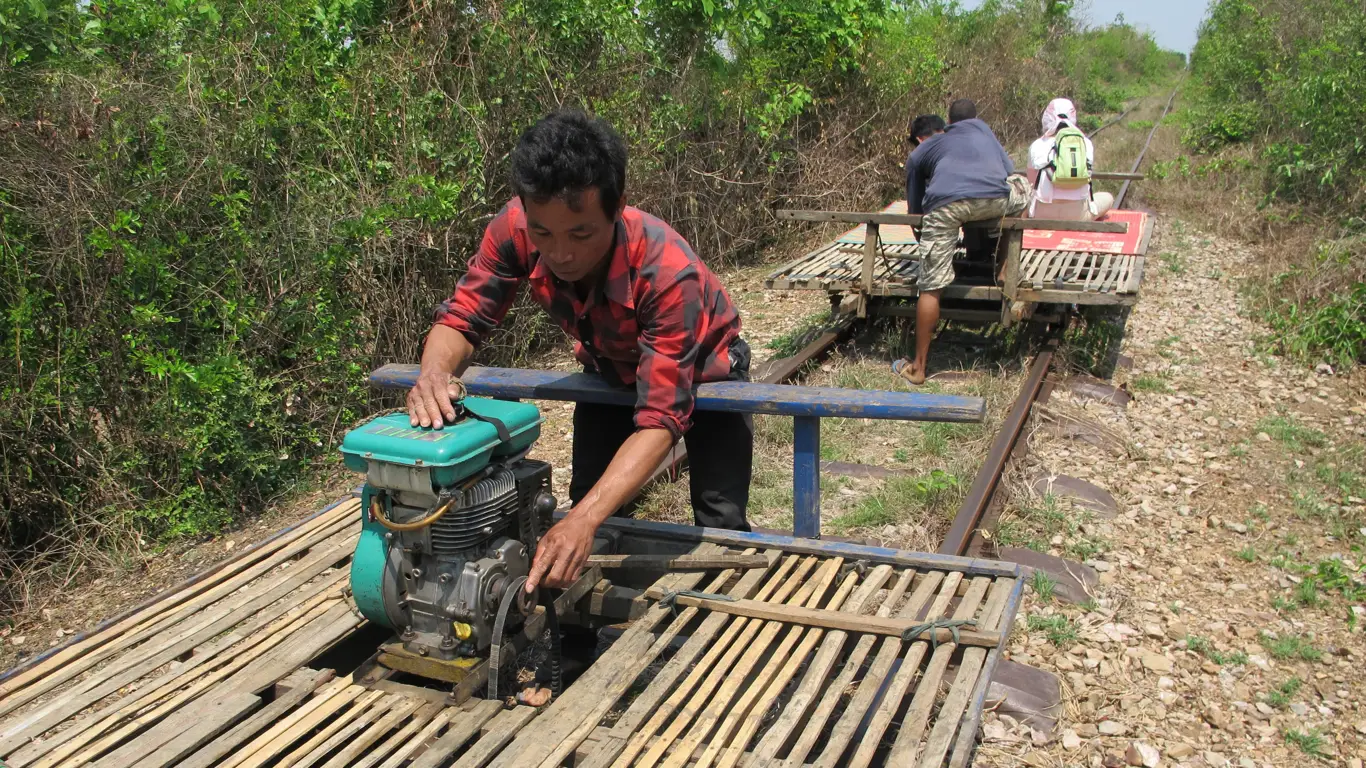
The bamboo train — known locally as the norry — is an improvised railway vehicle that became a symbol of rural Cambodia. It’s essentially a simple bamboo platform on small wheels running on standard tracks. It arose as a practical workaround on aging rail lines in areas with limited access to other transport, first serving locals and later charming visitors with its simplicity.
It emerged in the 1980s, after the civil war, when much of the rail network was damaged. In the countryside, people repurposed the remaining tracks and built makeshift cars from basic materials.
For villages, it offered a fast, low-cost way to move people and goods, especially where roads were impassable or absent.
Over time, the bamboo train came to symbolize the ingenuity and adaptability of rural communities — straightforward, effective, and born of necessity.
Tourists are drawn to it for its novelty and the window it opens onto rural landscapes and everyday life in Cambodia.
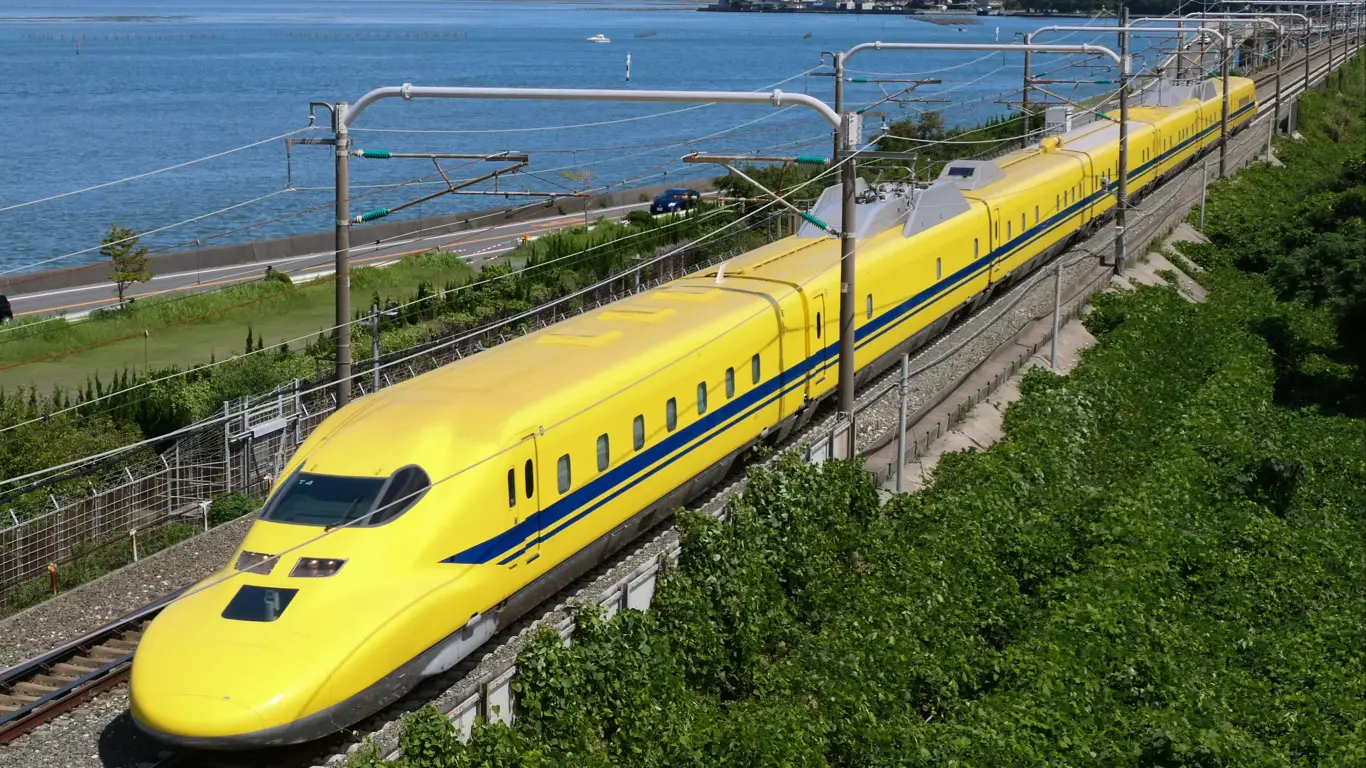
The Shinkansen is Japan’s high-speed rail network, renowned worldwide for speed, punctuality, and safety — often nicknamed the “bullet train” for its profile and performance. Since its launch in 1964, it has reshaped public transport in Japan and become a national touchstone of modern engineering.
The first service started in 1964, just before the Tokyo Olympics, on the Tokaido line between Tokyo and Osaka — the world’s first high-speed rail corridor. Early trains ran at about 210 km/h, far faster than anything else at the time.
Since then, the network has expanded across the country, linking major cities on routes such as Tohoku Shinkansen, Sanyo Shinkansen, and Hokkaido Shinkansen. New lines and technologies have pushed operating speeds up to 320 km/h, while boosting safety and comfort.
Frequent departures and high speeds make it a first choice for business and leisure travel. Remarkably, the average deviation from the timetable is under a minute per year, making it one of the most precise public transport systems anywhere.
Across its history, the network has recorded no fatal accidents or serious incidents — a safety record that speaks for itself.
The Shinkansen stands for Japan’s technological ambition and quality standards. Its debut signaled the country’s leadership in rail, and its expertise now helps inform high-speed projects beyond Japan.
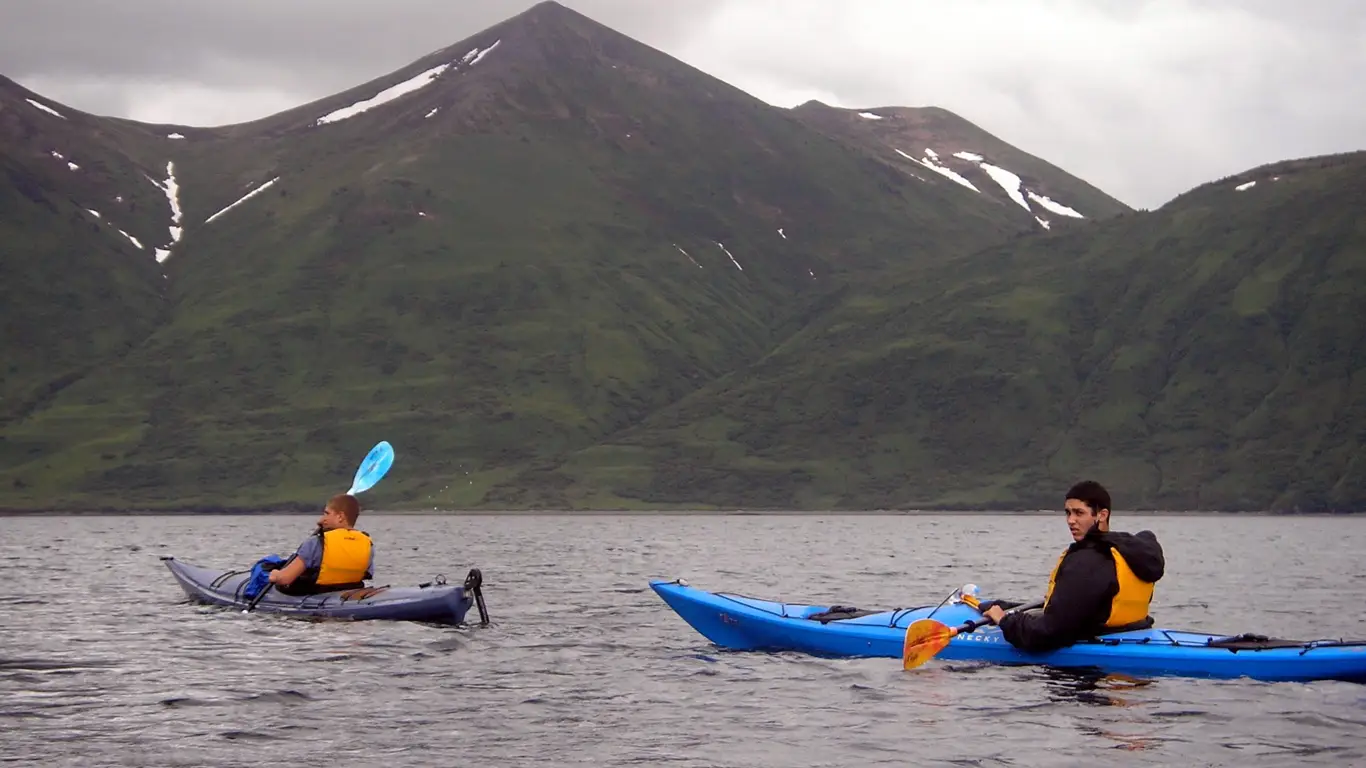
The kayak is a traditional paddle craft created by the Indigenous peoples of the Arctic — including Inuit communities in Greenland, Alaska, and Canada. Historically it was the primary way to travel over frigid waters for hunting and fishing. Even as modern versions spread into sport and tourism, the kayak remains a powerful link to nature and a testament to survival skills in harsh climates.
Inuit, Aleut, and other Arctic peoples built kayaks thousands of years ago from whale bone or wood frames covered with seal or walrus skins. The design was light and buoyant — ideal for Arctic seas. Conceived for hunting and fishing, kayaks were quiet, nimble, and stealthy enough to approach marine animals such as seals, whales, and fish.
For northern peoples, a kayak was more than transport; it embodied a relationship with the environment. Building and handling one, reading currents and weather, and understanding animal behavior were vital skills handed down through generations.
Today, kayaks are widely used for recreation. Modern models are made from durable, lightweight materials like plastic, fiberglass, or carbon fiber, which makes them even more practical. Kayaking has grown into a popular outdoor pursuit worldwide — a way to explore rivers, lakes, seas, and coastlines and to experience nature at water level.
A kayak is, at heart, a symbol of resilience, adaptation, and deep knowledge of the natural world. It carries the traditions of Arctic peoples into the present, while continuing to offer a simple, effective way to travel on water.