
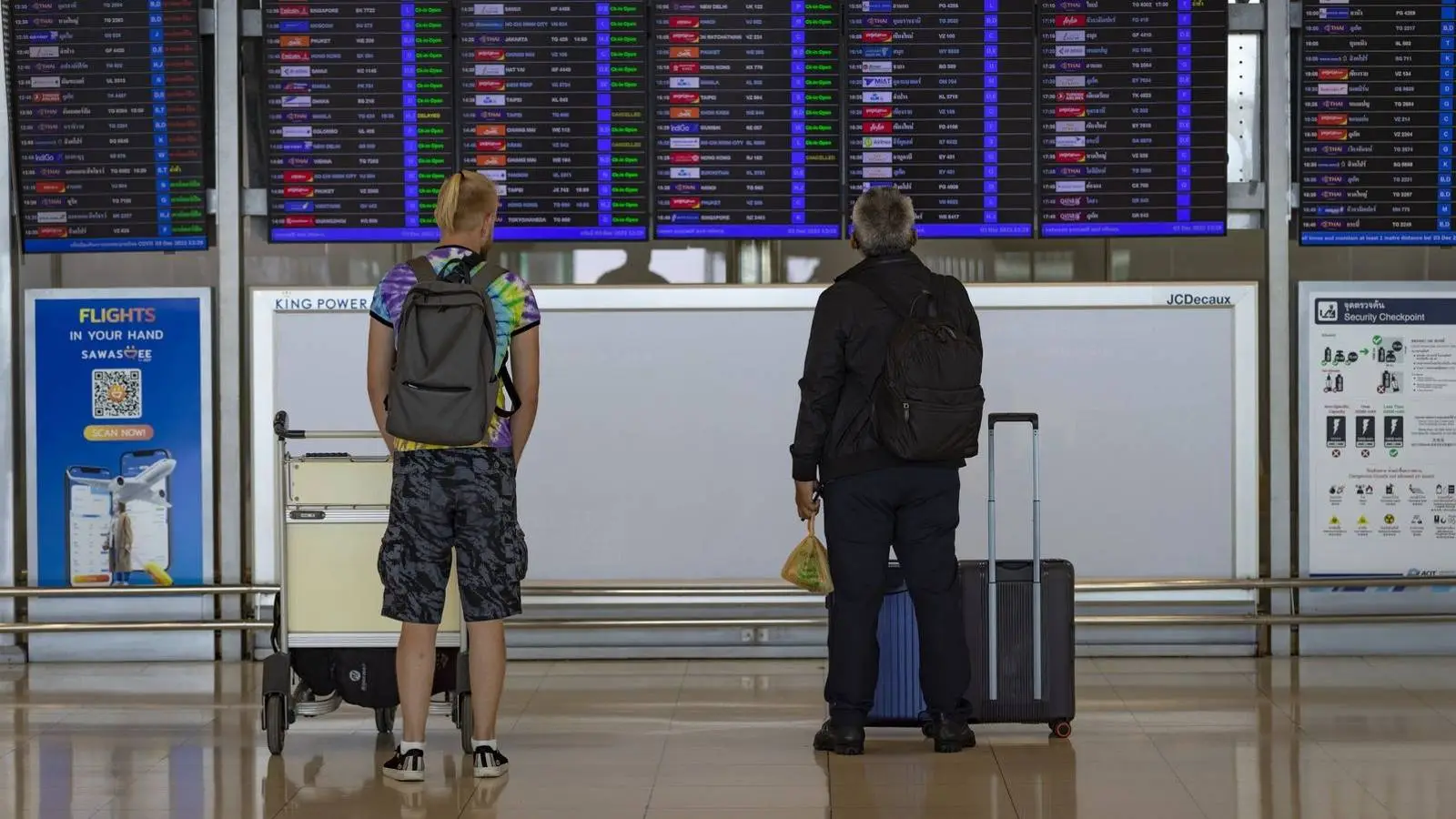
Practical travel safety tips for airports, transport, hotels and city walks. Learn to avoid scams, protect documents and money, and handle emergencies abroad.
Travel opens the door to new cultures, one-of-a-kind places and a taste of adventure. Even the most memorable trips, though, can be derailed by surprises. From theft and scams to lost documents and health issues, a foreign country comes with its own risks. A little preparation and a few ground rules go a long way toward keeping your journey smooth and memorable for the right reasons. This article brings together practical tips to help you steer clear of trouble abroad and make your trip as comfortable and safe as possible.
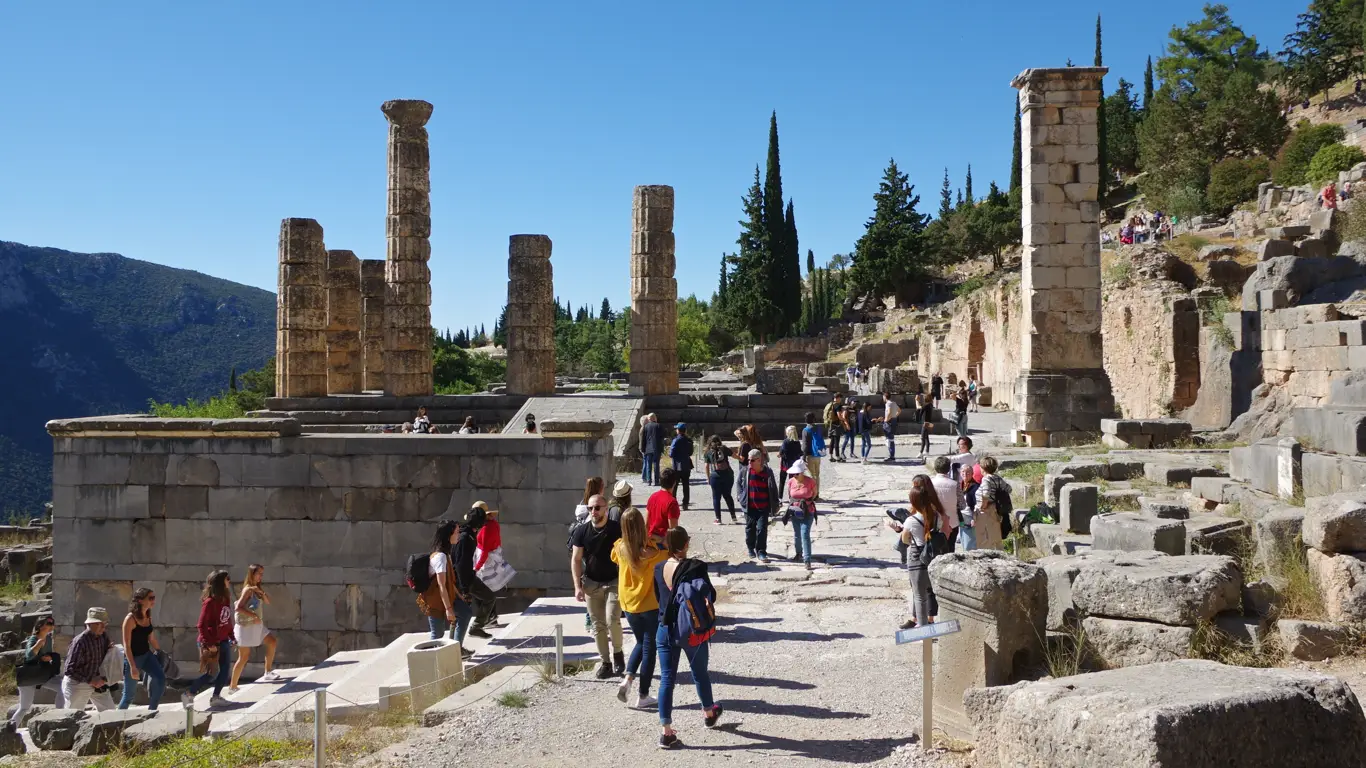
Going abroad usually means stepping into a new cultural and social environment where a traveler may not know local laws, customs or the lay of the land. That unfamiliarity increases the chance of running into trouble, from crime to accidents.
In a country where you don’t speak the language, communication can become a real hurdle at critical moments. That makes it harder to ask for help or explain a situation to local authorities. Scammers and thieves often target visitors who don’t know the usual tricks. Losing money, documents or valuables can quickly turn a pleasant trip into an ordeal.
If you’re injured or fall ill abroad, getting the care you need can be difficult—especially when healthcare standards differ or your insurance doesn’t cover everything. Some countries also face natural disasters, civil unrest or terrorist attacks, which can put travelers at risk. Without preparation, it’s hard to know how to react.
Misplacing a passport or visa isn’t just stressful—it can delay your return or even lead to legal issues. And while you’re on the road, you’re responsible not only for your own safety, but also for those traveling with you and the loved ones counting on your safe return.
Taking safety seriously helps protect your health, your budget and, ultimately, the quality of your experience by keeping risks to a minimum.
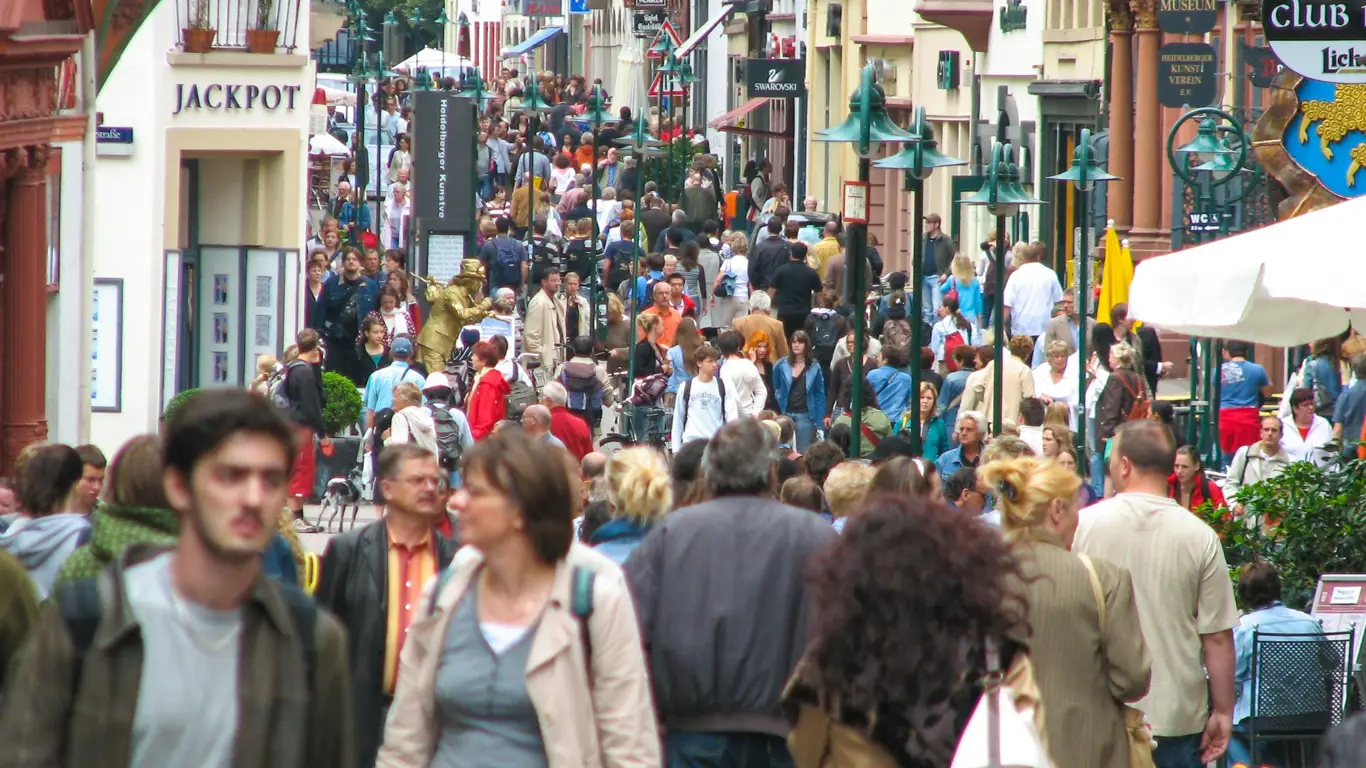
Before you go, take time to learn the basics about your destination. It not only helps you avoid headaches, it also shows respect for local norms.
Get familiar with key traditions and etiquette. In some places, certain clothing, gestures or styles of conversation may be seen as rude or unacceptable. For example, dress rules matter in many Muslim countries, and in Japan quiet and personal space are highly valued. Laws also vary widely. Singapore has strict rules on chewing gum, and some countries impose severe penalties even for small amounts of drugs. Knowing the rules helps you stay out of trouble.
It also pays to follow the political climate. Protests, civil unrest or even armed conflict can flare at certain times. Checking news and advisories can help you pick a safer moment to travel. Official foreign ministry websites often publish up-to-date alerts on political and natural risks, epidemics and other threats.
Look into crime levels where you’re headed. Identify neighborhoods that may be unsafe and learn the common scams aimed at tourists.
Protecting your documents is a cornerstone of travel safety. Losing a passport or visa can cause serious problems. Make multiple copies of essentials (passport, visa, insurance policy, driver’s license). Leave one copy at home with someone you trust and keep another separate from the originals—say, in a suitcase or a different bag. Scan your documents and store them securely online or email them to yourself. In a pinch, that will speed up replacement. Whenever possible, keep your passport and other key documents in the hotel safe. If that’s not an option, use hidden pockets or a money belt under your clothes.
Travel insurance isn’t a formality—it’s a vital safety tool. Medical care abroad can be expensive. A solid policy will cover treatment for injury or illness and, if necessary, evacuation. Make sure your coverage includes not only standard medical care but any activities you plan—like extreme sports. Read the fine print so you know where and when it applies; some policies exclude certain regions or incidents. Good preparation is the foundation of a relaxed—and safer—trip.
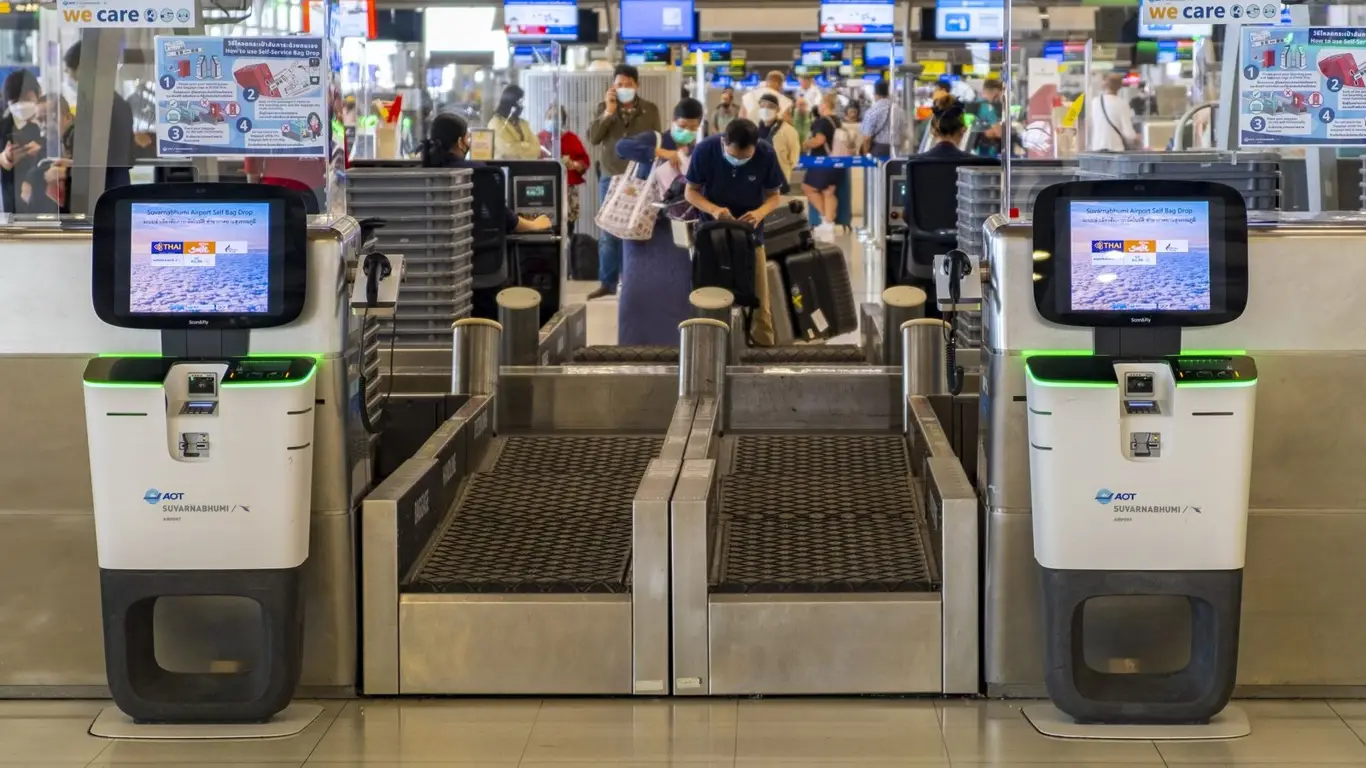
Airports are among the busiest places you’ll pass through, and that’s where theft and scams are common. A few simple habits help reduce the risk:
— Keep your belongings in sight at all times. Don’t leave bags unattended, even briefly. Lockable carry-ons or anti-theft features add useful friction for would-be thieves.
— Be wary of distractions. Some scammers spill a drink or ask for help while an accomplice reaches for your things. Stay alert in lines and waiting areas and keep bags close to your body.
— Use RFID protection for documents. Modern passports and cards have chips that can be skimmed. RFID-blocking wallets or covers help prevent unauthorized reads.
— Pay safely. Use only trusted ATMs and refuse “help” from strangers when withdrawing cash. Never share card details or PINs.
— Treat unsolicited help with caution. Decline offers to carry your bags or sell you “bargains.” Those tactics often aim to build trust and separate you from your valuables.
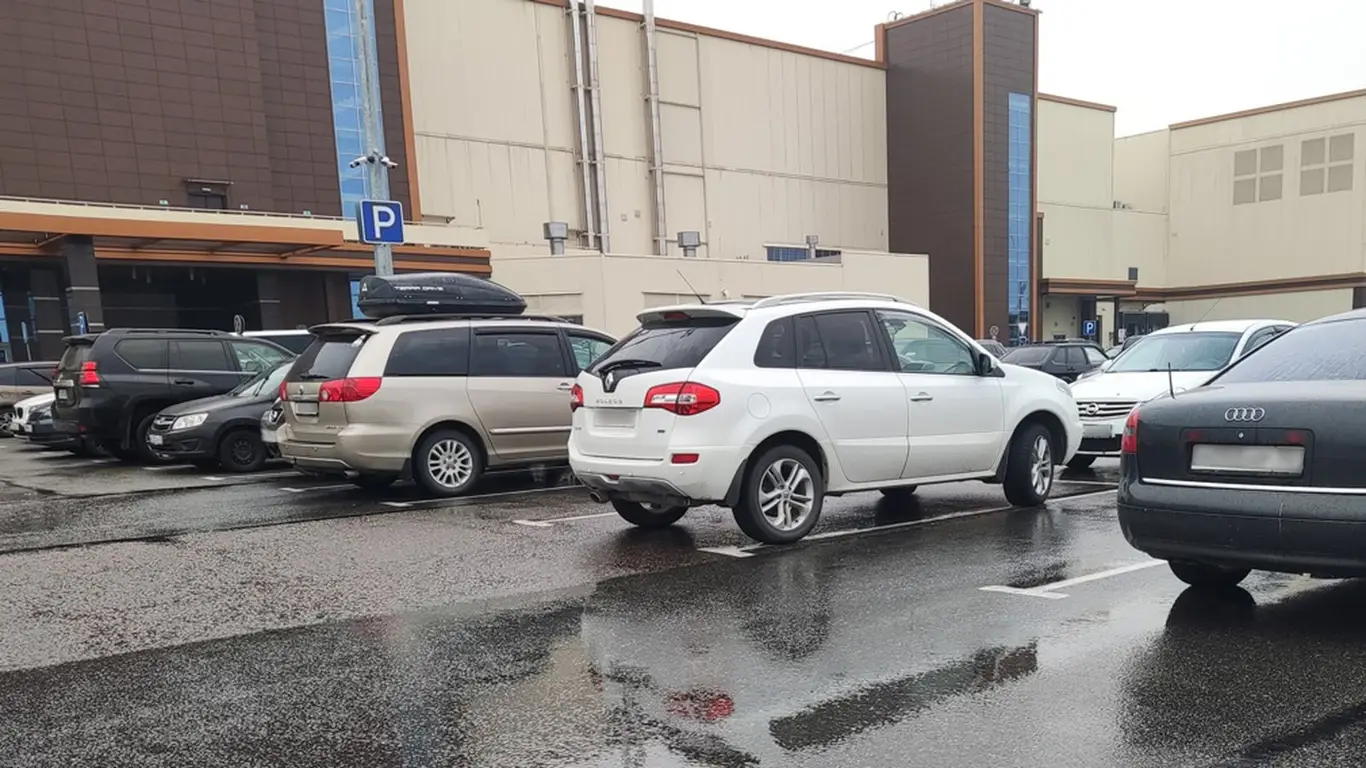
Renting a car can make getting around far easier—just build safety into the plan:
— Choose reputable providers. Check reviews and reputation, and make sure you receive all required documents, including insurance.
— Opt for full coverage. Confirm exactly what the policy includes. Comprehensive coverage that protects against accidents, theft and other incidents is often the better bet. Read the contract carefully to avoid surprises later.
— Inspect before you drive. Note scratches, dents and defects, and have them written into the contract so you aren’t blamed on return.
— Don’t leave valuables in the car. Anything visible—documents or electronics—draws the wrong attention.
— Drive by local rules. Learn the road laws before you go. Some places have specific quirks—left-hand traffic in the UK, strict speed limits in Germany. Following the rules protects you from fines and risky situations.
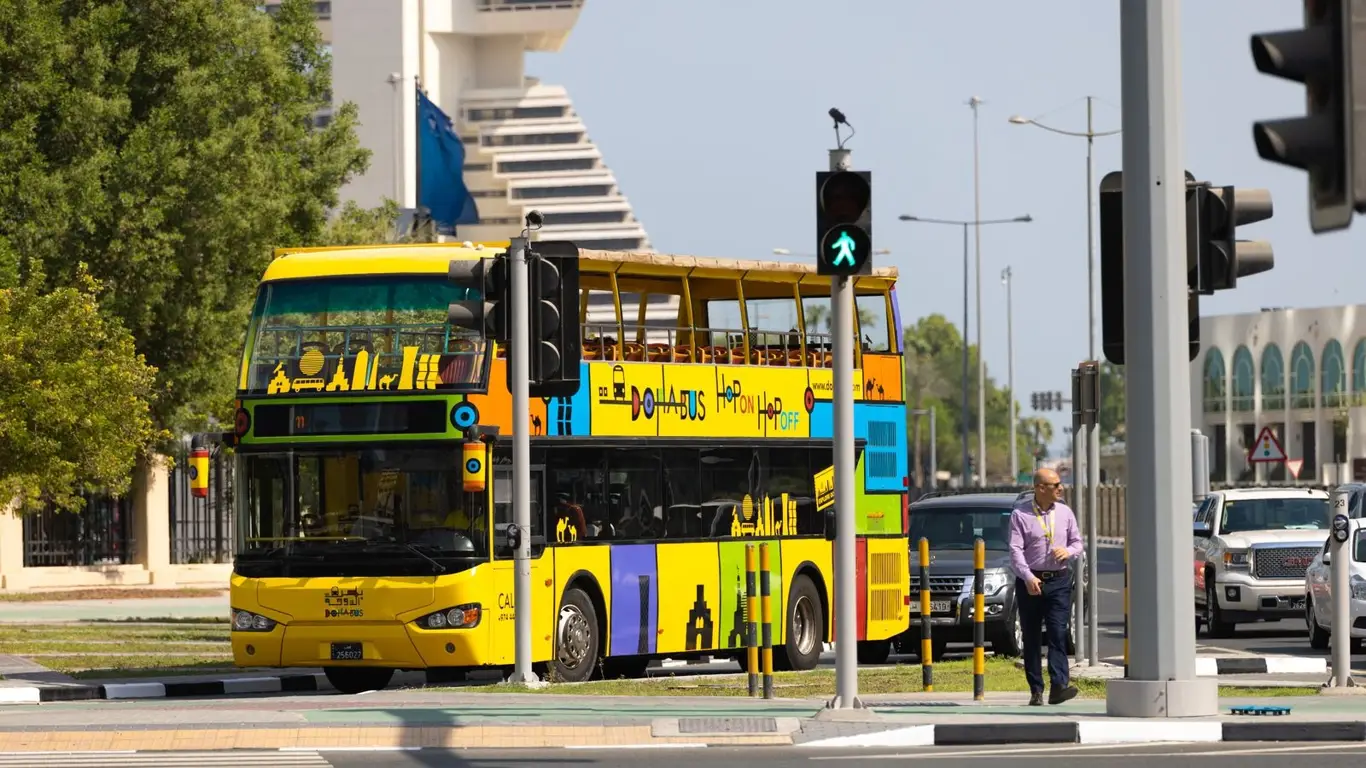
Public transport is convenient and budget-friendly. A few precautions keep it that way:
— Learn the route in advance. Check lines and stops before you board. Navigation apps help you keep your bearings without stress.
— Skip rush hour when you can. Packed buses and trains are prime ground for pickpockets. If you must ride, keep bags in front and valuables close.
— Expect pickpockets in crowds. Avoid carrying a wallet in a back pocket and keep a hand on zippers in tight spaces.
— Buy tickets only from official counters or machines. Decline unsolicited “help,” which can lead to fake or overpriced tickets.
— Be cautious late at night, especially in rough areas. If possible, switch to official taxis or ride-hailing apps such as Uber.
These simple, effective habits make airports, rental cars and public transport easier to navigate—without unnecessary risk.
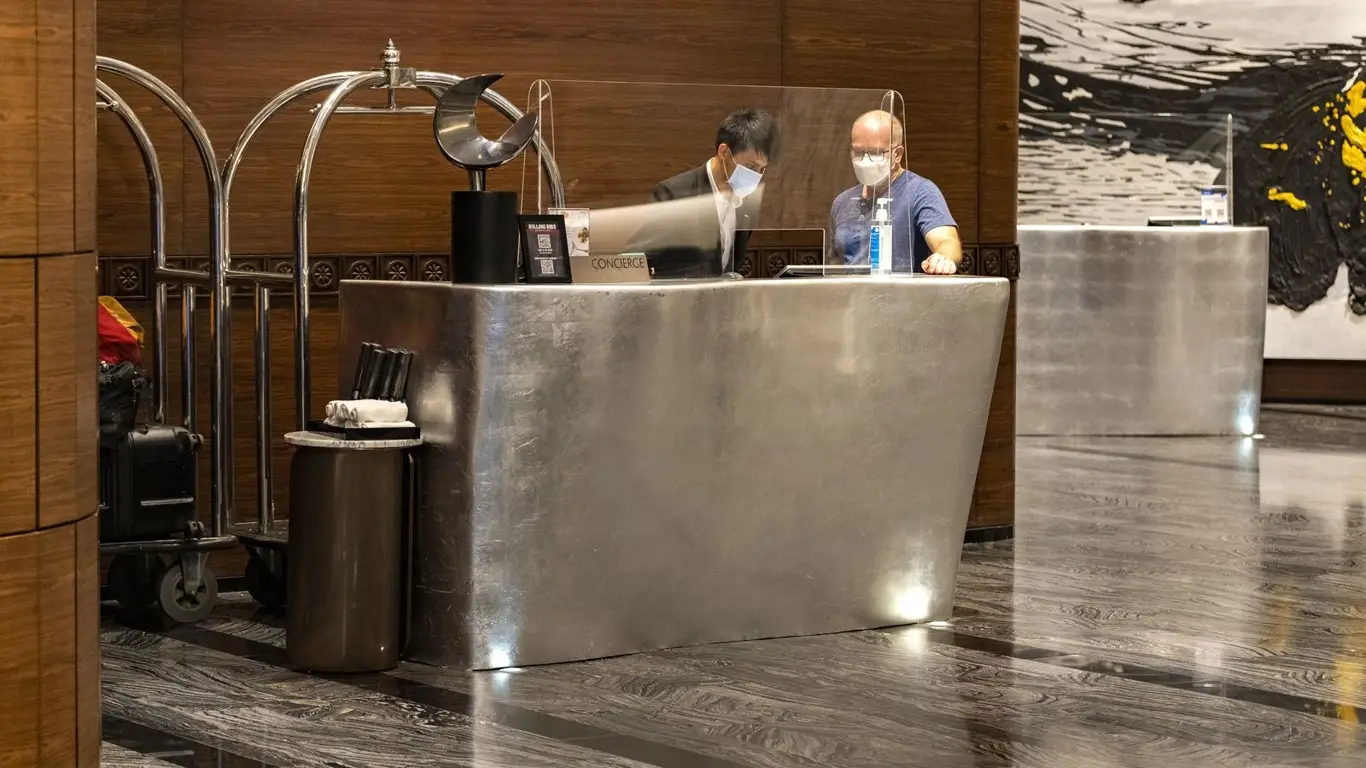
Where you stay sets the tone for your trip—and your peace of mind:
— Reputation and reviews. Read what other travelers say, especially about security, cameras, guards and service. Platforms like Booking.com, Airbnb and TripAdvisor have a wealth of feedback to guide you.
— Location. Favor well-lit, central areas near sights or the city center. Steer clear of high-crime districts or isolated spots, particularly if you’re traveling solo.
— Security on site. 24/7 staff, CCTV and controlled access add an extra layer of protection.
— Rentals. If you prefer apartments or houses, check that the host has strong reviews and the property sits in a safe neighborhood. Look for extras like intercoms, security systems or interior bolts.

— Test the door hardware. Solid locks matter. A chain or deadbolt you can secure from inside adds reassurance. If anything feels flimsy, ask the hotel or host to address it.
— Consider portable devices. Frequent travelers often carry a travel door lock or small alarm. They’re easy to install and remove and provide extra peace of mind in unfamiliar places.
— Check windows and balconies. If you’re on a low floor or have a balcony, make sure everything closes securely. Lock windows and balcony doors whenever you head out.
— Fire safety. Note exits and extinguishers. Knowing evacuation routes can be life-saving, especially in older or budget properties that may lack modern systems.
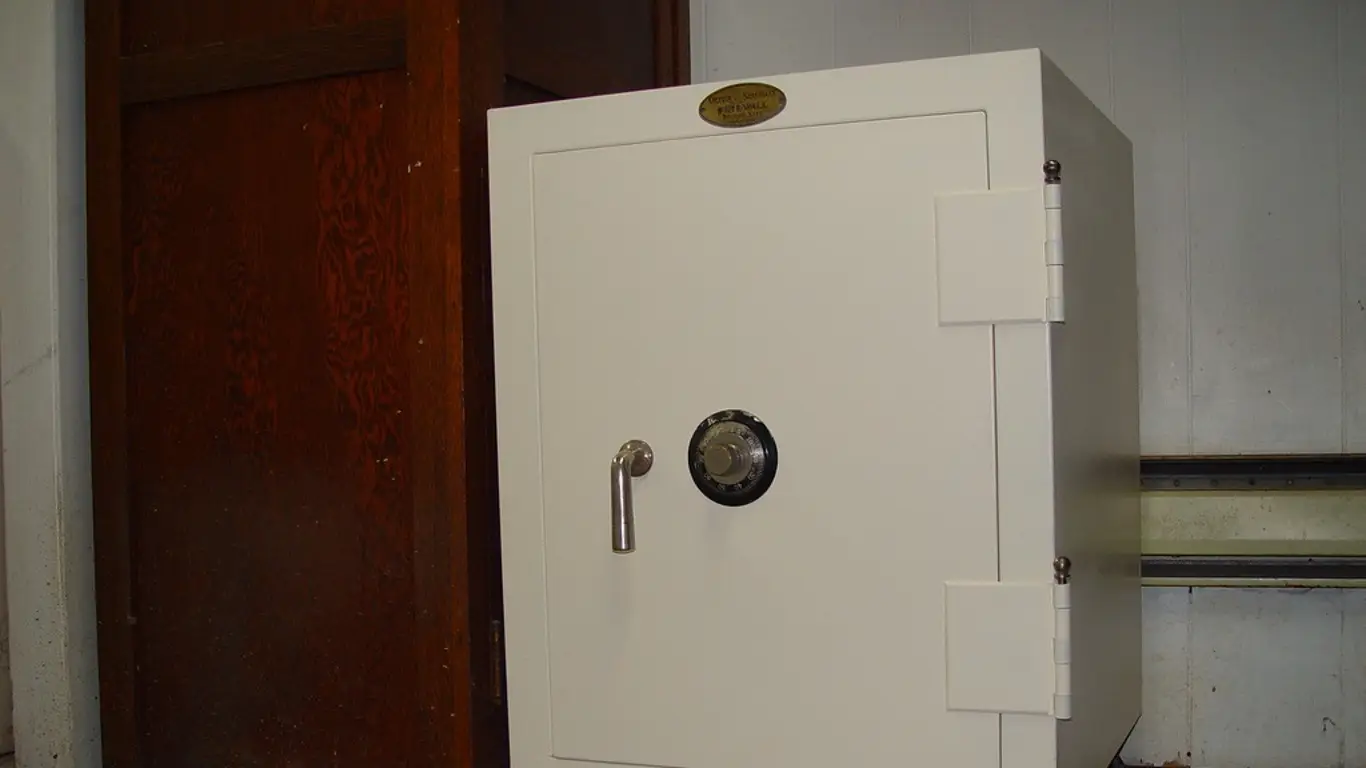
Keeping valuables secure is essential—especially if you’re carrying cash, documents or expensive tech:
— Use the safe. Most hotels offer in-room safes. Store your passport, cash, jewelry and other valuables there. Check that it locks properly. Some properties also provide safes at reception with controlled access.
— Set strong codes. Avoid easy combinations like 0000 or 1234. If you’re given a key, keep it with you and don’t misplace it.
— Documents and cash. Don’t leave a passport or large amounts of money out in the open. Use the safe, or carry them in a hidden money belt.
— Special storage services. Some hotels offer secure storage for particularly valuable items. It may cost extra, but for high-value possessions, the added security is often worth it.
— Housekeeping. Standard service, yes—but anything left in plain sight is vulnerable. Lock important items away before you head out.
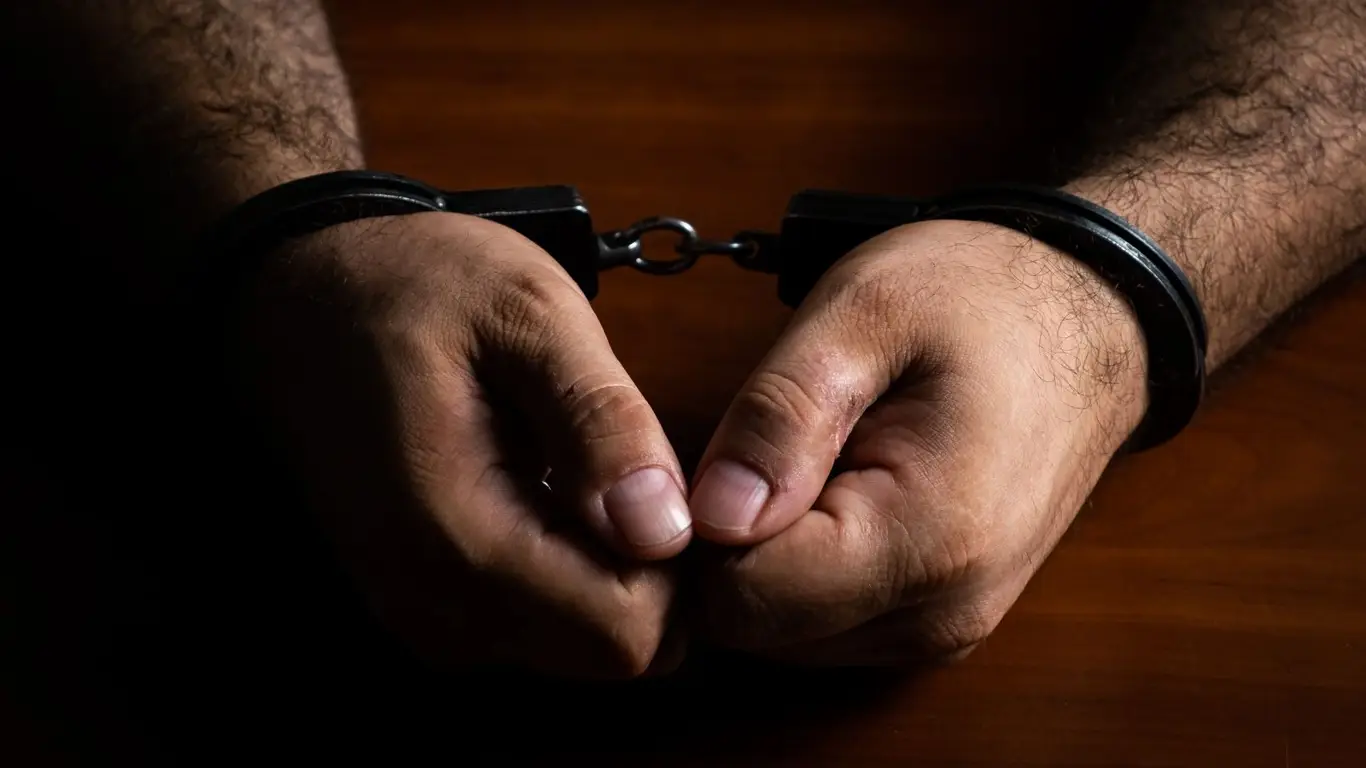
Tourist hotspots attract all kinds of tricks. The usual suspects are easy to sidestep once you know them:
— Distraction tactics. Scammers often work in pairs or groups. One person diverts your attention—asking for directions or “accidentally” spilling something—while another lifts your belongings.
— Fake police. Impostors may claim to be officers and ask to check your documents or cash “for verification.” Real police rarely do this on the street, especially with tourists. If in doubt, ask for ID or suggest going to the nearest station.
— Counterfeit goods and bogus services. From knockoff watches and bags to phony tours, buy only from trusted sellers or official sites.
— The overly friendly local. Unsolicited offers of help, invitations to cafés or “private tours” sometimes end with inflated bills or services you never asked for.
— Street currency exchanges. Too-good-to-be-true rates can mean fake bills or short-changing. Use official exchange offices or banks.
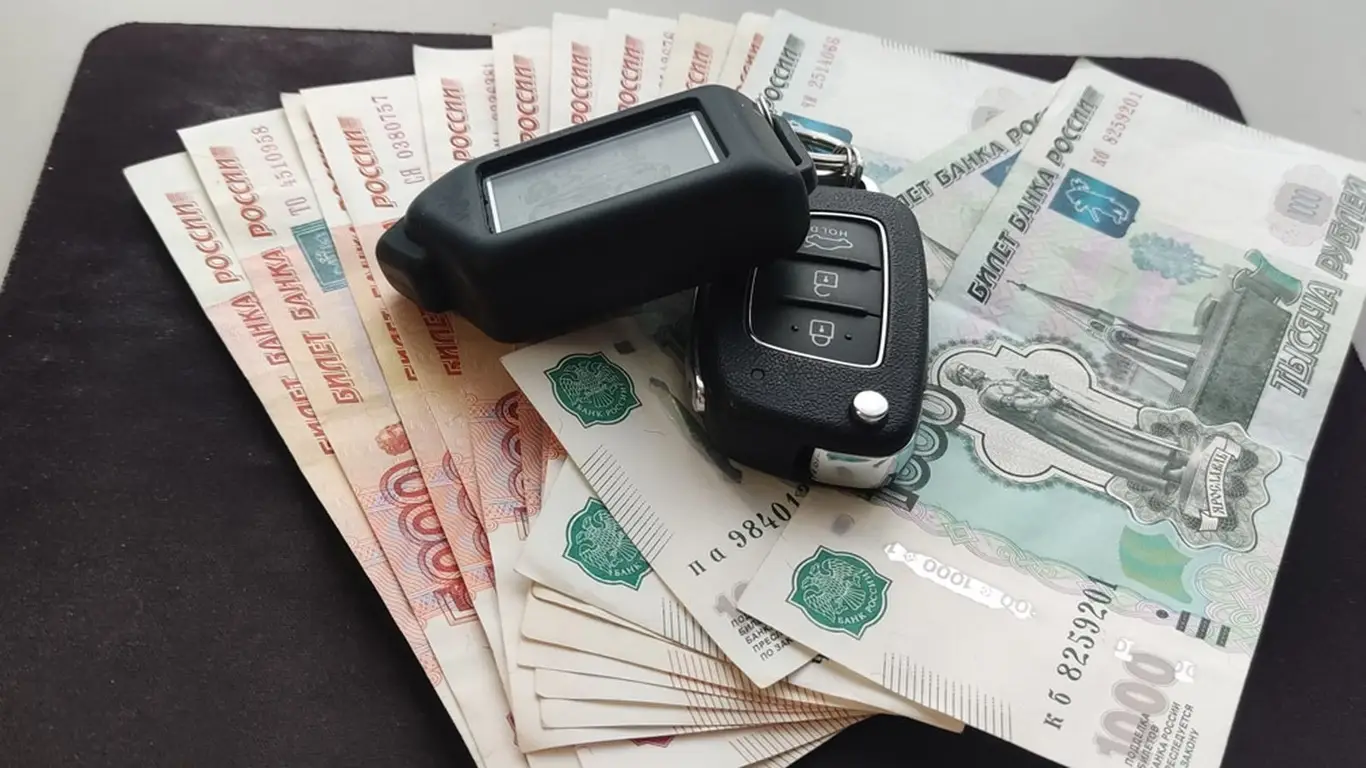
— Separate essentials. Don’t carry all cash and documents in one place. Split money into different pockets or bags. Keep a portion in a hidden money belt.
— Wear a hidden belt or pouch. Worn under clothing, it’s a discreet way to carry passports, cards and cash.
— Minimize cash on hand. Take only what you need for the day; leave the rest—along with documents—in the hotel safe.
— Protect your cards. RFID-blocking wallets or sleeves help shield chip cards. Use ATMs inside banks or trusted locations and avoid street machines.
— Keep copies of documents. Photocopy your passport, visa and insurance policy and store the copies separately. They speed up replacement if needed.
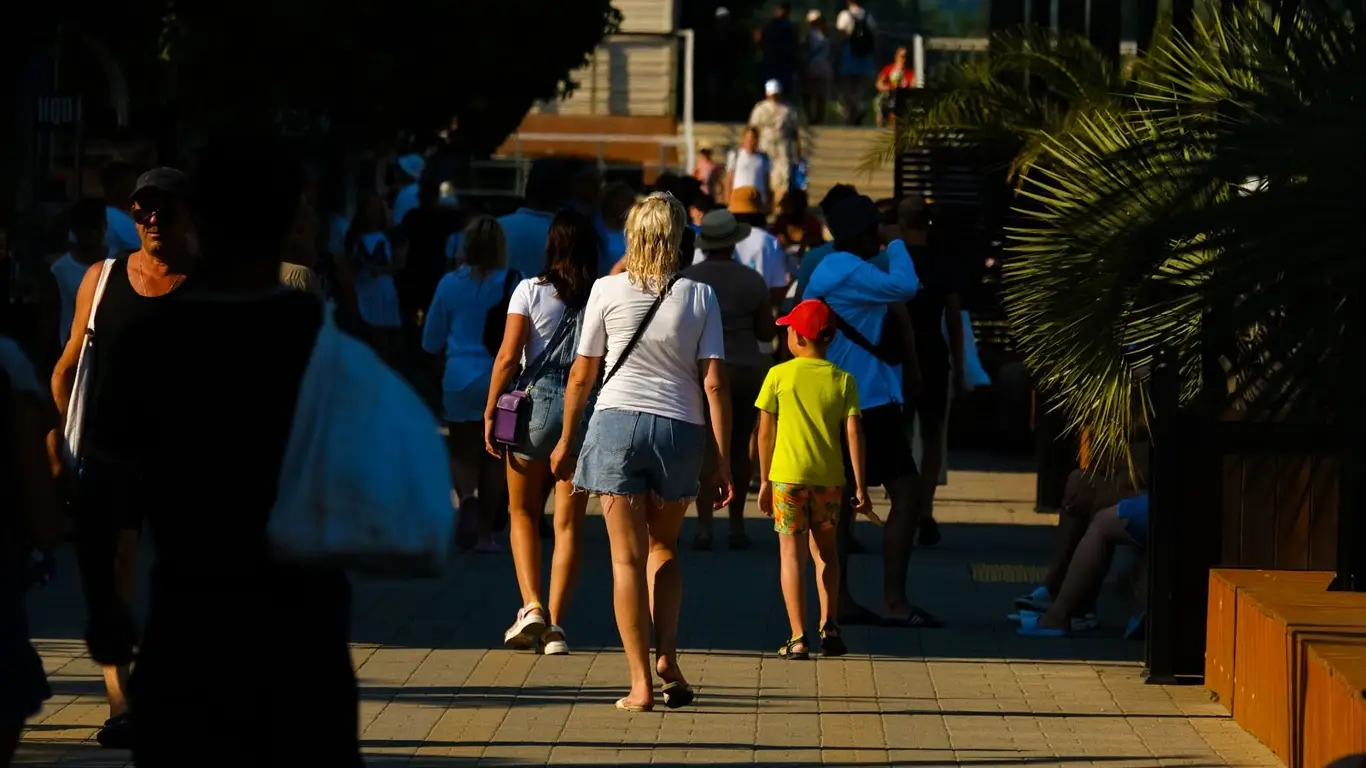
— Don’t flaunt wealth. Flashy watches, jewelry, wads of cash or top-end gadgets are magnets for thieves. Keep a low profile, especially in crowds.
— Avoid looking lost. If you need to check a map or phone, step into a café or shop rather than stopping mid-sidewalk. It’s a simple way to stay under the radar.
— Be cautious with overly friendly strangers. Uninvited help, offers and photo requests can be part of a setup.
— Time your visits. Crowds during peak hours make pickpocketing easier. Keep bags tight to your body and valuables in interior pockets.
— Move with confidence. Plan routes before you go so you’re not stopping to navigate on the street. Stick to well-traveled paths and avoid dubious areas.
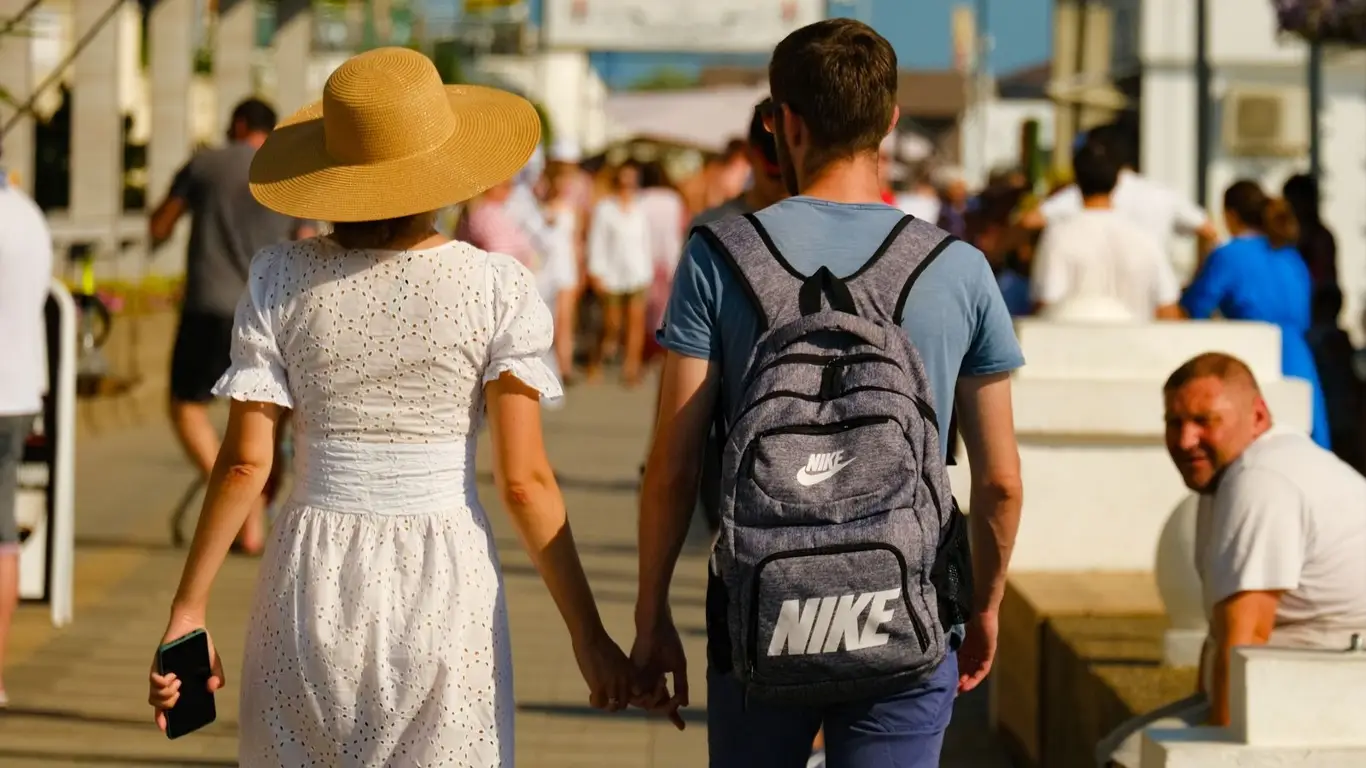
Plotting your route before you step out saves time and stress—and helps you avoid trouble:
— Research neighborhoods. Many cities have areas with higher crime rates that are best avoided, especially after dark. Travel forums, embassy pages and apps like Google Maps and TripAdvisor often include safety notes from other travelers.
— Favor central, tourist areas. You’ll usually see more police and cameras in these districts, and they tend to be safer for newcomers. If you’re alone, stick to familiar routes.
— Be cautious at night. Plan evening routes in advance and skip poorly lit or isolated streets.
— Choose the right time of day. Busier streets lower your odds of encountering crime. Early mornings and late nights can be riskier.
— Ask locals. Hotel staff and residents know their city. Their advice on safe routes is often the most practical guidance you’ll get.
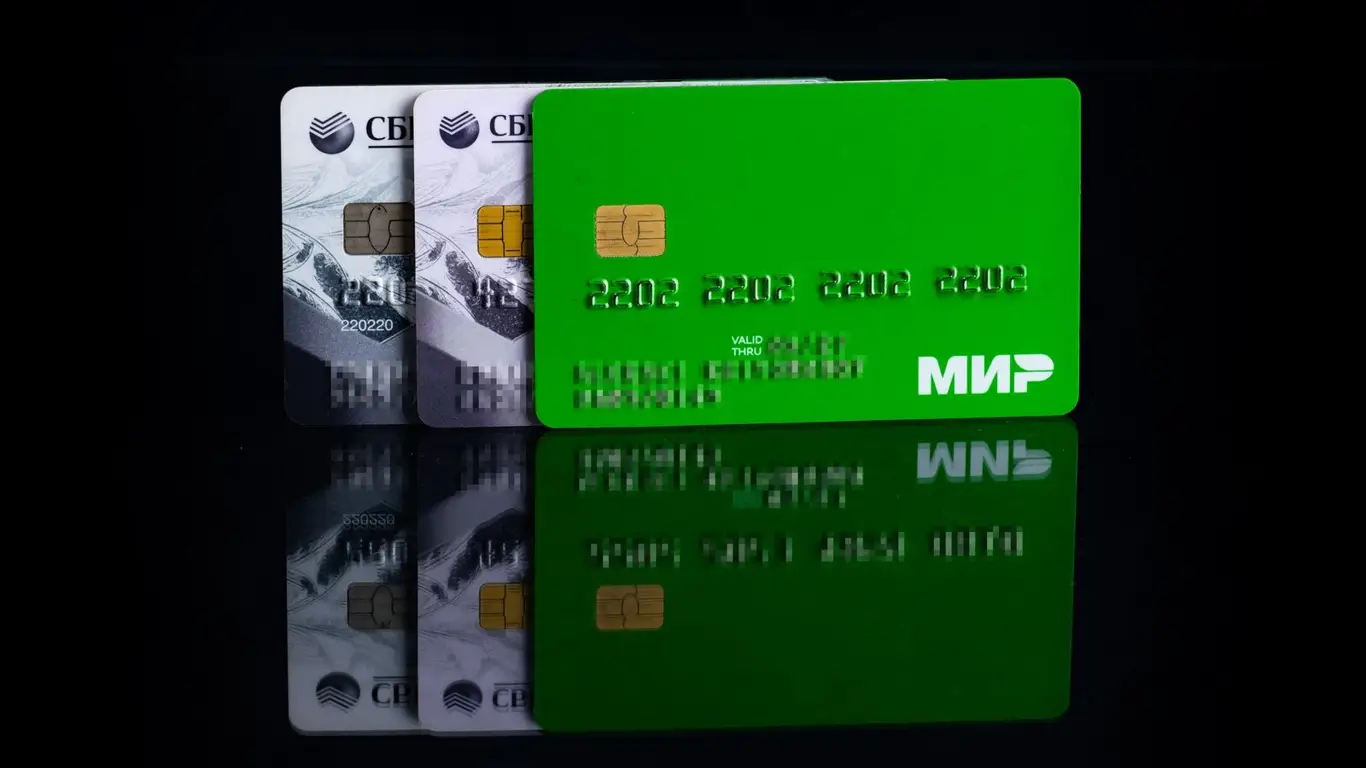
Navigation apps are indispensable—but a few tweaks make them safer to use on the go:
— Download offline maps. You can navigate without mobile data and spend less time with your phone out on the street. Apps like Google Maps and Maps.me let you save areas ahead of time.
— Check routes in safe places. Step into a café, shop or other secure spot to consult your phone. Better yet, plan your route at the hotel before you head out.
— Keep your phone discreet. Smartphones are frequent targets. Use them sparingly in public, or fit a strap case so it’s harder to snatch.
— Use landmarks. Noticing signs and local markers helps you remember routes and look less like a target.
— Choose safe navigation options. Many apps include safety-minded features. Google Maps, for instance, can suggest safer routes that avoid sketchier areas.
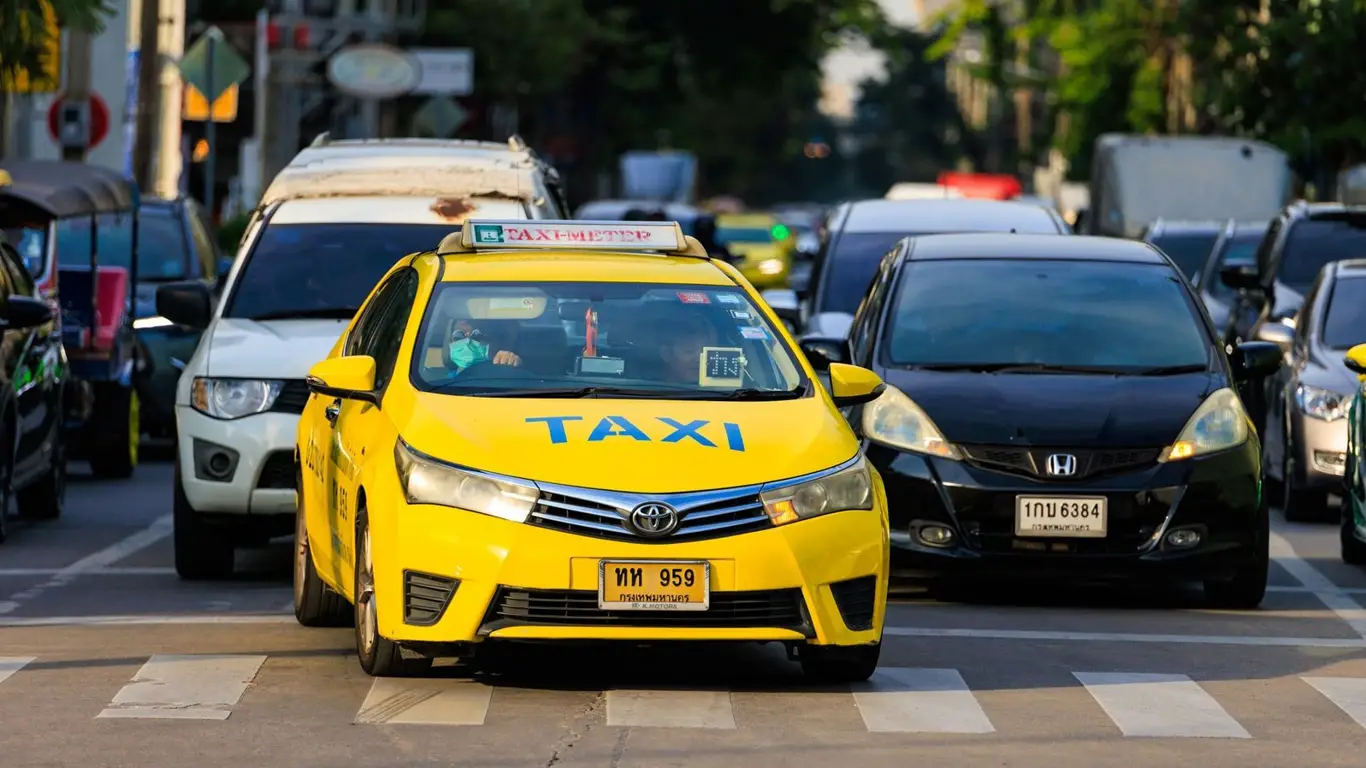
Taxis and ride-hailing apps are often the safest choice, especially at night or in unfamiliar areas—used wisely:
— Stick to official services. Use licensed taxis or apps like Uber, Bolt or Lyft. They’re registered and trackable. Avoid unlicensed drivers waving you down.
— Pre-book for late trips. Arrange rides through an app or taxi service rather than searching on the street, particularly in risky areas or at night.
— Verify the car and driver. Check the plate, make and driver photo in the app before getting in. If it doesn’t match, don’t ride.
— Time public transport right. If you opt for it, travel when it’s busy rather than late at night when it’s emptier and potentially less safe.
— Buy tickets in advance when possible. It prevents delays and reduces the chance of being sold fake tickets.
— Know which options are safer. In some places certain modes are less secure, especially after dark. Learn what locals recommend at your destination.

Respecting the law and local traditions pays off. It prevents misunderstandings—and builds goodwill:
— Learn the basics of local law. Some countries are stricter about behavior, alcohol, drugs or photography.
— Dress appropriately. Where religious norms are important, modest clothing may be expected. For instance, women may be asked to cover shoulders and knees in some Muslim countries, and shoes come off at temple entrances in Thailand.
— Mind cultural etiquette. Small gestures matter. In some places, showing the soles of your feet (Arab countries), using the left hand to pass objects (India) or touching someone’s head (Thailand) can be considered impolite.
— Ask before photographing. Some religious or cultural sites restrict photography. When in doubt—especially with people—seek permission.
— Watch your public behavior. Loud conversations, intense displays of emotion or close physical contact can be frowned upon. Public displays of affection are not welcome in some countries.
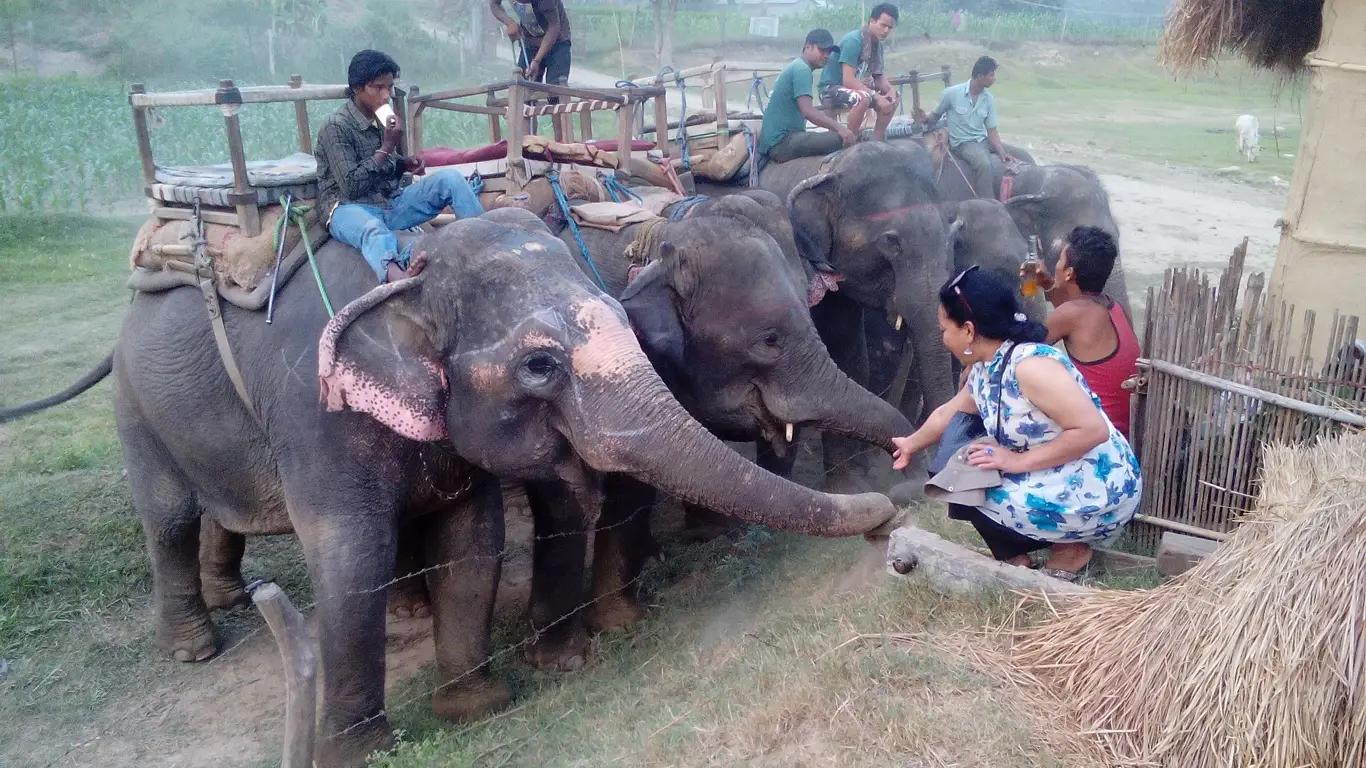
— Keep it courteous. Polite, calm communication defuses most tense moments—even when there’s confusion or a language gap.
— Skip sensitive topics. Politics and religion can be highly charged. Debating them with strangers rarely ends well.
— Don’t judge local norms. Comparing customs through the lens of your own culture can rub people the wrong way.
— Walk away from escalating situations. Sometimes it’s wiser to apologize or yield—even if you’re right—than to let a conflict grow. If needed, ask hotel staff or local authorities for help.
— Take local advice seriously. If residents suggest avoiding certain places or behaviors, that guidance is usually grounded in experience.
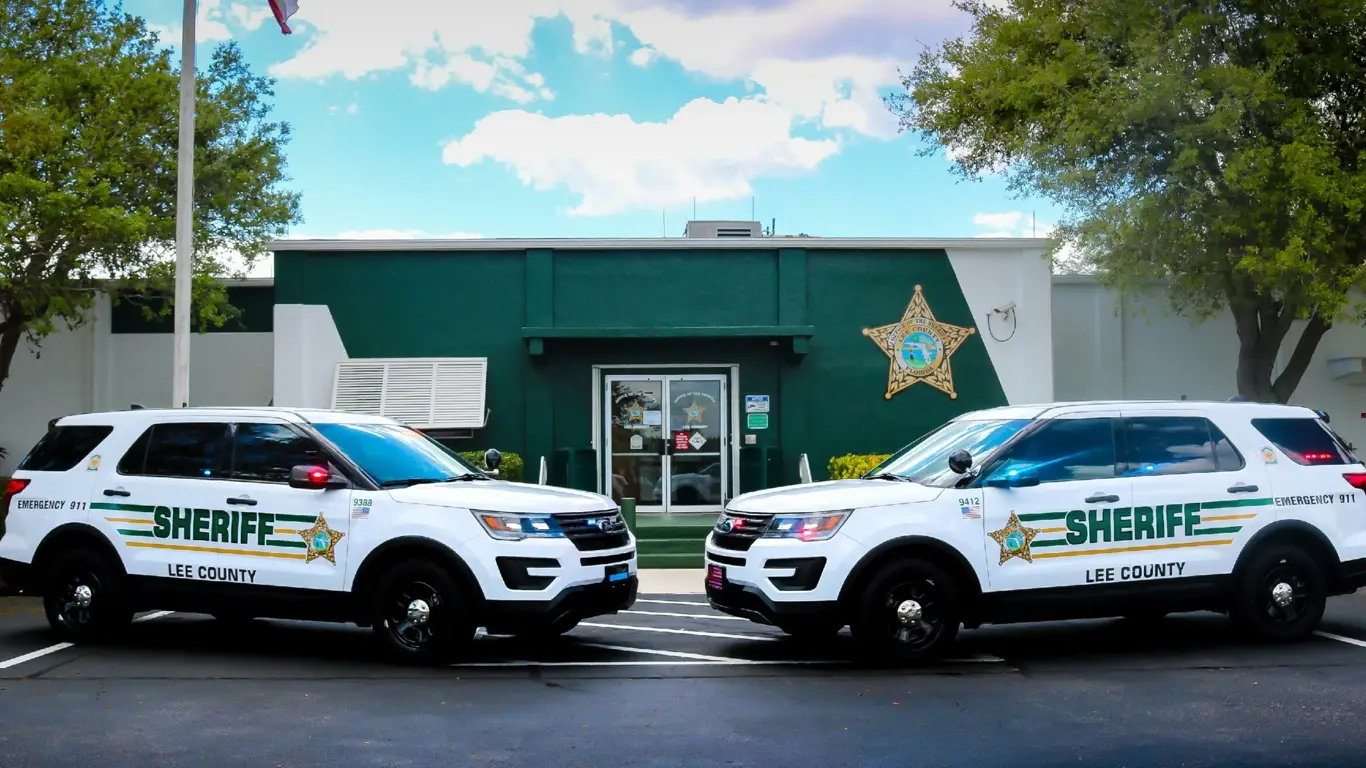
Unexpected situations can happen to anyone. A clear plan makes all the difference. Theft or loss of documents:
— Passport. If your passport is lost or stolen, report it to the nearest police station immediately and get a record of the report—it will be needed for replacement and next steps.
— Contact your embassy or consulate. After filing with the police, reach out to your country’s mission. They can issue an emergency passport or travel document. Having copies of your documents speeds the process.
— Lost bank cards. Block them right away via your banking app or by calling your bank. Many banks offer emergency services for travelers, including card replacement or emergency cash options.
Injury or illness:
— Seek medical care promptly. If you have travel insurance, make sure the clinic or doctor is within the insurer’s network to avoid extra costs.
— Call your insurer. For hospital stays or major treatment, contact the insurance company so they can guide you and confirm coverage. Most have 24/7 assistance.
— Follow medical advice closely. Standards may differ by country, so knowing common procedures in your destination can help you navigate care.
Have key numbers saved: local police and emergency services (some countries use 112 for all services; others have separate numbers for police, ambulance and fire). Embassies and consulates assist citizens in crises—know how to reach the nearest one. Before departure, store your insurer’s contacts and emergency numbers; you’ll need your policy details when you call.
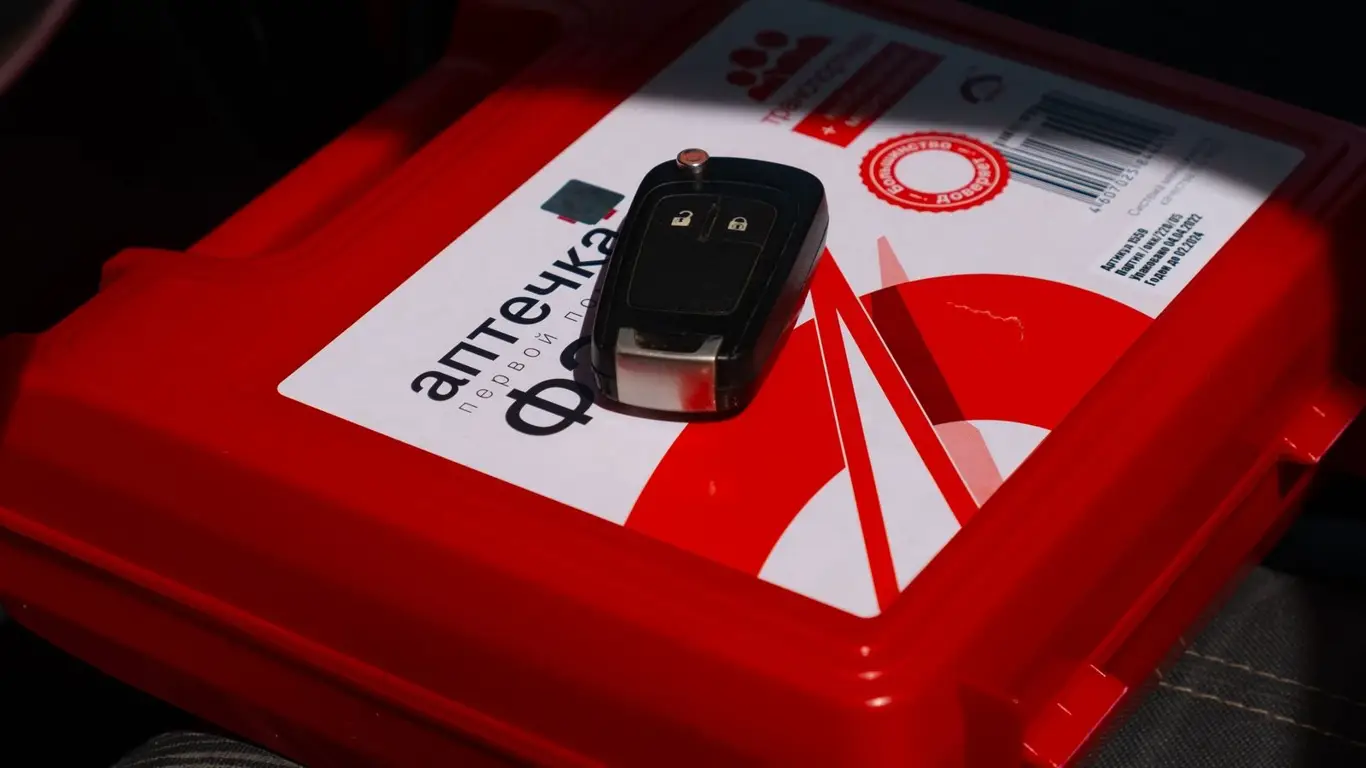
Natural disasters and unrest demand quick, organized action to keep yourself safe:
Natural disasters:
— Know the local risks. Before you go, learn which events are possible—earthquakes, floods, hurricanes—and read local safety advice.
— Follow official instructions. In an emergency, heed guidance from local authorities and rescue services, including evacuation orders. Note the nearest shelters or safe areas ahead of time.
— Keep a small emergency kit. In at-risk areas, have the basics: water, food, a first-aid kit and essential documents.
— Monitor alerts and news. Use local radio, TV or mobile apps. Many countries send public alerts to keep travelers informed.
Civil unrest:
— Avoid gatherings. Protests and mass crowds can turn volatile and lead to clashes.
— Track official updates. Stay connected and follow news and guidance from authorities and embassies.
— Plan an exit. If tensions escalate, know how you would leave safely. Embassies can advise on routes or evacuation options.
— Stay out of local conflicts. Remain neutral and avoid participating in demonstrations or debates if you find yourself nearby.
Travel is a thrill and a privilege: it expands your world, introduces you to new people and brings extraordinary places within reach. To keep it that way, plan ahead, learn local laws and customs, and stay mindful on transport and in everyday interactions. A thoughtful approach on the ground keeps mishaps at bay.
Above all, rely on common sense and awareness. With a few simple habits, you can enjoy your journey without dwelling on worst-case scenarios. Be attentive, respect local norms and keep your cool when surprises arise. That’s when your adventures abroad become unforgettable—and safety remains a steady companion wherever you go.