
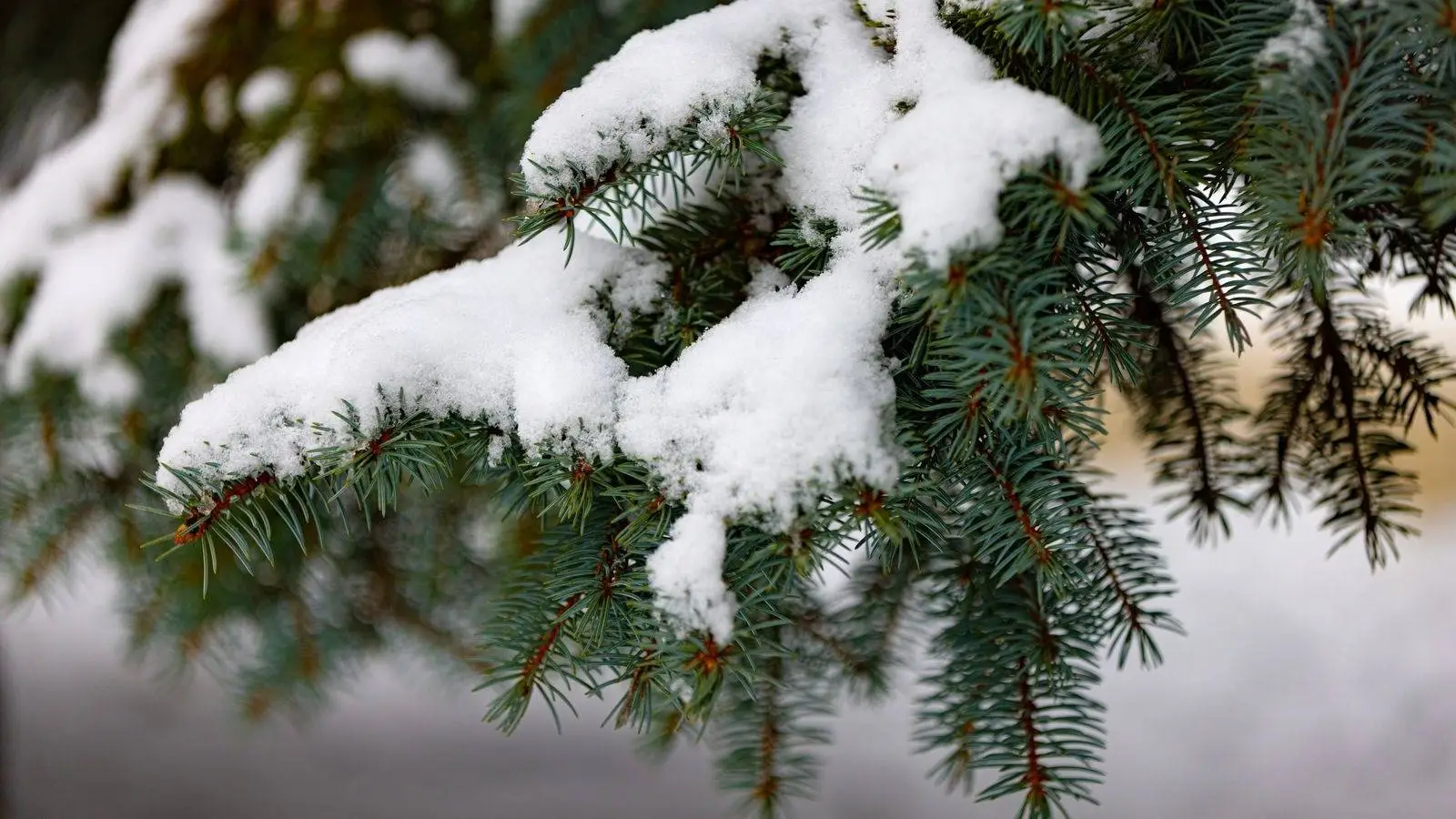
Explore the best winter cities worldwide: Christmas markets, skiing and Northern Lights. Discover Vienna, Prague, Zurich, Reykjavik, New York and more.
Winter is a season of small miracles: cities reinvent themselves, streets glow with lights, and the air smells of hot chocolate and spices. Many travelers choose this time to head out on the road. For some, the perfect break is a cozy Christmas market with unique crafts and traditional dishes; for others, it’s the rush of ski runs and sweeping snowy vistas. Here are cities where winter reveals all its facets—from the romance of historic streets to heart-racing descents framed by grand mountains. Whether you’re after festivals, active pursuits, or peaceful corners of nature, these places are ready to make the season unforgettable.
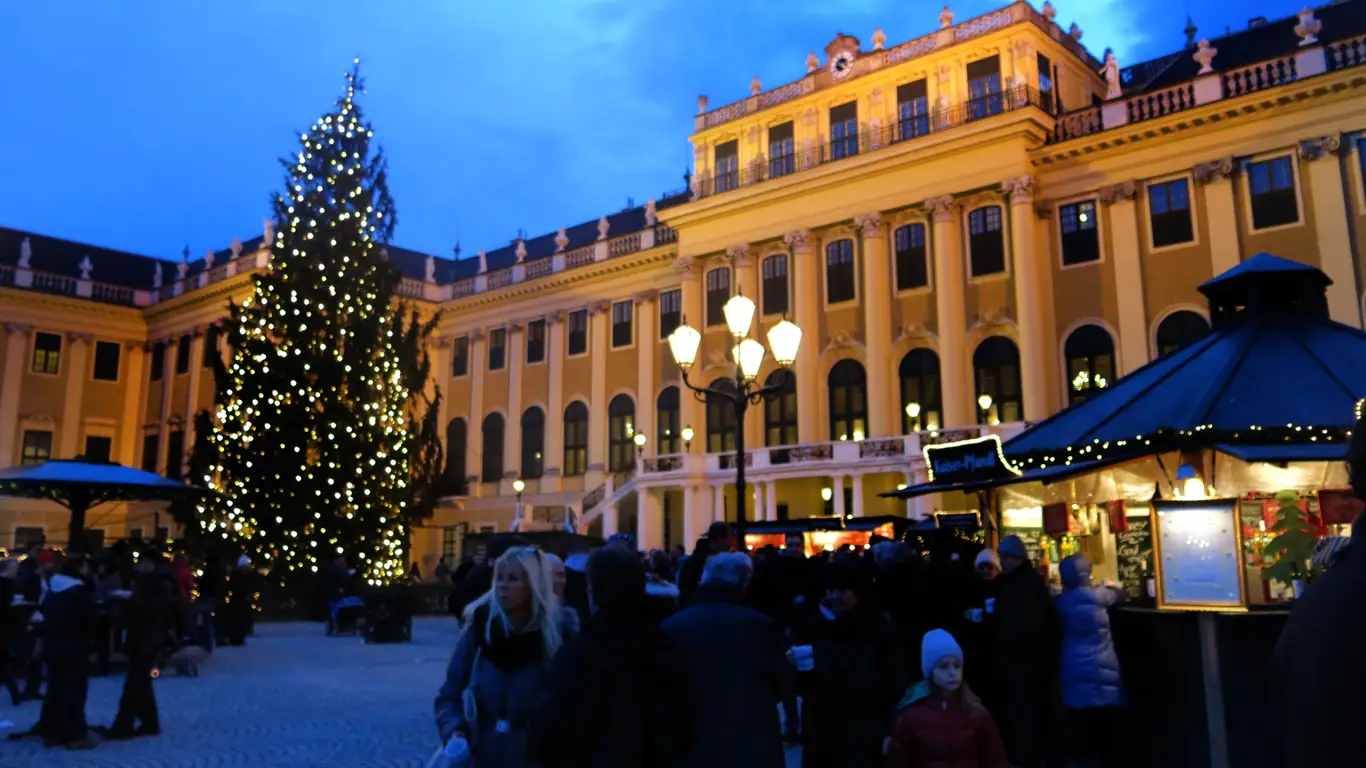
Vienna is one of Europe’s most captivating cities, especially in winter, when the Austrian capital takes on a fairytale glow. Its Christmas markets are legendary, drawing visitors from around the world. The main ones spread out in front of City Hall (Rathausplatz) and at Schönbrunn Palace—perfect spots to warm up with mulled wine, sample classic Austrian treats, and pick up handcrafted gifts.
But winter in Vienna is also about culture. It’s the season of grand balls, opera, and classical concerts in the opulent Vienna State Opera and the Golden Hall of the Musikverein. Immersing yourself in the city’s musical traditions feels even richer when snow falls outside.
A slow stroll through the UNESCO-listed historic center is irresistible. Icons like St. Stephen’s Cathedral and the Hofburg look even more stately framed by snow and festive lights. Those craving movement can take to the ice: popular rinks set up by City Hall and the Belvedere Palace offer skating with postcard views.
For anyone seeking the spirit of a classic European Christmas, timeless art, and an indulgent sense of comfort, Vienna delivers it in style.
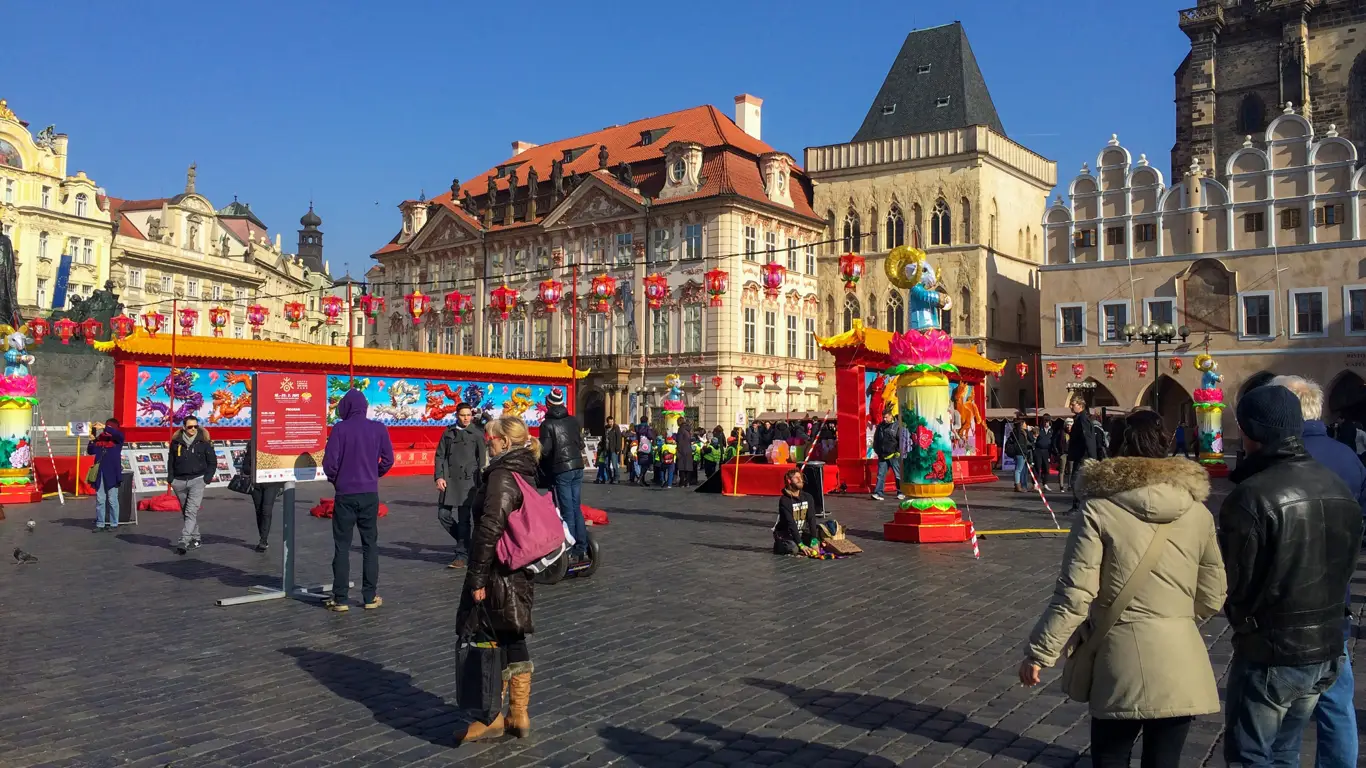
Prague is among Europe’s most beautiful, romantic capitals. In winter, medieval lanes and Gothic facades wear a dusting of snow while the city leans into a celebratory mood—it suits Prague, and Prague returns the favor.
The headline act is its Christmas markets, especially on Old Town Square. With the Church of Our Lady before Týn and the ancient Astronomical Clock for a backdrop, it’s a place to try trdelník, grilled sausages, and hot honey drinks. Nearby Wenceslas Square hosts another well-loved market with its own lively rhythm.
Snow turns Prague into a living postcard. The views over Charles Bridge, the Vltava, and Prague Castle—rooftops white and streets twinkling—are hard to leave behind. After dusk, the Little Quarter’s narrow lanes shine particularly bright.
Culture-lovers have plenty to savor: opera and ballet at the National Theatre, and seasonal concerts in historic churches. A visit up to Prague Castle and the soaring St. Vitus Cathedral is especially striking this time of year.
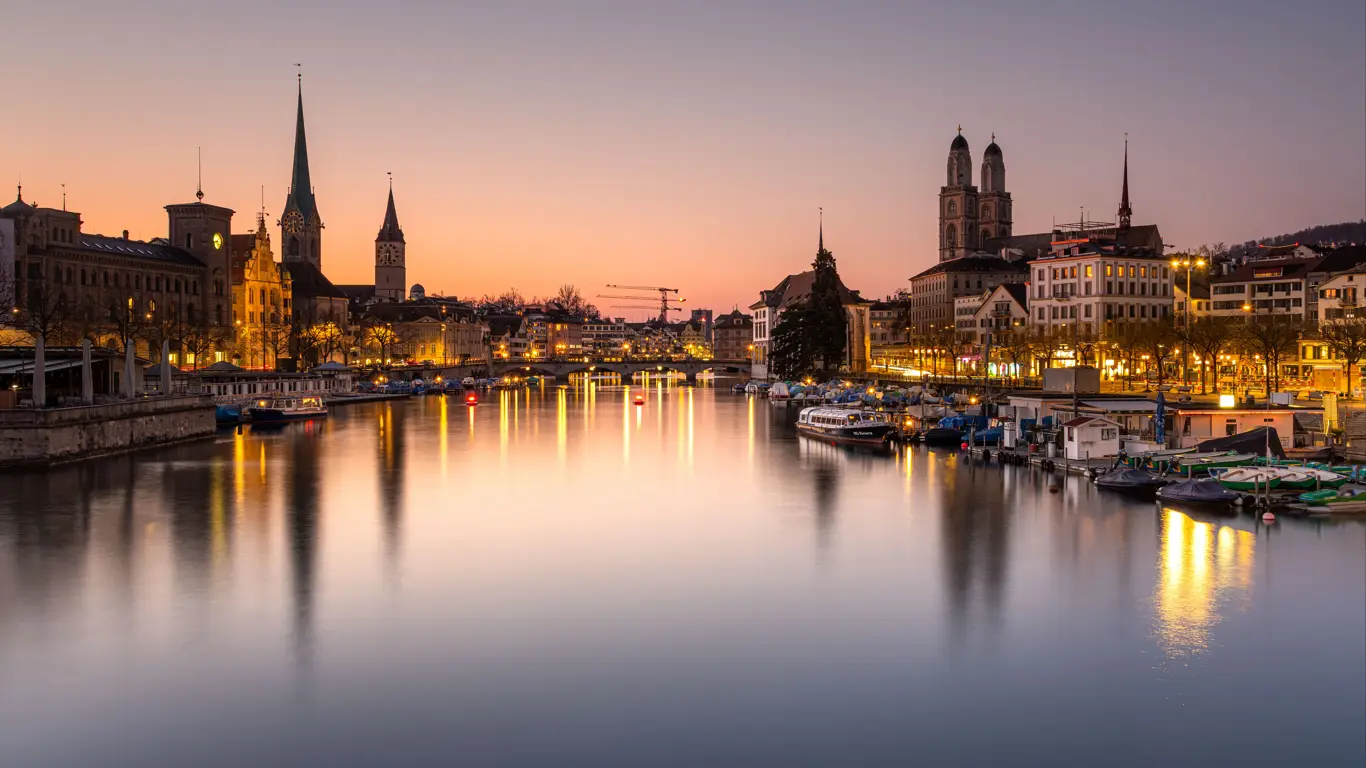
Zurich blends the warmth of a compact European city with front-row access to the Alps. Come winter, it turns festive: markets, ice rinks, and cafés serving hot chocolate and mulled wine set the tone.
The Central Station market stands out for its giant Christmas tree sparkling with thousands of Swarovski crystals. Markets pop up across the city—from the Old Town (Niederdorf) to Bellevue—where fondue, raclette, and handcrafted gifts take center stage.
Snowy rooftops, medieval churches, tight-knit lanes, and the Limmat’s calm flow make simple walks a joy. The lake promenade and hilltop viewpoints reward with wide sweeps of the city and, on the horizon, the snow-dusted Alps.
Zurich is also a launchpad for alpine escapes. Within about an hour, you can reach big-name resorts like Davos and St. Moritz for skiing, snowboarding, or serene winter hikes.
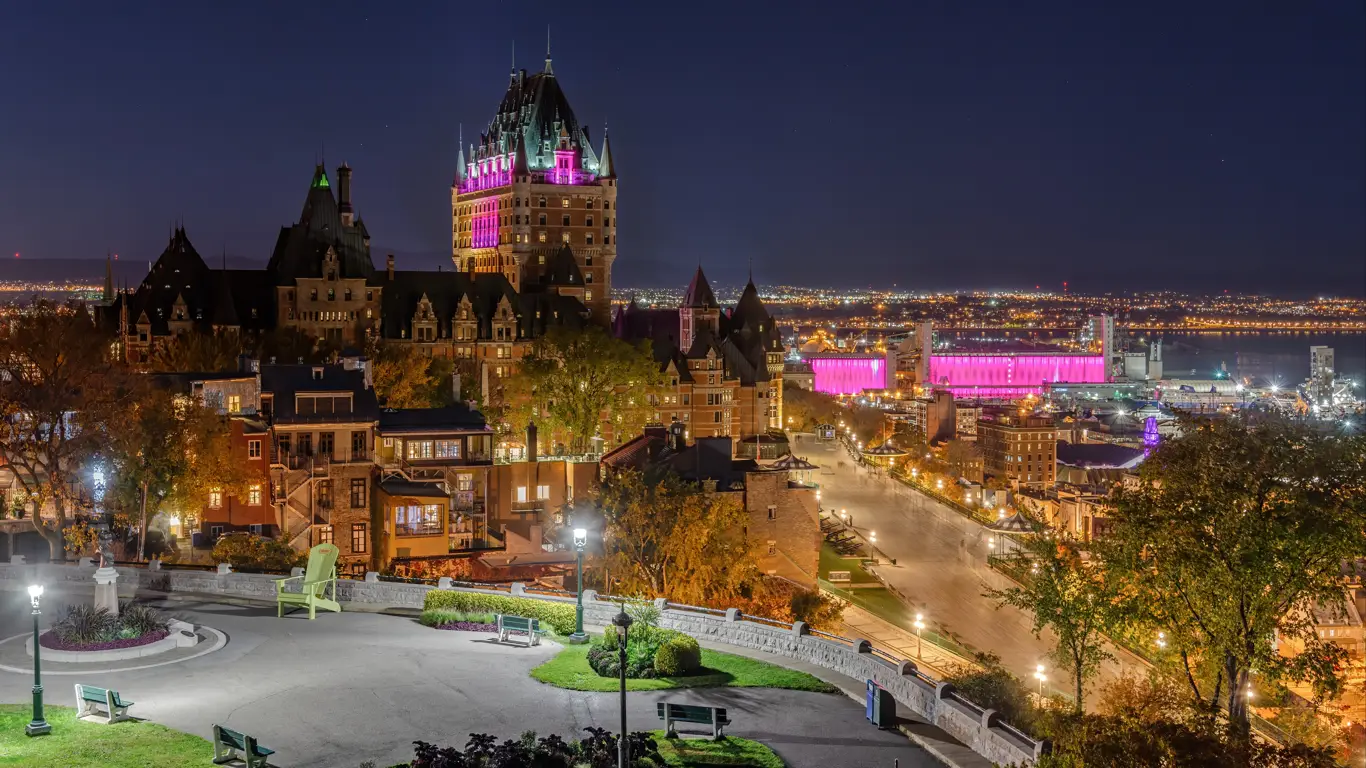
One of North America’s oldest cities, Quebec turns into a winter wonder with cobbled lanes, icy castles, and a deep roster of cold-weather fun. It has a charm that doesn’t try too hard—because it doesn’t need to.
The star attraction is the Winter Carnival, billed as the largest winter festival in the world. Held in January and February, it turns the city into a party hub: canoe races on the frozen St. Lawrence, a giant ice palace, parades, contests, and the ever-present mascot Bonhomme to set the mood.
Old Quebec looks especially magical under snow: narrow streets, centuries-old buildings, and the mighty fortifications feel like a storybook. The Château Frontenac dominates the skyline; in winter, a rink sets up below, with sweeping views across a white cityscape.
Active travelers can dive into parks and trails for skiing, snowboarding, dog sledding, or snowshoeing. Jacques-Cartier National Park is a favorite for rugged valleys and forests draped in winter.
Food-wise, Quebec knows how to warm you up: tourtière, maple treats, and hot chocolate in snug restaurants make frosty days feel short and cozy.
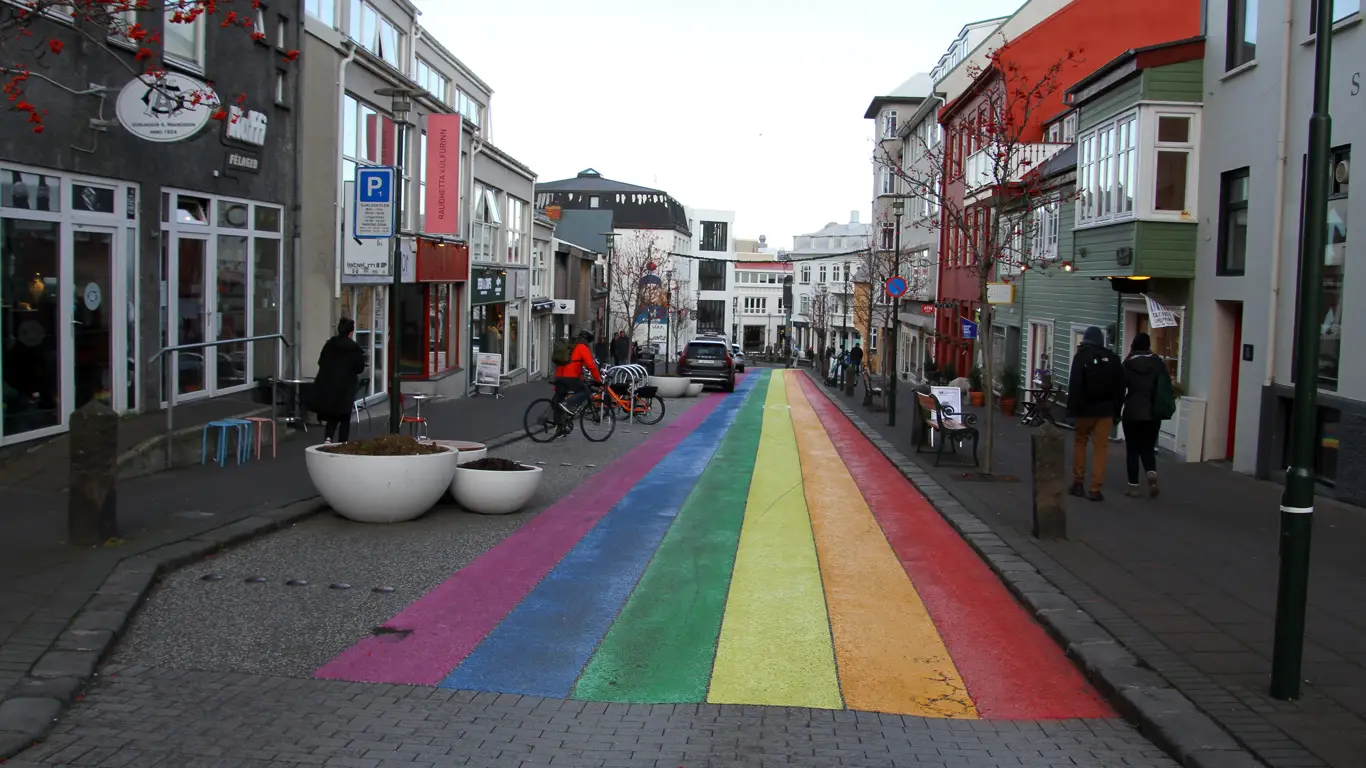
Iceland’s capital pairs stark northern beauty with the ease of a small city and a set of winter experiences you don’t find elsewhere. Reykjavik becomes a gateway to nights lit by the aurora and days soaking in hot water with snow and lava fields as the backdrop.
Many visitors come for the Northern Lights. Away from city glow—on the outskirts or nearby peninsulas—chances improve, and winter offers the best odds to see green and violet ribbons of light ripple across the sky.
Then there’s the geothermal ritual. The Blue Lagoon is the headline act: a warm mineral pool, steam, lava, and cold air—a pairing that stays with you. Within the city, public geothermal pools offer the same lovely contrast: a brisk walk followed by a long, hot soak.
Reykjavik is also the starting point for the Golden Circle, where even in winter you can see Gullfoss, the active Strokkur geyser, and Þingvellir National Park, where tectonic plates meet. Snow makes the landscapes feel even more dramatic.
Festive markets add local color in December, and the area serves up dog-sledding, ice-cave tours, and snowmobile trips—ways to lean fully into Iceland’s raw winter beauty.
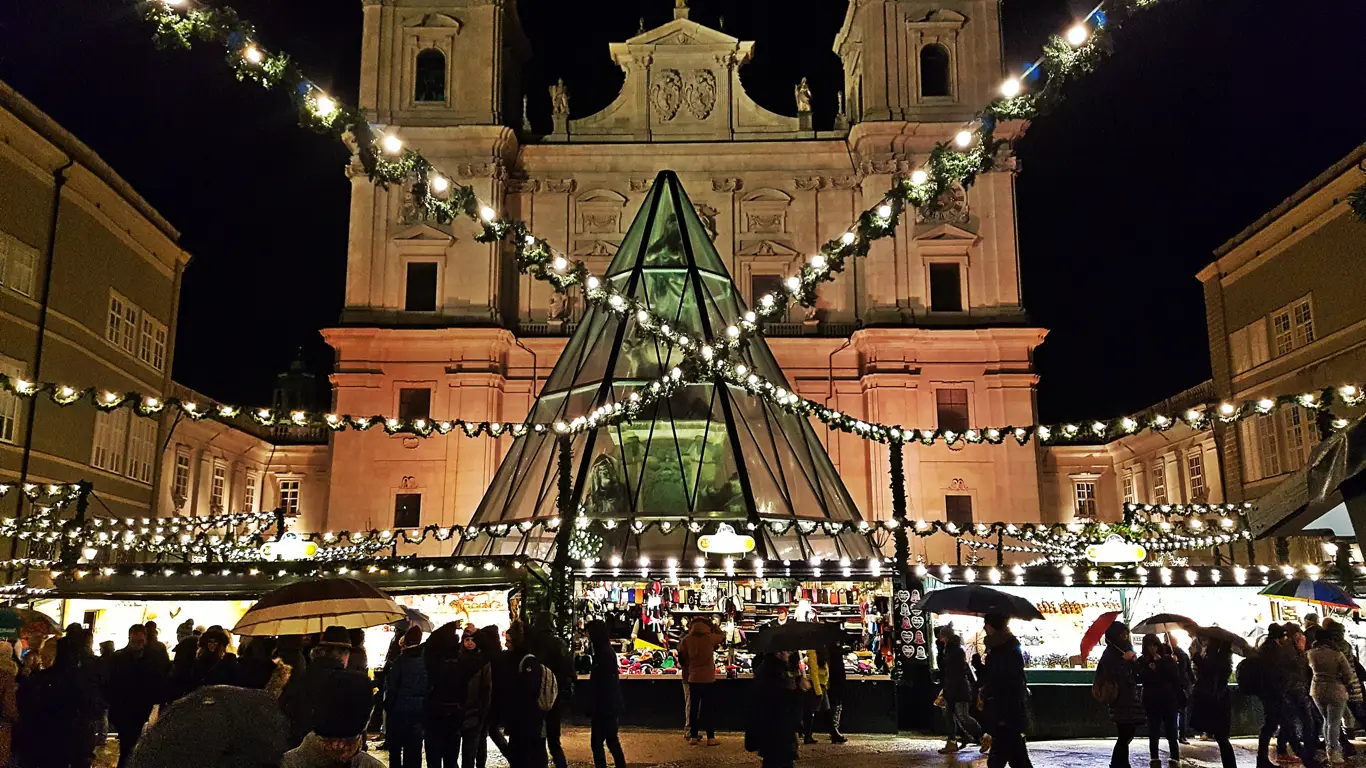
Nestled in the Alpine foothills, Salzburg is winter at its most festive. History, music, and mountains meet here—an easy city to love when the nights are long and the lights go up.
Christmas markets on Domplatz and Residenzplatz, with roots in the 15th century, set the scene: baroque churches, glowing lanes, strudel, spiced cookies, mulled wine, and artisans’ work. After dark, the markets turn especially atmospheric with music and lights weaving through the Old Town.
Music is everywhere—this is Mozart’s birthplace, after all. Winter brings a full calendar of classical concerts, including in venues connected to his life and work. As Christmas approaches, performances in historic churches deepen the mood.
High above, Hohensalzburg Fortress, snow-tipped and imposing, rewards with sweeping views of the Alps and the city sparkling like a holiday card.
And for skiing, iconic resorts like Zell am See and Saalbach-Hinterglemm are within easy reach for a day on the slopes or a walk along snowy trails. Sometimes the best après is simply a mountain hut with a view.
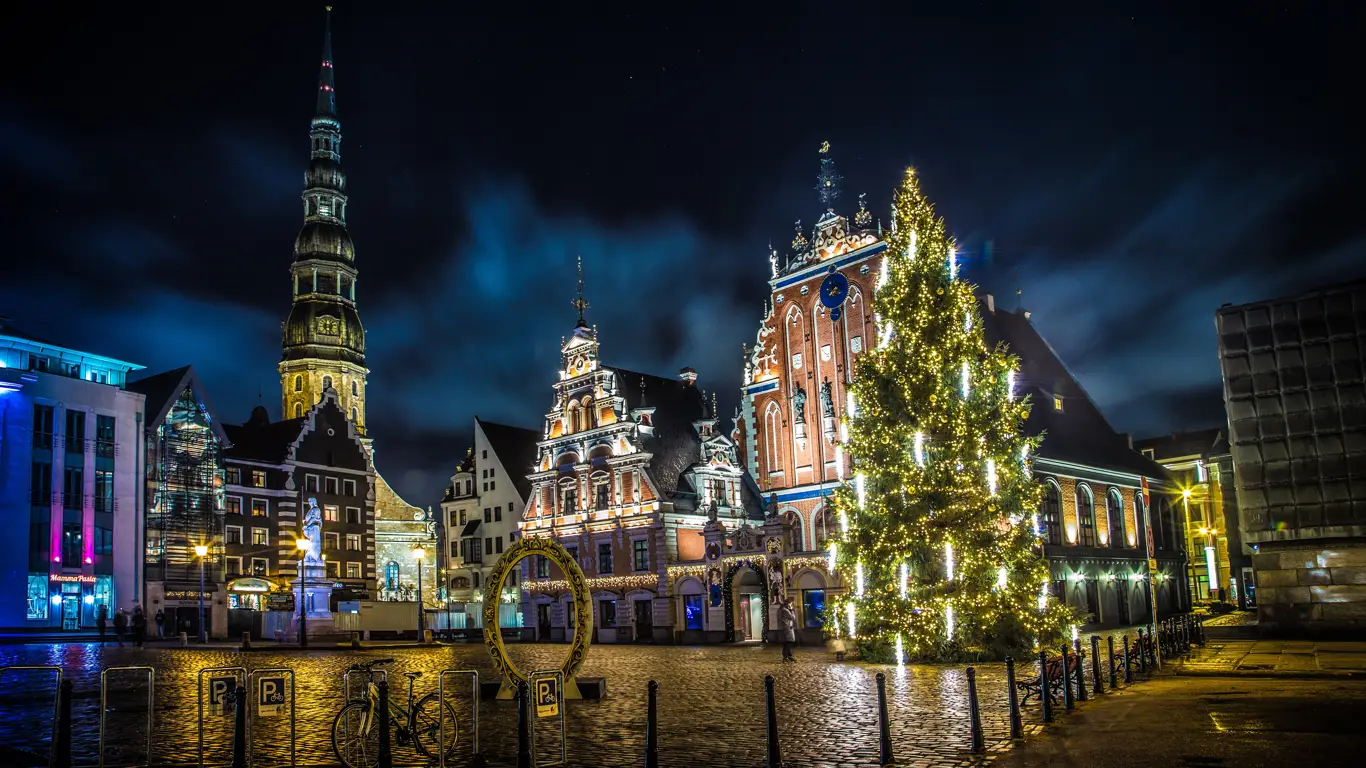
Tallinn’s medieval core shines in winter, when snow softens the edges and holiday lights do the rest. Few cities wear their history as beautifully as this one—especially when the temperature dips.
The Christmas market on Town Hall Square is the heart of it all. With the Gothic Town Hall as a backdrop, expect hearty Estonian fare—hot sausages, blood pudding, spiced drinks—and a towering tree, a tradition dating back to the 15th century. Music, lights, and events fill the evenings with easy cheer.
The Old Town, a UNESCO World Heritage site, becomes an open-air museum under snow: stone towers, walls, and gates leading to viewpoints like Toompea Hill, where the city spreads beneath you in perfect winter frames.
Skating on Harjumägi brings the Old Town’s towers into view, while parks around the city offer groomed ski tracks and quiet winter walks through forests and by frozen lakes.
Short days and long, cozy evenings fit Tallinn. Local cafés and restaurants serve warming dishes—venison soup, potato cakes, and hot honey- or cranberry-based drinks—made for thawing out by the fire.
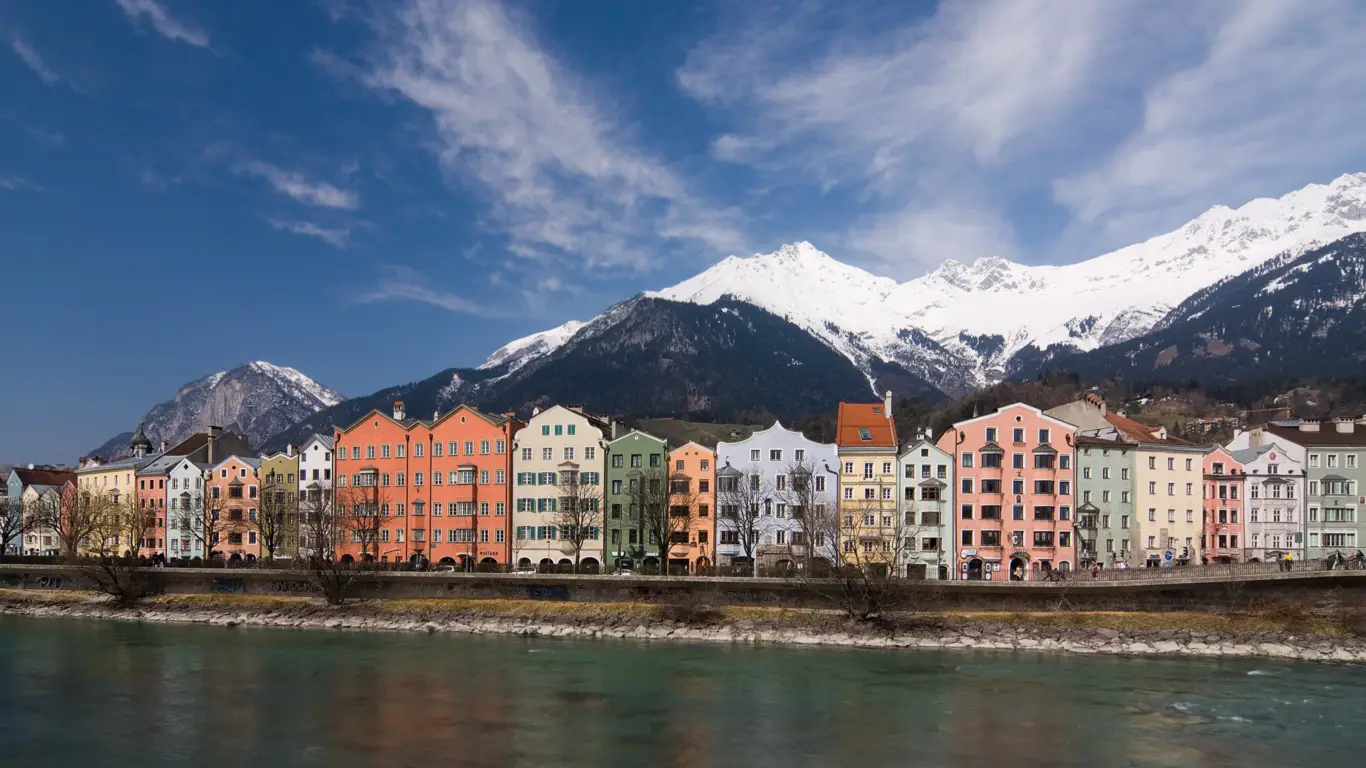
The Tyrolean capital is winter distilled: culture, alpine scenery, and top-tier sports in one compact city. Ringed by snowy peaks visible from almost everywhere, Innsbruck has twice hosted the Winter Olympics—its credentials speak for themselves.
Close-by resorts make it easy to mix urban life with mountain days. Favorites include Patscherkofel, Axamer Lizum, and the Stubai Glacier, where skiing stretches well into spring.
In town, Christmas markets set up shop against a historic backdrop. The main market by the Golden Roof is a highlight, with Tyrolean delicacies, mulled wine, sweets, and plenty of handcrafted finds. Markets on Maria-Theresien-Strasse and in Wilten add even more warmth.
Winter walks through the Old Town pass the Imperial Palace and Hofkirche—layered proof of a long, rich history. A cable car whisks you from the center to Hafelekar for uncompromising views over the city and the surrounding Alps.
Museums and galleries, including the Tyrolean State Museum and the Museum of Folk Art, round out the cultural picture. Snowshoeing, skating, and traditional sleigh rides are close at hand—and after, a mountain chalet and a view do the rest.
The season is also an invitation to taste Tyrolean cooking: käsespätzle, gröstl, and kaiserschmarrn are winter staples that feel made for cold days.
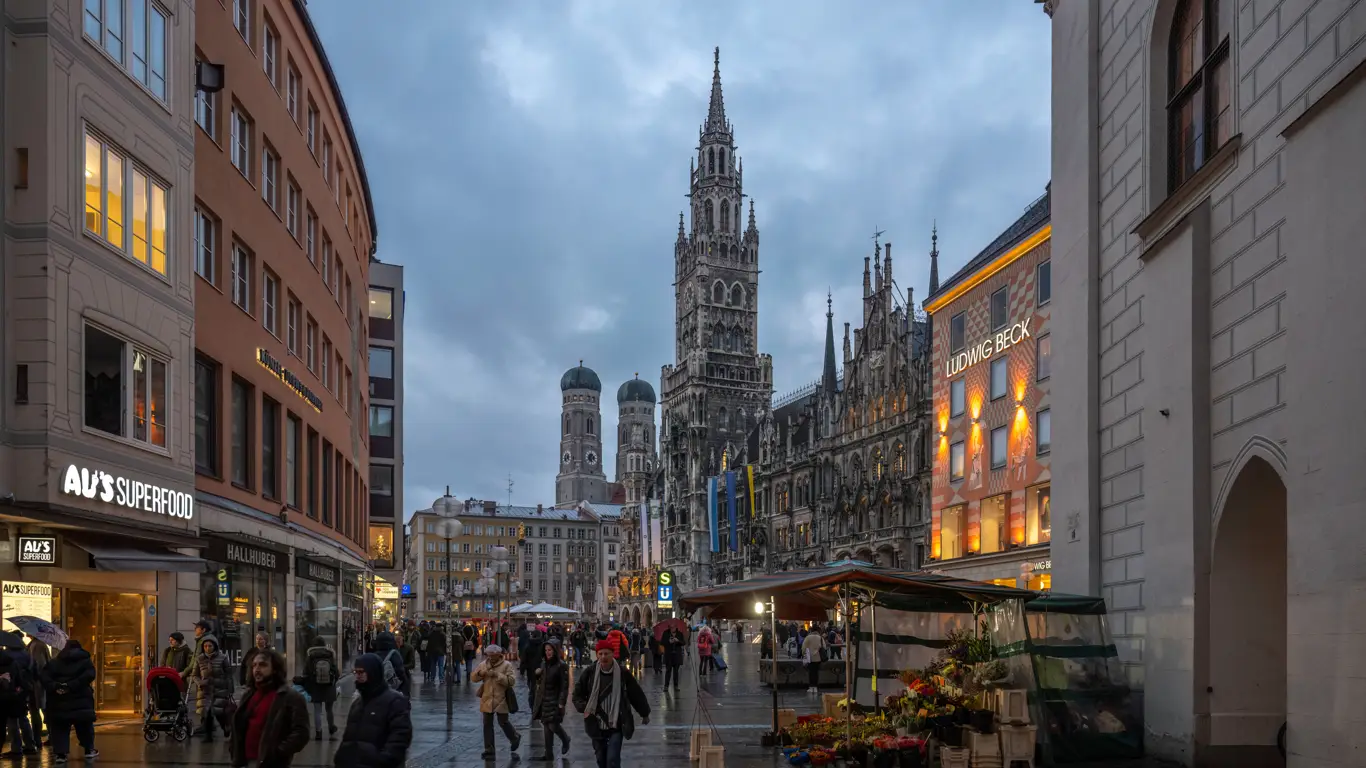
Bavaria’s capital balances a festive mood with heavyweight culture—an easy recommendation for a winter escape. Snow-dusted parks, markets, rinks, and hearty cooking set a scene that feels both lively and snug.
The marquee market fills Marienplatz beneath the neo-Gothic Town Hall: mulled wine, hot sausages, fresh gingerbread, and traditional crafts all in one place. Beyond the main square, the Old Munich market on Weißenburgplatz and a Medieval market add their own flavors.
Winter is also time to linger indoors: the Residenz, former home of Bavarian kings; the Alte and Neue Pinakothek, with European masterpieces; and evenings at the opera or Gärtnerplatztheater make cold days a plus.
For skiers and boarders, the Bavarian Alps are a quick escape—resorts like Garmisch-Partenkirchen and Tegernsee are within easy reach. In the city, rinks like the one at Karlsplatz (Stachus) keep the blades moving.
And when it’s time to refuel, Munich’s beer halls and restaurants deliver: sausages, sauerkraut, pork knuckle, seasonal game, roast duck, strudel, and a warming kaiserschmarrn for dessert.
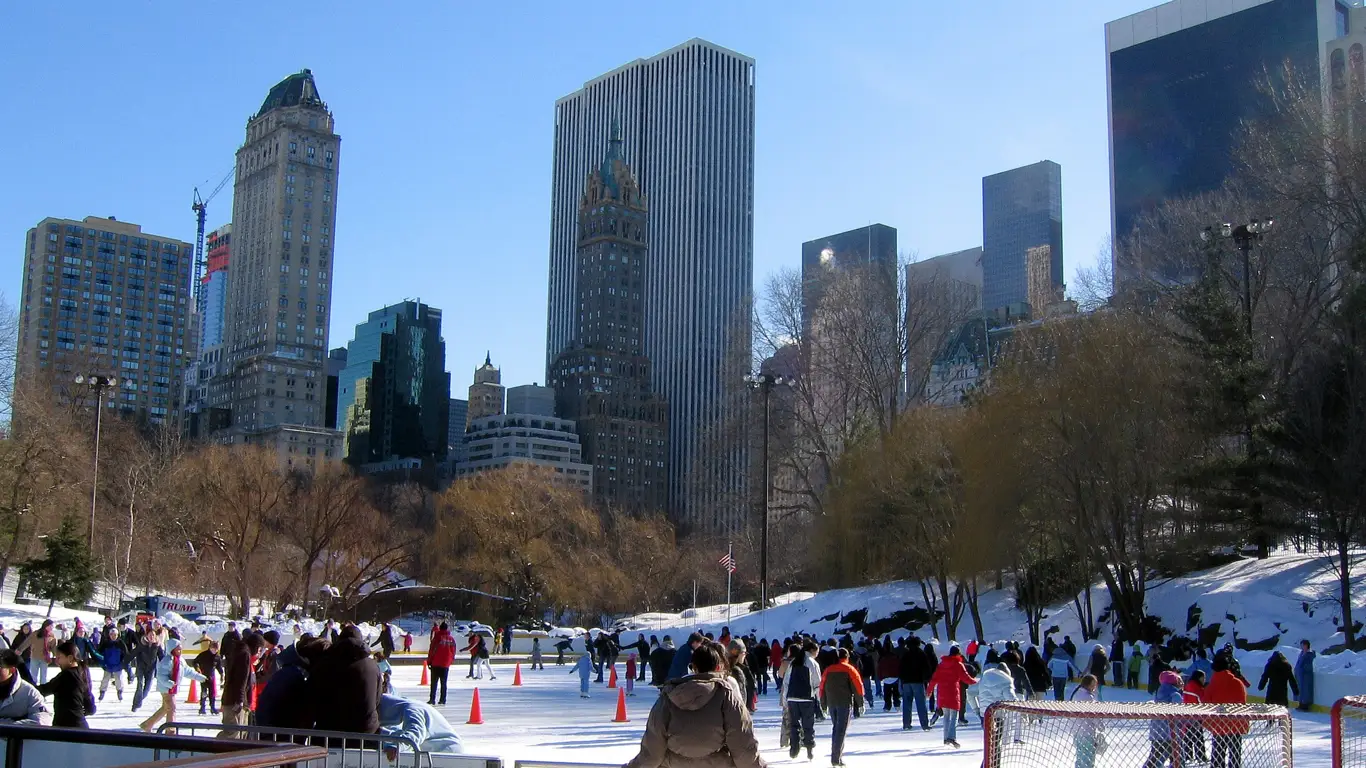
New York does winter big: city lights, cultural overload, and classic seasonal rituals that keep drawing crowds. The scale is grand, but the details—shop windows, rink music, steam curling from street grates—seal the mood.
The ice rink at Rockefeller Center, beneath the giant Christmas tree, is an icon and a must for many visitors. In Central Park, Wollman Rink offers sweeping views of Midtown towers and the park’s trees, picture-perfect on a snowy day.
Holiday markets are part of the tradition: Union Square’s market is a go-to for handmade gifts and hot drinks, while Columbus Circle and Bryant Park’s Winter Village pair shopping with skating and café breaks.
For shoppers, Fifth Avenue’s window displays become a seasonal show in their own right—department stores like Saks Fifth Avenue, Bergdorf Goodman, and Macy’s go all-in. Macy’s on Herald Square also stages a beloved holiday event that families make a date with year after year.
Central Park in winter is its own kind of quiet. Sledding hills, arched bridges, and frozen ponds offer a slower pace within the city’s roar—proof that New York can be both grand and intimate in the same afternoon.
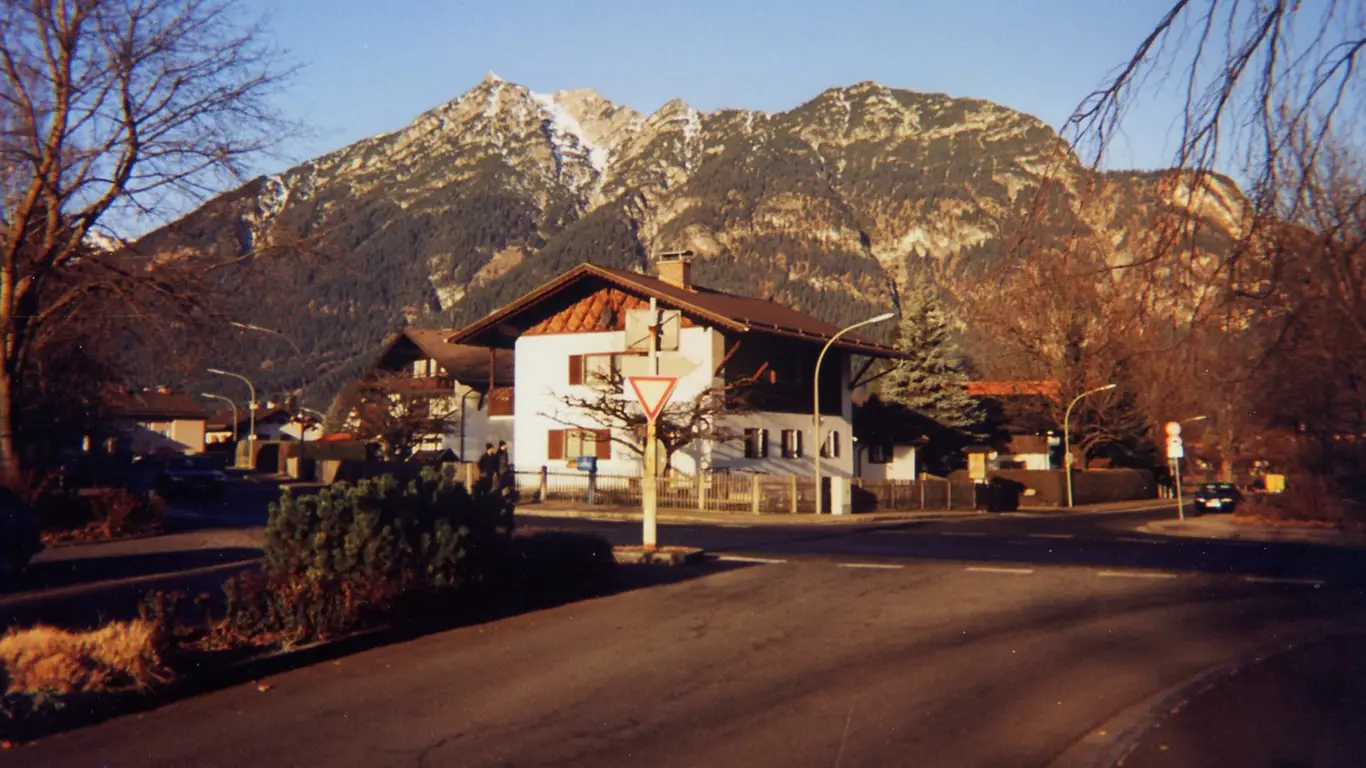
At the foot of the Alps in southern Bavaria, Garmisch-Partenkirchen melds two historic towns into one standout ski destination. Traditional facades and modern comfort make it a favorite for winter sports fans.
There are more than 60 kilometers of pistes for every level. Germany’s highest mountain, the Zugspitze (2,962 m), supplies big views across the Alps and into neighboring countries. Skiers split time between the Zugspitze and the Garmisch Classic area, each with its own personality.
Beyond alpine skiing, expect strong snowboarding, sledding, cross-country trails, and winter hiking. Freeride zones and snow parks add extra adrenaline. After a day out, thermal pools and spas—like Alpspitz-Wellenbad—offer saunas, massages, and warm-water downtime.
The town keeps its Bavarian soul: half-timbered houses, old lanes in Partenkirchen with roots going back to Roman times, and local festivals that carry tradition forward.
Accommodation ranges from high-end hotels to snug chalets, with restaurants covering Bavarian staples and international menus. Rail links to Munich and beyond make arrivals and day trips easy.
For anyone chasing a blend of active days, alpine scenery, and Bavarian atmosphere, Garmisch-Partenkirchen fits the brief.
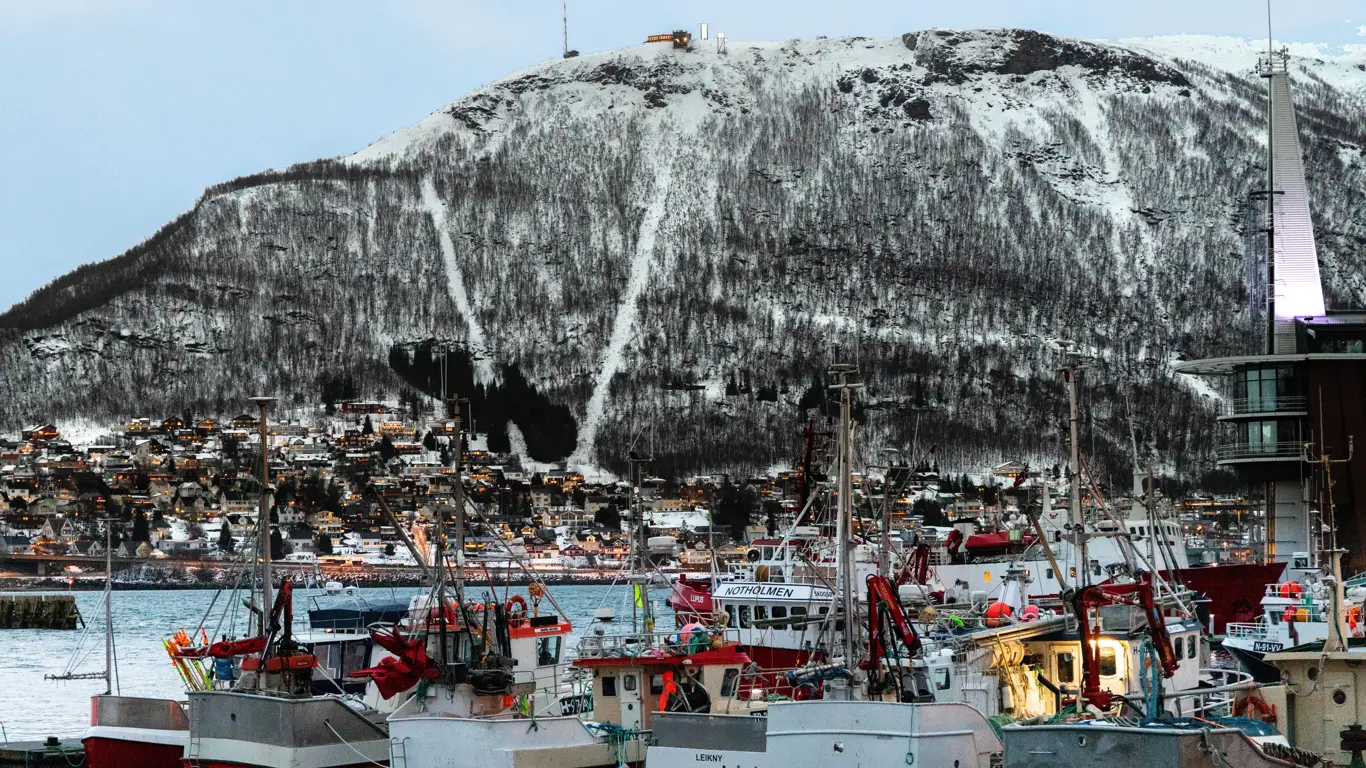
North of the Arctic Circle, Tromsø earns its “Gateway to the Arctic” nickname with polar wonders and a rich cultural scene. It’s hard to beat if you’re after the full northern experience.
Clear skies and long winter nights make Tromsø one of the world’s best places to watch the Northern Lights. Many tours head beyond the city to minimize light pollution and boost the spectacle.
There’s no shortage of winter adventures: husky safaris through snowbound landscapes, snowmobile tours for a shot of speed, and whale watching to spot orcas and humpbacks along the coast.
Polar night settles in for weeks, but the blue light that lingers gives everything a surreal glow—ideal for hikes and ski trips in the surrounding hills.
The city digs into Arctic culture with the Polar Museum and the Tromsø Museum, which explores Sámi life. The Arctic Cathedral has become a local landmark, striking and memorable.
January brings the Tromsø International Film Festival, one of the world’s northernmost, and the Northern Lights Festival devoted to music and the arts. Cross-country skiing and snowshoeing are easy ways to explore the city’s quieter corners.
Tromsø blends Arctic beauty, active pursuits, and a deep sense of place—winter here tends to linger in memory.
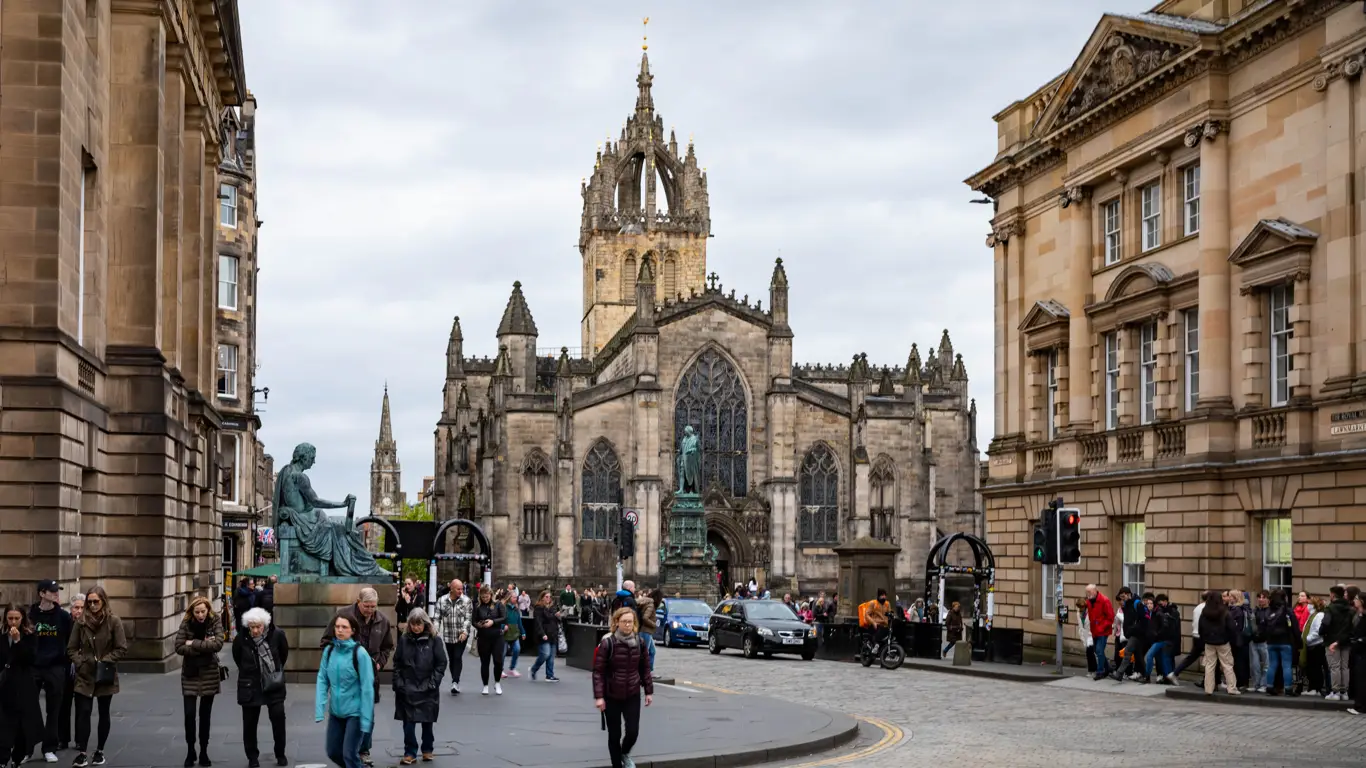
Edinburgh turns wonderfully theatrical in winter: historic bones, warm pubs, and big seasonal events give the city a glow that feels both old and new.
The Edinburgh Christmas Festival fills the center with lights, markets, rides, and an open-air rink—among the UK’s brightest holiday celebrations. Hogmanay, Scotland’s famed New Year, unfolds with torchlight processions, outdoor concerts, and fireworks over Edinburgh Castle.
The city’s architecture looks made for winter. The castle on its crag takes on a storybook quality under snow. The Royal Mile glows at night with holiday lights. There’s time, too, to wander around the castle, visit the Palace of Holyroodhouse, or climb Arthur’s Seat for sweeping views over the rooftops.
Christmas markets by Princes Street mix handcrafted goods and local specialties—mulled wine and haggis among them—with skating nearby. Shoppers can hunt for tartan, cashmere, and whisky across the city’s boutiques.
For outdoor time, Arthur’s Seat and Calton Hill make strong winter walks, and the Pentland Hills just outside the city are a draw for cross-country skiing and hikes when conditions allow.
Dark evenings deepen the appeal of ghost tours through historic streets and underground closes—Edinburgh’s legends feel especially alive in winter.
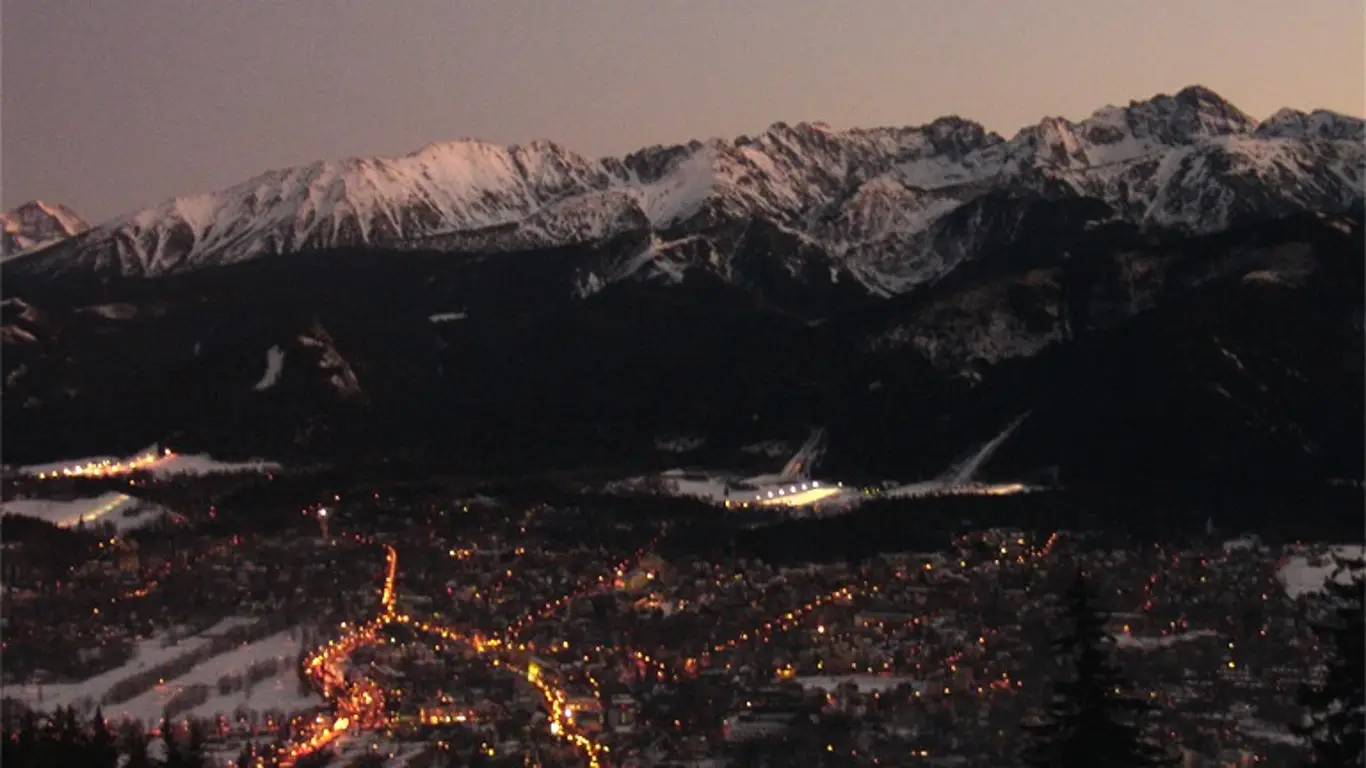
At the foot of the Tatra Mountains, Zakopane is Poland’s winter capital—beloved for mountain sports, snowbound scenery, and highland culture.
The ski scene fits all levels. Kasprowy Wierch is the headline area, with strong pistes and modern infrastructure. Gubałówka and Nosal are also popular, with views that make even a short run feel special. Snow parks serve boarders and freestyle fans.
Trails across the Tatras invite winter hikes, mountaineering, and snowmobile outings. One of the most beloved routes leads to Morskie Oko, a stunning lake encircled by peaks—especially striking when winter seals everything in white.
Zakopane’s distinctive wooden architecture—known as the Zakopane Style—shapes the town’s character. Carved details and steep roofs look made for snow. The city also champions highlander (Góral) traditions with folklore festivals, dances, and music that bring the region’s identity into focus.
Holiday lights, seasonal markets, and classic Polish comfort food set a festive tone on Krupówki, the main street. Expect handcrafted souvenirs, woolens, and warming bites—oscypek (smoked mountain cheese), mulled wine, and sweets.
Nearby thermal complexes in Bukowina Tatrzańska and Chochołów add an indulgent note to any ski day—hot pools with mountain views, saunas, and spa corners ideal for a slow evening.
Zakopane also hosts international ski jumping competitions at the Wielka Krokiew hill, drawing big crowds and lending the town a lively sporting buzz. Sledding, cross-country trails, and ice rinks round out the winter menu.
It’s a romantic destination, too: narrow lanes, wooden chalets, snowy peaks, and calm streets suit unhurried days for two. In short, Zakopane blends action, tradition, and mountain beauty into a winter escape that sticks with you.