
Explore iconic Russian film locations from Moscow and St. Petersburg to Crimea, Altai and Sochi. Landmarks and tips to visit the sets behind beloved movies.
Many Russian films are shot in striking, one‑of‑a‑kind locations that become inseparable from their mood. These settings often draw travelers eager to stand where favorite scenes once unfolded. From grand city boulevards to quiet rural backdrops, each set leaves its own imprint. Here is a tour of famous places across Russia where popular films were made—and that you can still visit for a little cinematic adventure.
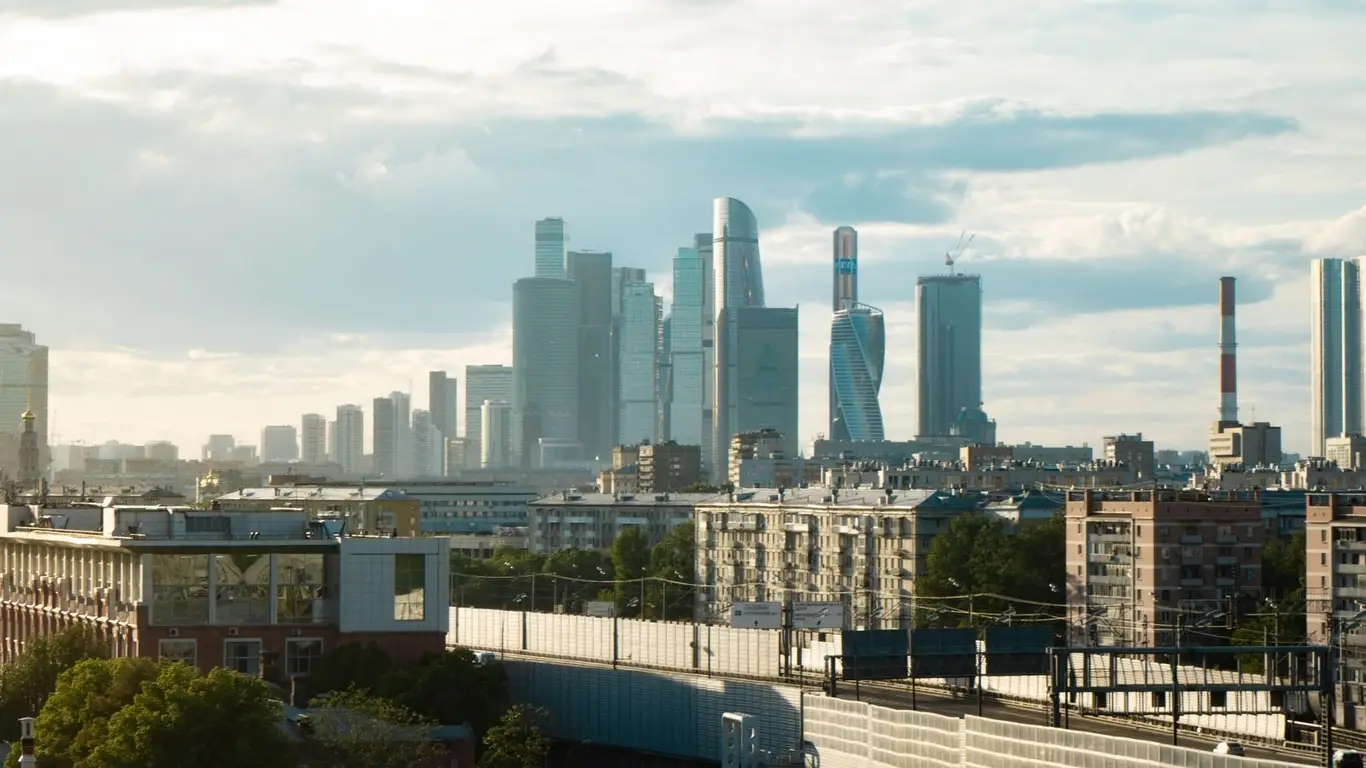
The New Year classic The Irony of Fate, or Enjoy Your Bath! is etched into collective memory, and its scenes are instantly recognizable. A key setting is Moscow, where the second half of the story unfolds. The central address in the plot is 3rd Builders Street, Building 25, Apartment 12—the home the hero Zhenya Lukašin enters by mistake, confusing it with an identical building in Leningrad.
In reality, the building that carries so much weight in the film stands on Novoshchukinskaya Street (No. 6, Building 3). That’s the facade seen in the famous moments when Lukašin calmly settles into a stranger’s apartment, unaware of his blunder. It’s telling how an ordinary entryway can become folklore when a movie resonates so deeply.
Other Moscow landmarks pop up in street and taxi sequences, while interiors were recreated on studio soundstages. Today, the Novoshchukinskaya address has become a small pilgrimage site for fans who come to see the very doorway where one of Russian cinema’s most beloved holiday tales took shape.
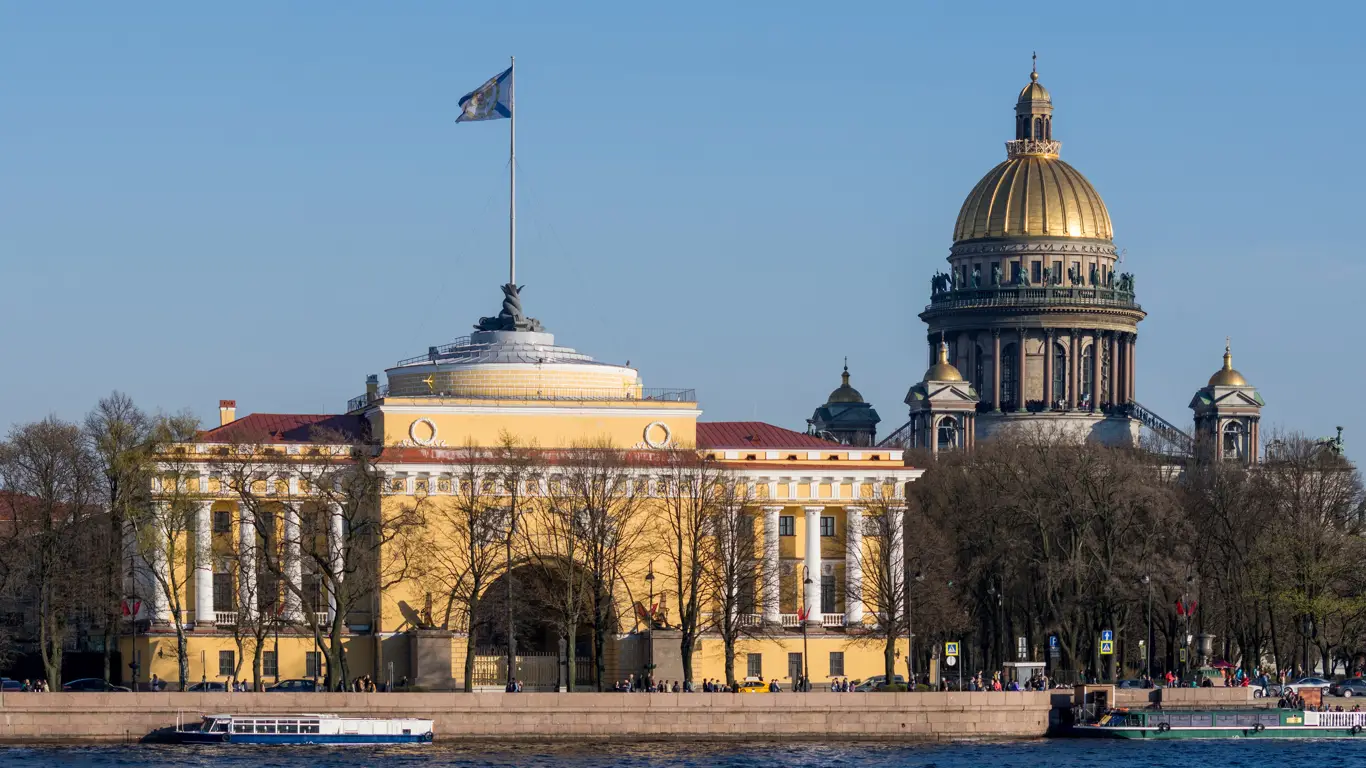
Admiral (2008) is a historical drama about Admiral Alexander Kolchak, a pivotal figure of the Russian Civil War. Much of it was filmed in Saint Petersburg, which allowed the filmmakers to evoke the world of the early 20th century with reverent precision.
The Admiralty building was one of the key backdrops. As a symbol of the country’s naval might, it fit naturally into a story about Kolchak. Exterior scenes of naval officers’ lives and official functions were staged against this monumental landmark.
Another important site was the Polovtsov Mansion on Bolshaya Morskaya Street. Built in the late 19th century, it hosted high-society scenes—receptions and glittering salons—whose interiors captured the era’s opulence.
The production also filmed at the Strelka of Vasilyevsky Island and the Nikolsky Naval Cathedral, locations that helped ground the film in the city’s historic fabric. Sea and fleet episodes were shot in Kronstadt, the longtime heartland of Russia’s Navy, where forts and military installations gave the film its maritime grit. Few cities stage historical drama with such effortless grandeur.
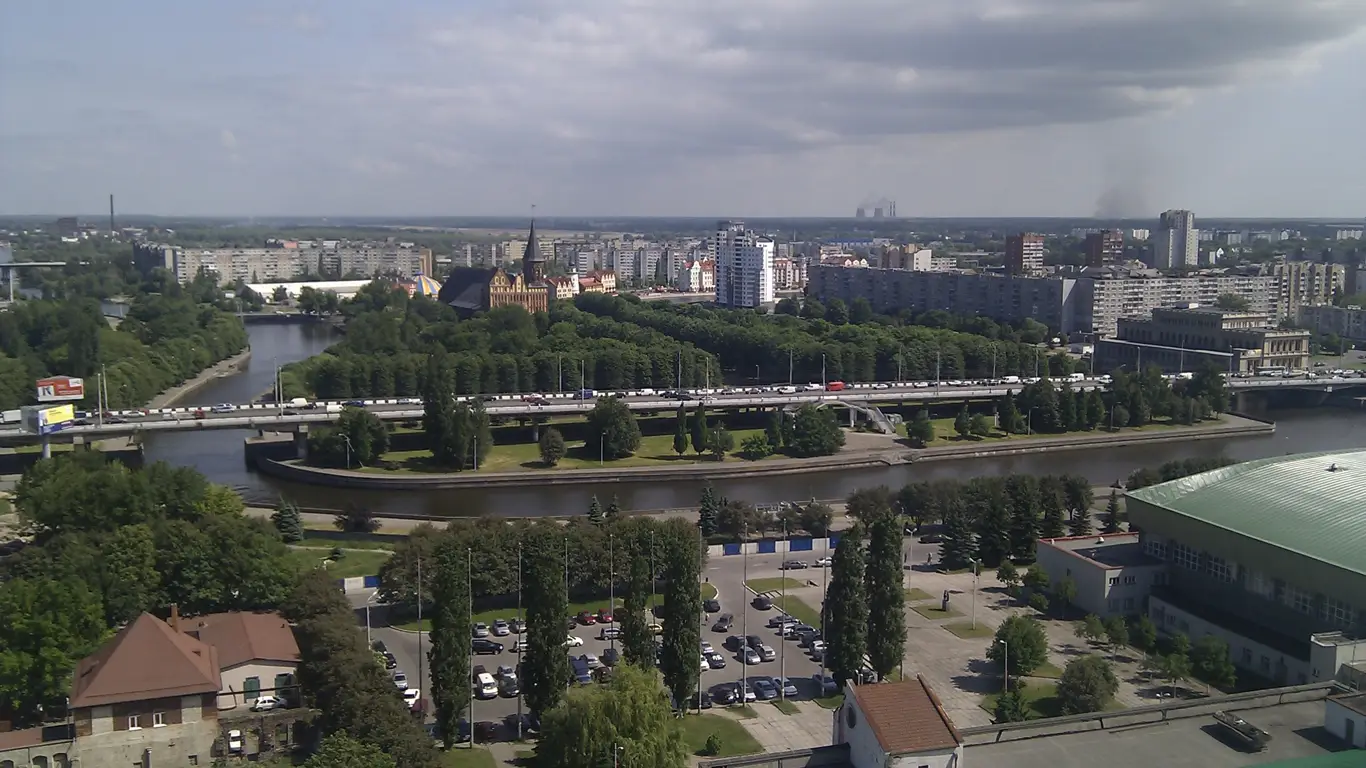
Aleksei Balabanov’s Brother (1997) is famed for its Saint Petersburg locations, but its sequel, Brother 2, was partially filmed in Kaliningrad, which served as the backdrop for several pivotal scenes.
Kaliningrad hosted episodes tied to the criminal underworld, underscoring the era’s harshness and social volatility. The seaport became a central set piece for characters operating in illicit circles. Its cargo ships, piers, and industrial skyline distilled the post-Soviet mood and contrasted with more majestic vistas elsewhere in the story.
The city center, including certain historic streets, was also used to summon an atmosphere of neglect and decline. That setting framed an encounter for Sergei Bodrov’s protagonist with figures mired in criminal schemes. Old buildings and industrial remnants—traces of Königsberg’s heritage—formed a charged backdrop that hinted at a passage from one era to the next. The result is a cityscape that mirrors the hero’s struggle against chaos and injustice.
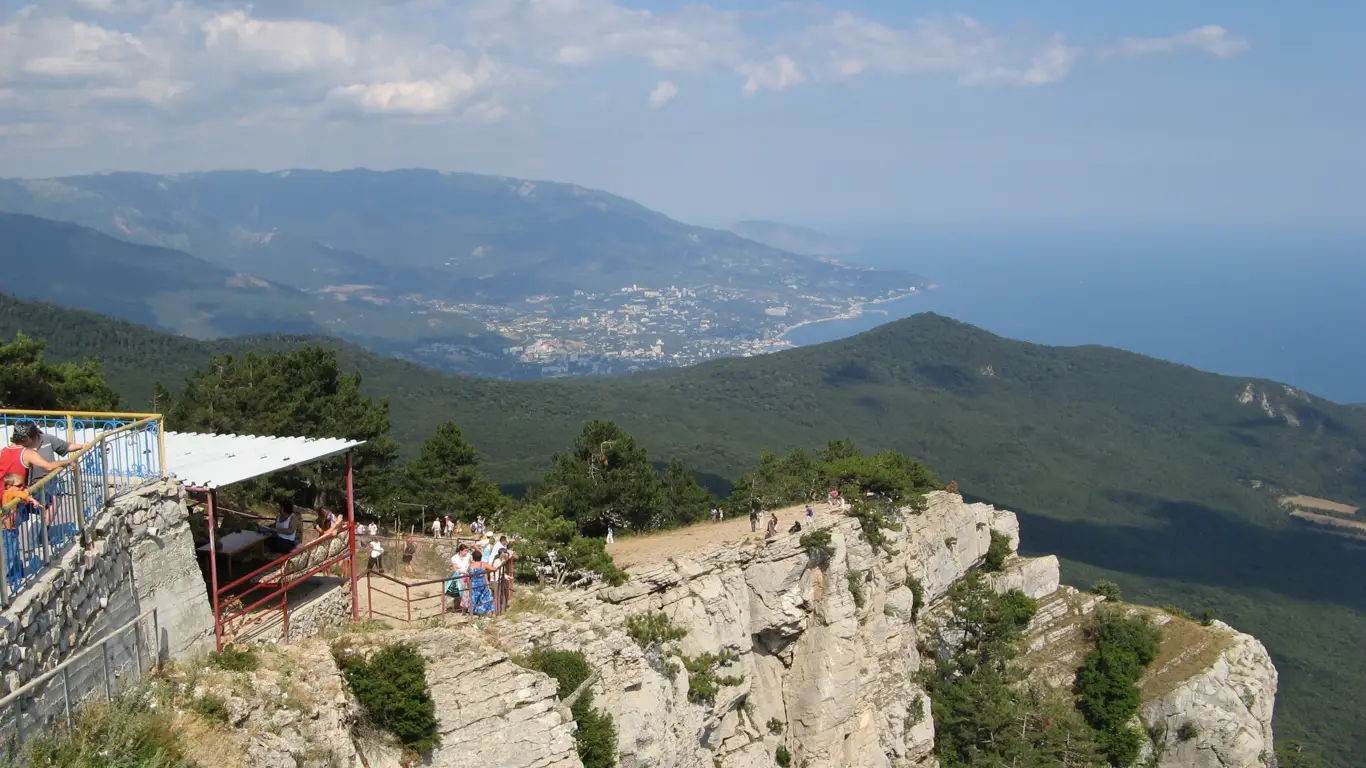
Leonid Gaidai’s 1966 comedy Kidnapping, Caucasian Style, or Shurik’s New Adventures is set in the Caucasus, yet most of it was shot in Crimea. Its cliffs, rivers, and green hills proved a perfect stand-in for the Caucasian landscape.
A major filming hub was the environs of Alushta, especially the Demerdzhi River valley. Against sweeping mountains and gorges, the famous “kidnapping” scene of Nina (Natalya Varley) was staged.
Another signature spot was the Genoese Fortress in Sudak, whose walls and towers added a sense of age and exoticism. Picnic scenes unfolded near the Djur-Djur waterfall, the most water-rich in Crimea.
The Ai-Petri massif became one of the film’s definitive backdrops. Rising above the southern coast not far from Yalta, it offers sweeping views over the Black Sea, Yalta, and the surrounding peaks—an ideal canvas for the story’s mountain passages.
Among the most memorable sequences here is Shurik’s rescue of Nina from the kidnappers. The Ai-Petri cable car—known as one of the longest unsupported spans in Europe—also appears, leading up to the summit and, in real life, serving as a magnet for visitors chasing big views. It’s easy to see why today’s travelers still head for Ai-Petri to trace the path of those comic, high-altitude escapades.
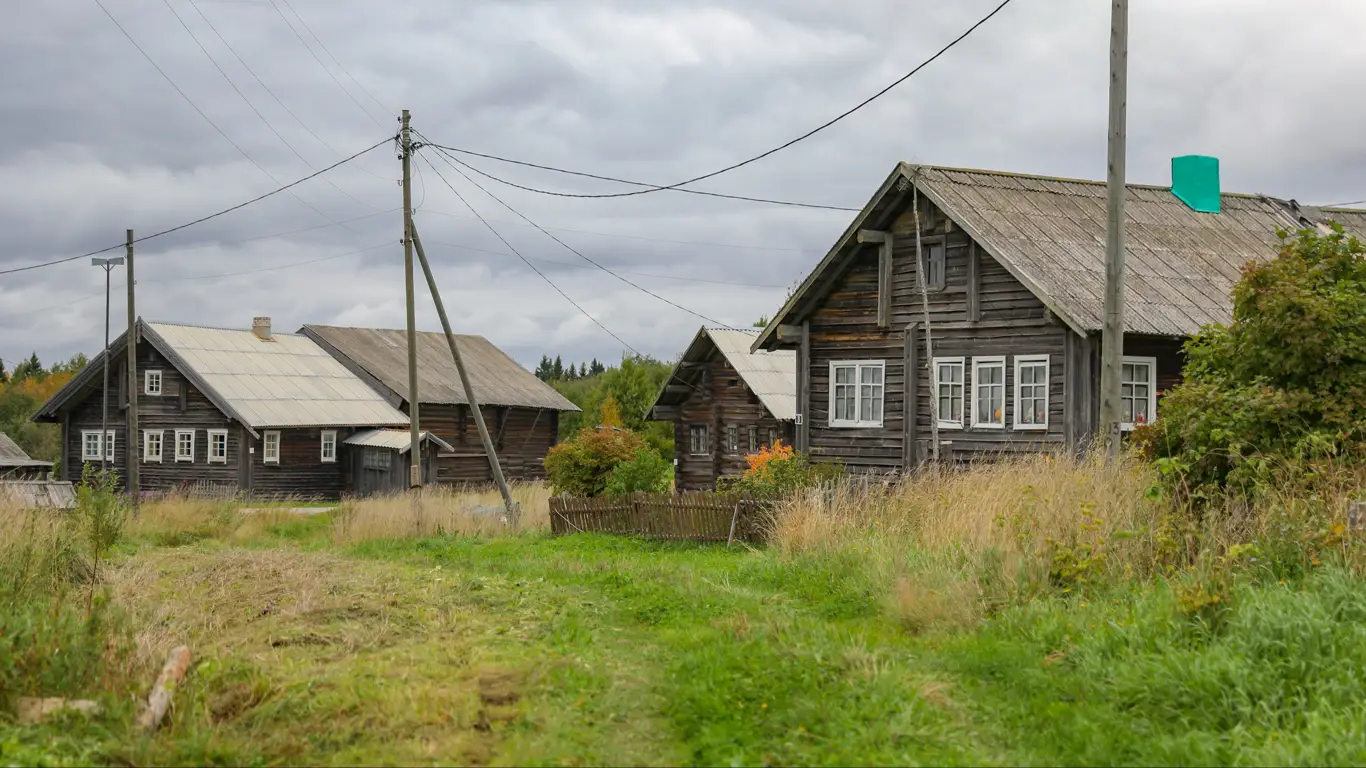
Vladimir Menshov’s 1984 hit Love and Doves won over audiences with warmth and humor—and with locations that make village life feel tangible.
The production split between Karelia and the Black Sea coast. The rural core of the story was shot in the small Karelian village of Vertep, in Medvezhyegorsk District near Lake Onega. Wooden houses, forests, and rolling hills frame the life of Vasily Kuzyakin (Alexander Mikhaylov) and his family.
Vertep captures the rhythms and traditions of a Soviet village with unforced authenticity. Karelia’s lakes and grand scenery provide a lyrical setting for a tale of family ties and tangled affections.
Seaside episodes—where Vasily meets Raisa Zakharovna (Lyudmila Gurchenko)—were filmed on the Black Sea, in the city of Gagra in Abkhazia. The sunlit beaches form a vivid counterpoint to the austere but cozy village world, sharpening the contrast between resort life and the countryside. It’s a pairing that still draws fans to both landscapes.
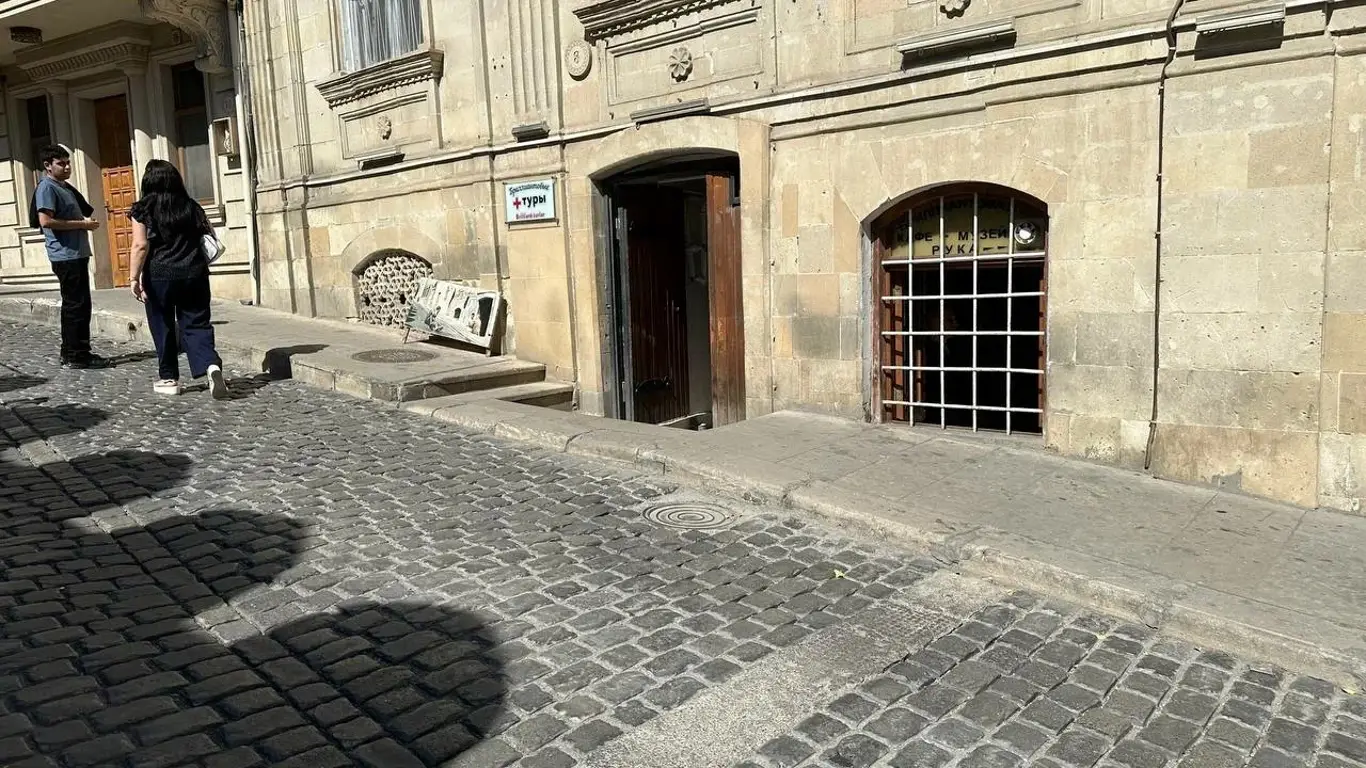
Leonid Gaidai’s 1968 comedy The Diamond Arm remains a cornerstone of Soviet cinema. The tale of smugglers who inadvertently ensnare the mild-mannered Semen Gorbunkov (Yuri Nikulin) owes much of its charm to the places where it was filmed.
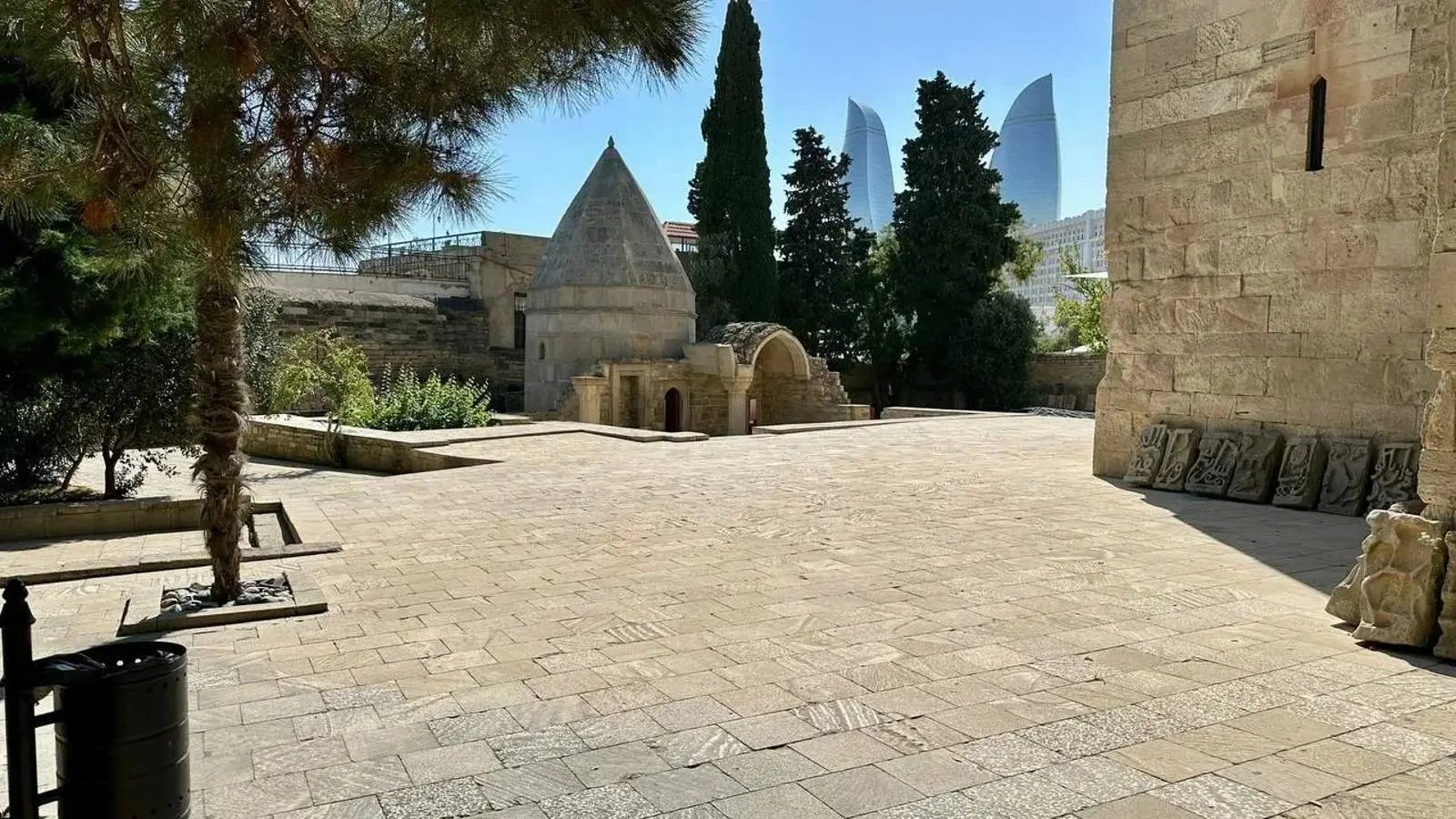
One of the principal locations was Baku, the capital of Azerbaijan. There, scenes set in an Eastern port city came to life. The waterfront hosted the pivotal moment when Gorbunkov takes a fall and vents his frustration—after which the fateful cast with hidden gems follows. Even in a comedy, the cityscape can raise the stakes.
Baku also stages a sightseeing walk through streets and courtyards that showcase the Old City of Icherisheher, giving the film a distinctly Eastern flavor.
Another key setting was the resort city of Sochi, where many vacation scenes were shot—hotel sequences, promenades, beaches, and leisurely strolls through the resort town.
The famous fishing episode—when Gorbunkov inadvertently snags a fish carrying a smugglers’ note—was filmed at Lake Abrau near Abrau-Dyurso, not far from Novorossiysk. Its clear waters and serene shores were an ideal fit. No surprise these filming spots have become destinations in their own right.
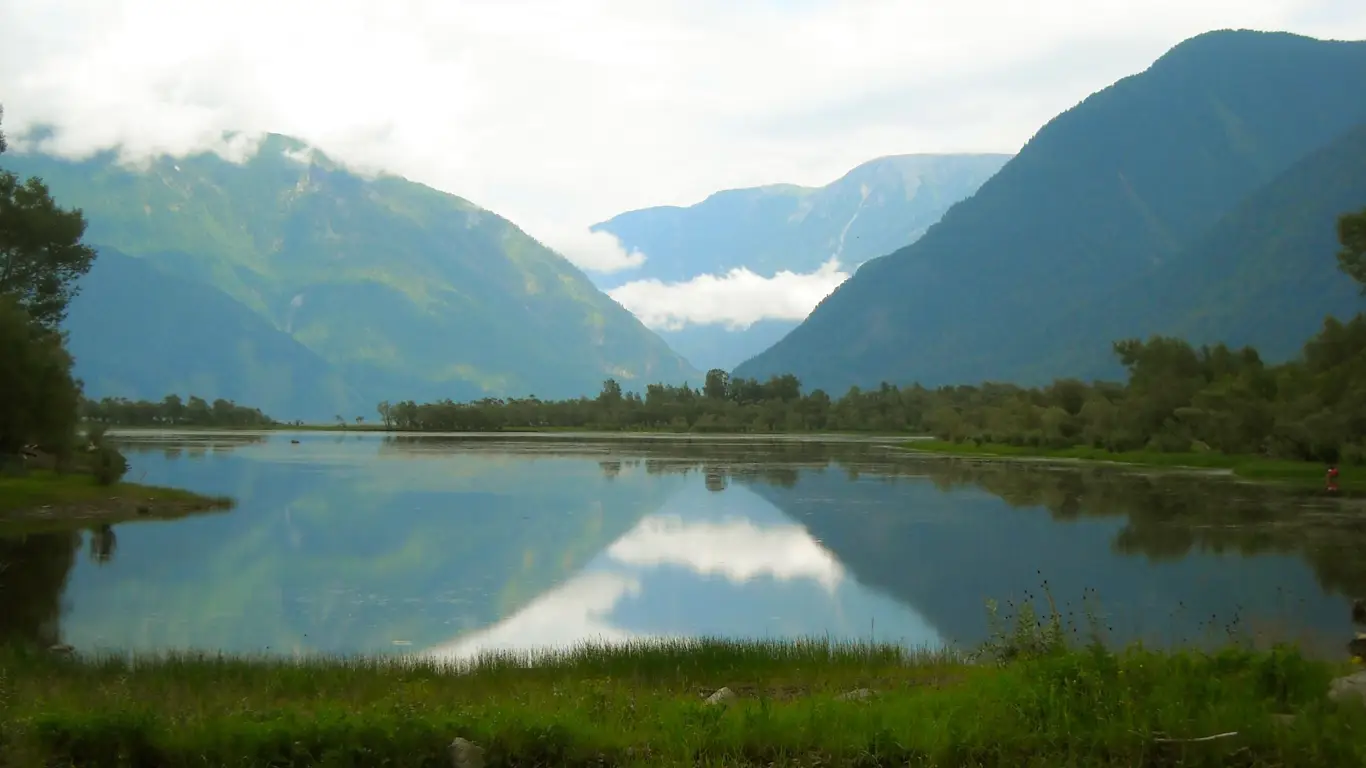
The 2012 film Jungle traveled through several striking Russian landscapes, with the Altai Mountains providing its main “island” look. The region’s wild beauty fit the story’s remote, untamed setting.
Altai, in the south of Western Siberia, is sparsely populated and intensely scenic—steep mountains, crystalline rivers, and dense forests. Though the plot strands the characters (played by Vera Brezhneva and Sergei Svetlakov) on a deserted island, many of the wilderness sequences were shot here. The area’s terrain does much of the storytelling.
Teletskoye Lake—Altai’s largest and one of Russia’s deepest—anchors several key scenes, its steep shores and glassy surface heightening the sense of isolation. Filmmakers also tapped Altai’s gorges and whitewater rivers, whose unpredictable currents lend the action a bracing edge. It’s the kind of landscape that turns a comic premise into a real trial by nature.
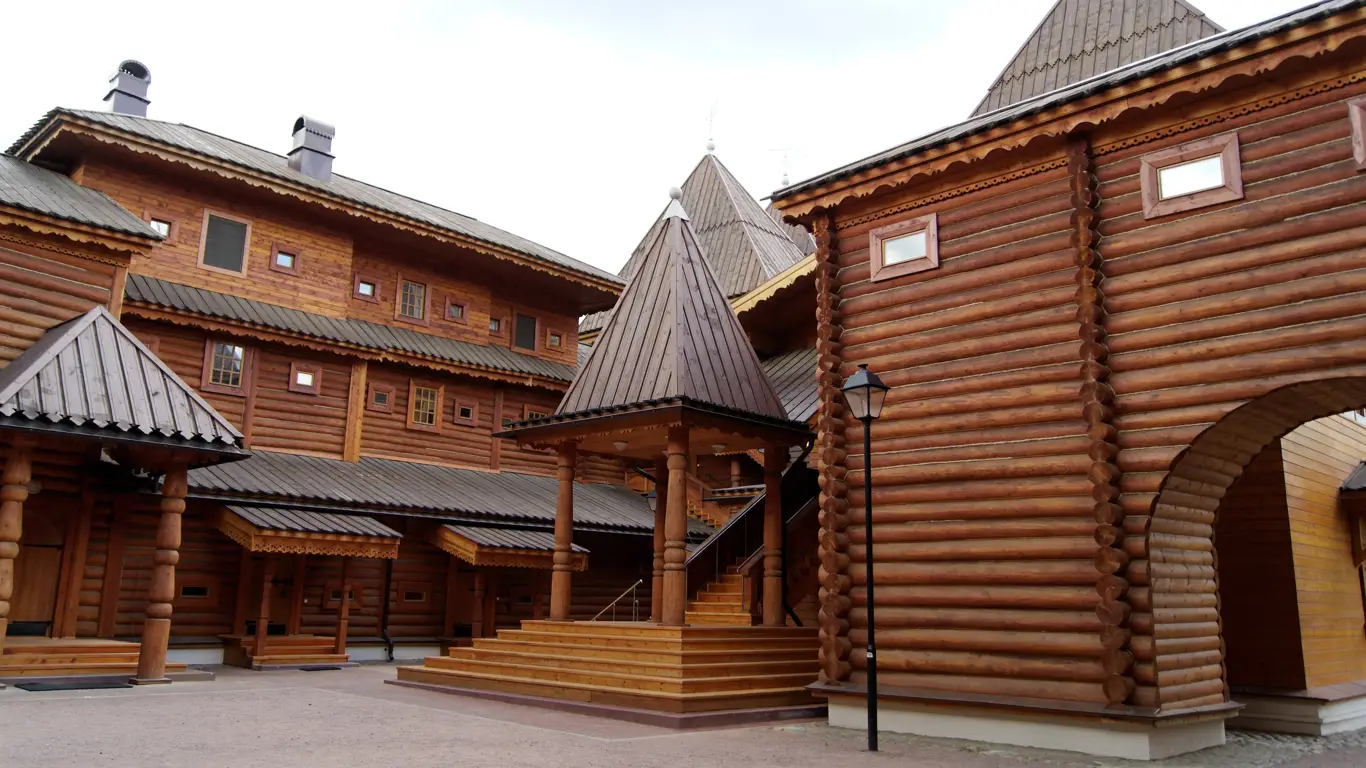
Released in 2019, Kholop became one of the most commercially successful Russian films in recent years. Its makers chose evocative, historically rooted sites that add texture and credibility to the story.
The Serednikovo Estate in Moscow Region was a central location—the village where the main character is dispatched was set here. The estate’s storied past and impressive architecture frame key sequences of village life.
Moscow’s Kolomenskoye Museum-Reserve provided another important setting for scenes with characters in historical dress; its authentic buildings and vistas serve the film well.
Rural landscapes in Kaluga Region also appear—pretty villages, hills, and rivers that convey the feel of Russia’s heartland. And the Polenovo Museum-Reserve on the scenic banks of the Oka River in Tula Region became one of the production’s anchors. Its green forests, wide fields, and rolling hills supply the backdrop for major scenes. The choice of locations makes the world on screen feel lived-in rather than staged.
Additional filming took place in other villages across Tula Region, whose wooded hills and waterways help complete the portrait of a real Russian countryside. After the film’s release, places like Polenovo drew even more visitors.
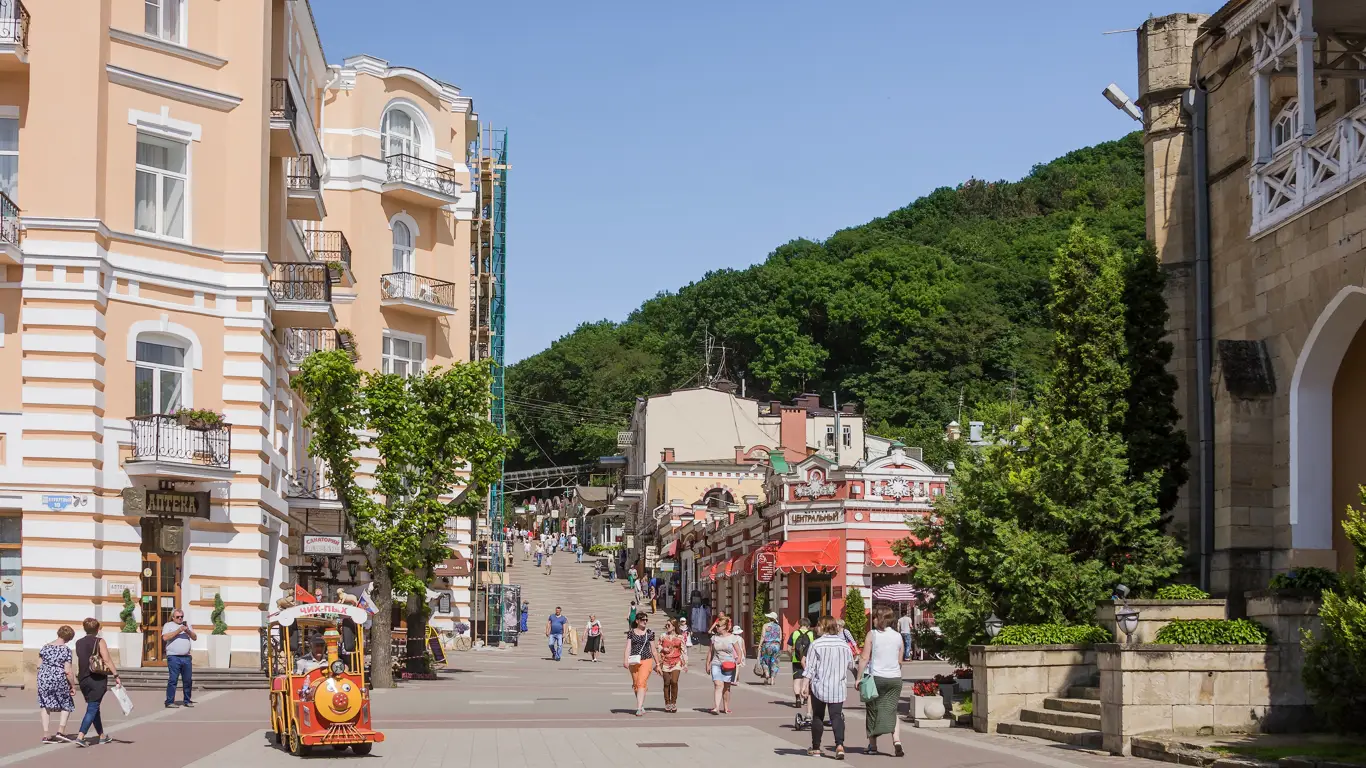
Cheburashka, released in 2023, unfolded across several picturesque sites, chiefly in Sochi and Kislovodsk—locations that blend natural drama with architectural charm to set a fairy-tale tone.
Sochi, with its mild climate and varied landscapes, was a principal stage. Scenes showing Cheburashka entering a new world were filmed in prominent spots around the resort city. The Dendrarium, with its exotic plantings and elegant architecture, was especially suited to building a sense of wonder.
Filming also took place at the Arboretum and the Olympic Park. With mountains rising behind the seacoast, Sochi gives the film a distinctive magic.
Part of the production moved to Kislovodsk, the renowned Caucasian spa town. Its fresh mountain air and scenic environs were a natural fit, particularly in Kislovodsk National Park—one of the largest parks in Europe—where green valleys, cascading trails, and views of the Caucasus add depth and romance.
Scenes in central Kislovodsk use the city’s architecture—historic buildings and spa complexes—to lend warmth and coziness. Some filming also took place around Krasnodar Krai, whose mountain and forest vistas enrich the film’s sense of enchantment. Together, Sochi and Kislovodsk shape a visual world that makes Cheburashka’s adventures feel both captivating and timeless.