
Discover New Zealand’s Middle‑earth, Scotland’s Hogwarts vistas, Iceland’s GoT landscapes, Rome’s Gladiator spots, and Tunisia’s Tatooine. Plan a film trip.
Many of us have watched films where breathtaking landscapes and striking cities become part of the story. But what if you go a step further and set off to the real places where those cult movies were shot? Following in cinema’s footsteps is a chance not only to touch the magic of filmmaking, but also to see the world through the eyes of directors and on-screen heroes. Here are some of the most famous locations that hosted beloved productions—and a few pointers to turn such a trip into a memorable adventure.
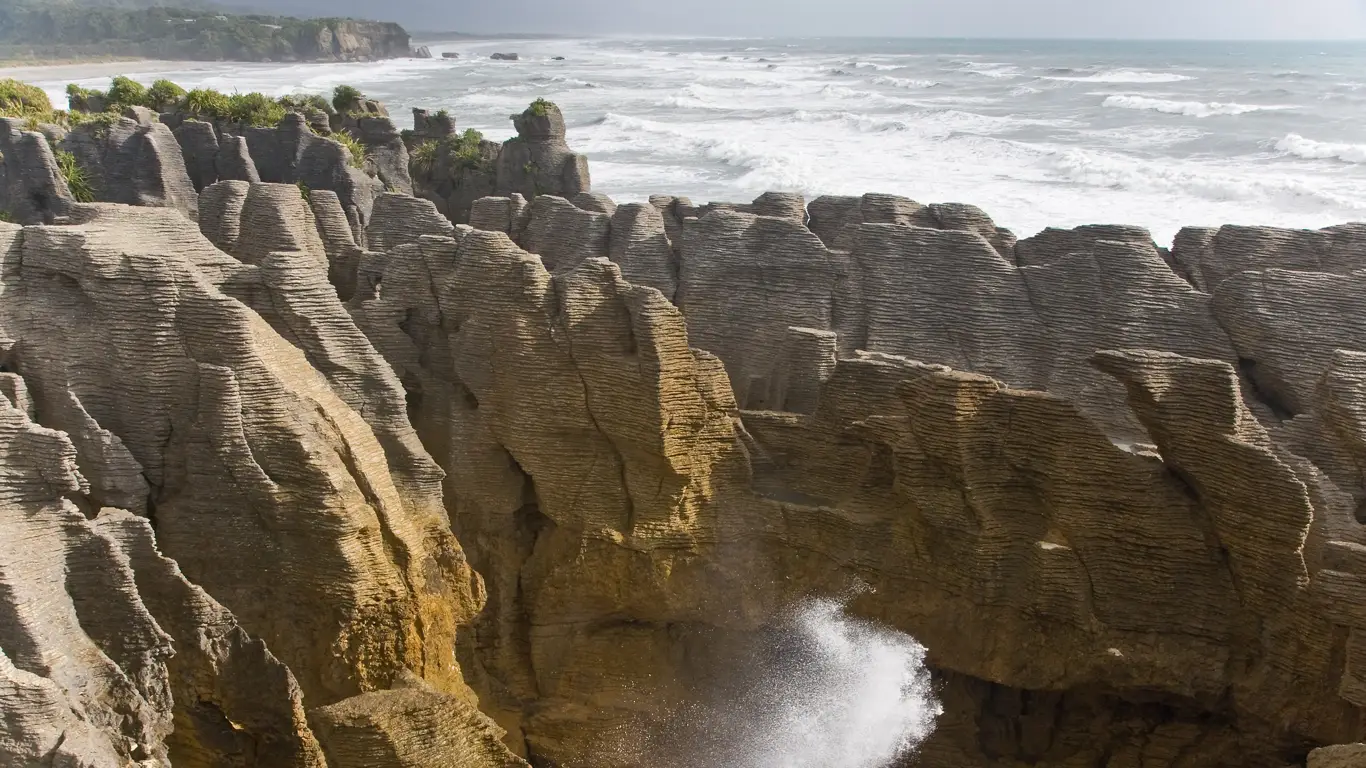
The filming locations for The Lord of the Rings and The Hobbit in New Zealand have become sacred ground for fans, as the country’s spectacular scenery brought Tolkien’s Middle‑earth to life with uncanny precision.
One of the most recognizable spots is Hobbiton in the Matamata area on the North Island. Built on Alexander Farm, the hobbit village hosted scenes set around the homes of Bilbo and Frodo Baggins. After The Hobbit wrapped, the sets were preserved, and today it’s a full-fledged attraction where visitors wander the lanes, see the famous Bag End, and step into the Green Dragon inn. It’s hard to imagine a more tangible doorway into fantasy.
The rugged landscapes of Tongariro National Park on the North Island stood in for Mordor’s forbidding volcanic terrain. Mount Ngauruhoe became the iconic Mount Doom, the place where Frodo had to destroy the One Ring—an image that’s become inseparable from the saga’s drama.
Near Queenstown on the South Island, Glenorchy and the photogenic Lake Wakatipu provided sweeping backdrops for Rohan and the grand fields where epic battles unfolded. Glenorchy also hosted segments of the Fellowship’s mountain journey, and the scale of the land does much of the storytelling on its own.
On the South Island, the Pelorus River became the setting for the barrel-ride sequence in The Hobbit: The Desolation of Smaug. Its wild, unspoiled surroundings fit the film’s adventurous tone perfectly.
Also on the South Island, Mount Cook, New Zealand’s highest peak, helped portray the wild reaches of Middle‑earth, including regions like Rohan and the Anduin. Fiordland, with its alpine lakes and waterfalls, underpinned the ethereal beauty of Lothlórien and other enchanted realms. Few places feel more inherently cinematic.
In short, New Zealand’s range—from mountains to forests and rivers—lets travelers step straight into Middle‑earth’s spell.
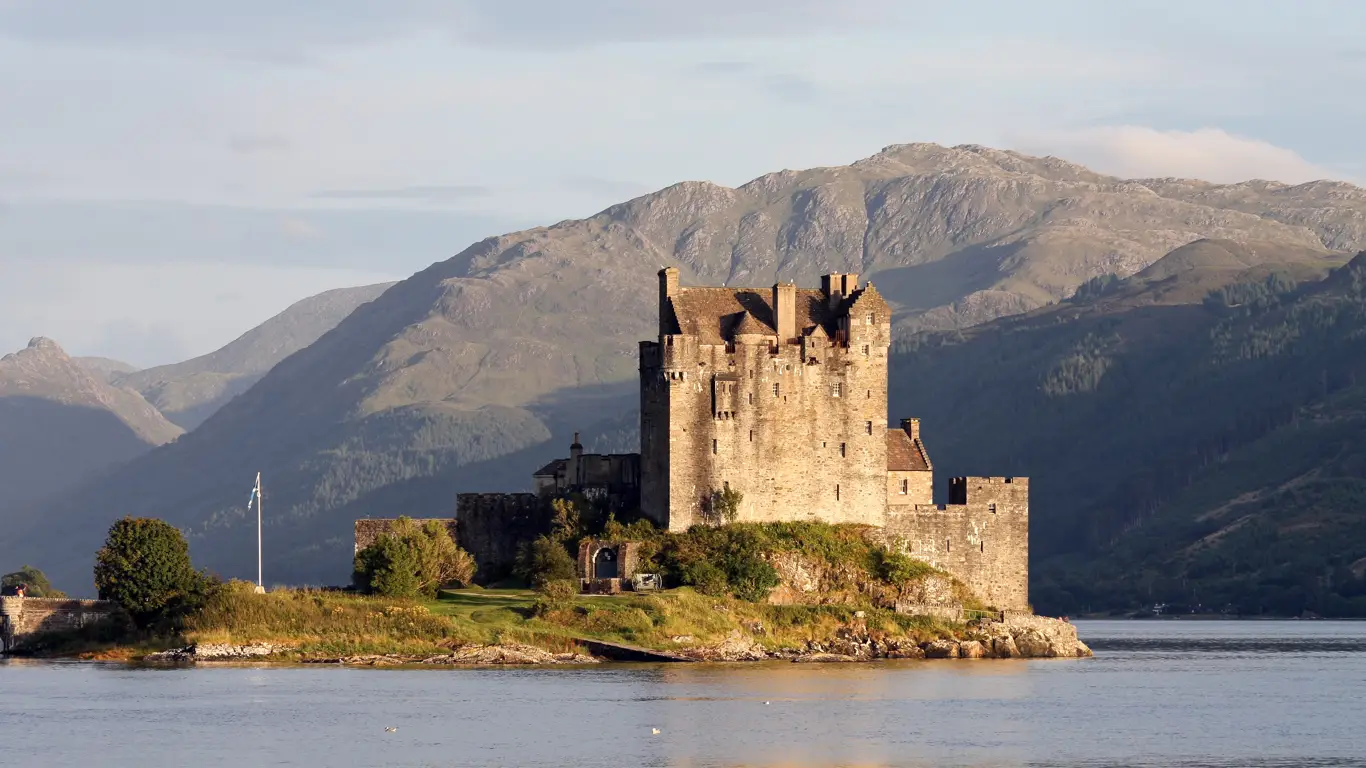
Scotland played a key role in shaping the wizarding world on screen. Its dramatic landscapes frame some of the series’ most memorable visuals. Chief among them is the Glenfinnan Viaduct, instantly recognizable to fans as the route of the Hogwarts Express.
This graceful railway bridge in the Scottish Highlands became one of the entire franchise’s signature images. It’s the line Harry and friends take to school—and the very stretch featured when the flying car chases the train in Year Two.
The 21-arch viaduct crosses a valley near the scenic waters of Loch Shiel. It’s now a bona fide magnet for visitors, many of whom ride the Jacobite steam train that follows the Hogwarts Express route. The experience makes the fiction feel reassuringly real.
Loch Shiel, close to the viaduct, also appears on screen as the train sweeps past to a backdrop of brooding mountains. The lake’s reflective calm deepens the spell of the setting.
While most Hogwarts exteriors were filmed in England, Scottish castles and landscapes influenced the look and feel of the school. Views of the castle drew inspiration from Scottish architecture and the country’s imposing mountain ranges, which add an aura of grandeur and mystery.
Glen Coe is another crucial location, seen in Harry Potter and the Prisoner of Azkaban as the rugged setting around Hagrid’s hut and the Hogwarts grounds. The mountains here capture the sense of isolation and wonder that the story needs. For many fans, seeing these places first-hand turns nostalgia into something vivid.
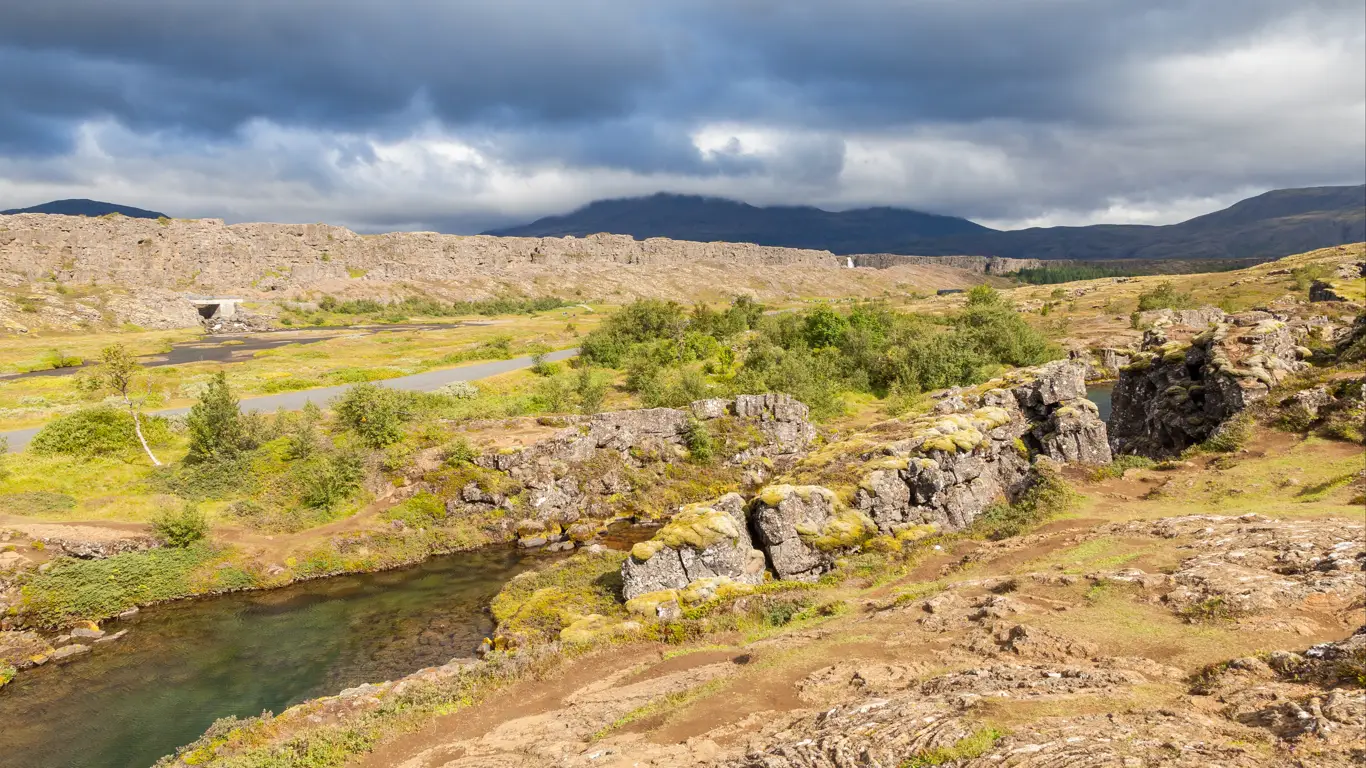
Iceland became a cornerstone of Game of Thrones, its stark beauty evoking the mystery and harshness of Westeros’s North. Glaciers, volcanoes, lava fields, and waterfalls served as natural sets for the storylines beyond the Wall and in the lands of the Free Folk.
Thingvellir National Park—historic meeting place of Iceland’s ancient parliament—hosted many sequences of perilous journeys beyond the Wall. The Almannagjá gorge in particular doubled for treacherous northern passes used by the Free Folk and the Night’s Watch. The park’s glacial contours and rock formations suit the show’s austere mood.
Vatnajökull, one of the largest glaciers in Europe, appears in scenes set beyond the Wall, especially during Night’s Watch expeditions. Its endless ice and severe weather convey the North’s unforgiving nature, crucial to the arcs involving Jon Snow and his encounters with the Free Folk and White Walkers.
The lava fields of Dimmuborgir, with their eerie volcanic shapes, set the tone for the Free Folk’s encampments, including scenes with Mance Rayder after Jon Snow joins them. The jagged formations lend the landscape a raw, otherworldly energy.
Grjótagjá—a small lava cave with hot springs near Lake Mývatn—hosted one of the show’s most intimate moments between Jon Snow and Ygritte. The steamy, enclosed setting had a cinematic presence that’s hard to fake.
Lake Mývatn and its surroundings, including lava fields and volcanic craters, appear in numerous sequences north of the Wall. The icy, sparsely populated vistas heighten the sense of danger facing the Night’s Watch and the Free Folk.
Goðafoss—one of Iceland’s most beautiful waterfalls—also makes an appearance. While not central to major plot points, its scale contributes to the North’s grandeur.
Another signature site is the Mýrdalsjökull glacier, where the Night’s Watch battles White Walkers and the Free Folk in large, sweeping scenes of survival. Here, the landscape practically directs the action.
It’s no accident the creators chose Iceland: its glaciers, volcanoes, lava fields, and hot springs match the North’s brutal climate and wild nature. Fans arrive to stand where Jon Snow and the Night’s Watch once did—and to take in scenery that lingers long after the credits.
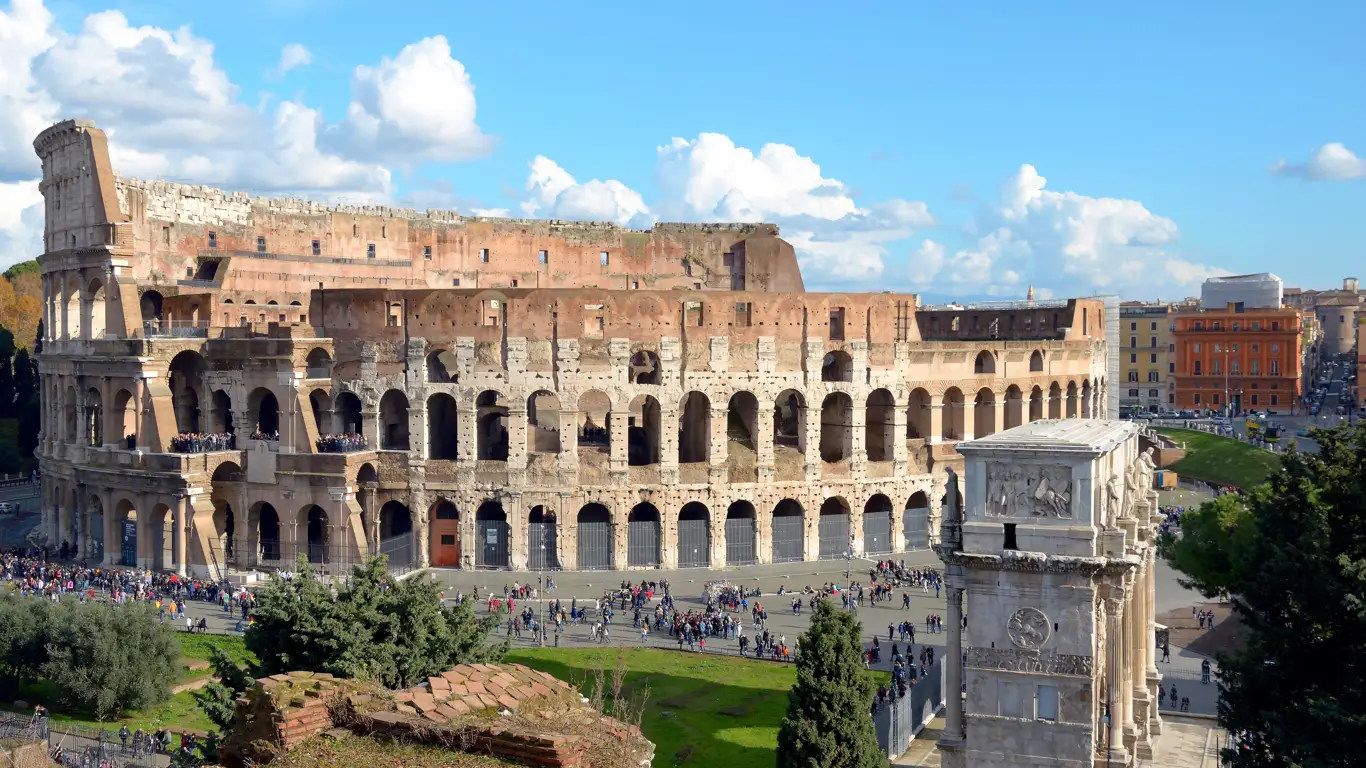
Ridley Scott’s Gladiator (2000), much of which centers on Rome and the events of the ancient empire, was filmed across several striking locations in Italy. They’re historically resonant and naturally beautiful, which helped the film capture the era’s scale and atmosphere.
Some of the film’s most affecting scenes—Maximus’s memories of home—were shot in the rolling Val d’Orcia in Tuscany. The region’s cypress-lined lanes and green hills perfectly embody the peaceful homeland he longs to return to.
Scott chose Val d’Orcia for its unforgettable light and calm—a soothing counterpoint to the brutality of the arena and the intrigues of imperial Rome. Those horizons became shorthand for the life Maximus lost.
While the Colosseum sequences were largely built with sets and CGI, the inspiration was, of course, the real Colosseum in Rome. The team pored over historical sources and architecture to recreate a convincing, imposing arena for the film’s major confrontations.
A scaled section of the Colosseum was built in Morocco, with CGI doing much of the heavy lifting. Even so, the real monument remains a defining symbol of the ancient world and a visual anchor for the movie’s identity.
Though many scenes were shot on sets, Rome’s ruins and antiquities strongly informed the production design. Forums and villas helped shape interiors and streets, while the city’s landmarks formed a backdrop for exploring the empire’s power and cruelty. It’s a reminder that location can be a co-author of tone.
It’s also worth noting that a significant portion of Gladiator was filmed on Malta, where large sets for the Roman forum and arenas were constructed. With its distinctive architecture and ancient sites, Malta added heft to the film’s vision of Rome.
Fans visiting these locations can soak up the aura of antiquity while enjoying the landscapes and architecture that framed one of the early 2000s’ most iconic epics.
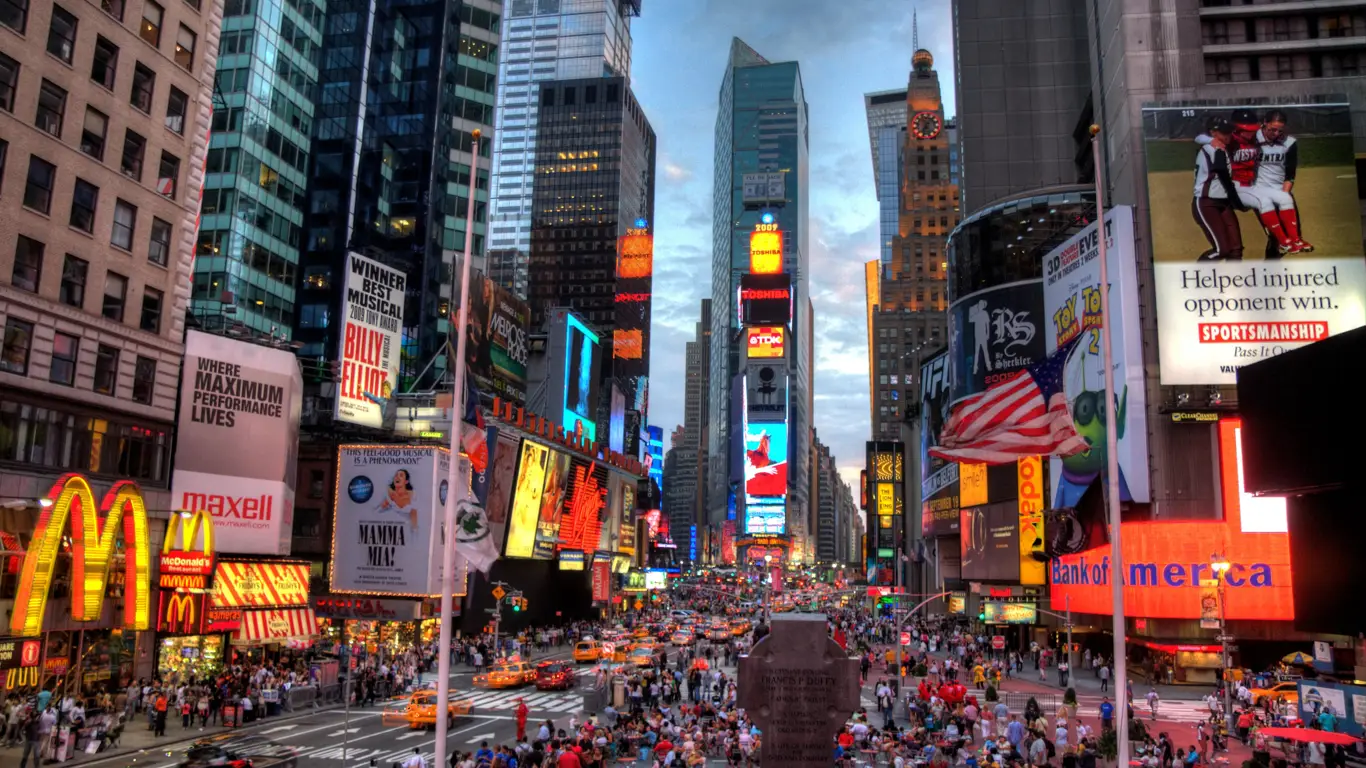
The Avengers (2012), the MCU’s first major crossover, stages many of its signature moments across New York City. The metropolis isn’t just a backdrop—it’s the beating heart of the action, a place where superheroes collide with global threats.
One of the film’s most iconic sites is Grand Central Terminal, at the intersection of 42nd Street and Fifth Avenue. This key transport hub and architectural landmark becomes ground zero for the climactic battle with the Chitauri after Loki opens the portal. Some elements were shot on location, with the destruction brought to life through visual effects.
Times Square, one of the city’s most recognizable spaces, also appears. Its towering screens and dense skyline amplify the sense of urgency—even without a central fight there, the square serves as shorthand for the city’s energy.
Battery Park, at Manhattan’s southern tip, frames moments when the heroes grasp the scale of the looming threat. Glimpses of the harbor and the Statue of Liberty underscore what the Avengers are trying to protect.
Stark Tower—Tony Stark’s home and headquarters—is fictional, but its on-screen location corresponds to the real MetLife Building near Grand Central. In the film, Loki uses the tower to open the invasion portal; CGI transformed the structure with futuristic accents, while the actual MetLife Building remains a New York landmark in its own right.
For Marvel, New York is more than a setting. It’s the universe’s urban emblem, home to countless characters from Spider‑Man to Iron Man. In The Avengers, the city becomes the epicenter of a global crisis—and the camera invites us to see it from a superhero’s vantage point.
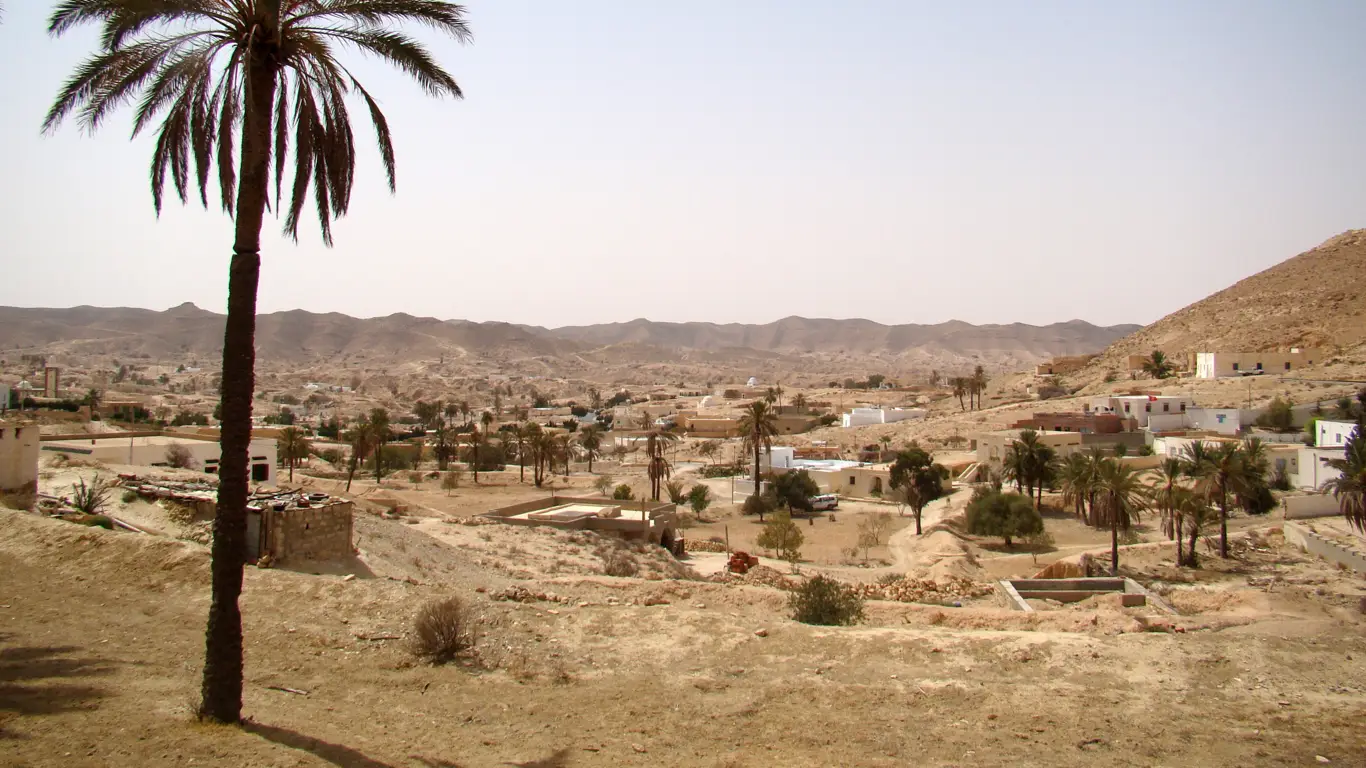
Star Wars became a cultural touchstone, and Tunisia is one of its essential real-world stages. The country’s deserts stood in for Tatooine, home to Luke Skywalker and Anakin Skywalker. To this day, fans come to walk the sand where the saga began.
Perhaps the most famous site is Ong Jemel near Tozeur, where sets for Luke’s home in A New Hope (1977) were built. Many structures remained, forming a tangible “Tatooine” that visitors can explore—from dwellings to quirky, otherworldly facades.
The village of Matmata provided interiors for the Skywalker family home. Its unique troglodyte houses—traditional underground dwellings—were used for scenes of Luke living with Uncle Owen and Aunt Beru. These sunken courtyards and cave rooms are still accessible and look much as they did during filming.
Djerba also played its part, hosting sequences tied to Mos Eisley—the spaceport where Luke and Obi‑Wan meet Han Solo and Chewbacca in the cantina. Buildings used in the shoot remain, letting fans trace the saga’s early steps through a distinctly Tunisian lens.
Tatooine’s very name was inspired by the city of Tataouine. While no scenes were filmed there, the association with desert vistas and singular architecture made it part of the Star Wars mythos.
The epic desert panoramas of Tatooine were captured around Chott el Jerid, a vast salt lake southwest of Tozeur. It proved ideal for sweeping shots of dunes and empty horizons—most memorably, the twin‑sunset moment that frames Luke’s longing for adventure.
Over time, exposure to wind and sand has weathered some of the sets. In recent years, however, efforts to preserve them have grown, with fans organizing initiatives to maintain these locations for the future. It’s a fitting tribute to a world that began in the dunes and lives on in the imagination.