
Compare Santorini vs Mykonos for 2024: beaches, nightlife, best time, prices and routes. Visa tips plus flight and ferry options to plan your Greek getaway.
Choosing between Santorini and Mykonos is a familiar dilemma for anyone plotting a Greek escape. Both islands promise atmosphere, sweeping vistas and deep-rooted culture, yet they deliver distinctly different moods. Santorini draws with its sunset romance, whitewashed houses crowned by blue domes and volcanic beaches, while Mykonos leans into high-energy nights, lavish beach clubs and cosmopolitan polish. This guide helps you figure out which icon fits your idea of a perfect holiday.
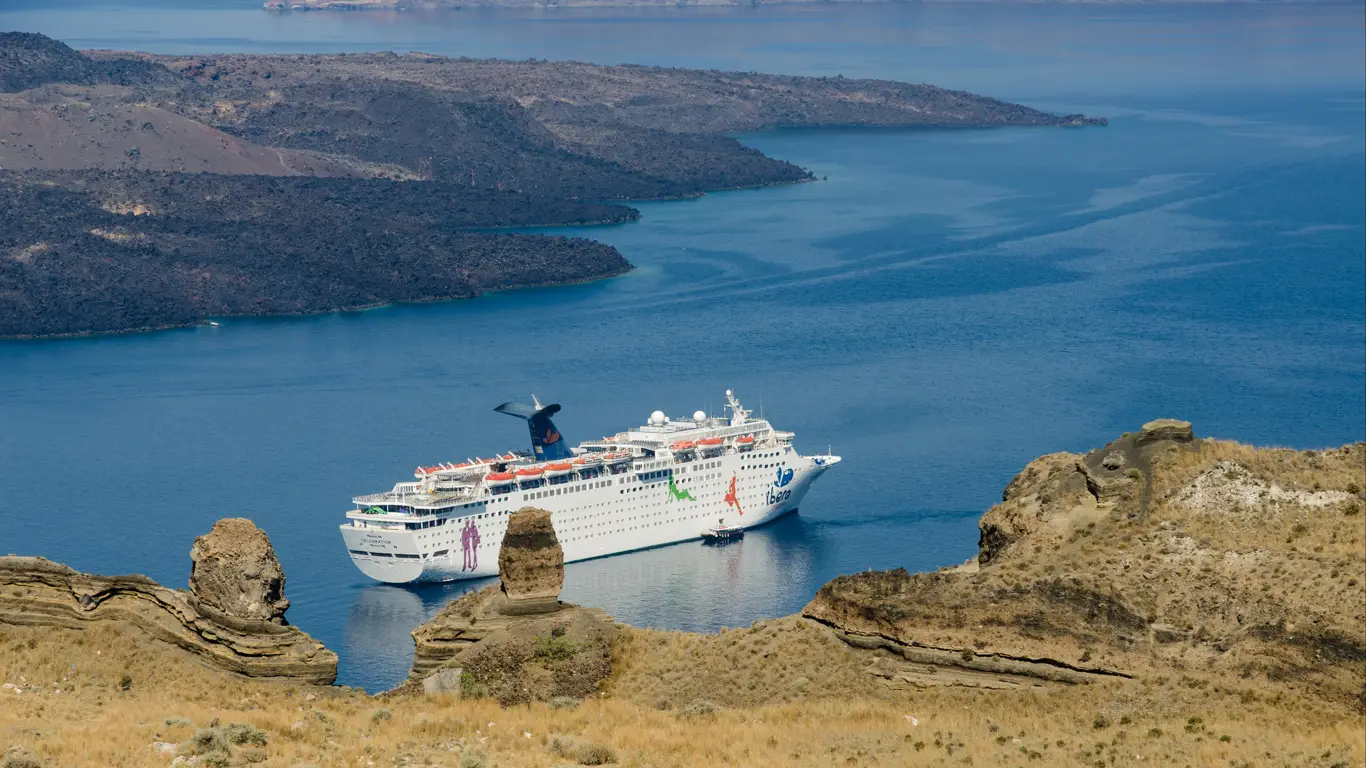
Both Santorini and Mykonos are easy to reach from mainland Greece by plane or ferry. Santorini sits a touch farther from Athens than Mykonos. Flight times from Athens are similar—around 50 minutes—but the ferry to Santorini takes longer at roughly 5 to 8 hours.
Getting around on the ground is straightforward on both islands, with reliable bus networks plus taxis and Uber. Shuttles from the international airports on Santorini and Mykonos streamline the transfer to your hotel.
Santorini is a magnet in summer, especially from June to September. That said, it hardly empties out in winter: around 15,000 residents live there year-round, and more travelers are discovering how rewarding the shoulder season can be. With thinner crowds and softer prices—and many hotels and restaurants open from December to February—it’s easier to slow down and actually enjoy the island.
Mykonos, by contrast, stays fairly quiet most of the year, with the party crescendo in July and August. Once the weather cools, events become scarce and the island’s calling card—its beaches—loses its edge.
Santorini sits in an active volcanic zone, so its shores are pebbly or covered in black sand formed from pumice, ash and hardened lava. Perissa and Kamari are striking, but the dark sand heats up fast, making barefoot strolls a challenge.
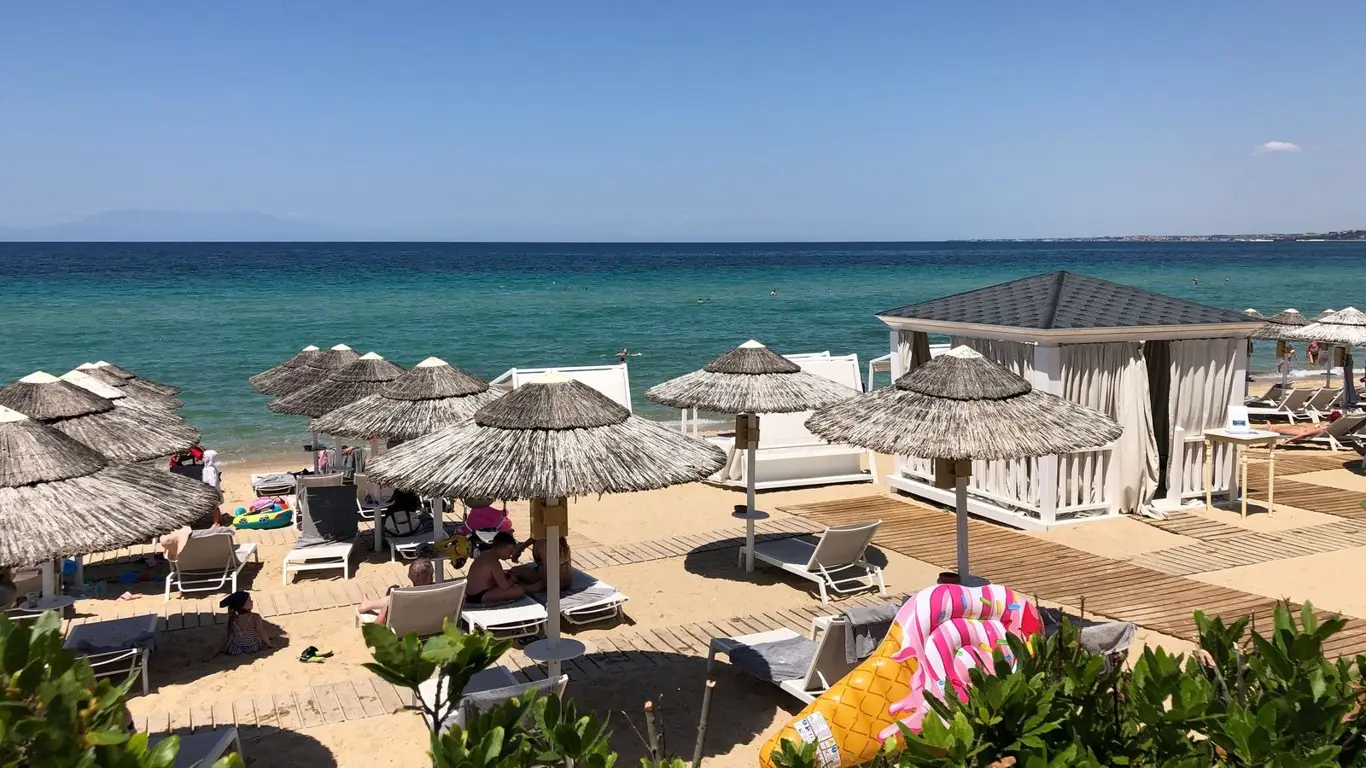
Mykonos goes the other way with soft, golden sand. From famous Paradise Beach to lesser-known Fokos Beach, there’s a stretch for every mood. Paradise and Super Paradise often fill up, with beach clubs taking over large swathes of shoreline. For a quieter corner, Kapari Beach is a discreet option reached by a rocky path.
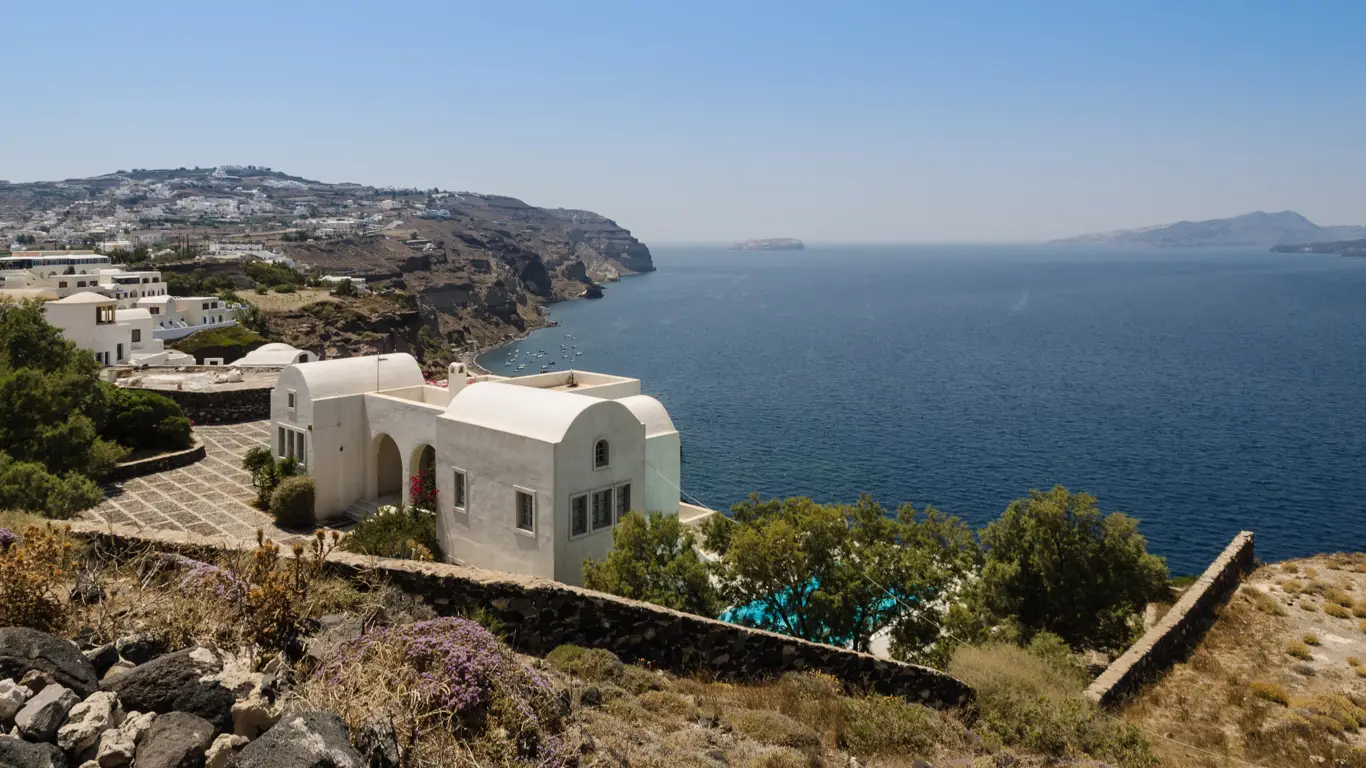
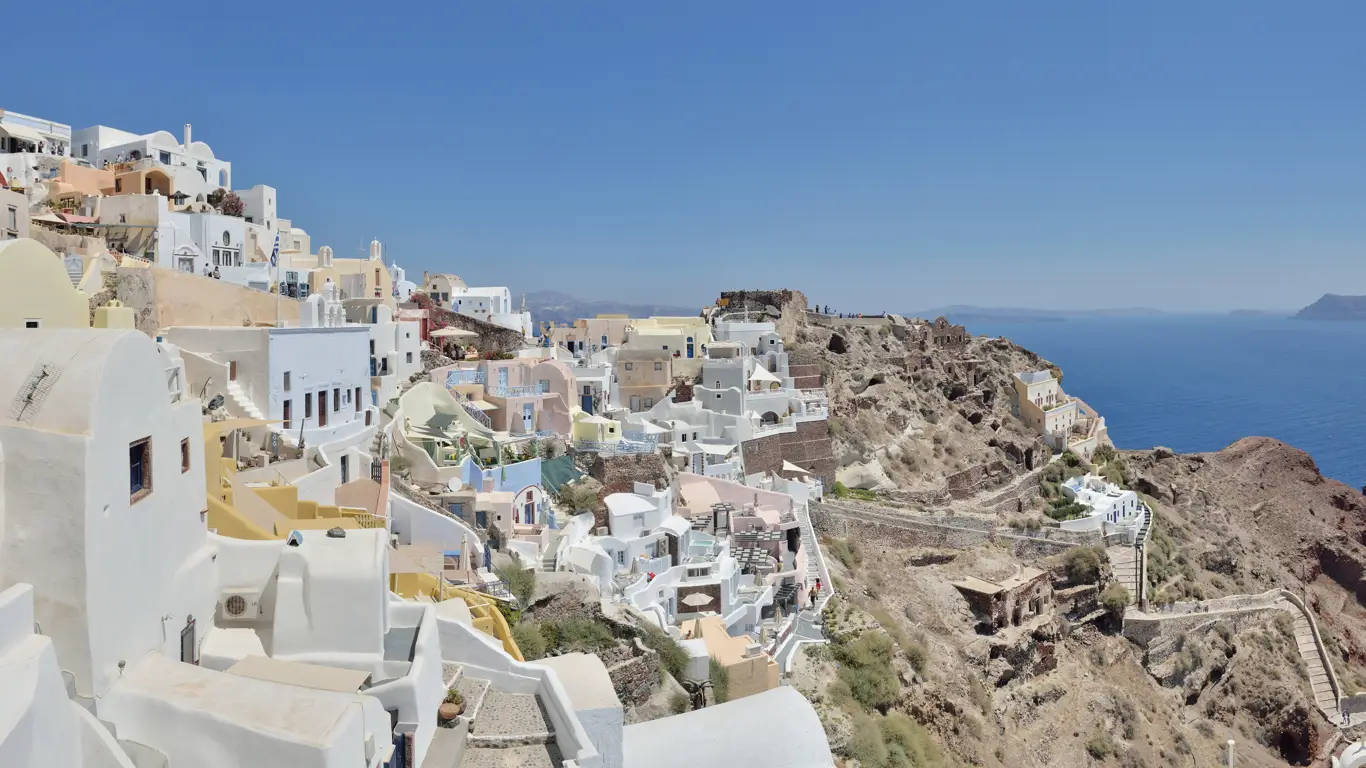
It’s hard to find an island as arresting as Santorini. From the rim of the caldera, blue domes and white facades spill toward the cliff’s edge, which plunges into the Aegean’s clear turquoise. From the Akrotiri lighthouse to Saint Nicholas’ Castle, the island is dotted with photo-perfect perches, and those flowing “flying dress” shoots have become a traveler favorite.
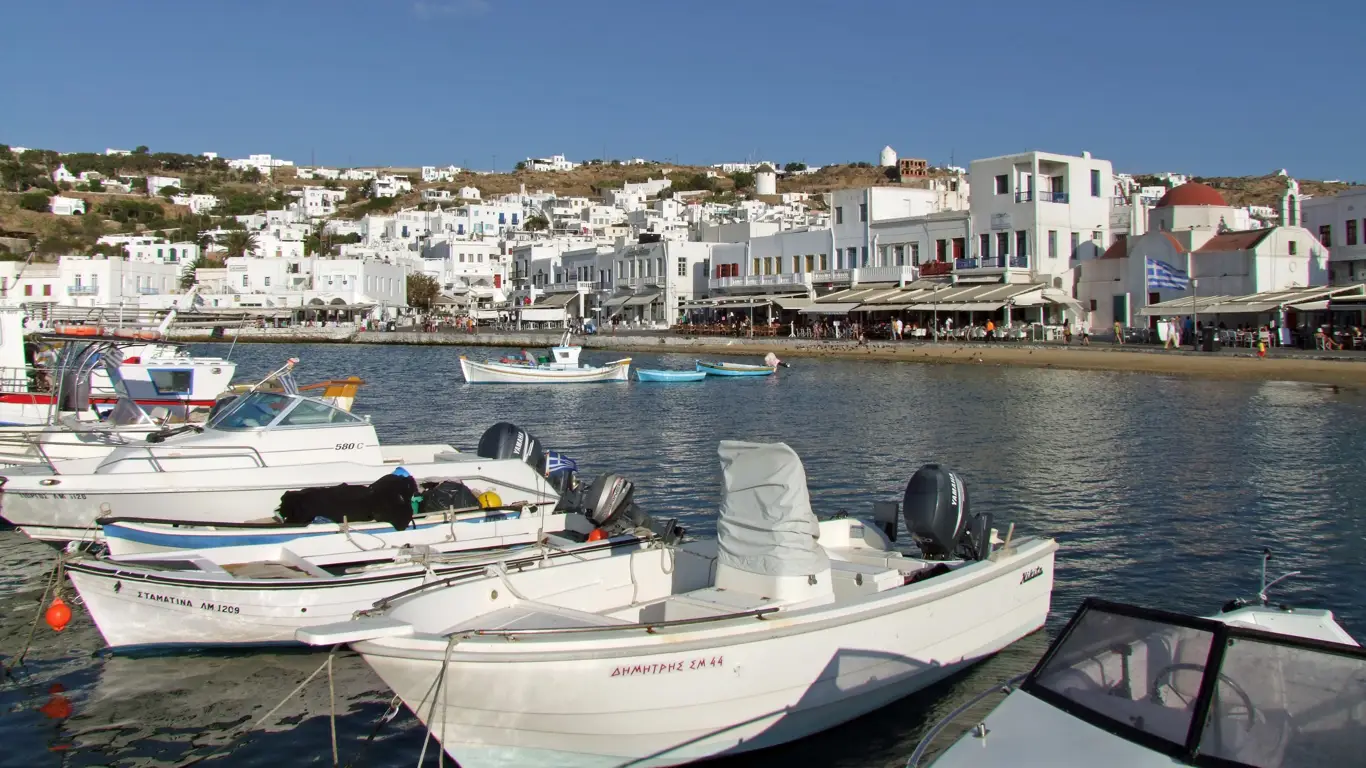
Mykonos—often dubbed Greece’s Ibiza—delivers a maze of narrow lanes and broad beaches lined with bars and clubs. You’ll find everything from slick cocktail spots to open-air dance floors. It’s a natural fit for night owls: the glamorous Nammos, which celebrities like Leonardo DiCaprio and Ariana Grande are known to visit, and the laid-back beach bar Kikis Tavern, beloved by locals, are just the start. Expect epic DJ sets and boho-chic sunset parties.
Tour operators say visa applications should be filed no later than 20 working days before departure. The advice is to start right after your hotel booking is confirmed rather than putting it off. They also reminded travelers that, under the EU Visa Code, you can apply up to 180 days before the trip. Greek consulates most often issue a single-entry visa aligned with the travel dates.
They add there’s no reason to worry: the paperwork is straightforward, and biometrics take about five minutes. A visa shouldn’t be the reason to skip Greece.
From Moscow to Athens, options with a connection include Air Arabia, EgyptAir, Air Serbia, Pegasus Airlines, Turkish Airlines, Gulf Air and Qatar Airways. Travel time is up to 22 hours, with return fares from 86 thousand rub.
Thessaloniki (Halkidiki) is reachable via Air Serbia and Turkish Airlines with a 20-hour journey and prices from 100 thousand rub.
For Rhodes, Air Serbia and Gulf Air offer one-stop itineraries taking up to 24 hours, with fares from 83 thousand rub.
Crete is accessible via Air Serbia or Emirates in about 23 hours, from 110 thousand rub.
Connections to Corfu are available with Air Serbia, Emirates and flydubai, up to 22 hours en route, from 100 thousand rub.
Mykonos and Santorini can be reached with connections on Emirates, Gulf Air and Qatar Airways, up to 30 hours travel time, with fares from 88 thousand rub and 155 thousand rub respectively.
There are also connecting options from other regions of Russia, including Saint Petersburg, Kazan, Samara and Yekaterinburg. Routes via Armenia and Kazakhstan are possible, though they are more complex to arrange and offered at travelers’ own risk.
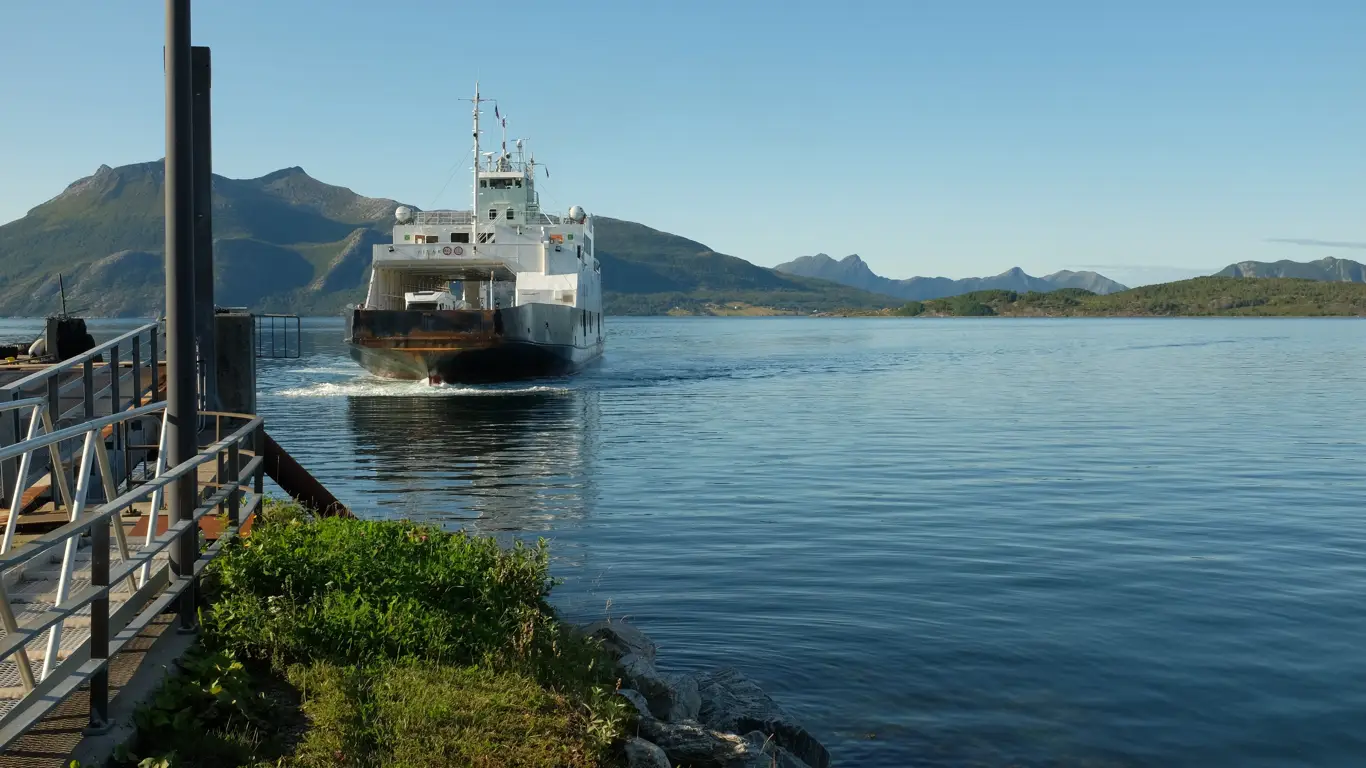
Greece is also reachable via Turkey by ferry. Services run Fethiye—Rhodes, Marmaris—Rhodes and Bodrum—Kos. There are daily departures from Bodrum to Kos and from Marmaris to Rhodes, with three sailings a day to Rhodes.
The logistics are simple: fly to Bodrum or Dalaman, then take a ferry to the islands. Bodrum to Kos takes 20–30 minutes; Marmaris to Rhodes is about an hour.
In practice, the minimum travel time from Moscow to the Greek islands is 10–12 hours. Rhodes and Kos are among the most convenient. A direct flight to Dalaman or Bodrum takes around five hours, then comes the ferry. An overnight in Marmaris or Bodrum may be needed in some cases, which can add a pleasant twist to a combined trip.
Tour operators offer packages to Rhodes and Kos via Turkey that include flights, transfers and ferry tickets.
Tour operators shared indicative prices for 7-night stays for two in 3*, 4* and 5* hotels in summer 2024 (airfare not included). Ambotis Holidays has the most budget-friendly option with breakfast: a 3* hotel on Crete from 27.8 thousand rub for two. A 4* on Halkidiki starts from 60 thousand rub for two (breakfast), and a 5* on Halkidiki from 80.9 thousand rub for two (breakfast). TEZ TOUR puts a 7-night stay with breakfast at a 3* from 48 thousand rub for two, a 4* from 58.7 thousand rub, and a 5* from 117 thousand rub for two. Russkiy Express offers 7 nights all inclusive at Bali Mare 4* on Crete from 66.9 thousand rub for two, Hersonissos Palace 5* on Crete from 107.7 thousand rub, and Aristoteles Holidays 4* on Halkidiki from 102.4 thousand rub for two. PAC Group lists 7 nights with breakfast at Europa 3* on Rhodes from 41.5 thousand rub for two, Tropical 4* on Halkidiki from 66.8 thousand rub, and Simantro Beach Resort 5* on Halkidiki from 68.5 thousand rub for two. Space Travel offers Rhodes at Rodos Princess Beach 4* (all inclusive) for 7 nights from 130 thousand rub for two, and Princess Andriana Resort & SPA 5* (ultra all inclusive) from 186 thousand rub for two.
The choice between Santorini and Mykonos comes down to what you want from your break. For dramatic scenery, a romantic feel and singular architecture, Santorini is the natural pick—its sunsets, blue-domed, whitewashed villages and unhurried rhythm tend to stay with you. If you’d rather chase nightlife, wide sandy beaches and a touch of glamour, Mykonos delivers with unforgettable parties and plenty of diversions. Either way, both islands promise experiences you’ll carry home for a long time.