
Discover 10 historic cities that preserve authentic old-world charm — from Prague and Rome to Kyoto, Istanbul and Venice. Why they still feel alive today.
In a world defined by rapid technological change, the cities that have managed to preserve an authentic sense of the past feel like rare historical gems. They do more than recall grand eras and cultural shifts — they are places where every street and every house reads like a chapter of history. Exploring them reveals not only architectural beauty and the atmosphere of bygone times, but also the deep roots of a singular cultural identity.
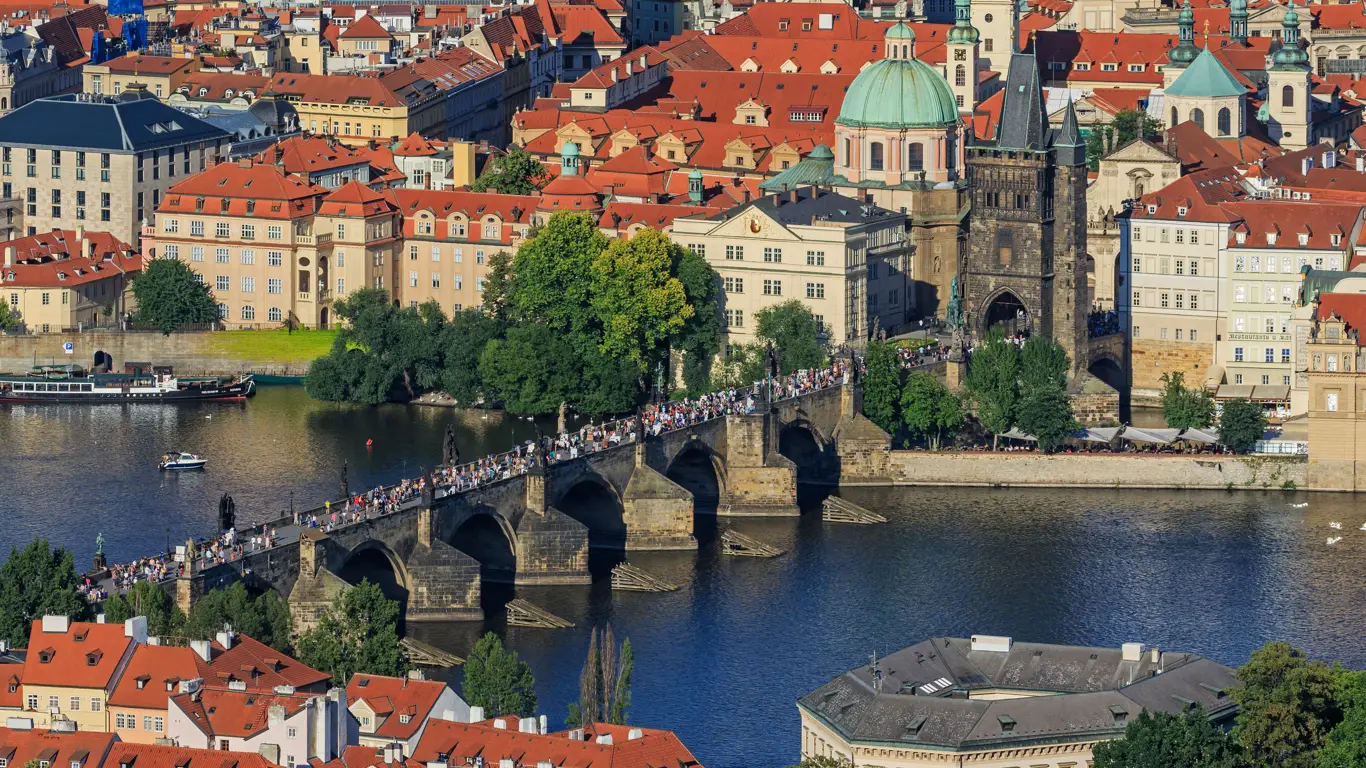
Prague, the capital of the Czech Republic, is one of the most striking examples of a city that has kept the spirit of its past alive. From ancient castles and churches to baroque palazzi and Gothic cathedrals, its architectural treasures sit comfortably alongside modern life. The medieval ambience of the Old Town and Malá Strana draws you in at first glance — it’s the kind of place where time seems to pause. Narrow lanes lined with historic facades and characterful shops open onto proud squares, including Prague Castle, home to the famed St. Vitus Cathedral. Cultural landmarks and long‑standing traditions — from music festivals to street fairs — combine to create an atmosphere that lets history breathe in the present.
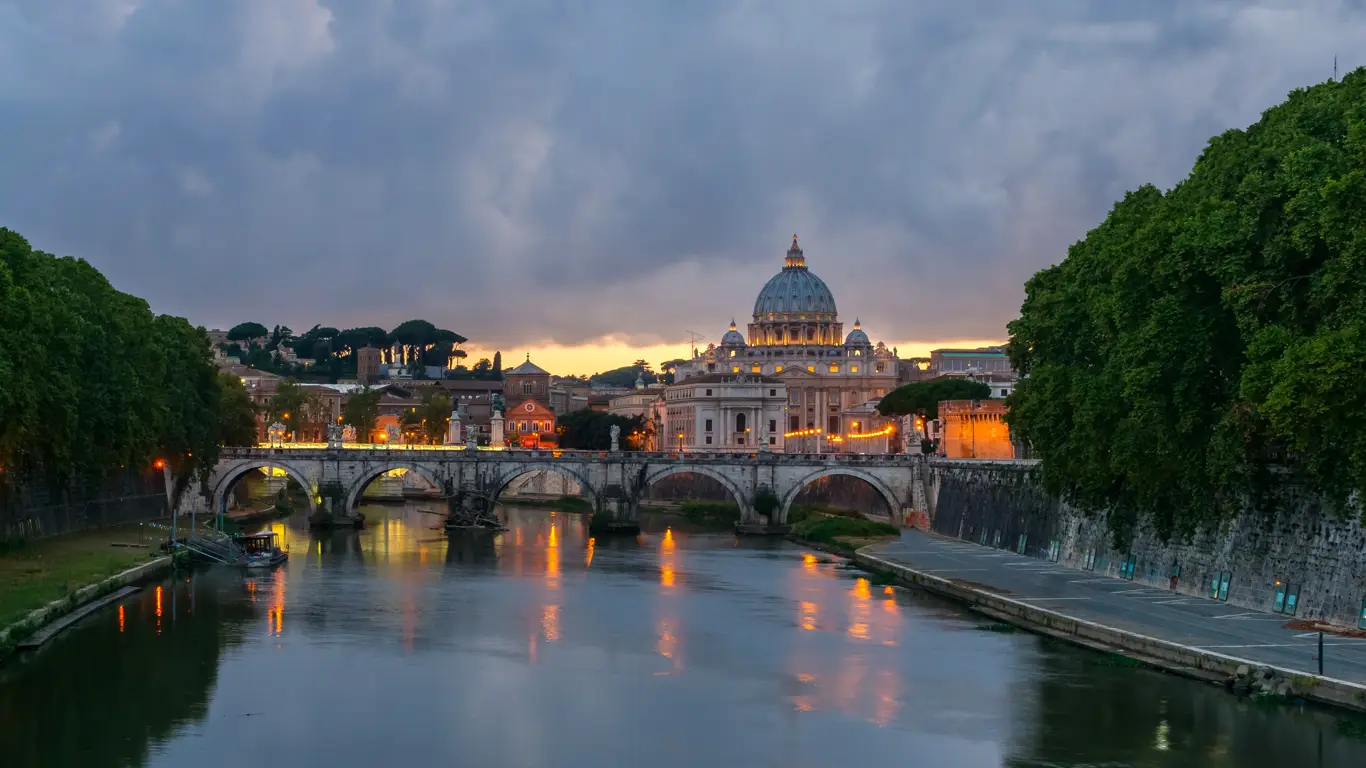
Rome, Italy’s majestic capital, continually impresses with monuments and ancient masterpieces that embody the spirit of antiquity. Founded more than two millennia ago, the city is a true open‑air museum where every stone and column speaks of imperial grandeur and enduring cultural legacy. Pantheons, coliseums and forums recall the might of ancient Rome, while medieval alleys and squares open a window onto the history of the Italian republic and the papacy. Today’s Rome keeps its distinctive character by pairing age‑old relics with picturesque cafés and fashionable boutiques — a mix of authenticity and elegance that’s hard to resist.
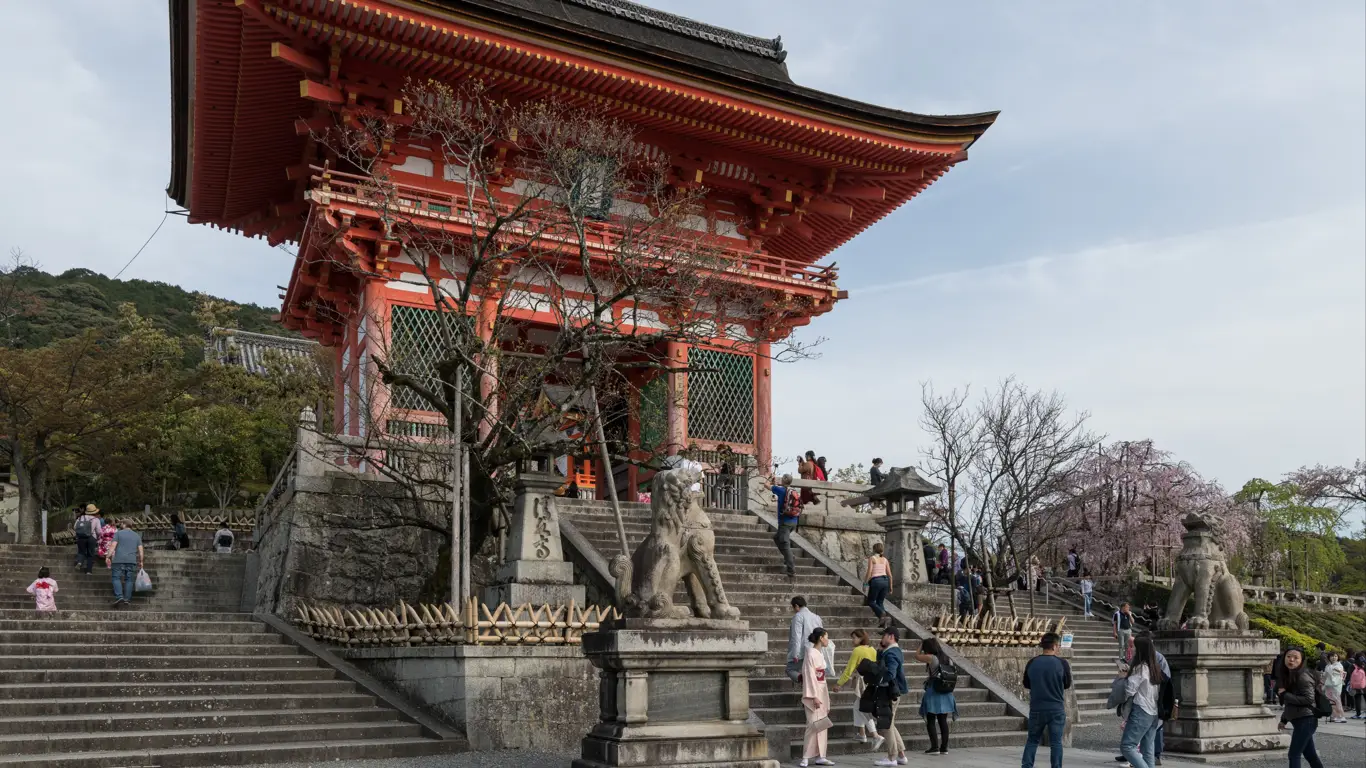
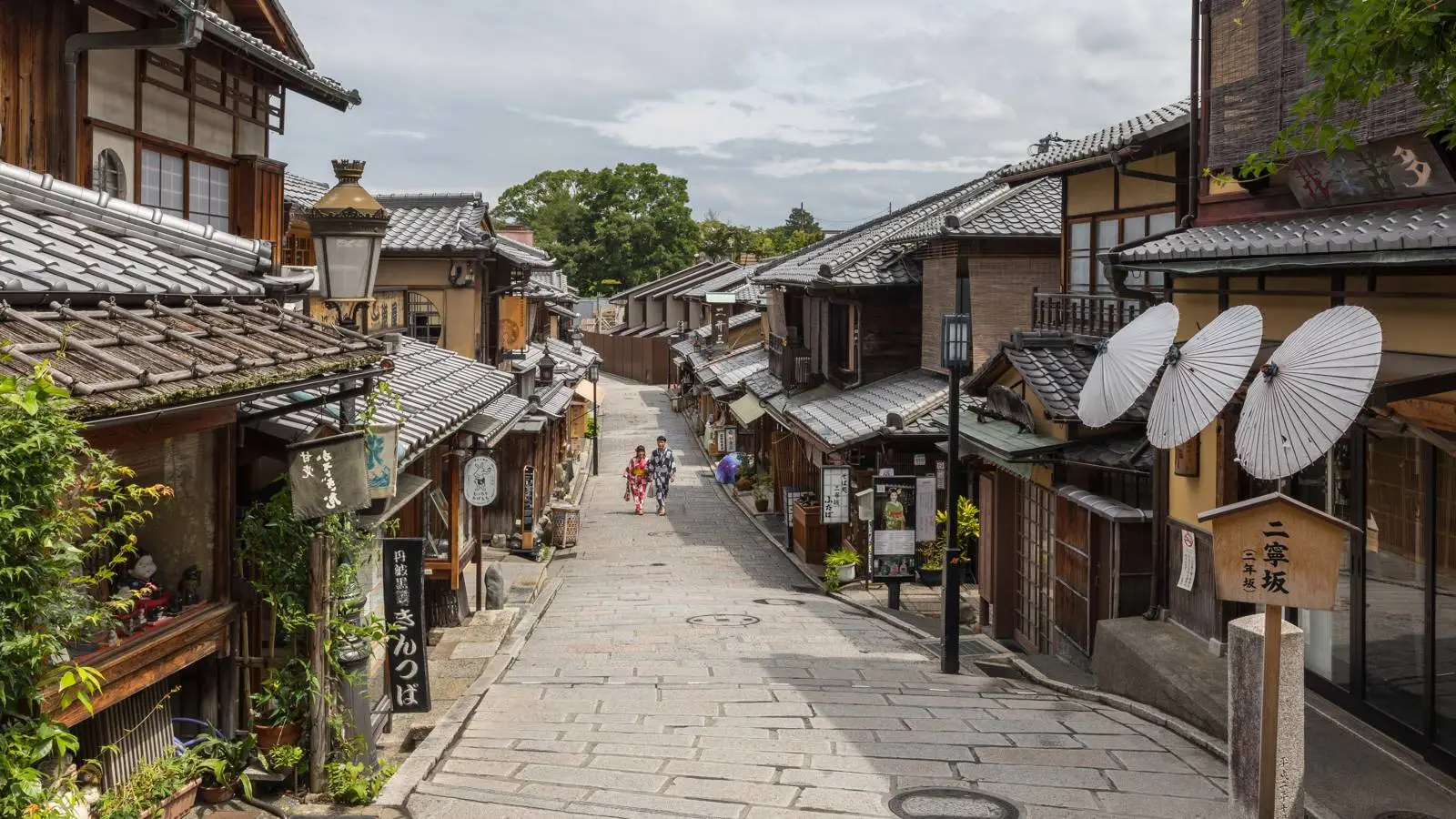
Kyoto, Japan’s former capital, is renowned for preserving a distinct sense of the past. Traditional architecture, sacred sites and age‑old customs harmonize here with remarkable grace. Hundreds of temples, gardens and Zen spaces, many dating back to the medieval era, carry the imprint of Japanese philosophy and spirituality. Across the city you’ll find numerous shrines and traditional houses that keep alive the atmosphere of the 17th–18th centuries. Even modern districts — with their intimate streets and classic restaurants — feel steeped in continuity, offering a quiet balance that echoes the very idea of Kyoto as a ‘capital of peace and calm’.
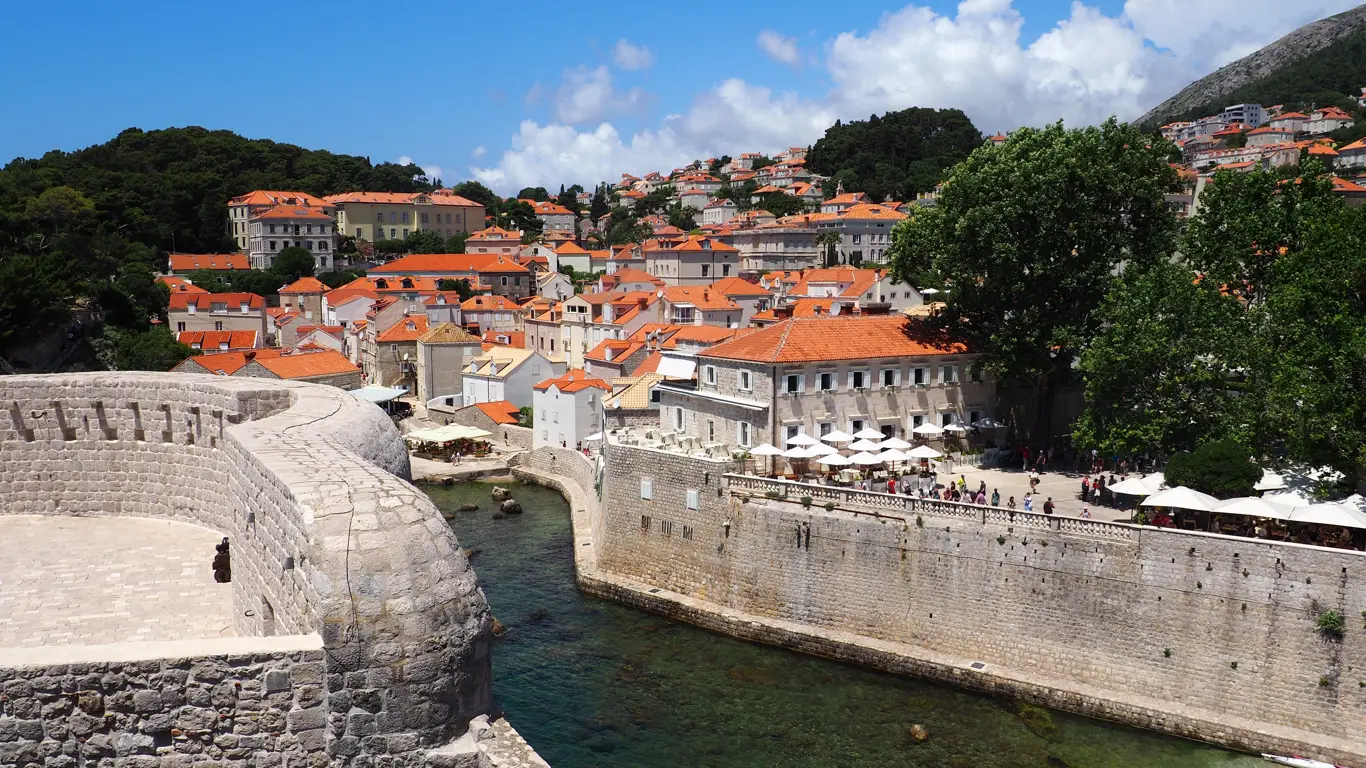
Dubrovnik, Croatia’s jewel on the Adriatic, captivates with a rare blend of medieval architecture and maritime character that has endured to this day. Founded in the 7th century and inscribed on the UNESCO World Heritage List, the ‘Pearl of the Adriatic’ is celebrated for its fortresses, mighty walls and ancient churches — all resonant with a storied past. A stroll along marble squares and stone‑built streets evokes the Middle Ages, all while the sea and surrounding mountains frame sweeping views. Dubrovnik not only preserves its historical value, it continues to inspire travelers with its stately beauty.
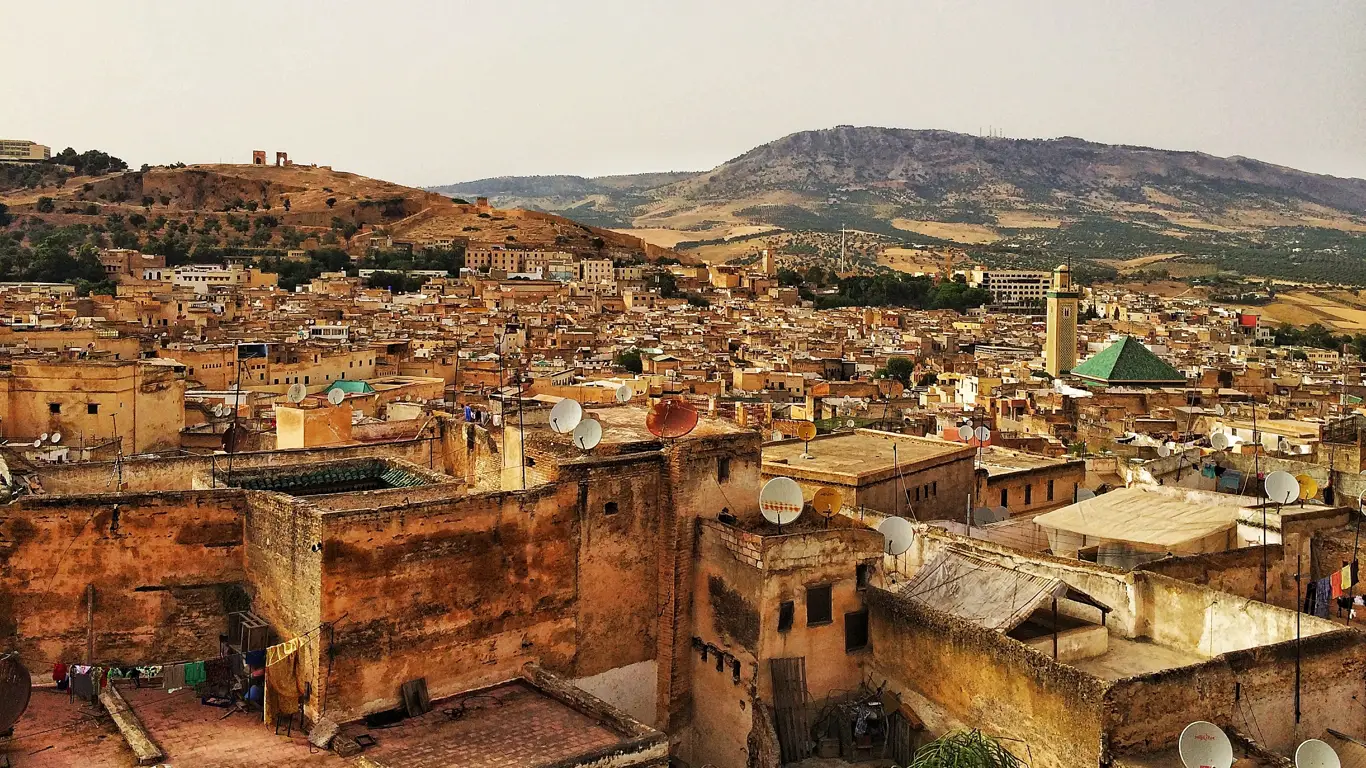
Fez, an ancient Moroccan city, feels like a living archaeological site where the past endures in storied medinas and atmospheric palaces. Often viewed as the country’s cultural and intellectual heart, it’s a place where Islamic architecture and tradition are part of everyday life. The old quarter, Fes el‑Bali — with its revered mosques, madrasas and fountains — is a UNESCO World Heritage site that fascinates with its vistas and deep historical roots. Age‑old crafts still thrive here, including leatherworking passed down through generations, preserving the city’s unmistakable authenticity and allure.
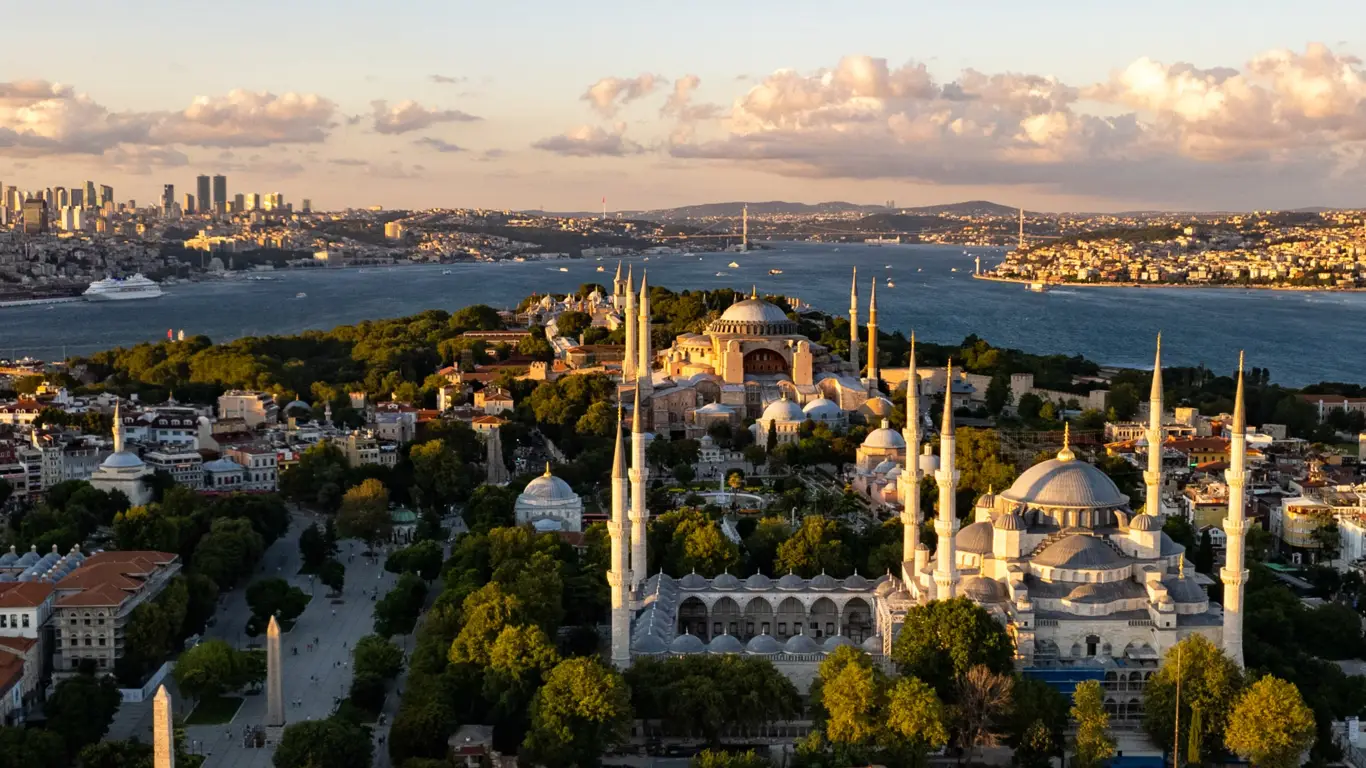
Istanbul, an age‑old metropolis, brings East and West together in a way that leaves the past palpable on every winding street and along the Bosphorus shores. Its oldest quarters — the Old City and the historic peninsula — are living museums where medieval churches, mosques and palaces stand alongside contemporary shops and cafés. The headline sight, Hagia Sophia, symbolizes both Christian and Islamic heritage and embodies the city’s cultural breadth. Bustling markets such as the Grand Bazaar and the Istanbul bazaar keep the spirit of trade and exchange alive much as they did centuries ago. Istanbul isn’t just a city; it’s a rare weave of traditions, artifacts and influences that make it one of the world’s most captivating places.
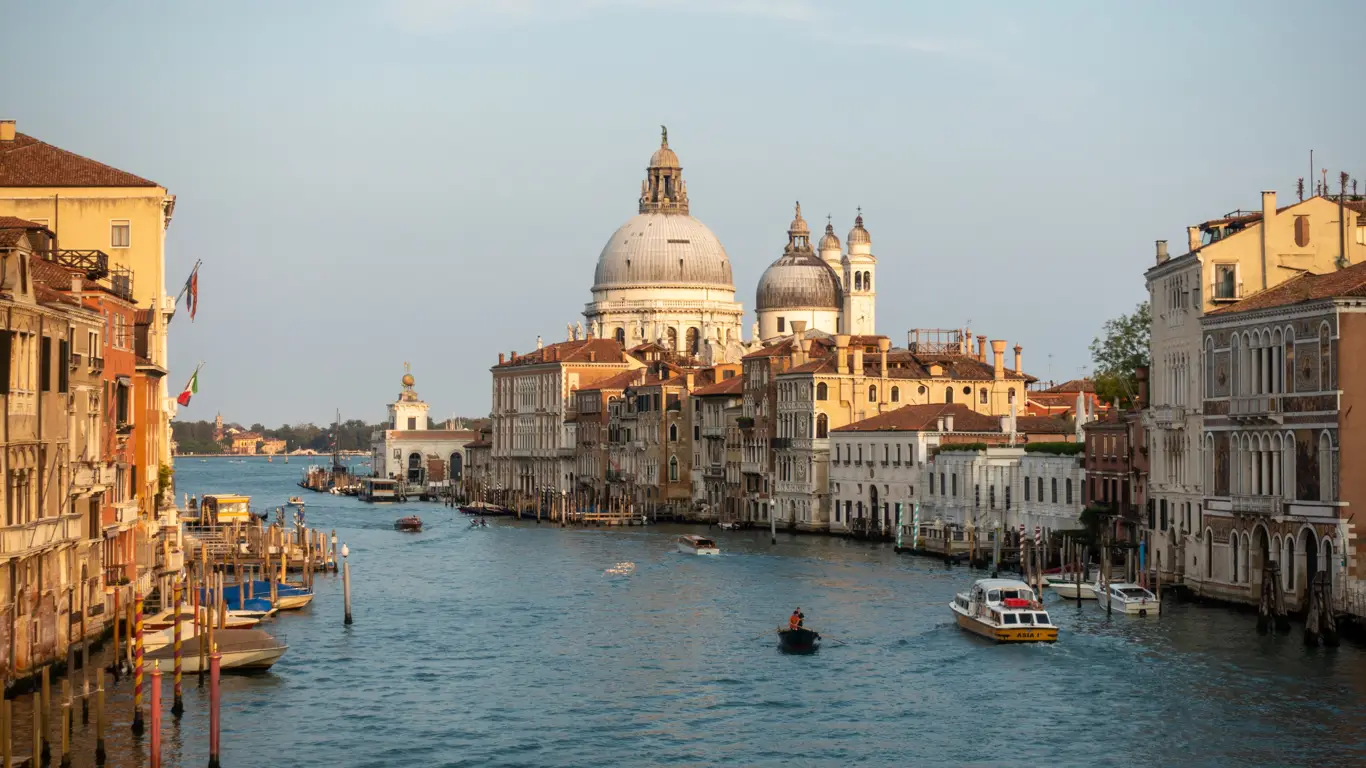
Venice, Italy’s fabled city on the water, astonishes with architecture and atmosphere that have carried the past forward for centuries. Its maze of slender canals, storied squares and iconic gondoliers transports visitors to the era of the Renaissance and the glory of the Venetian Republic. Grand palazzi and churches — including the Doge’s Palace and St. Mark’s Basilica — and historic squares like San Marco and Rialto mirror the city’s wealth and patrician poise. Time‑honored celebrations, from Carnival to the ‘Vogilia’ regatta, still set the rhythm of local life, underscoring Venice’s singular place in world history and culture.
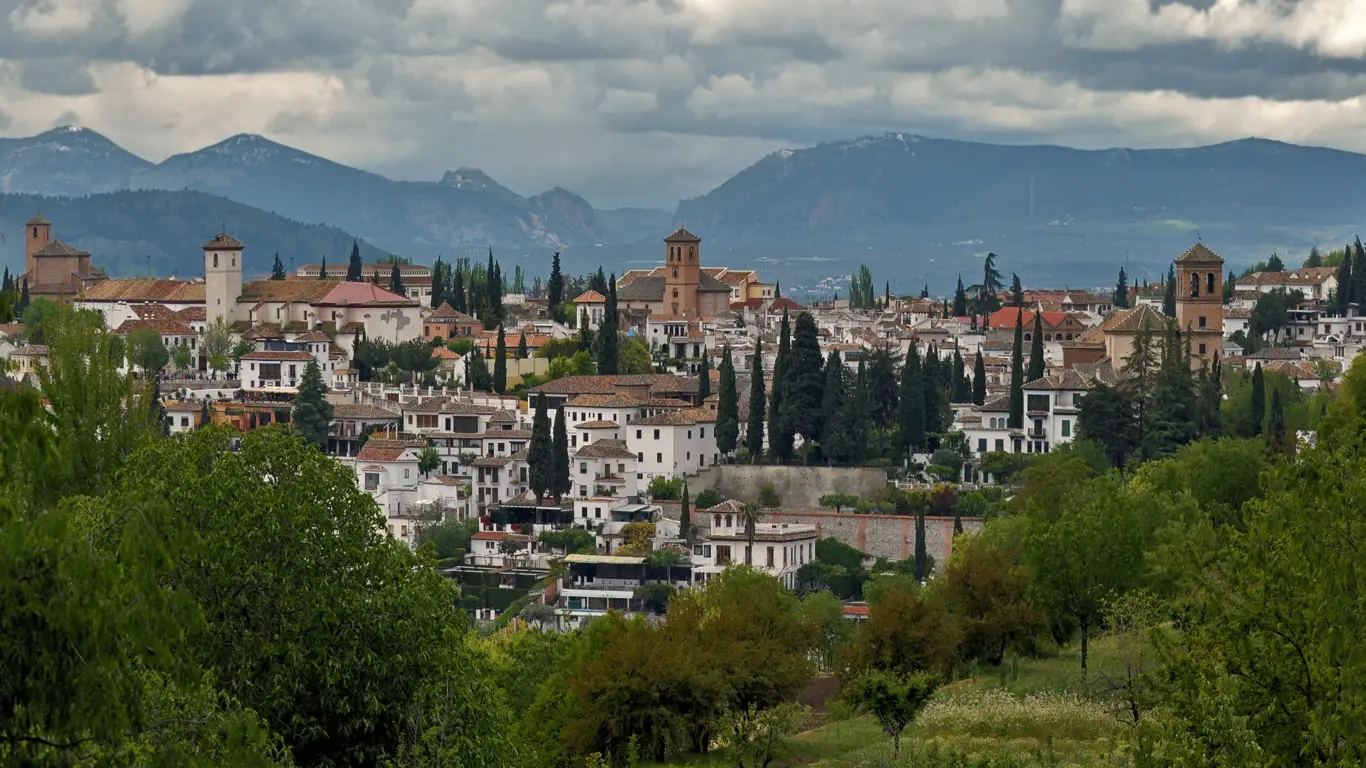
Granada stands out in Spain as a city where the past is so vivid that every corner seems to embody centuries of cultural exchange. Arab, Catholic and Jewish influences intermingle, shaping a character that effortlessly evokes the Middle Ages and the Renaissance. Highlights such as the Alhambra fortress, the medieval city citadel, and the Catholic monastery Monasterio de San Jeronimo showcase the grandeur and richness of Granada’s heritage. Narrow streets and intimate squares adorned with fountains and gardens give the city a distinctive ambiance, where every stone hints at a compelling story.
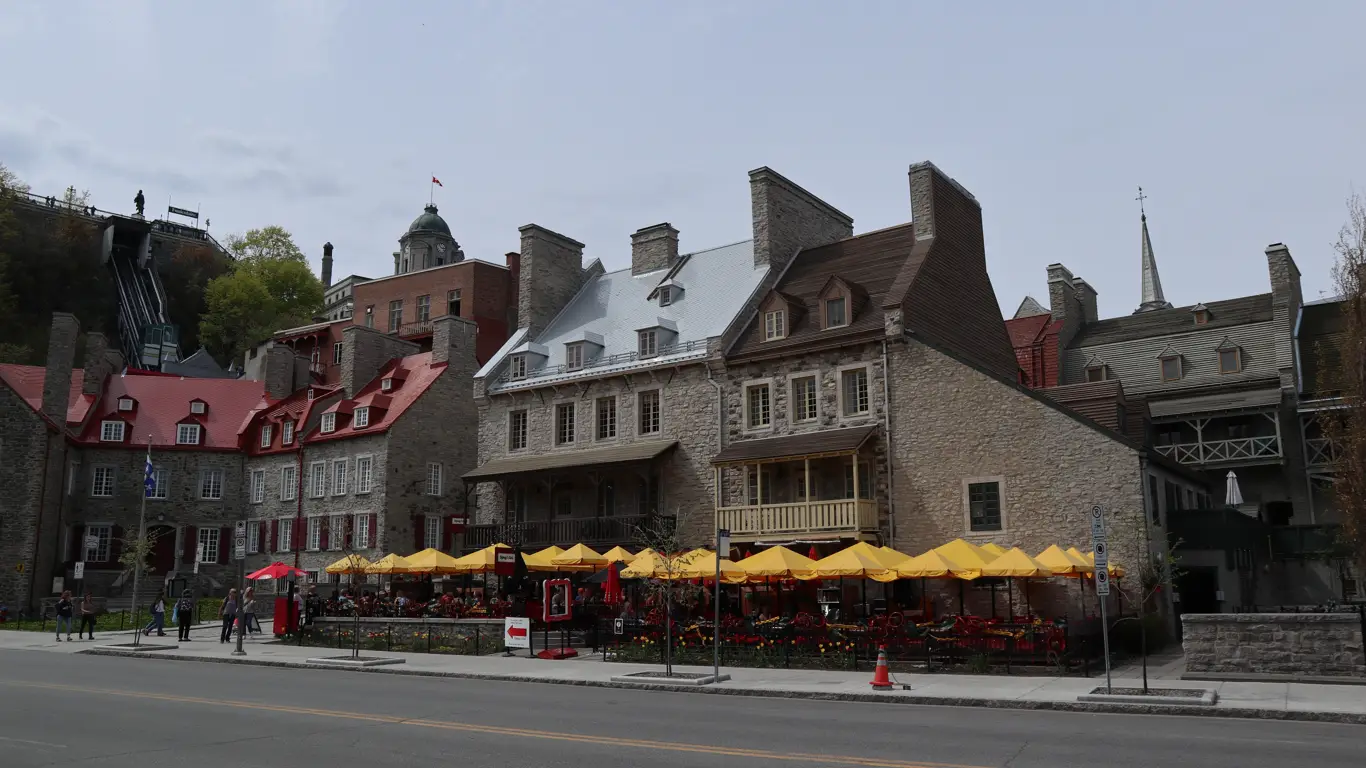
Quebec charms with its blend of age‑old streets, fortifications and churches that preserve a sense of earlier centuries. The city offers the aura of the Old World, where every stone and facade conjures the era of colonial settlements and French culture. The Old Town, a UNESCO World Heritage site, showcases 17th‑ and 18th‑century architecture, including the well‑known Dufort Terrace with sweeping views of the river and surrounding hills. Quebec not only preserves buildings and streets; through cultural events, festivals and traditions it brings the past to life, embodying a lasting chapter in Canada’s history and culture.
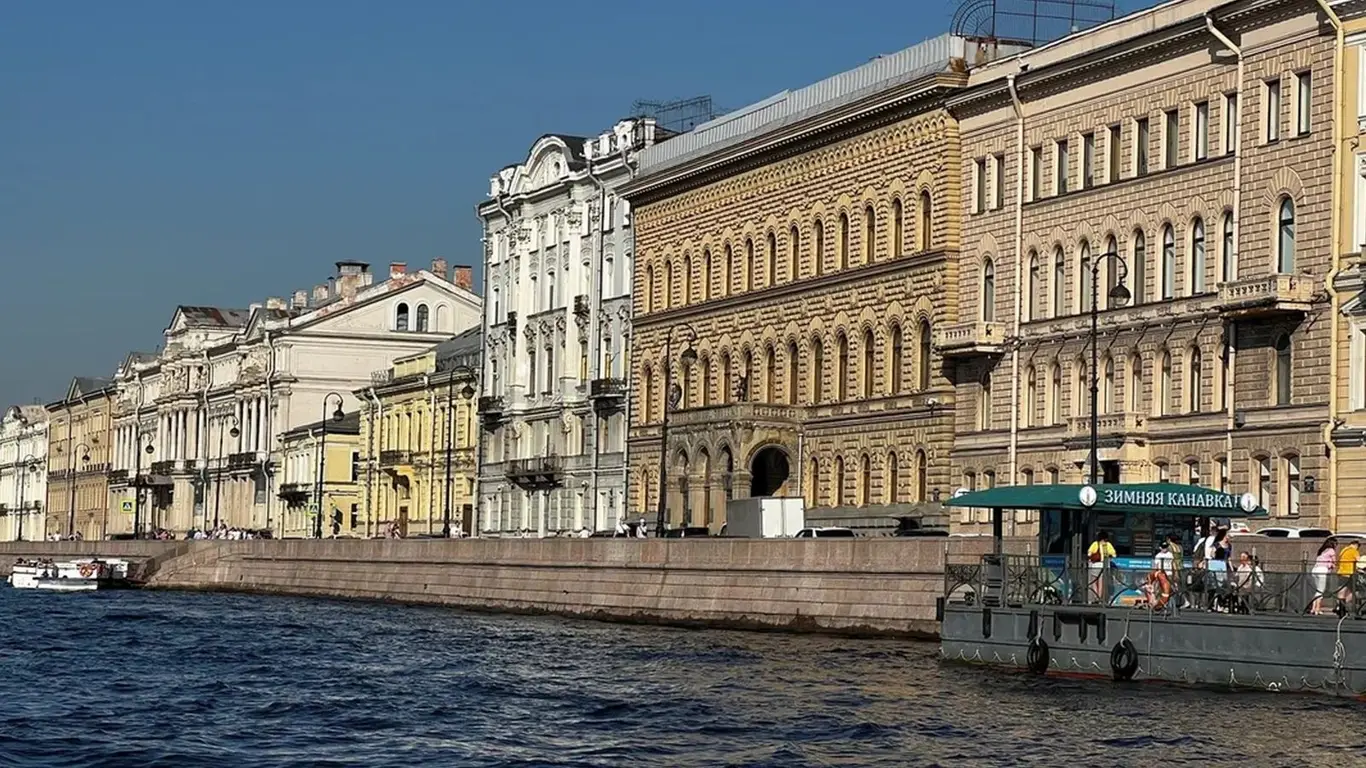
Saint Petersburg, set along the Neva, embodies the spirit of the past and Russia’s cultural legacy. Founded by Peter I at the start of the 18th century, the city is famed for architecture that blends baroque, classicism and art nouveau. Historic streets and squares — Nevsky Prospekt, Palace Square and the Hermitage among them — speak daily of imperial grandeur and a rich cultural tradition. The city’s vibrant arts scene, from theaters and museums to concert halls, makes it both an open‑air history book and a dynamic cultural hub that draws people from around the world.
